Russia said contacts with the United States have not stopped, pushing back against any suggestion of a diplomatic freeze just as Washington and Moscow prepare for a fresh high-level conversation that could shape the next phase of the Ukraine talks.
Russia Says U.S. Contacts With Moscow Continue
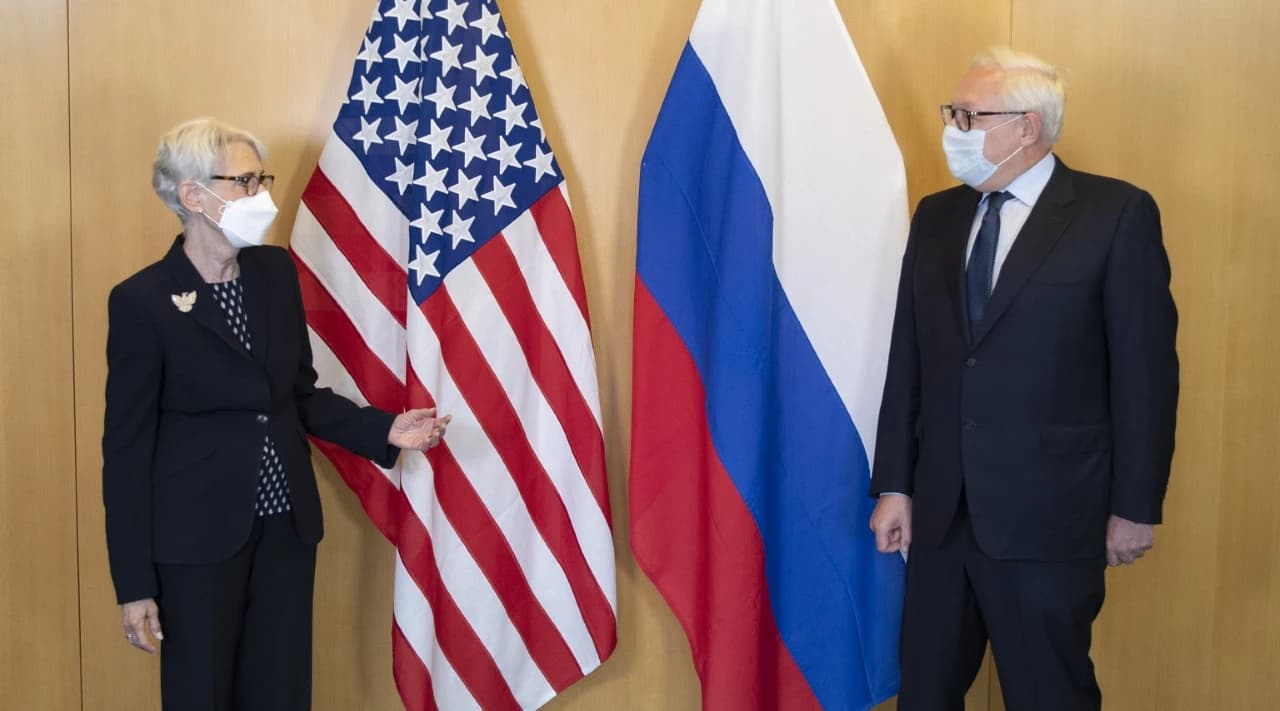
The clarification matters because even limited communication between the two nuclear powers helps lower the risk of miscalculation, keeps channels open on Ukraine and signals whether both sides are still willing to test a negotiated path alongside military pressure. For investors, the immediate issue is not sanctions relief or a breakthrough deal, but whether a modest thaw in U.S.-Russia dialogue could ease geopolitical risk premiums in energy, defense and broader European assets.
Sentiment IndicatorsⓘProprietary · adalytica.com · October 8, 2026
This is a snapshot — live sentiment, awareness and momentum for 130+ markets update continuously in the dashboard.Open AlphaPulse
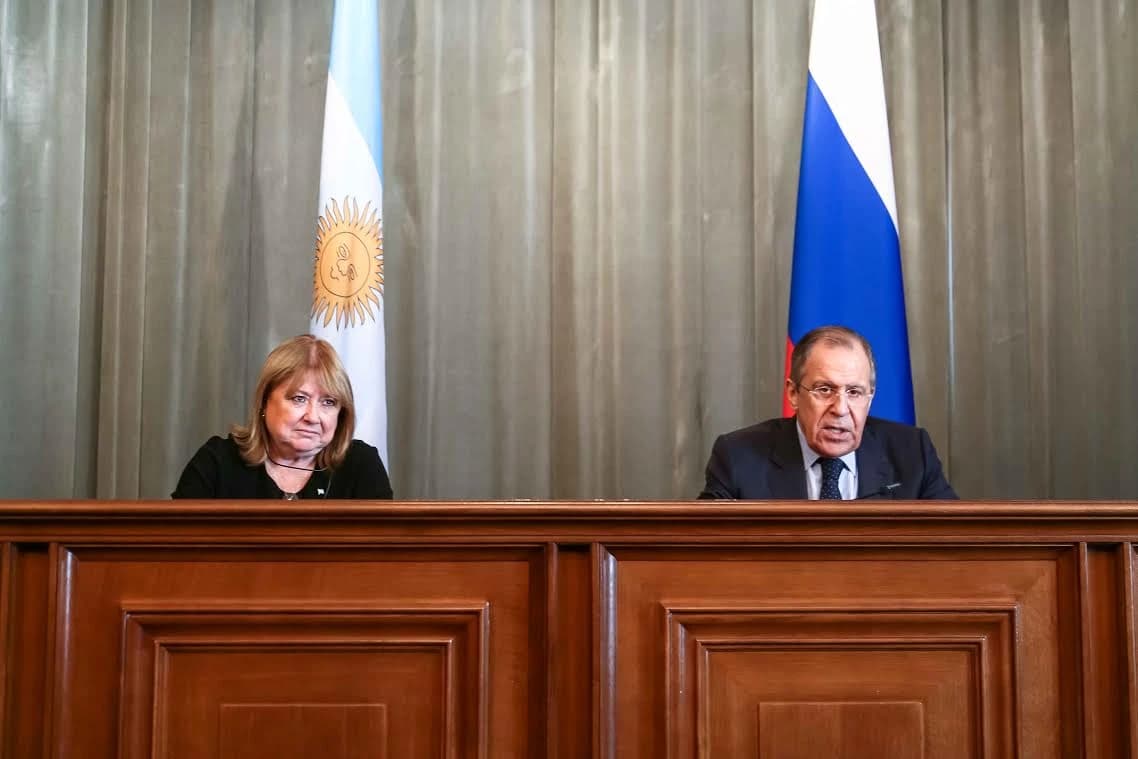
Russian deputy foreign minister Sergei Ryabkov said there had been no break in contact, pointing to Foreign Minister Sergei Lavrov’s meeting with U.S. Secretary of State Marco Rubio on Sept. 23. He said significant attention was paid to resolving the Ukraine crisis, underscoring that diplomacy is continuing even as the war grinds on.
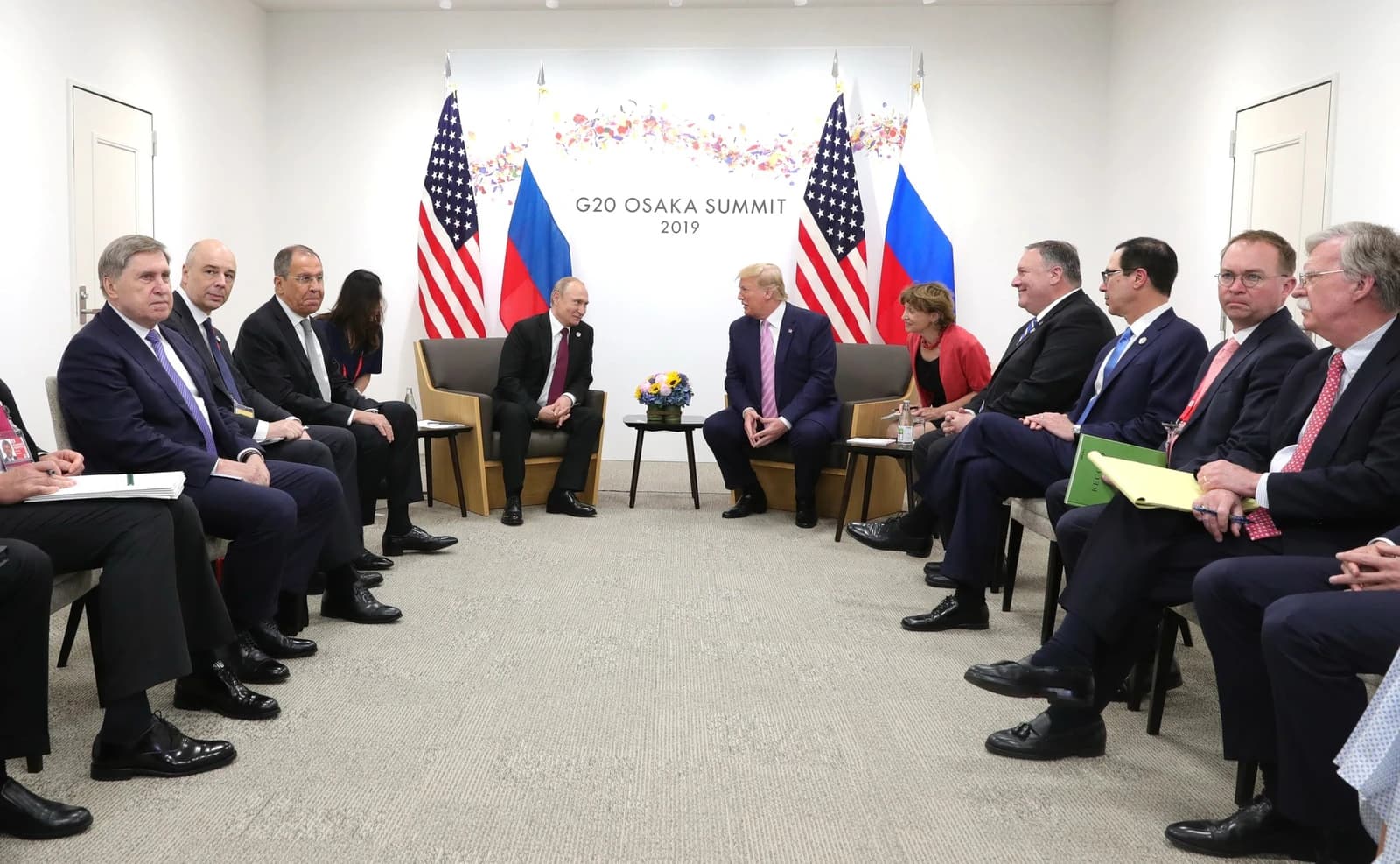
The comments came after U.S. President Donald Trump said he planned to speak with Russian President Vladimir Putin “very soon,” adding another layer of expectation around the bilateral channel. That makes the sequence of contacts important: it suggests Washington is keeping multiple lines open, from cabinet-level diplomacy to a possible leaders’ call, even as both sides remain publicly firm on their positions.
Geopolitical Risk — 30-day sentimentadalytica.com
Explore this data interactively — full history, time series and cross-market comparisons.Open AlphaPulse
For markets, the near-term readthrough is more about volatility than direction. Any sign that talks are continuing can temper the most acute tail-risk scenarios for oil, European gas and defense stocks, while a breakdown in contact would quickly revive those trades. But unless the discussions produce a concrete change in the battlefield or sanctions picture, the macro effect is likely to remain limited.
The bull case for risk assets is that sustained contact lowers the odds of escalation and keeps open the possibility of incremental arrangements on prisoner swaps, ceasefires or narrow deconfliction measures. The bear case is that dialogue remains largely symbolic, with both sides using it to manage optics rather than to narrow core differences, leaving sanctions, military spending and supply-chain disruption intact.
Adalytica’s Global Stability Sentiment gauge remains at extreme greed, reflecting a sharp recent jump in attention to geopolitical risk, which often means markets are highly sensitive to any headline that hints at de-escalation or escalation. That makes the next Trump-Putin communication, and any follow-up from Lavrov or Rubio, the key catalyst for traders watching whether diplomacy is merely active or actually advancing.
| Entity | Gains | Losses |
|---|---|---|
| Diplomacy channels | ▲Lower escalation risk | ▼Narrative of total freeze |
| Oil and European risk assets | ▲Softer geopolitics premium | ▼War-risk hedging demand |
| Defense stocks | ▲Limited upside if tensions ease | ▼Support from higher conflict fears |
| Russia and U.S. policymakers | ▲More room for negotiation | ▼Leverage from hardline standoffs |