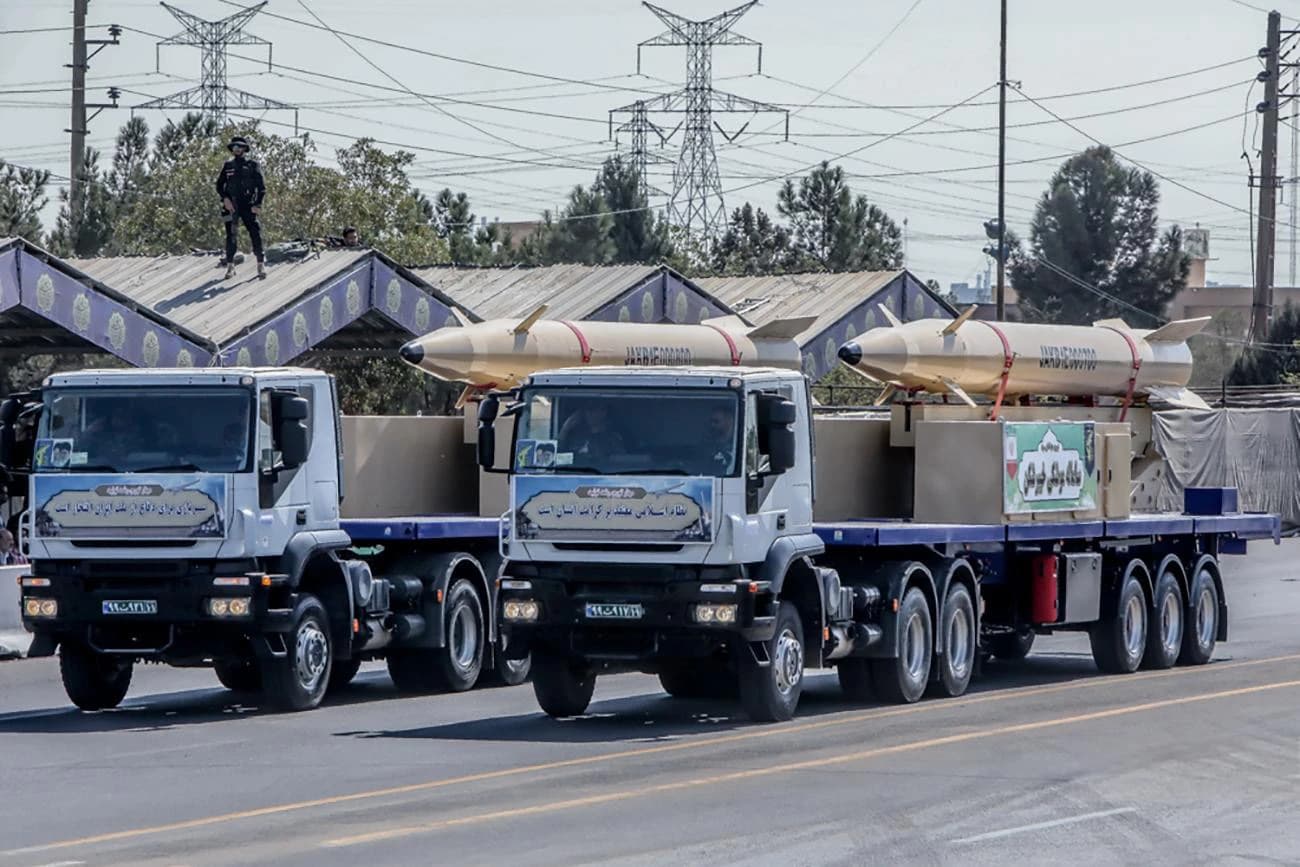
The most important consequence of the U.S. campaign in Iran is not just the headline cost — it is the strain the fighting has put on America’s missile inventory and the long rearmament cycle that follows. For investors, that means higher defense spending may persist for years, even after the shooting stops, while the war’s energy shock can feed inflation and keep pressure on interest rates.
Iran conflict boosts U.S. defense replenishment demand

The Congressional Budget Office said the conflict had cost the Pentagon about $38.1 billion as of Aug. 1, or roughly $246 million a day in the first five months. More than half of that went to replacing missiles and munitions, while extra flight hours added about $10.4 billion and higher fuel costs another $2.7 billion. The CBO warned that rebuilding interceptor stockpiles could take at least five years, even if production capacity is increased.
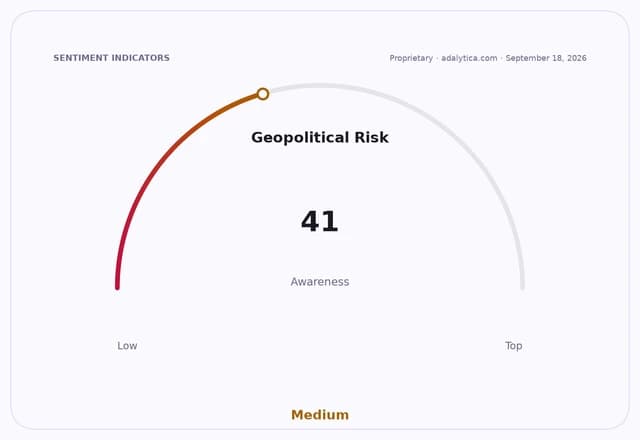
Sentiment IndicatorsⓘProprietary · adalytica.com · September 18, 2026
This is a snapshot — live sentiment, awareness and momentum for 130+ markets update continuously in the dashboard.Open AlphaPulse

That matters economically because war spending does not stop at the battlefield. When the U.S. burns through scarce interceptors, it has to replace them, and when shipping through the Strait of Hormuz and the Red Sea is disrupted, energy and transport costs ripple through the economy. The CBO said the conflict could lift the personal consumption expenditures price index by 0.5 percentage point by the first quarter of 2027, with gasoline and other fuels accounting for about 40% of the increase in consumer prices tied to the war.
The Pentagon’s own estimate was close, putting the cost at $33.4 billion through June 29, including $22.3 billion for munitions replacement and $3.7 billion for equipment losses. The war also reportedly damaged or destroyed hundreds of buildings and structures at bases in eight Middle Eastern countries, along with dozens of aircraft, including F-15E and F-35A jets, tankers, helicopters and drones.
Geopolitical Risk — 30-day sentimentadalytica.com
Explore this data interactively — full history, time series and cross-market comparisons.Open AlphaPulse
For defense investors, the story is two-sided. Companies that make missiles, interceptors and aircraft repair services are likely to see sustained demand as the U.S. restocks and modernizes. That should support names such as Lockheed Martin, RTX and Northrop Grumman over a multi-year horizon, especially as the military works through shortages of solid rocket motors, explosives, propellants and skilled labor.
But the upside comes with a catch: the pressure on inventories shows how thin some supply chains have become, and that can limit how quickly contractors can turn demand into revenue. Lockheed and RTX have already seen their shares swing with the broader defense trade, while Northrop remains tied to strategic missile-defense programs that could benefit if Washington decides the replenishment effort needs to be faster and larger.
The broader investment takeaway is simple. Wars are expensive, but the aftereffects can be even more durable — in budgets, inflation and procurement. If the conflict lasts, the U.S. will likely spend more not just on operations, but on rebuilding the arsenal that makes future deterrence possible. That makes the defense sector worth watching for long-term investors who think in years, not headlines.
| Entity | Gains | Losses |
|---|---|---|
| Defense contractors | ▲Multi-year replenishment orders | ▼Execution pressure |
| U.S. military | ▲New stockpiles over time | ▼Missile shortages now |
| Consumers | ▲None | ▼Higher fuel and shipping costs |
| Missile sellers | ▲Stronger demand | ▼Supply constraints |