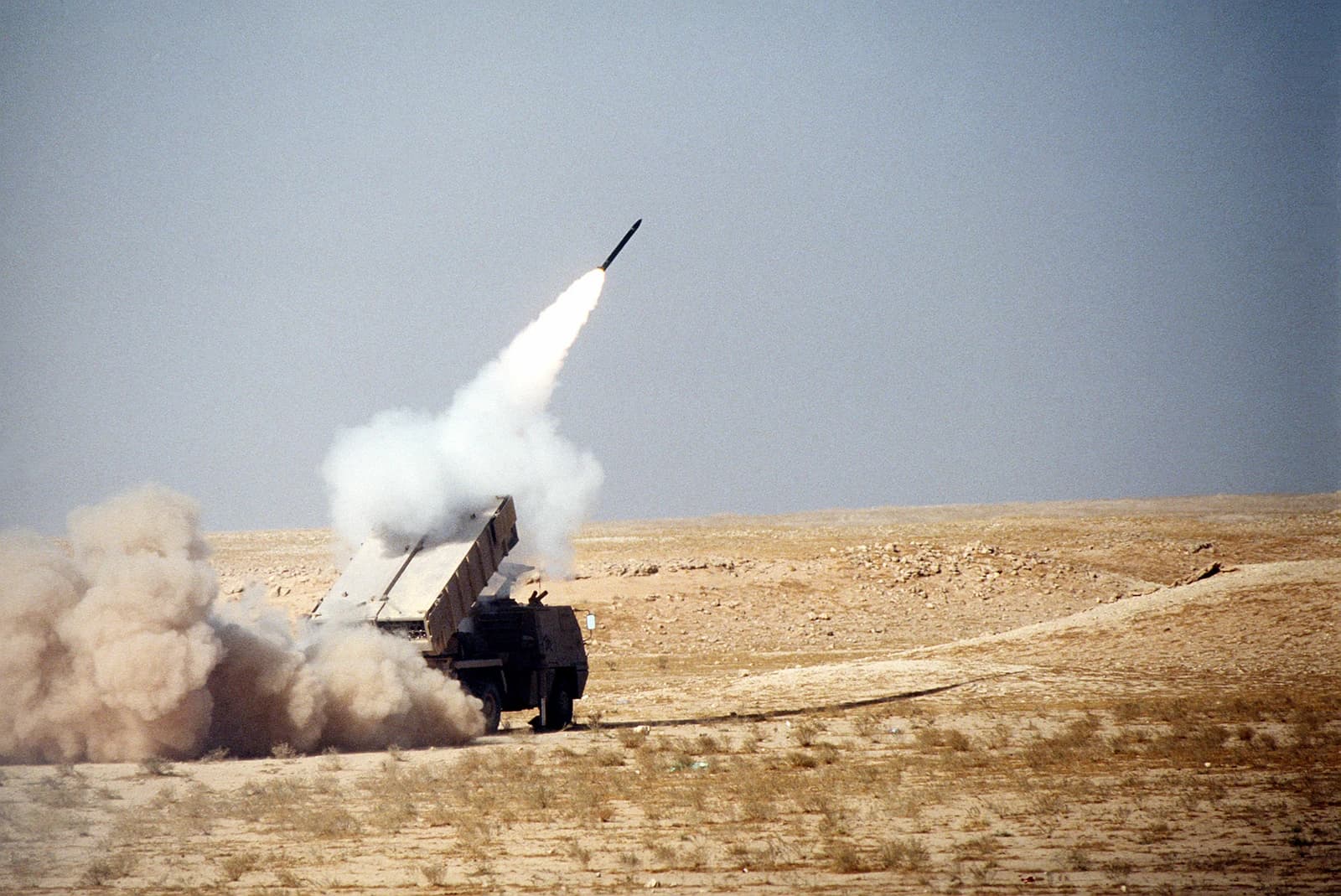
The U.S. is now spending at a pace that is turning the war with Iran into a major fiscal and market problem, with costs surpassing $38 billion by early September as fresh attacks on shipping in the Strait of Hormuz threaten energy flows and keep defense budgets under strain.
U.S. War Costs Rise as Hormuz Attacks Continue

That matters because this is no longer just a regional conflict measured in missiles and headlines. It is a widening drain on U.S. resources, a direct risk to global oil logistics and a persistent tailwind for defense contractors and naval suppliers. The latest estimate presented to Congress put total war costs at $43.6 billion through Sept. 3, far above the Congressional Budget Office’s $38 billion tally through August, and implies the monthly burn rate is running hotter than expected.
Sentiment IndicatorsⓘProprietary · adalytica.com · September 22, 2026
This is a snapshot — live sentiment, awareness and momentum for 130+ markets update continuously in the dashboard.Open AlphaPulse
The economics are straightforward and uncomfortable. The CENTCOM estimate shows the conflict’s expense is accelerating, with armaments spending alone jumping by more than $6 billion in a little over a month to $28.1 billion. That includes warship operations, aircraft, bases, equipment losses and troop care — a reminder that once a maritime war starts pulling in air defenses, naval deployments and logistics, the bill compounds fast. For Washington, that means less fiscal flexibility heading into the next budget cycle. For allies, it means more pressure to share the burden. For traders, it means the conflict has become a recurring input into crude, shipping and defense pricing rather than a one-off shock.
The market is already pricing that reality unevenly. Oil remains the most obvious transmission channel: two new attacks on cargo vessels in the Strait of Hormuz and a separate tanker strike have kept one of the world’s most important energy chokepoints under constant threat. Even without a full closure, higher insurance costs, rerouting and lower throughput can support crude and refined-product volatility. That is why the energy complex is the clearest near-term beneficiary, while importers, airlines and global shippers face the squeeze.
Defense is the other durable winner. The U.S. approved a $24.3 billion sale of 48 F-35 fighter jets to Saudi Arabia, underscoring how the conflict is already feeding a broader rearmament cycle across the Gulf. It also helps explain why defense ETFs such as XAR and broader aerospace-and-defense exposure through ITA remain strategically attractive on any pullback. These funds sit on the wrong side of recent technical weakness — with both trading below their 50-day and 200-day moving averages and RSI readings in oversold territory — but that kind of reset can create the next entry point if geopolitical risk stays elevated and procurement spending continues to rise.
The broader narrative is that the war is evolving into a fiscal, energy and industrial-policy event at the same time. Washington is spending heavily to contain it, Gulf states are rushing to harden defenses, and shipping lanes from Hormuz to Bab el-Mandeb are increasingly becoming a toll booth for global trade. Even the White House’s uncertainty over whether to escalate or seek an exit only adds to the investable volatility premium.
Investors should treat this as a multi-month, potentially multi-quarter theme: buy the picks-and-shovels of conflict and energy security, stay cautious on fuel-sensitive transport, and expect more capital to flow into defense, missile defense, naval systems and supply-chain hardening as long as the Strait of Hormuz remains under fire. The market is underestimating how expensive this war can become.
| Entity | Gains | Losses |
|---|---|---|
| Defense contractors | ▲More Pentagon orders | ▼Higher execution risk |
| Oil producers | ▲Higher crude prices | ▼Refiners and consumers |
| Shipping firms | ▲Freight premium opportunity | ▼Route disruption costs |
| U.S. Treasury | ▲None | ▼Rising war spending |