Ukrainian President Volodymyr Zelensky said he is prepared to hold elections if Russia agrees to a full 60-day ceasefire, linking any vote to a broader halt in hostilities that would give Kyiv time to secure infrastructure and organize the process.
Ukraine elections tied to 60-day ceasefire
The move matters because it shifts the political debate over Ukraine’s leadership back onto Moscow’s willingness to stop fighting, rather than onto Washington’s pressure for a change at the top in Kyiv. Zelensky directly rejected President Donald Trump’s suggestion that Ukraine should replace its leader, saying only Ukrainians can decide who governs the country. By conditioning elections on a sustained truce, he is trying to turn a contentious domestic issue into a test of Russian intent.
Economically, a genuine two-month ceasefire would be the closest thing yet to a de-risking event for Ukraine’s war economy. It would lower immediate damage to power grids, transport links and industrial sites, reduce emergency spending on repairs, and improve the odds of maintaining export flows through the Black Sea and overland corridors. Even a temporary pause would also matter for humanitarian relief and reconstruction planning, areas that remain heavily dependent on foreign funding.
But the proposal also underscores how remote that scenario remains. The Kremlin has repeatedly shown little appetite for pauses that do not advance its own terms, and the broader war has continued to feature missile strikes, energy attacks and reciprocal drone campaigns. Investors have had little reason to price in a lasting de-escalation after previous diplomatic openings were followed by renewed fighting.
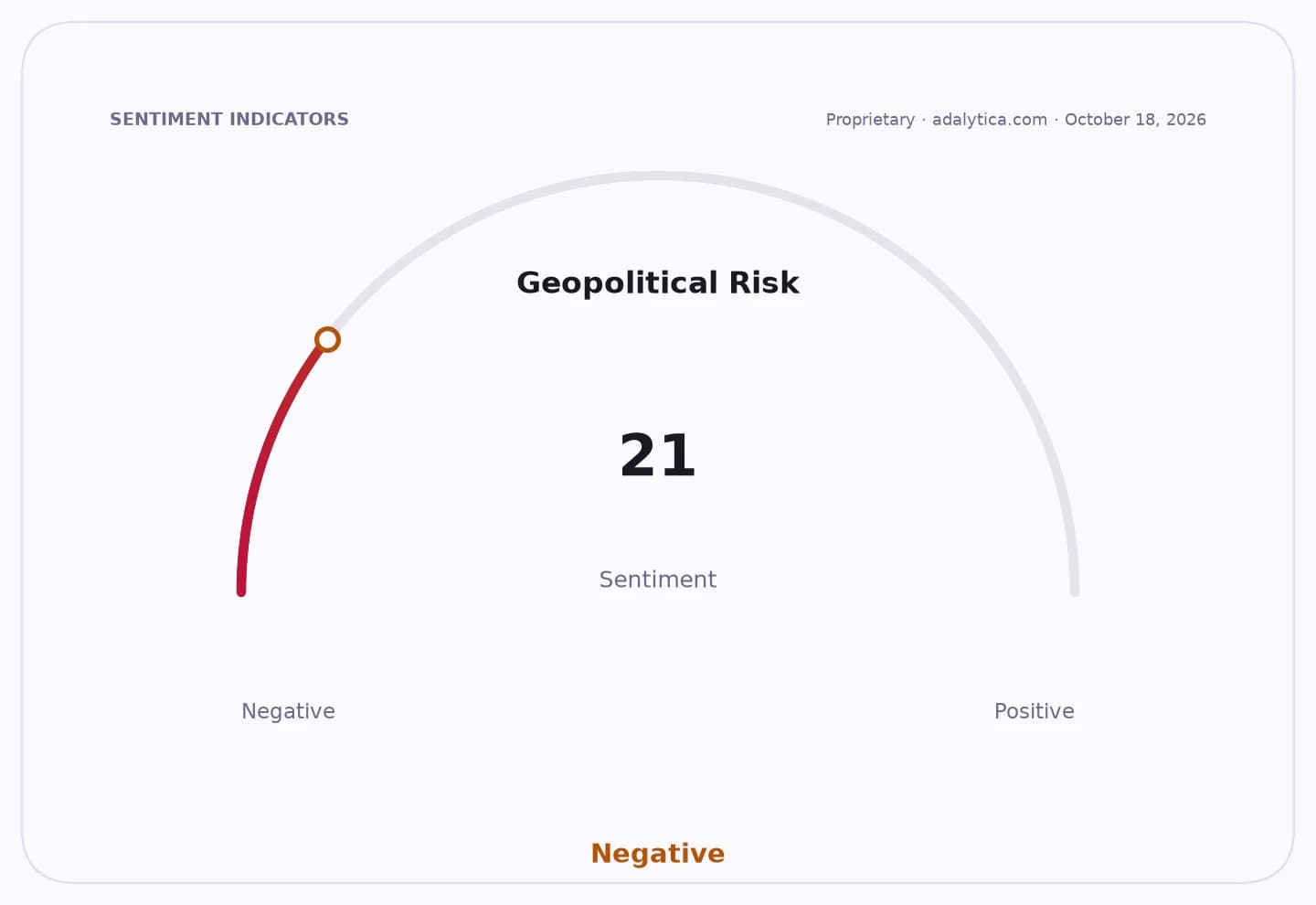
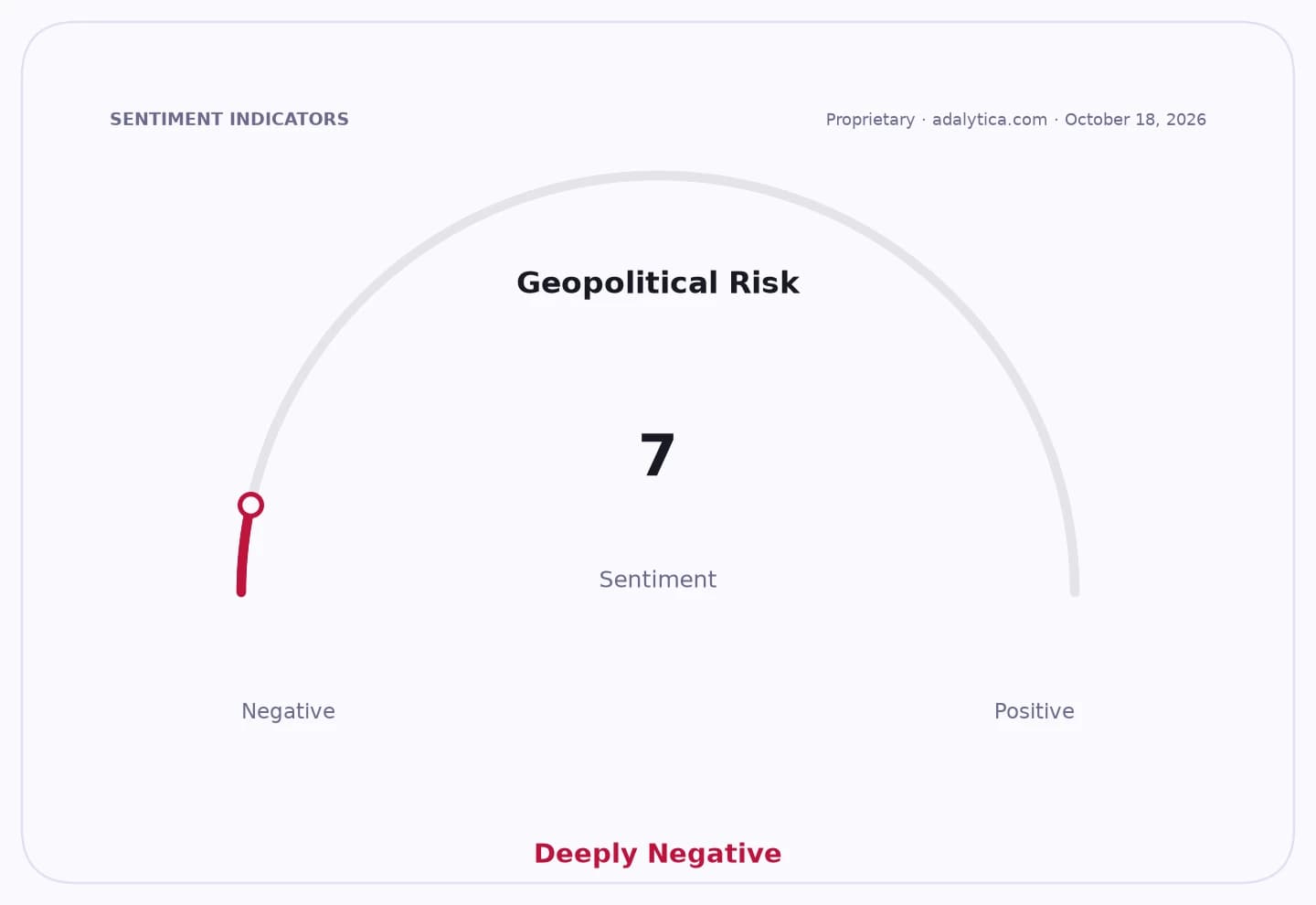
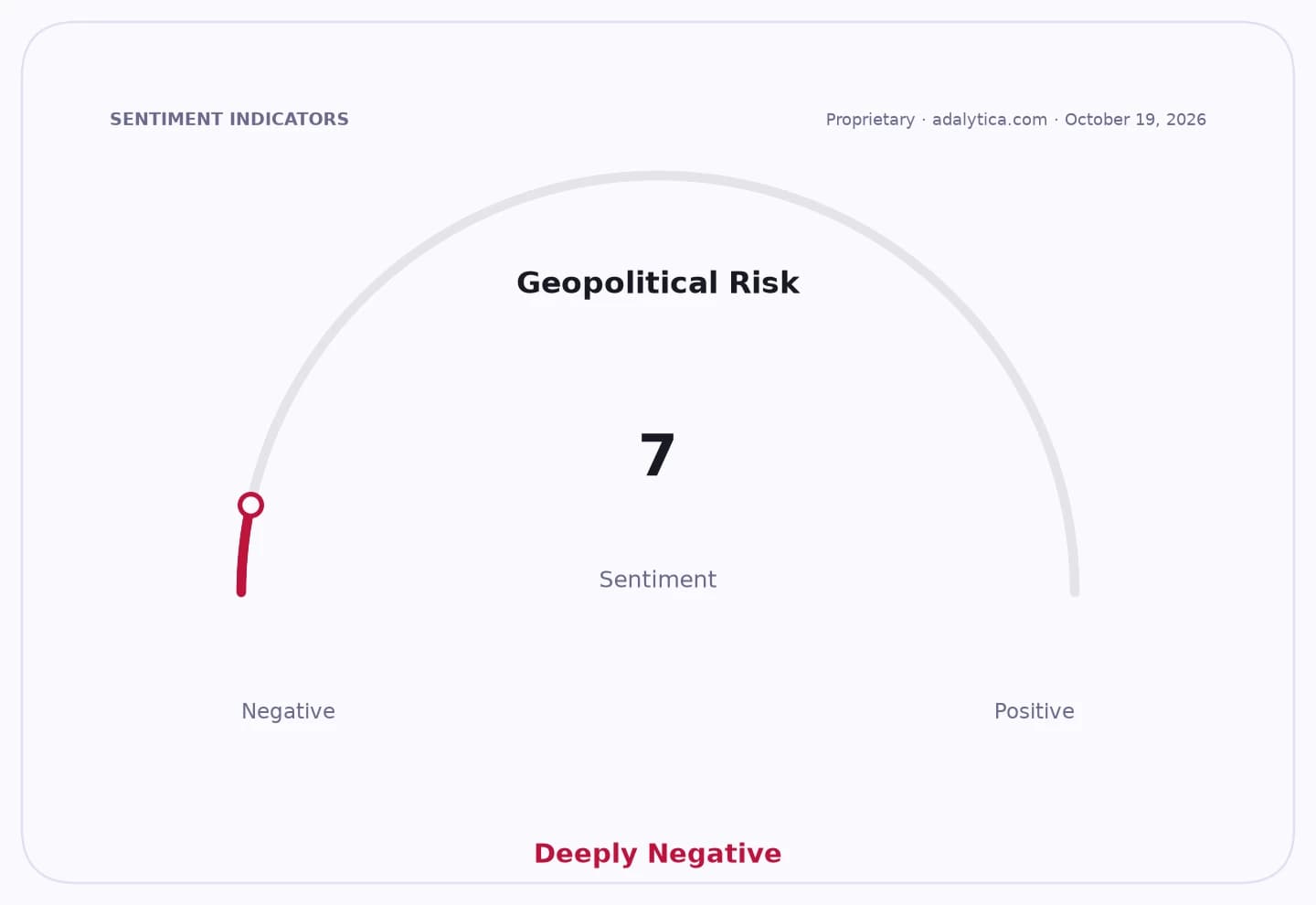
Markets have already been marking that fragility. Adalytica’s Global Stability Sentiment gauge sits at 7.0, in “Extreme Fear,” after a sharp deterioration over the past month, a sign that geopolitical risk is rising rather than fading. That backdrop tends to support defense shares, energy-security themes and safe-haven assets, while weighing on Ukrainian reconstruction plays, regional risk appetite and any assets sensitive to a wider European security shock.
For equities, the immediate read-through is mixed. Defense contractors such as Northrop Grumman and Lockheed Martin continue to benefit from sustained rearmament demand, while the prospect of a ceasefire would eventually remove some urgency from that trade. Ukraine-linked reconstruction hopes would improve if a truce ever took hold, but that would likely come with a slower- moving shift in capital allocation rather than an instant rerating.
Technical positioning across defense names still reflects that tension. Northrop Grumman has rebounded from its October low and has moved back above its 50-day moving average, while Lockheed Martin has also recovered toward that level after a sharp pullback. That suggests investors remain willing to buy dips on the assumption that European and NATO defense spending stays elevated even if diplomacy briefly improves.
The larger narrative is that Zelensky is trying to keep control of the political frame: elections are not off the table, but they are contingent on peace, not pressure. Whether that becomes a credible negotiating path will depend less on Kyiv’s willingness than on whether Moscow is ready to accept a ceasefire long enough to make a vote possible. For investors, the key catalyst is not the election idea itself, but whether it becomes the first real sign of a durable reduction in wartime risk.
| Entity | Gains | Losses |
|---|---|---|
| Ukraine | ▲diplomatic leverage | ▼little immediate security relief |
| Russia | ▲pressure on Kyiv narrative | ▼blame if ceasefire rejected |
| Defense contractors | ▲sustained rearmament demand | ▼softer urgency if truce holds |
| Global investors | ▲clearer ceasefire signal | ▼prolonged geopolitical uncertainty |