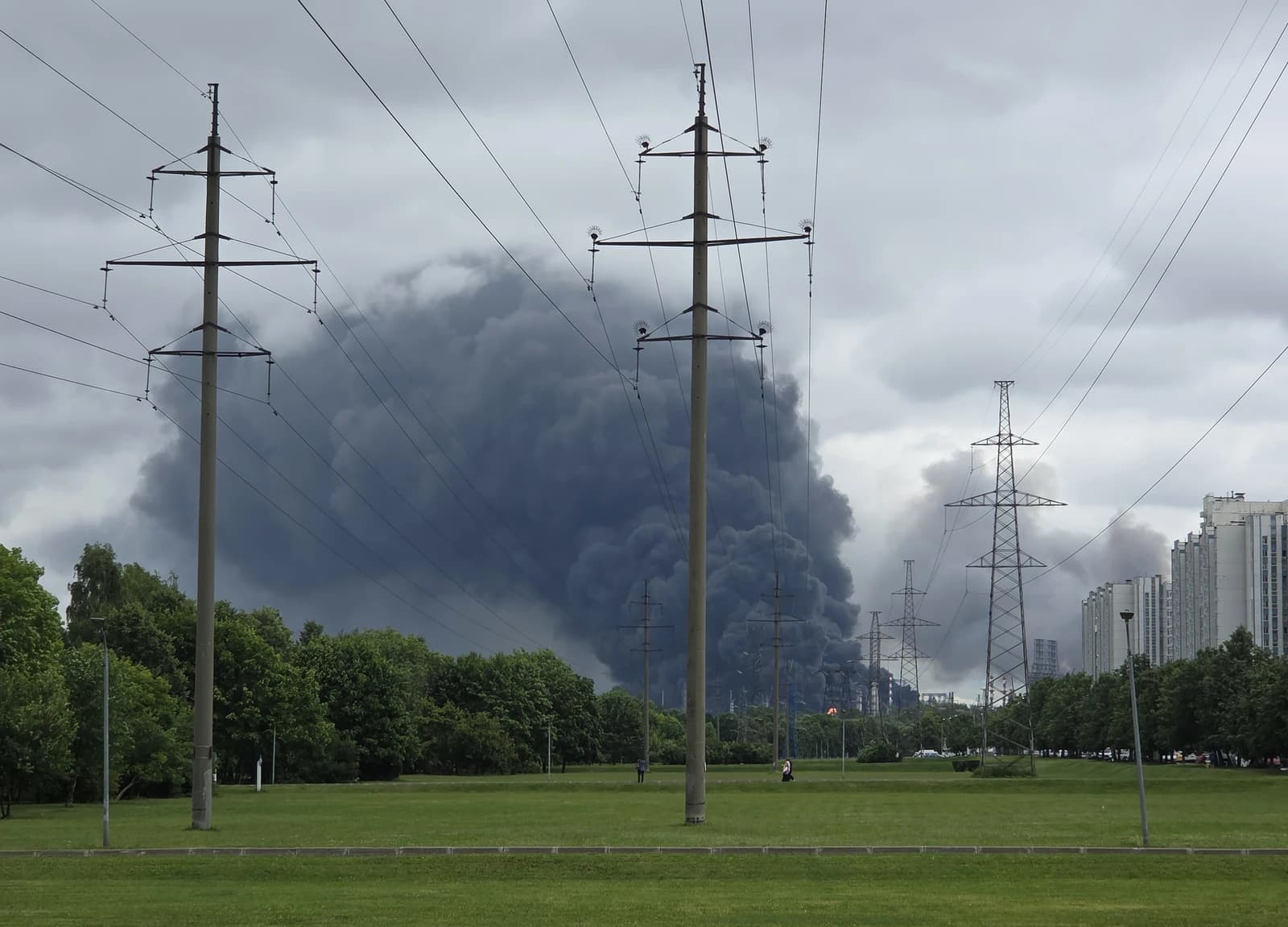
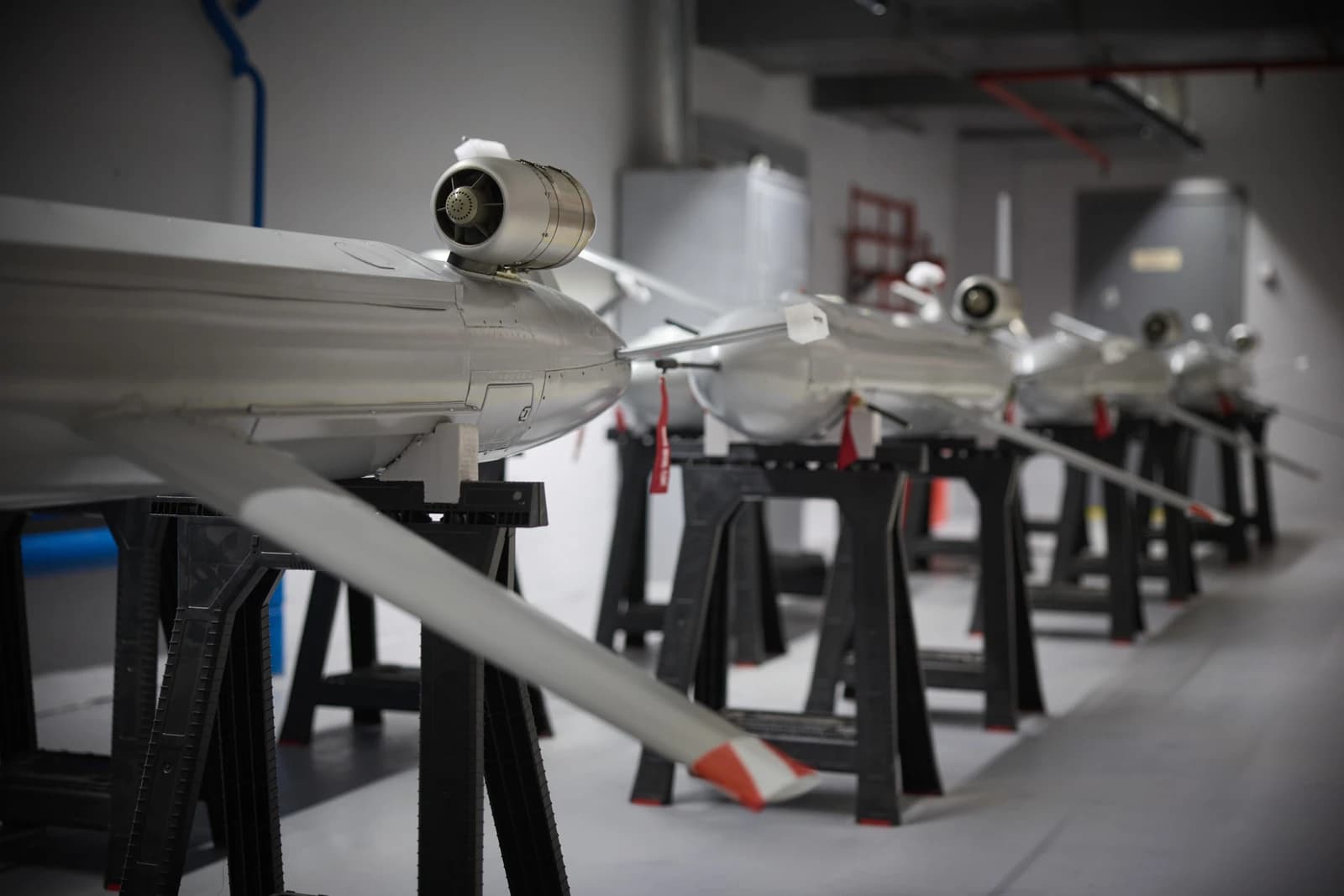
Russia launched 227 drones at Ukraine overnight, a barrage that again strained air defenses and hit energy and civilian infrastructure across three regions, underscoring how the war is increasingly being fought through sustained aerial attacks on the country’s power grid and population centers.
Russia Launches 227 Drones at Ukraine Overnight
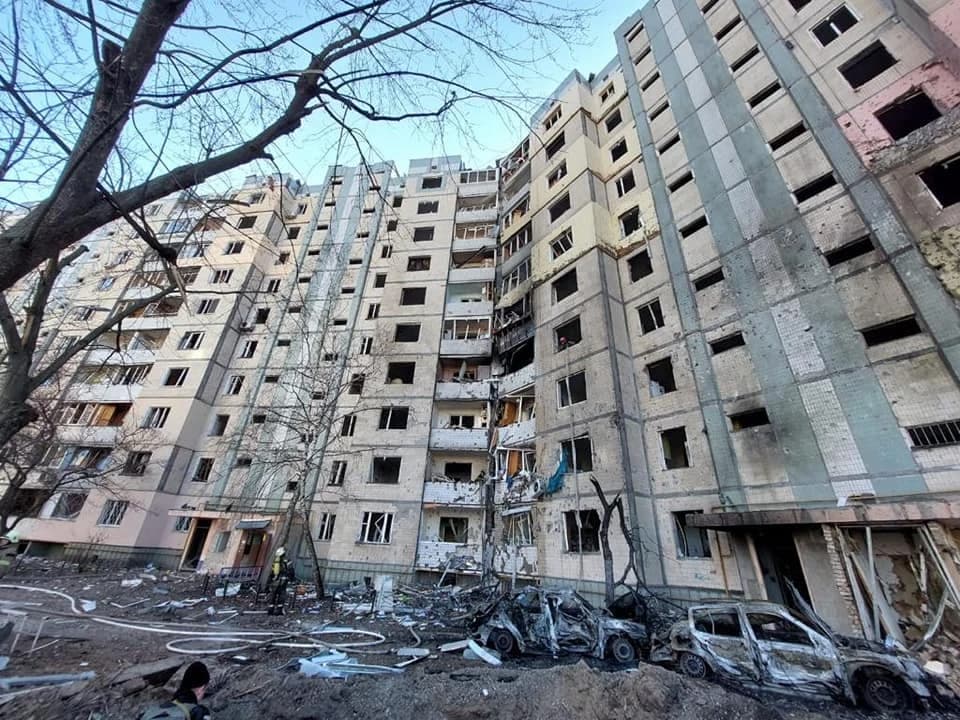
Ukraine’s air force said 196 of the drones were shot down or suppressed, but 14 strikes were confirmed and debris fell at eight other locations. Even with a high interception rate, the scale of the attack was enough to inflict damage in Kyiv, Rivne and Dnipropetrovsk regions, leaving one man dead in Rivne and at least five people injured elsewhere.
Sentiment Indicators
The economic significance is immediate. Repeated drone attacks on energy infrastructure force Ukraine to divert scarce resources toward repair, emergency generation and civil defense, while deepening the strain on households and industry heading into the colder months. Damage to power assets in Kyiv region and other facilities raises the odds of localized outages, higher maintenance costs and more pressure on the government and its international backers to fund grid resilience.
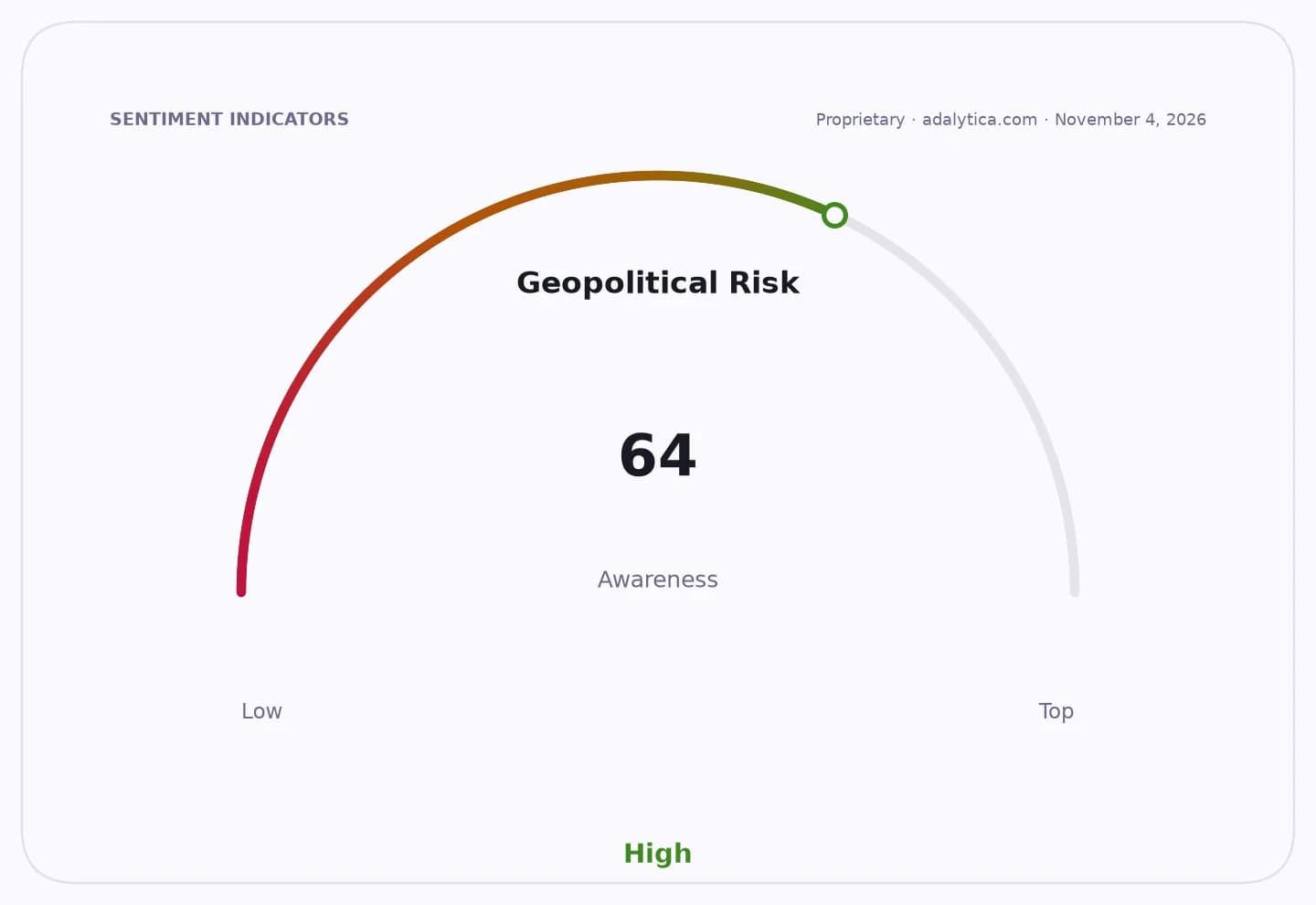
For investors, the market implication is less about direct asset exposure than about the macro risk premium that comes with a longer, harsher war. Each escalation reinforces demand for defensive assets such as gold, which has remained elevated, while keeping geopolitical risk bid in energy markets even when crude itself is not responding strongly in a given session. Oil prices can be held back by broader supply expectations, but the underlying threat to transit routes, refining capacity and regional stability remains a persistent tail risk.
Geopolitical Risk — 30-day sentimentadalytica.com
Explore this data interactively — full history, time series and cross-market comparisons.
The broader narrative is one of attrition through drones. Russia is relying on massed, relatively low-cost aerial weapons to overwhelm defenses, while Ukraine is forced to preserve interceptors and repair damaged infrastructure faster than it is destroyed. That dynamic matters because it keeps the conflict highly disruptive without necessarily producing a clean battlefield breakthrough, prolonging uncertainty for European security, energy markets and sovereign risk across the region.
For now, the key watchpoint is not whether Ukraine can intercept most of the drones, but whether repeated strikes eventually erode grid reliability and civilian resilience enough to carry real economic costs into winter. A continuation of this pattern would likely keep safe-haven demand supported and preserve a premium for assets exposed to geopolitical shocks.
| Entity | Gains | Losses |
|---|---|---|
| Ukraine air defenses | ▲Proves interception capability | ▼Stretched by volume |
| Russian military | ▲Sustains pressure on infrastructure | ▼Consumes drone stockpiles |
| Ukrainian households and industry | ▲— | ▼Power and physical security |
| Gold bulls / safe-haven buyers | ▲Geopolitical bid | ▼— |