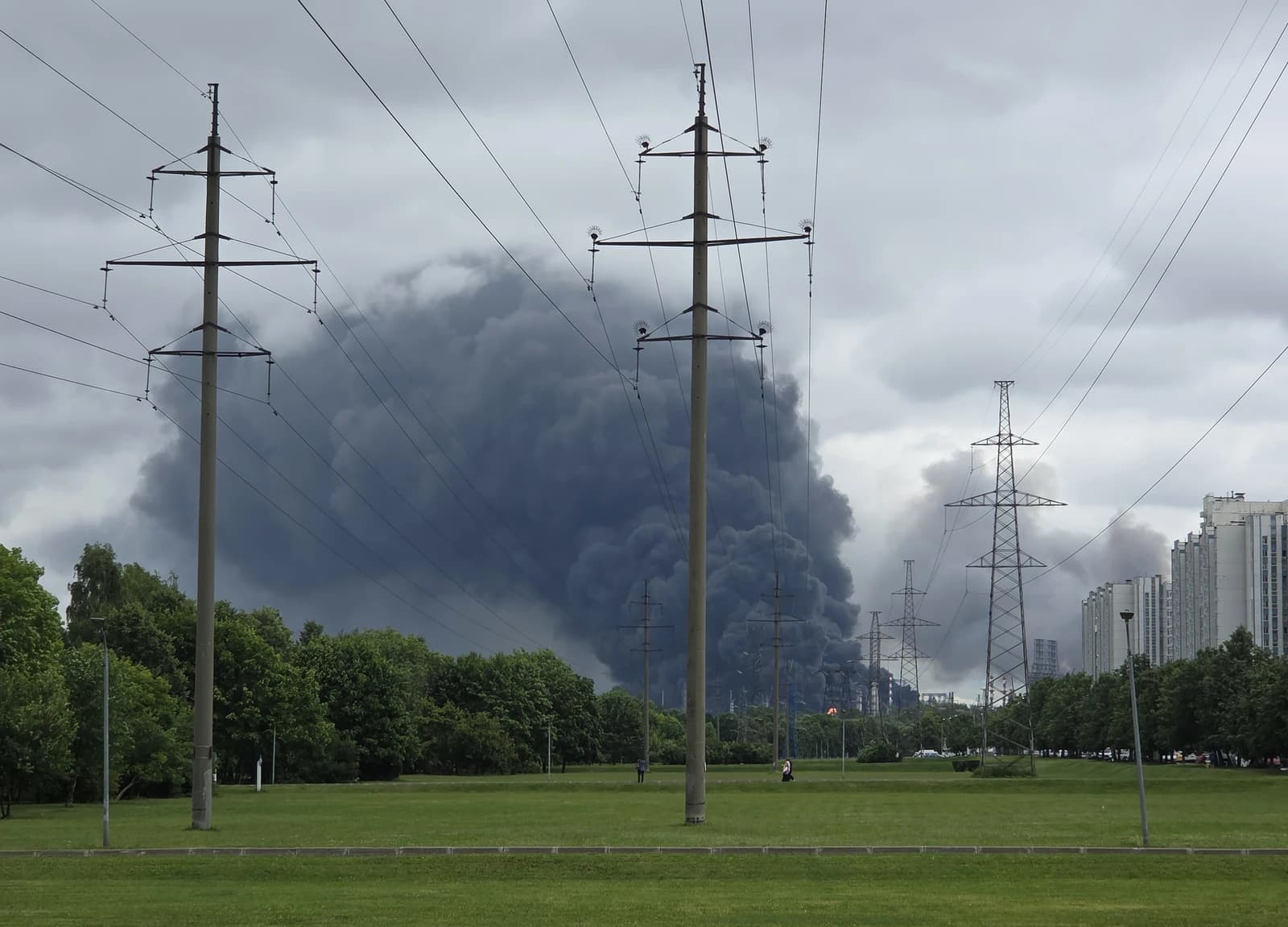
Russia’s latest mass missile attack on Ukraine’s power grid has once again put the country’s energy system in the crosshairs, with Ladyzhyn, Dnipro and the Kryvyi Rih area hit in what looks like a deliberate effort to break supply ahead of the cold season.
Russia hits Ukraine power grid in missile attack
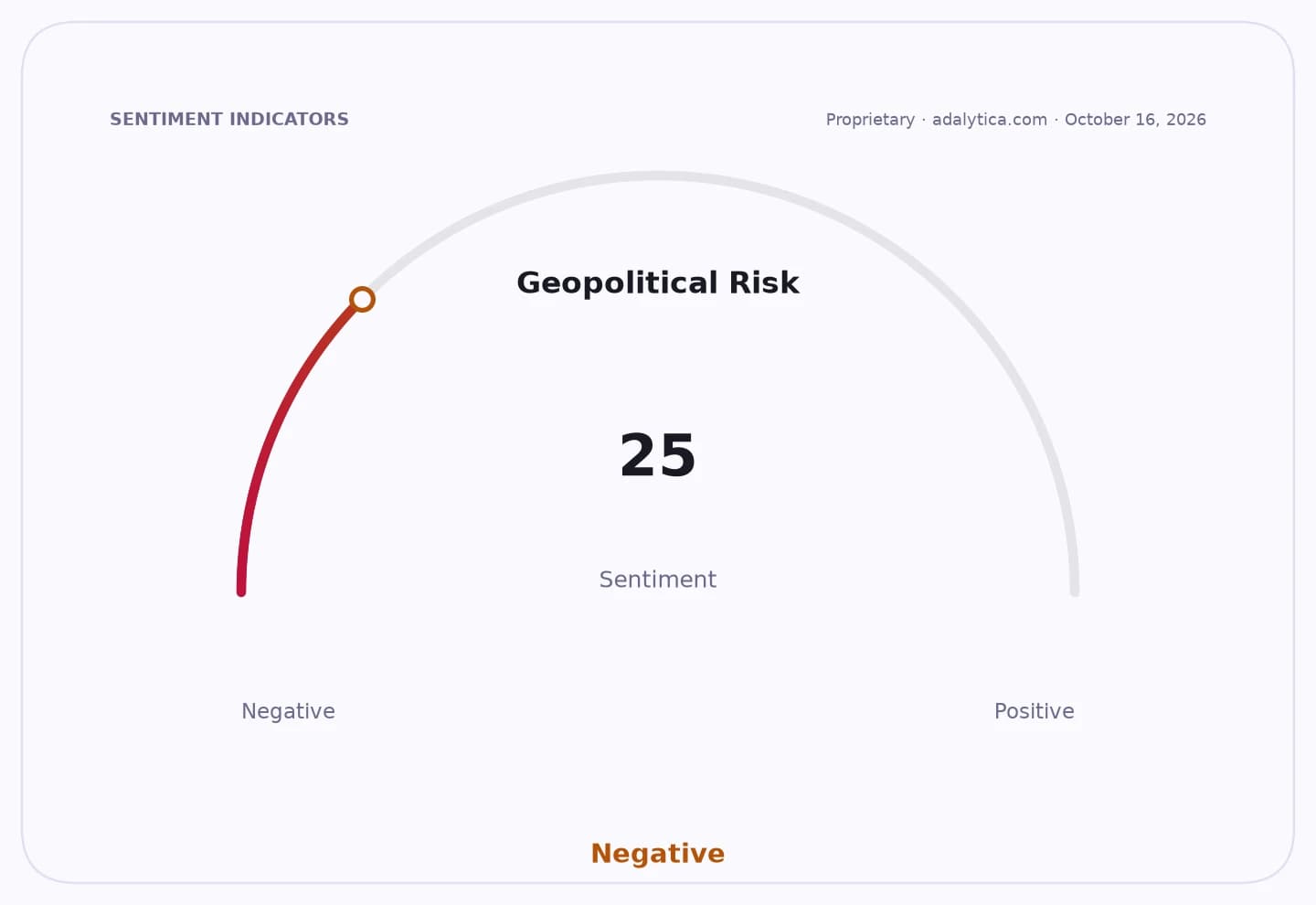
Geopolitical Risk
That matters because energy infrastructure is not just a battlefield target in Ukraine — it is the backbone of household heating, industrial output and emergency resilience. When power plants and substations are knocked out, the economic damage spreads quickly: factories slow, local businesses lose revenue, and utilities are forced to ration electricity or lean harder on emergency imports and repairs.
Sentiment Indicators
According to Ukrainian reports, around 20 cruise missiles were launched toward Ladyzhyn alone, with four more ballistic missiles also reported overnight. Monitors had warned of roughly 40 missiles heading toward western regions, and Ukraine’s air force said air defenses were active. The main targets were said to include the Ladyzhyn and Kryvyi Rih thermal power plants, alongside energy facilities in Dnipro. The scale of the attack and the use of both cruise and ballistic weapons underline how Moscow is still treating Ukraine’s power grid as a strategic lever, not just a military one.
For investors, the immediate market relevance is less about a direct tradeable earnings hit than about what repeated infrastructure attacks do to broader risk sentiment. Every major strike raises the odds of another round of emergency spending on repairs, grid reinforcement and imported equipment. That supports the long-term case for companies tied to power infrastructure, backup generation, cables, transformers and energy security, while keeping pressure on sectors exposed to regional instability, especially industrial production and logistics in Ukraine.
Geopolitical Risk — 30-day sentimentadalytica.com
Explore this data interactively — full history, time series and cross-market comparisons.
There is also a wider macro angle. Ukraine’s energy system has already been strained by earlier damage, and fresh attacks increase the chance of localized outages and reduced output from thermal generation. That can ripple into the economy through higher operating costs, weaker industrial throughput and greater reliance on foreign support. Norway’s recent $54 million pledge to Ukraine’s energy sector is one more reminder that the country’s grid is being propped up as much by allies as by domestic capacity.
For long-term investors, the key takeaway is that war-related infrastructure risk in Eastern Europe is still elevated, and it will stay elevated as long as power assets remain a military target. In the near term, that means more volatility for the region and more demand for resilience spending. Over several years, it also reinforces the investment case for energy security themes — from grid hardening to decentralized power and emergency repair supply chains. This is a story worth watching, not trading around.
| Entity | Gains | Losses |
|---|---|---|
| Ukraine energy suppliers and repair firms | ▲More reconstruction demand | ▼Asset damage and outages |
| Ukraine households and factories | ▲Longer-term grid upgrades | ▼Immediate power losses |
| European energy-security contractors | ▲Higher spending on resilience | ▼Elevated geopolitical risk |
| Russia’s military strategy | ▲Pressure on Ukraine’s grid | ▼Greater international condemnation |