Russia and Ukraine have stepped up strikes on each other’s energy systems just days before U.S.-brokered peace talks in Abu Dhabi, raising the economic stakes of a conflict that is again targeting power supply, fuel output and winter resilience.
Russia, Ukraine step up energy strikes before talks
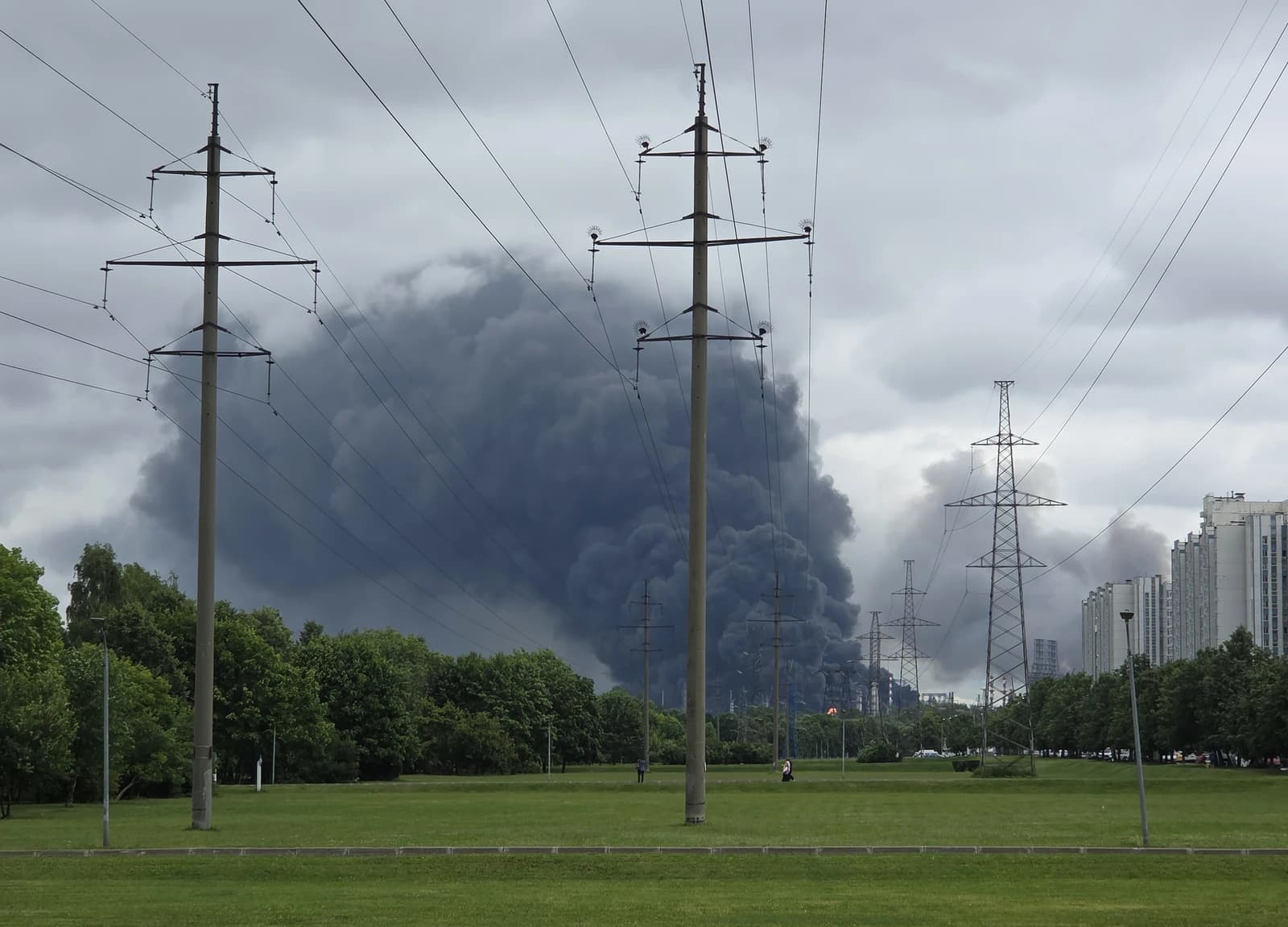
The latest round of attacks underscores that energy infrastructure remains one of the war’s most powerful pressure points. For Ukraine, outages across nine regions and damage to generation and substations threaten electricity supply heading into the heating season. For Russia, reported drone strikes on the Yaroslavl-region Yanos refinery put fresh pressure on domestic fuel flows around Moscow, a reminder that both sides are now trying to shape the negotiating table with escalation rather than restraint.
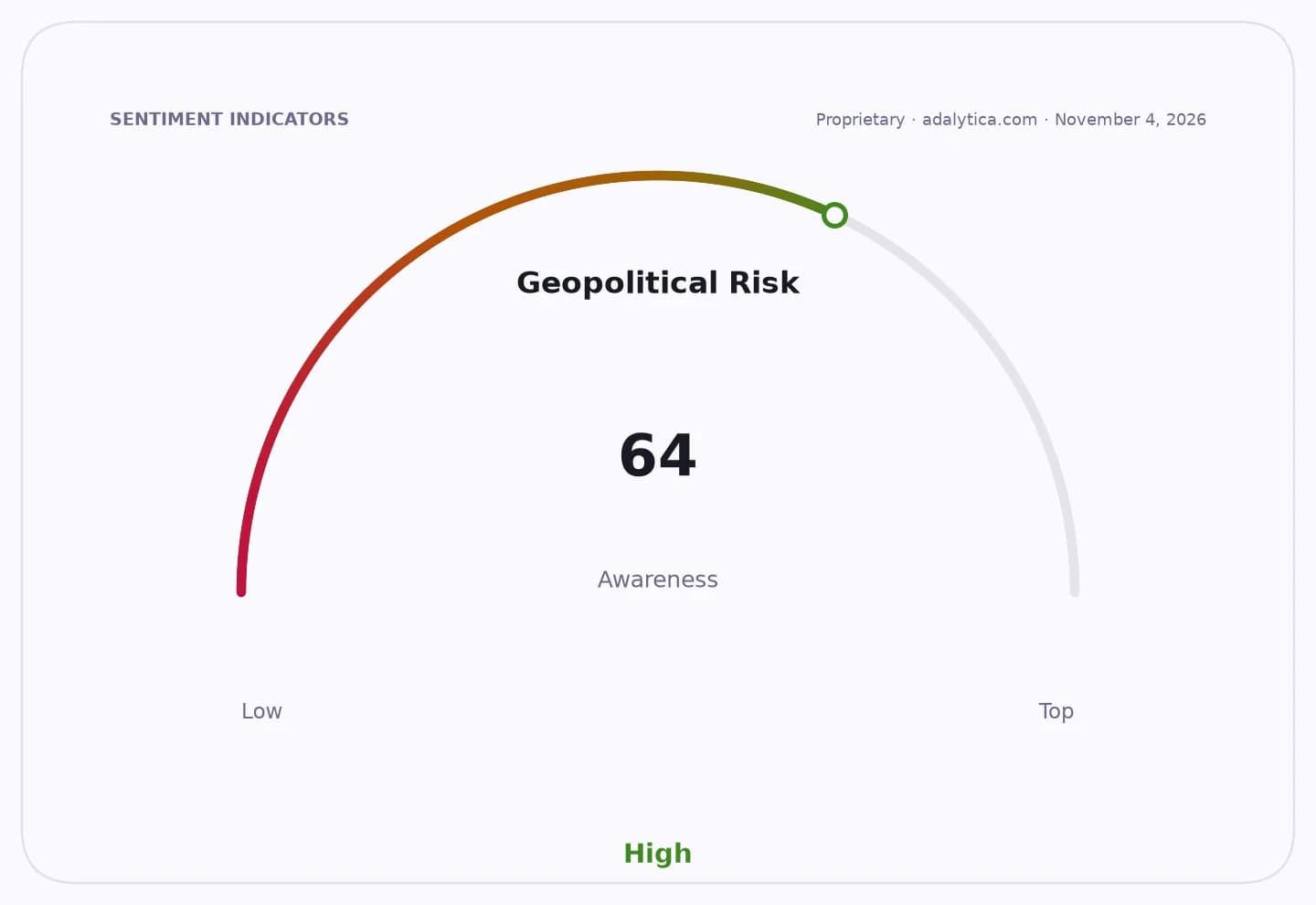
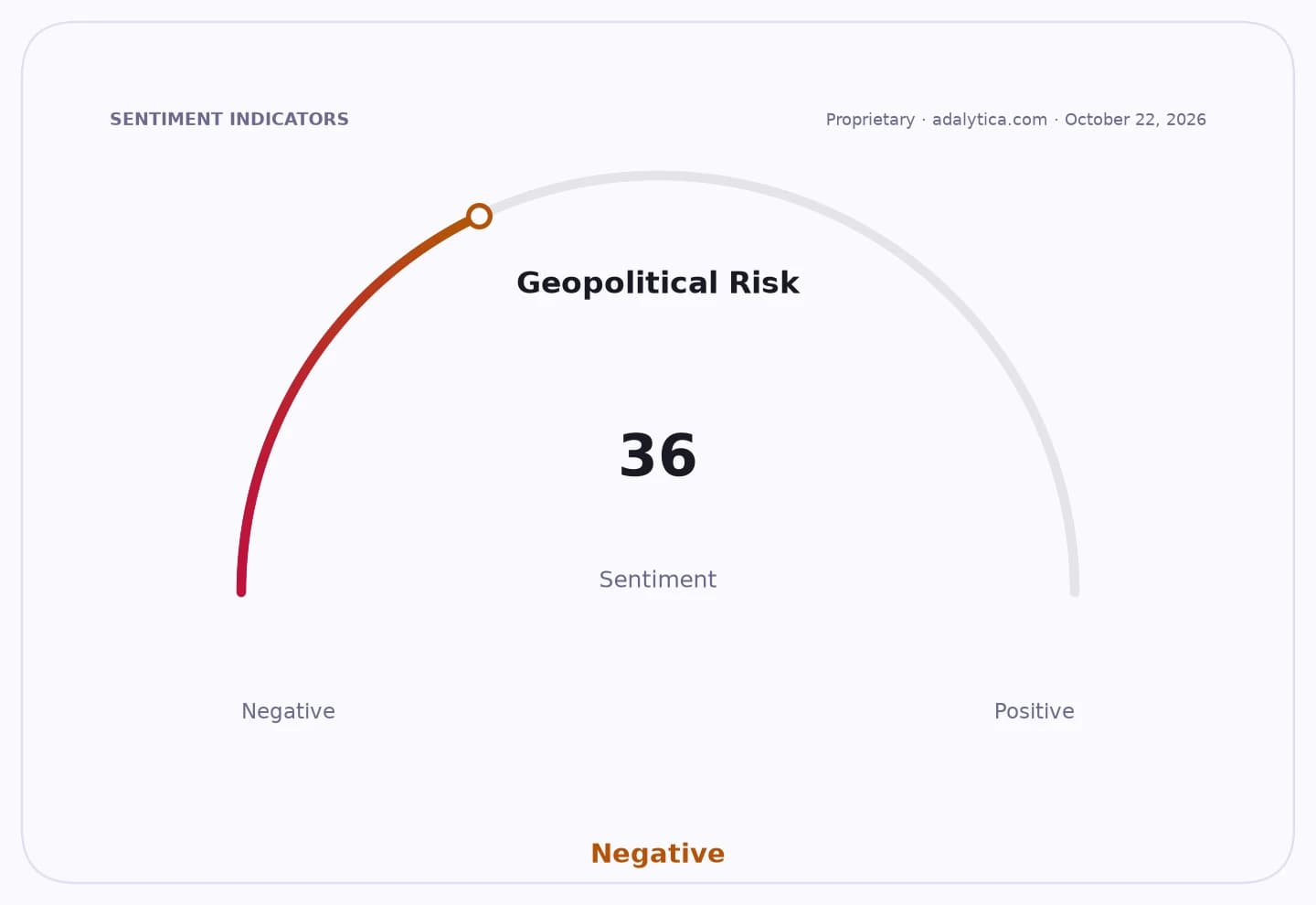
Sentiment Indicators
Geopolitical Risk
Ukraine said Russia launched 289 attack drones, 17 ballistic missiles and 59 cruise missiles overnight, while Moscow said it targeted Ukrainian energy facilities in a large-scale strike. Kyiv said power plants and substations in regions including Odesa, Kharkiv, Cherkasy and Zhytomyr were hit, triggering emergency blackouts. In Kharkiv, a municipal hospital was struck and dozens were injured. Ukraine also said the barrage came after President Volodymyr Zelenskiy warned that Russia was preparing a new wave of attacks.
The timing matters because the fighting is feeding directly into the economics of the region. Damage to electricity networks raises emergency repair costs, disrupts industrial activity and risks deeper shortages for households and businesses in Ukraine. It also increases demand for backup power, imported fuel and reconstruction funding, all while making the country more dependent on Western support.
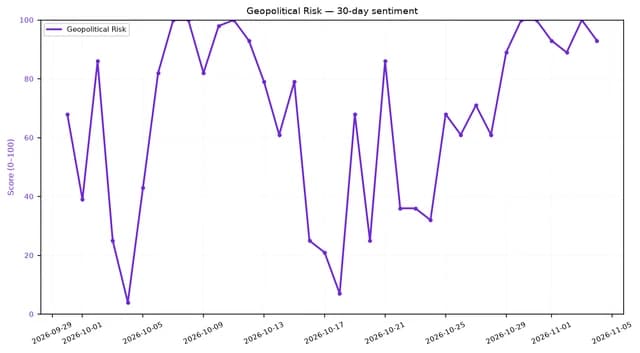
Energy markets are already sensitive to the conflict. U.S. crude futures briefly reflected the renewed geopolitical risk before easing, while the Energy Select Sector SPDR ETF and United States Oil Fund remain well above their long-term moving averages despite the latest pullback. The broader backdrop is still one of elevated geopolitical risk, with Adalytica’s Global Stability Sentiment reading in “Extreme Greed,” a sign markets are not pricing in full escalation even as the war’s energy front intensifies.
The next catalyst is the Abu Dhabi meeting on Nov. 10-11, where territorial disputes in Donbas and battlefield leverage are likely to dominate. Unless the talks produce a ceasefire framework, both sides appear set to keep using energy assets as bargaining chips, prolonging risks for regional infrastructure, fuel supplies and commodity prices.
| Entity | Gains | Losses |
|---|---|---|
| Russia | ▲Negotiating leverage | ▼Fuel infrastructure security |
| Ukraine | ▲Diplomatic urgency | ▼Power supply and grid stability |
| Oil markets | ▲Geopolitical risk premium | ▼Price stability |
| Consumers and businesses | ▲None | ▼Higher energy costs |