The Gulf Cooperation Council is pressing Russia to help ease Middle East tensions by urging Iran to stop attacks on Gulf states, a diplomatic push that underscores how quickly regional violence can feed into oil prices, shipping routes and global inflation expectations.
GCC Urges Russia to Press Iran on Gulf Attacks
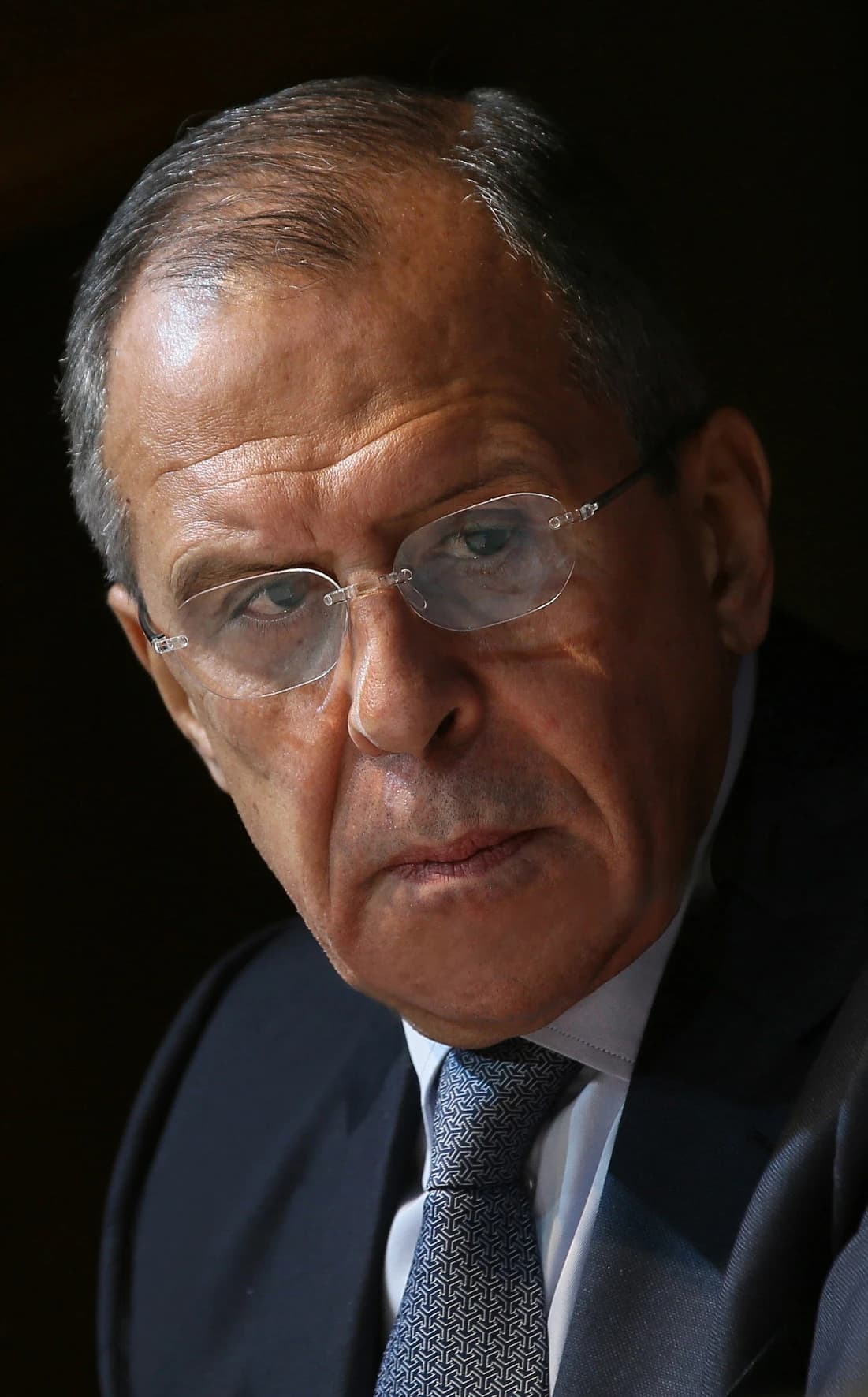
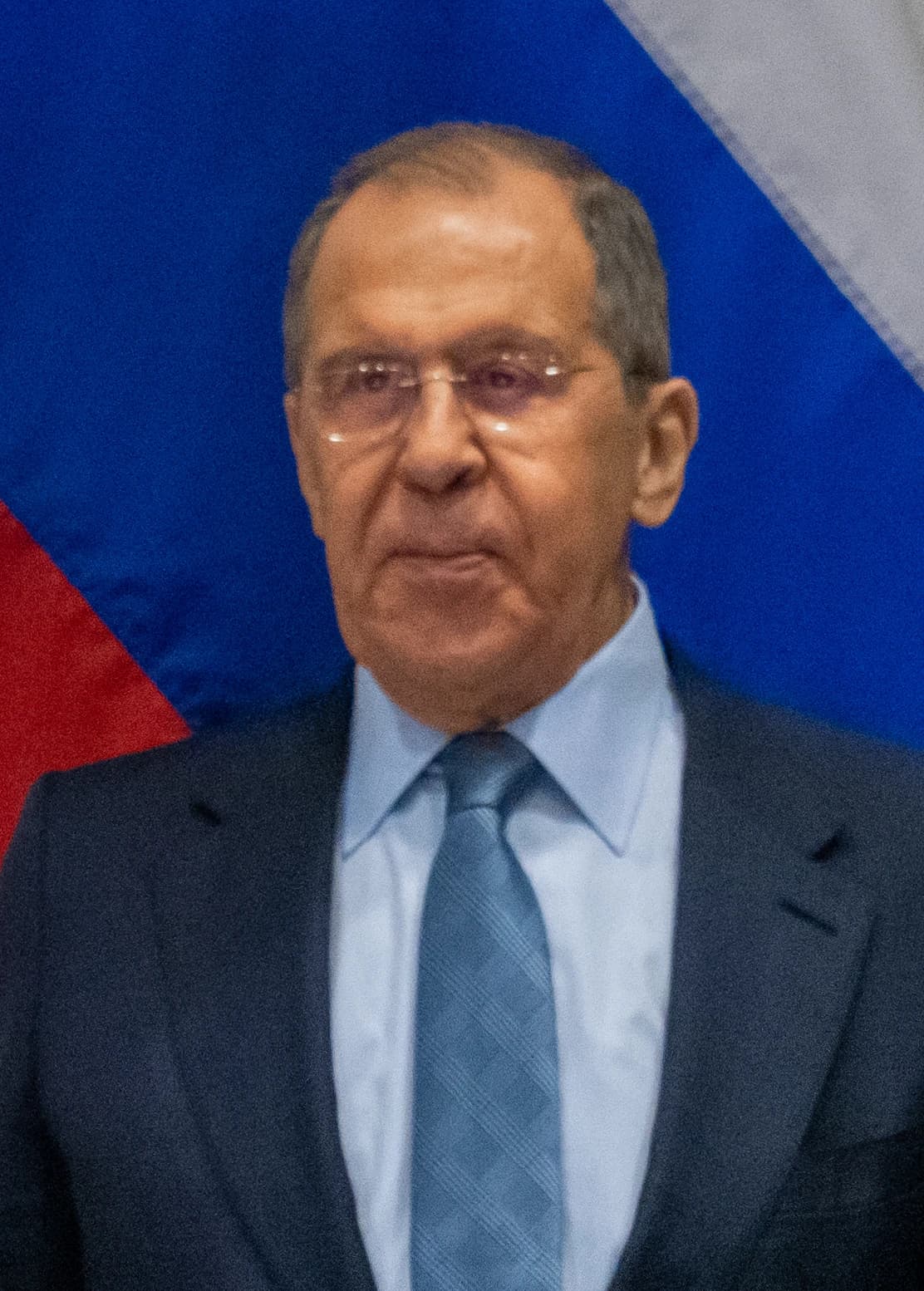
GCC Secretary General Jasem Mohamed Albudaiwi called on Moscow to use its ties with Tehran to halt missile and drone strikes, respect freedom of navigation and return to dialogue, according to remarks at a strategic meeting in Manama with Russia’s foreign minister, Sergei Lavrov. The appeal comes as Gulf states warn that attacks attributed to Iran and its allies are no longer a bilateral security issue but a broader economic risk.
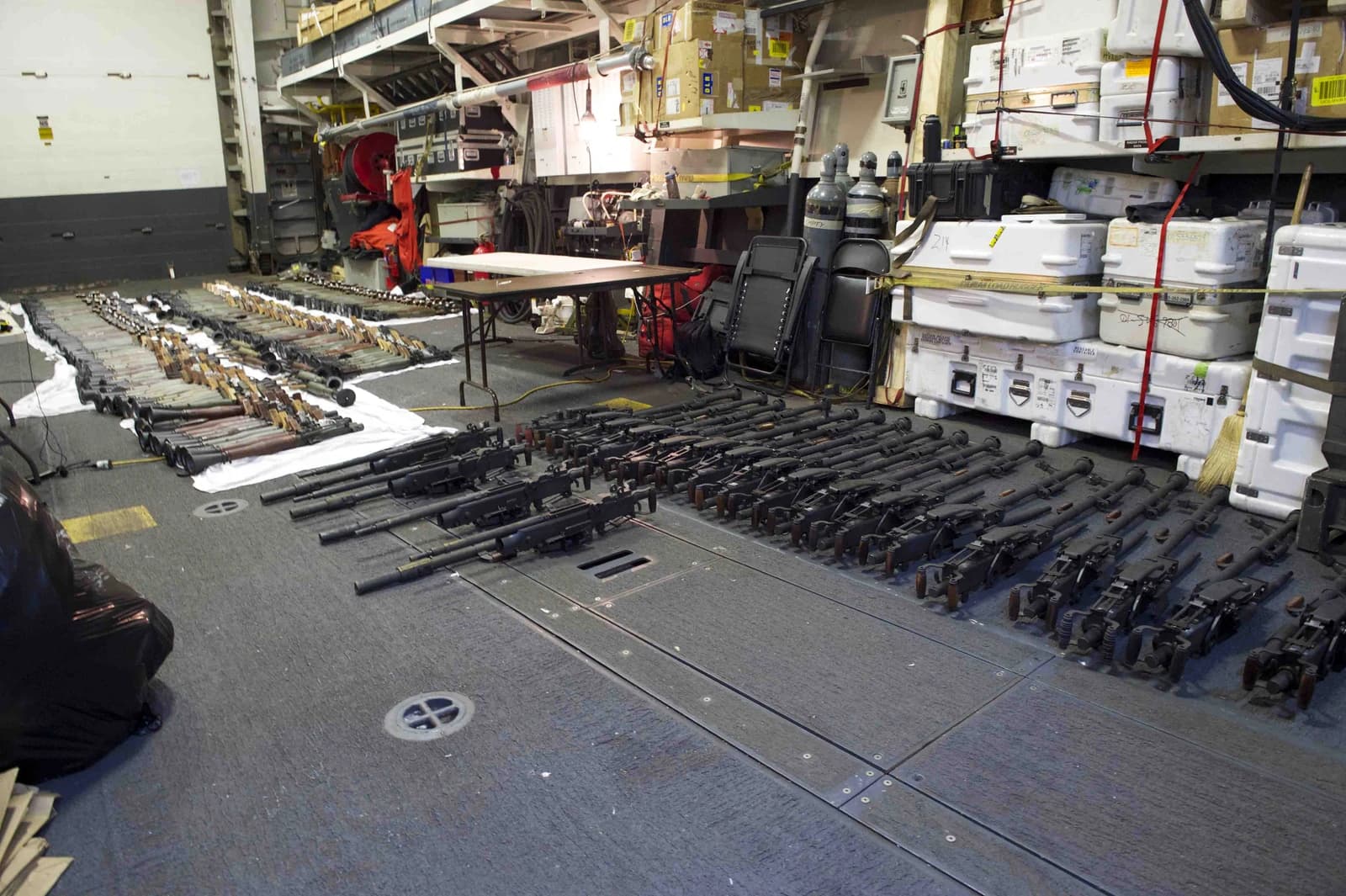
Albudaiwi said GCC members have faced more than 7,000 ballistic missiles and drones since Feb. 28, targeting airports, ports, power plants, desalination facilities and energy infrastructure. He also flagged Houthi strikes in Yemen, including an attack on Riyadh’s King Khalid International Airport that the briefing said killed 12 people and injured more than 300.
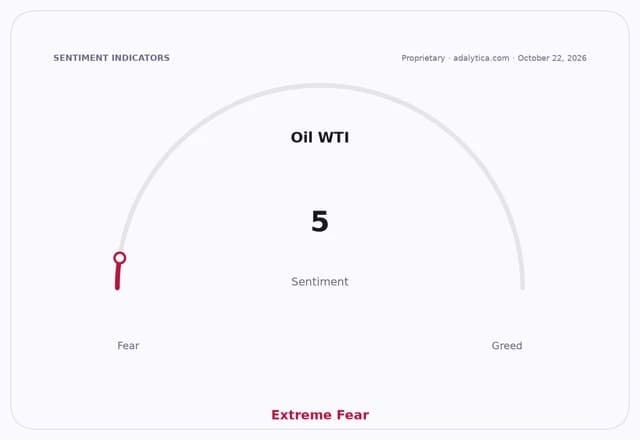
For markets, the immediate concern is supply risk. Any disruption to the Strait of Hormuz, Bab al-Mandab or the Red Sea can tighten crude flows, raise tanker insurance costs and add a fresh inflation impulse just as energy markets remain sensitive to geopolitical shocks. WTI futures have already been elevated, with the Adalytica Oil WTI Trade Signals gauge showing “extreme fear,” while USO, the oil ETF, closed at $67.57 on Oct. 22 after trading above its 50-day average and holding well above its 200-day moving average.
Geopolitical Risk vs USOadalytica.com
Explore this data interactively — full history, time series and cross-market comparisons.Open AlphaPulse
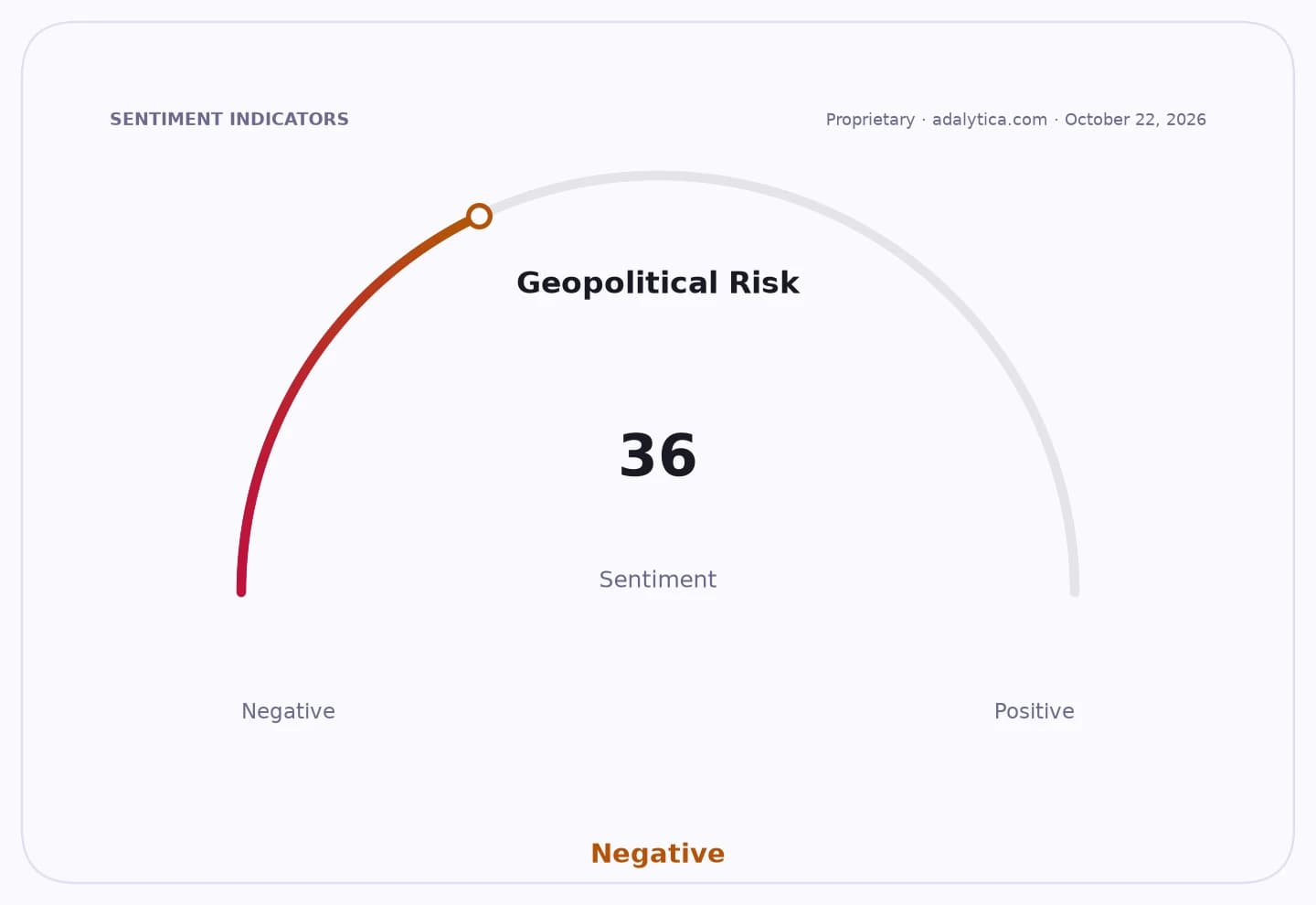
The broader backdrop is one of rising risk aversion rather than calm. Adalytica’s Global Stability Sentiment gauge sits at 36, in neutral territory, but with “extreme fear” awareness and a steep one-day drop, indicating investors are still pricing geopolitics as a live market variable. Oil is the clearest transmission channel, but the same tensions can ripple into shipping, fertilizers, grains and airline costs.
The GCC statement also adds pressure on Russia, which remains a key player in Middle East diplomacy and energy markets. Moscow’s response will matter for whether the conflict stays contained or continues to threaten the Gulf’s export hubs and the global shipping lanes that carry much of the world’s oil and goods.
| Entity | Gains | Losses |
|---|---|---|
| Gulf Cooperation Council | ▲Diplomatic backing; security alignment | ▼Exposure to cross-border strikes |
| Russia | ▲Leverage in regional diplomacy | ▼Pressure to rein in Iran |
| Iran and allied groups | ▲None if attacks continue | ▼Isolation; higher international pressure |
| Oil producers and shippers | ▲Higher risk premium | ▼Disruption risk; higher insurance and transport costs |