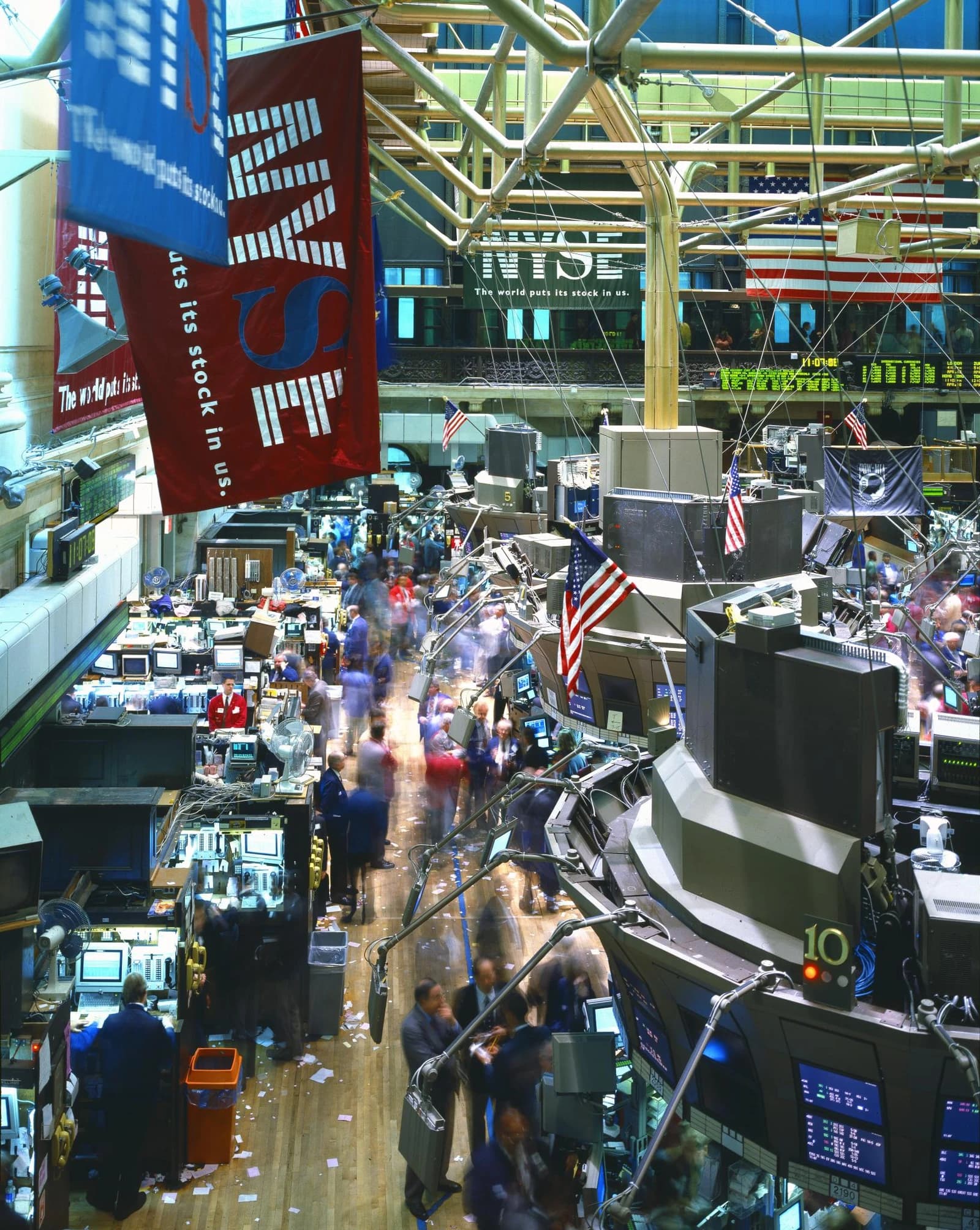
Sergey Lavrov’s trip to Tehran puts Russia in the role of would-be mediator at a moment when tensions between the United States and Iran are already feeding into higher oil prices, shipping risk and a rush into defensive assets.
Russia Lavrov Tehran Trip on Iran Oil Risk
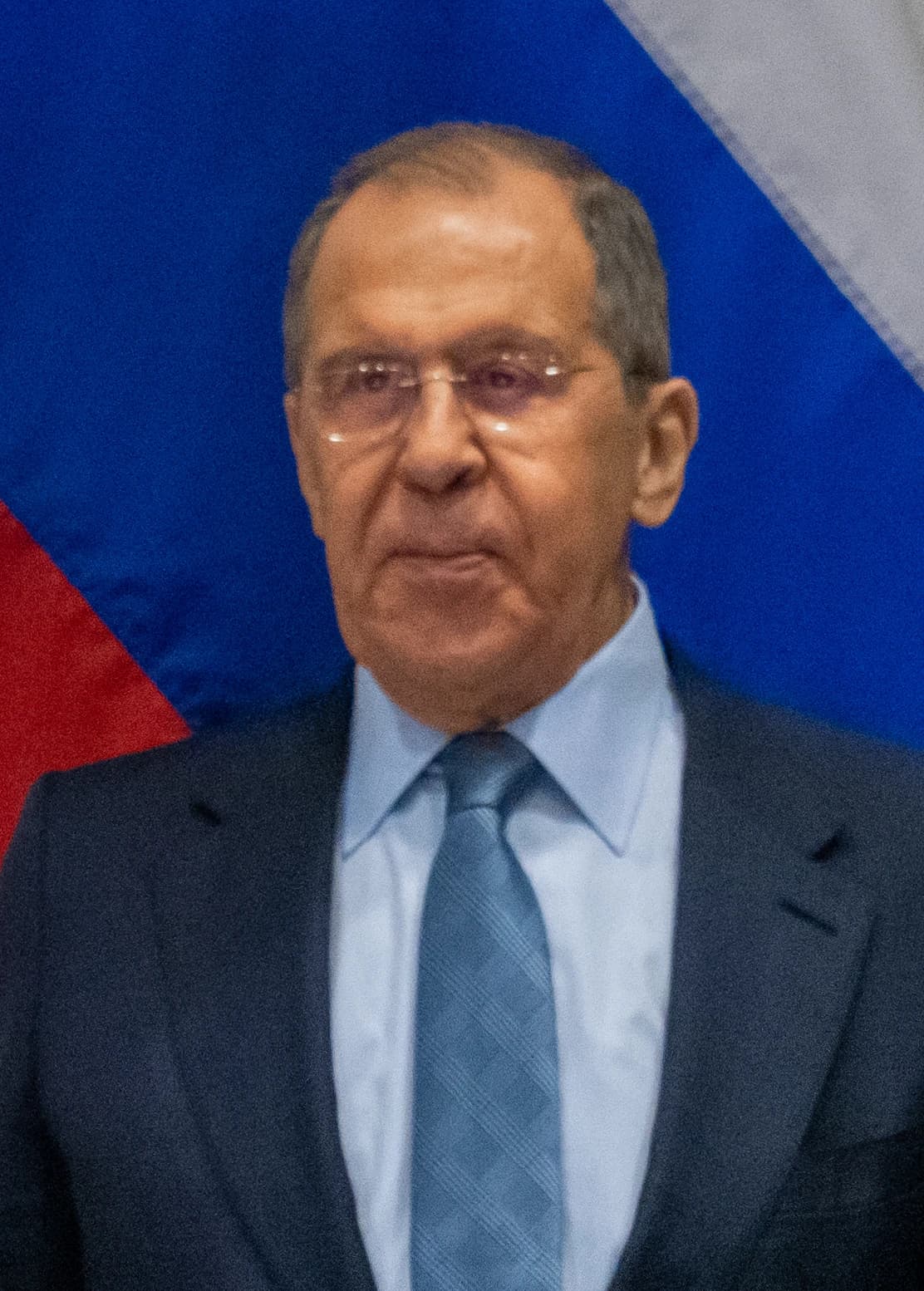
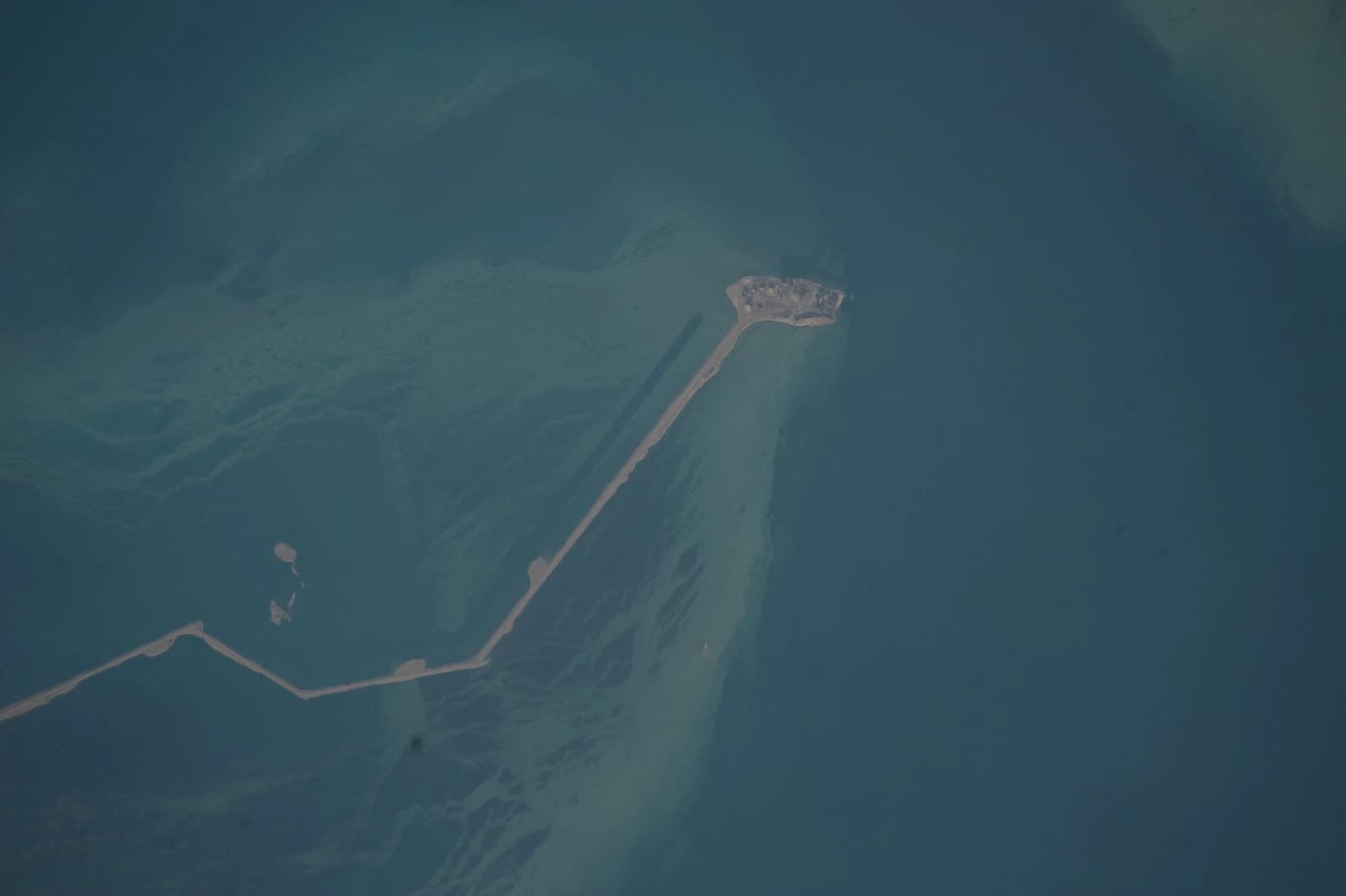
The Russian foreign minister is expected to outline steps Moscow says are aimed at de-escalating regional tensions caused by the US and Israel, while also briefing Iranian officials on his talks with Gulf Cooperation Council members in Bahrain. The timing matters because the confrontation around Iran has already pushed fuel markets higher and worsened logistics fears around the Strait of Hormuz, one of the world’s most important oil transit routes.
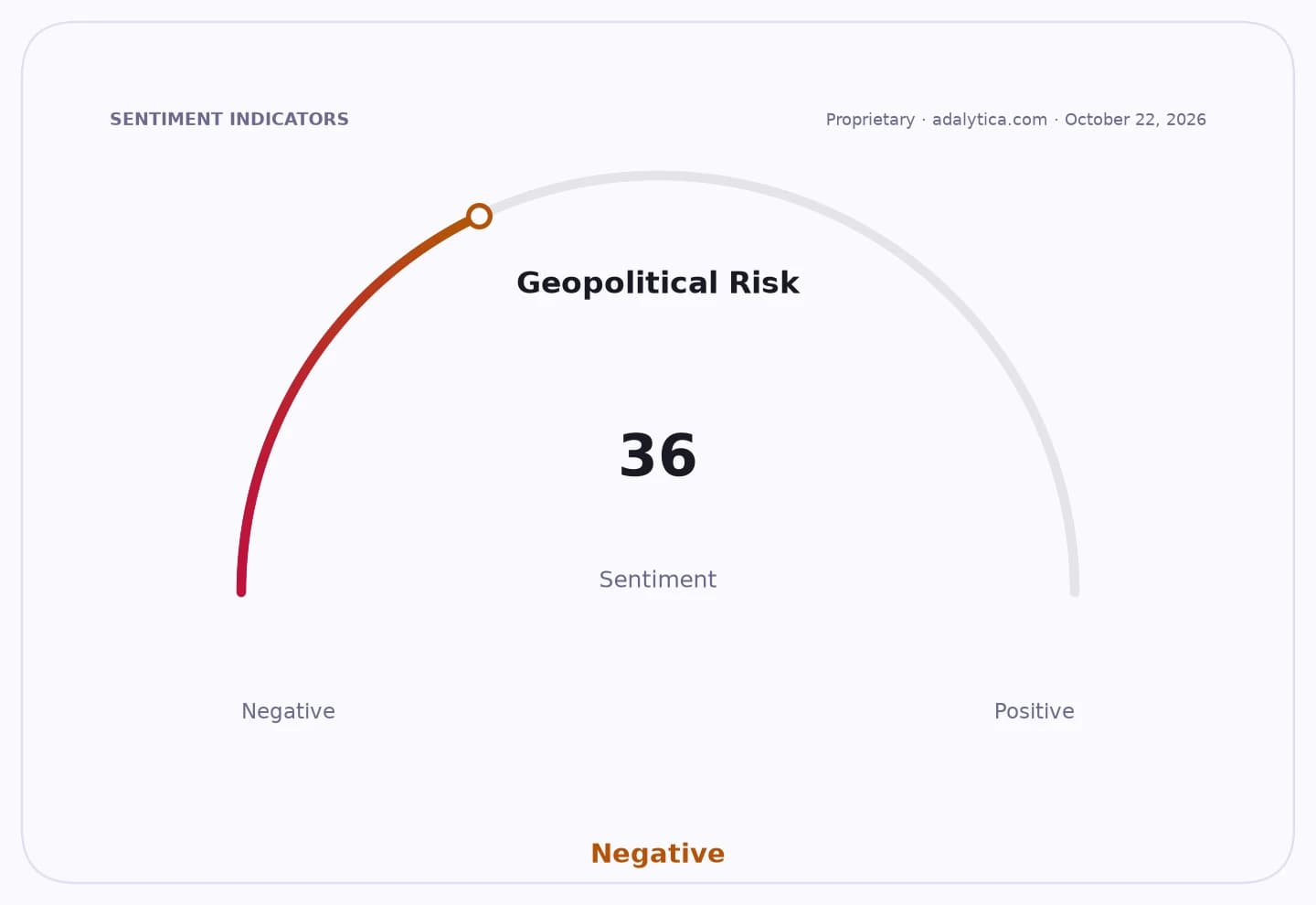
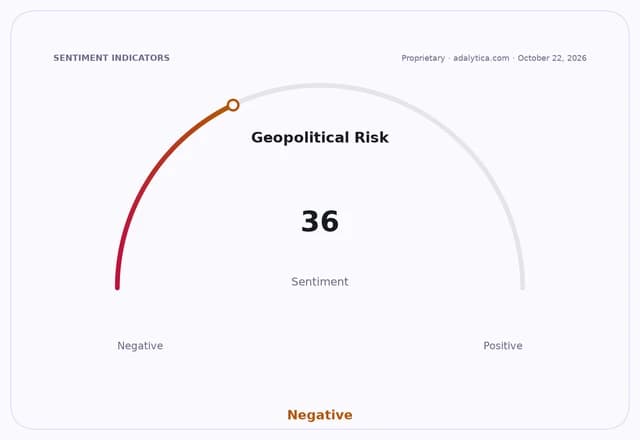
Sentiment IndicatorsⓘProprietary · adalytica.com · October 22, 2026
This is a snapshot — live sentiment, awareness and momentum for 130+ markets update continuously in the dashboard.Open AlphaPulse
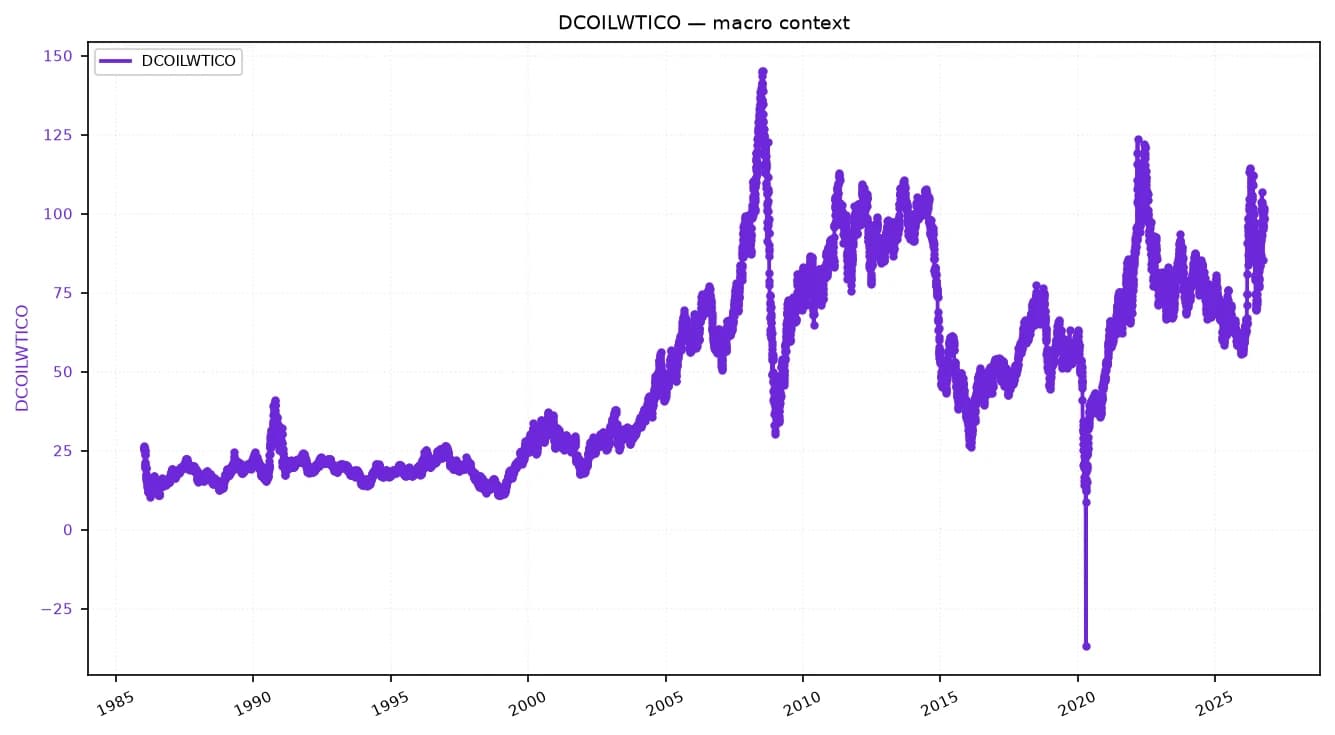
That backdrop has helped keep energy prices elevated and volatility high across commodities. The United States Oil Fund, which tracks crude, rose to $162.67 on Oct. 22, up from $159.80 the previous day and well above its 50-day moving average of $145.58, with a 14-day RSI of 77.3, a level that typically points to overbought conditions. The Energy Select Sector SPDR Fund closed at $67.57, also near its recent highs and above both its 50-day and 200-day moving averages.
Gold has also been bid as investors look for protection from geopolitical shock. The SPDR Gold Shares ETF fell to $369.17 on Oct. 22 from $378.95 a day earlier, but it remains close to its recent trading range after a sharp year-long rally, underscoring continued demand for havens even as short-term price swings widen.
Geopolitical Risk — 30-day sentimentadalytica.com
Explore this data interactively — full history, time series and cross-market comparisons.Open AlphaPulse
The stakes are broader than commodity prices. Any sustained disruption in Hormuz would tighten global fuel supplies, add to freight costs and complicate inflation forecasts just as central banks and governments remain sensitive to energy-driven price shocks. Russia, meanwhile, has an incentive to position itself as a stabilizing power while also preserving its own influence with Tehran and Gulf states.
For investors, the immediate read-through is to watch crude-linked assets, energy equities and safe-haven trades for more swings as diplomatic efforts unfold. The next catalyst will be whether Lavrov’s talks produce any concrete channel for restraint or whether the market keeps treating the conflict as a chronic risk rather than a one-off headline.
| Entity | Gains | Losses |
|---|---|---|
| Russia | ▲Regional influence | ▼Diplomatic leverage if talks fail |
| Iran | ▲Support from Moscow | ▼Pressure if de-escalation stalls |
| Oil producers | ▲Higher crude prices | ▼Demand hit from prolonged shock |
| Consumers/importers | ▲Lower risk if tensions ease | ▼Higher fuel and freight costs |