The Trump administration has imposed fresh Iran-related sanctions on 16 individuals and 10 entities, deepening its campaign to choke off Tehran’s access to cash, banks and overseas commercial channels at a time when Middle East shipping risk is already elevated.
Iran sanctions deepen as Hormuz shipping risk rises

The measures matter because Iran’s ability to move money and sell oil hinges on a patchwork of foreign intermediaries, front companies and regional financial links. Treasury also targeted Cuba’s Banco Internacional de Comercio and an Iraq-based investment and finance bank for allegedly helping keep Iranian financial channels open, broadening the pressure beyond Iran itself.
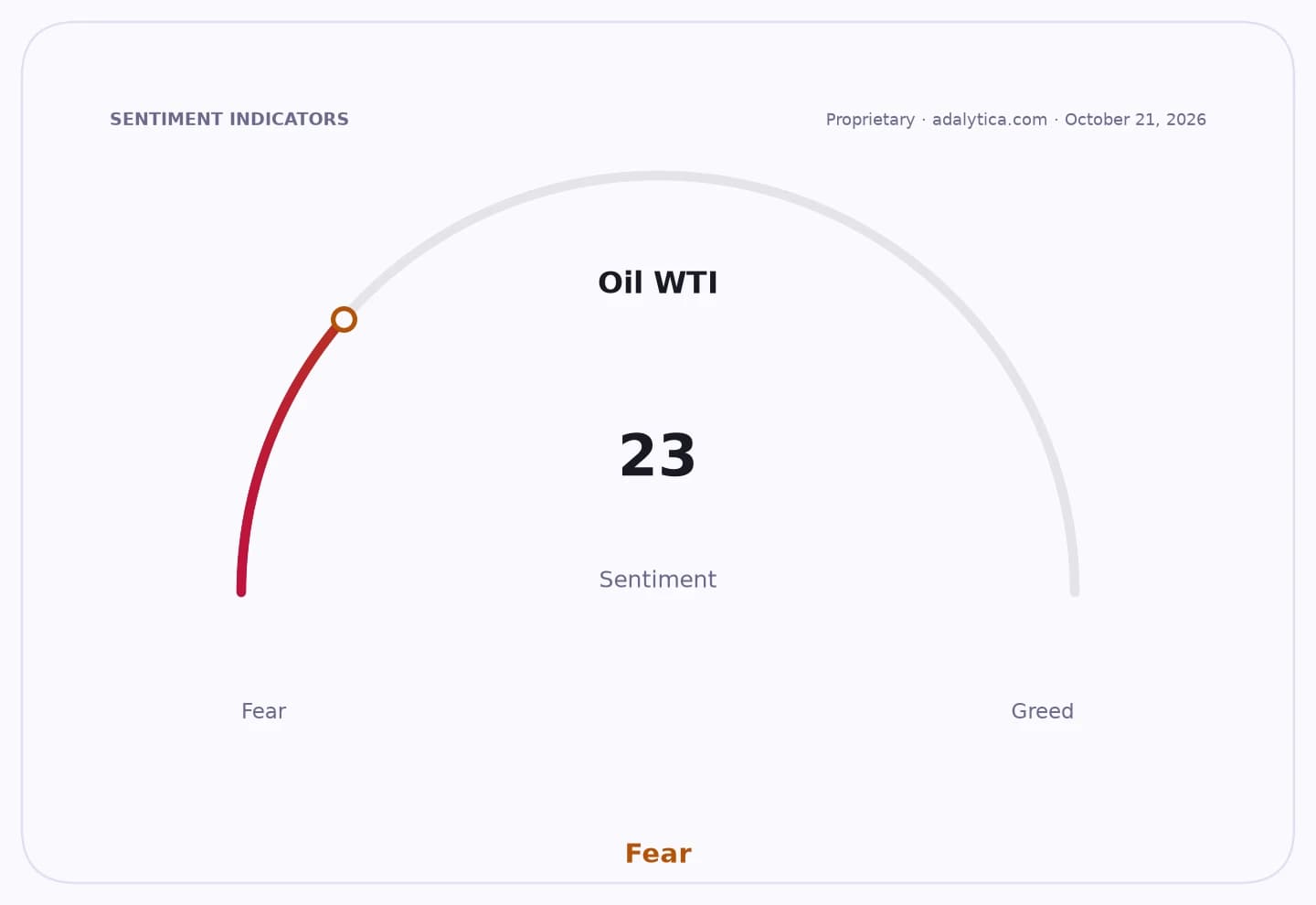
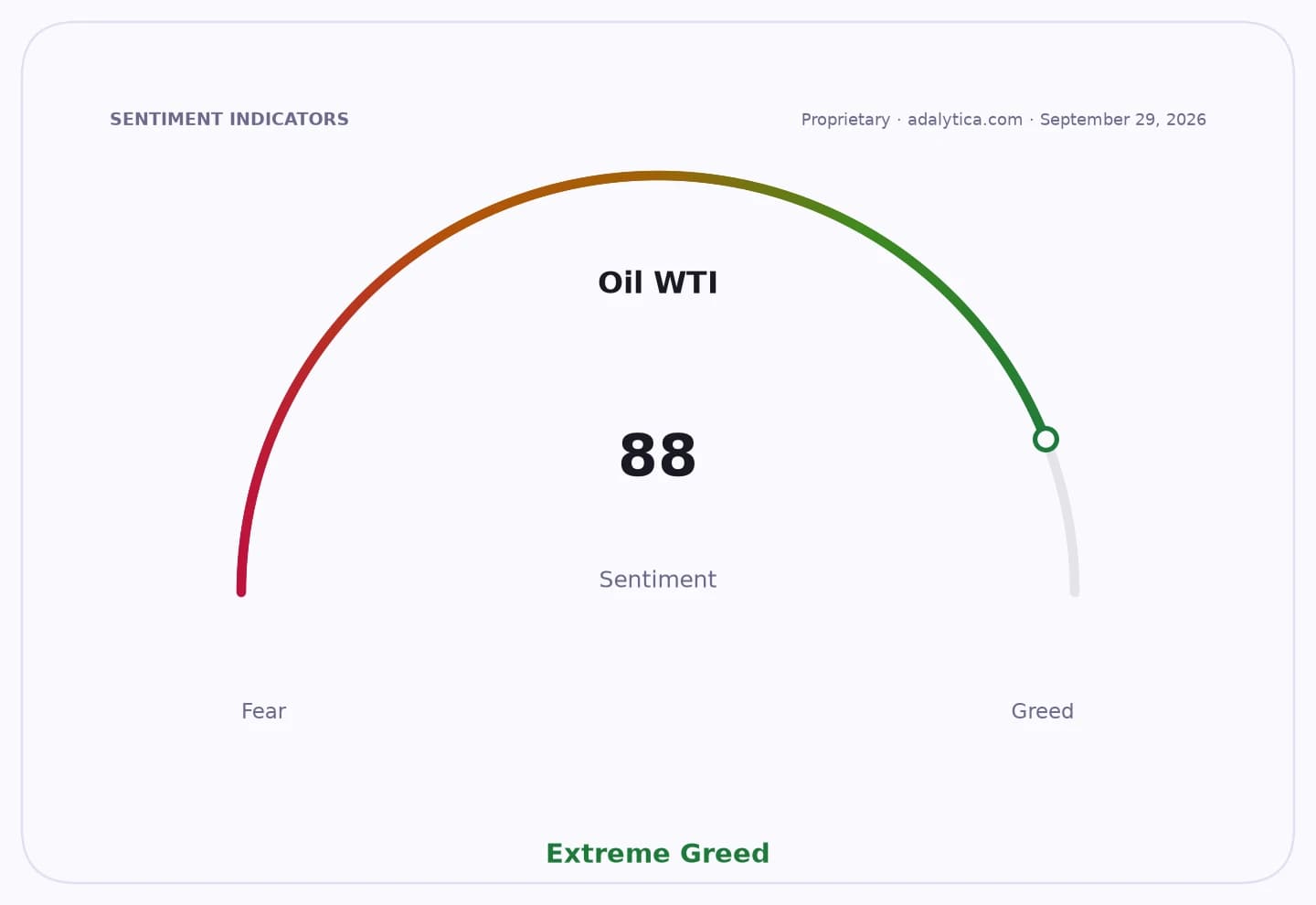
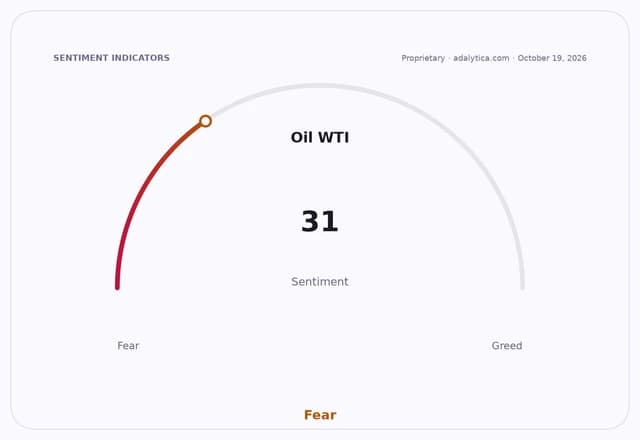
Sentiment IndicatorsⓘProprietary · adalytica.com · October 19, 2026
This is a snapshot — live sentiment, awareness and momentum for 130+ markets update continuously in the dashboard.Open AlphaPulse
That makes the latest action economically important for two reasons: it further constrains Iran’s hard-currency inflows and raises the cost of doing business for banks and trading houses across the Gulf, the Caribbean and Asia. Washington has made clear it is not only going after Iranian individuals and firms, but also the overseas networks that allow Tehran to access dollars and conduct trade.
Investor attention is focused on the energy market because the sanctions come against a backdrop of renewed tension around the Strait of Hormuz, the route for a large share of the world’s seaborne oil. The US Central Command said commercial shipping continues through the waterway and dismissed Iranian claims of control, while India said one of its crude tankers was hit by a projectile there and another chemical tanker was struck elsewhere, underscoring the fragility of the route.
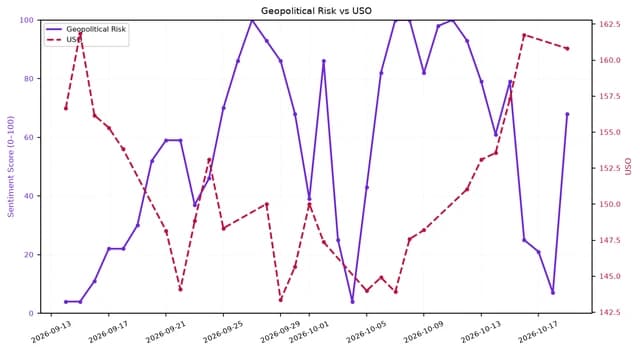
Oil-linked assets have already reflected that risk. USO, the oil ETF, closed at $160.81 on Monday, above its 50-day moving average of $143.54 and its 200-day average of $119.72, while its relative strength index of 76.1 points to an overbought market. Energy equities, tracked by XLE, ended at $67.80, also near the top of its recent range, as traders continue to price geopolitical risk into crude.
Gold has been less reactive but still sits near elevated levels, with GLD closing at $379.69, below its 50-day average of $396.81 and 200-day average of $414.90, suggesting investors are still carrying some defensive positioning without a full panic bid. A separate Adalytica global stability gauge showed sentiment rebounding to 68 after a sharp drop late last week, but its awareness reading remained at an “Extreme Fear” level of 4, indicating the market is still highly alert to escalation.
For investors, the key question is whether the sanctions stay contained to financial pressure or spill into broader disruption in shipping and oil flows. Any further tightening of Iran’s export routes, or any sustained threat to Hormuz traffic, would likely support crude prices, lift integrated energy names and pressure airlines, transporters and other fuel-sensitive sectors.
| Entity | Gains | Losses |
|---|---|---|
| US Treasury / Trump administration | ▲More leverage on Tehran | ▼Diplomatic flexibility |
| Iran-linked banks and networks | ▲None | ▼Dollar access, trade channels |
| Oil producers and energy stocks | ▲Higher crude risk premium | ▼None from higher prices |
| Importers, shippers and fuel consumers | ▲None | ▼Higher freight and energy costs |