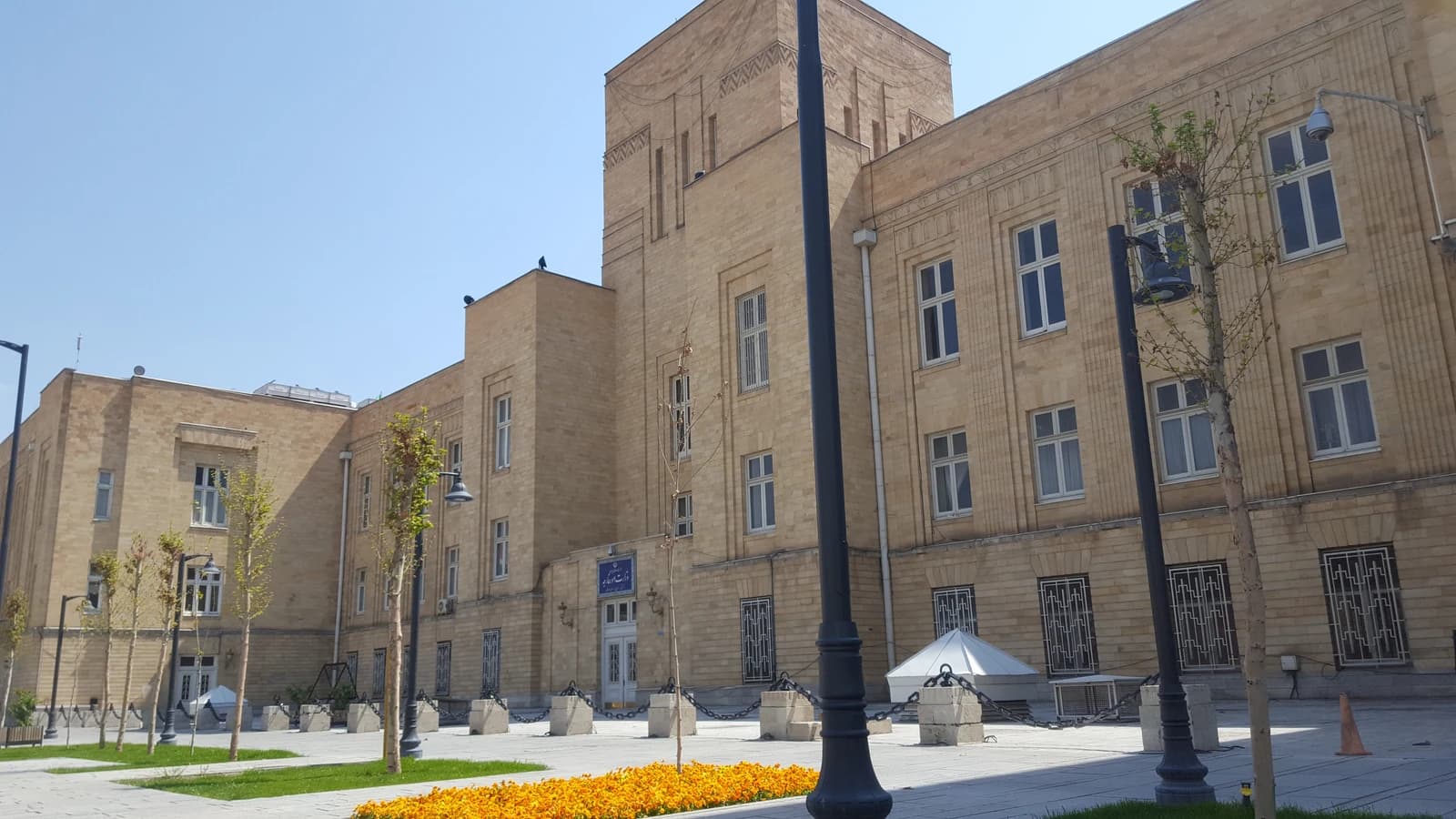
Iran’s leaders have apparently mapped out what happens if the supreme leader is killed, a reminder that Tehran is trying to reduce the risk of decapitation in any future conflict with the United States or Israel.
Iran succession planning and oil risk premium
That matters because succession risk is not just a political drama in Iran. It is a market variable that can shape oil prices, defense spending, regional security premiums and the odds of broader Middle East escalation. If the state has already rehearsed an independent response architecture, it suggests the Islamic Republic is preparing to keep governing, commanding and retaliating even under extreme pressure.
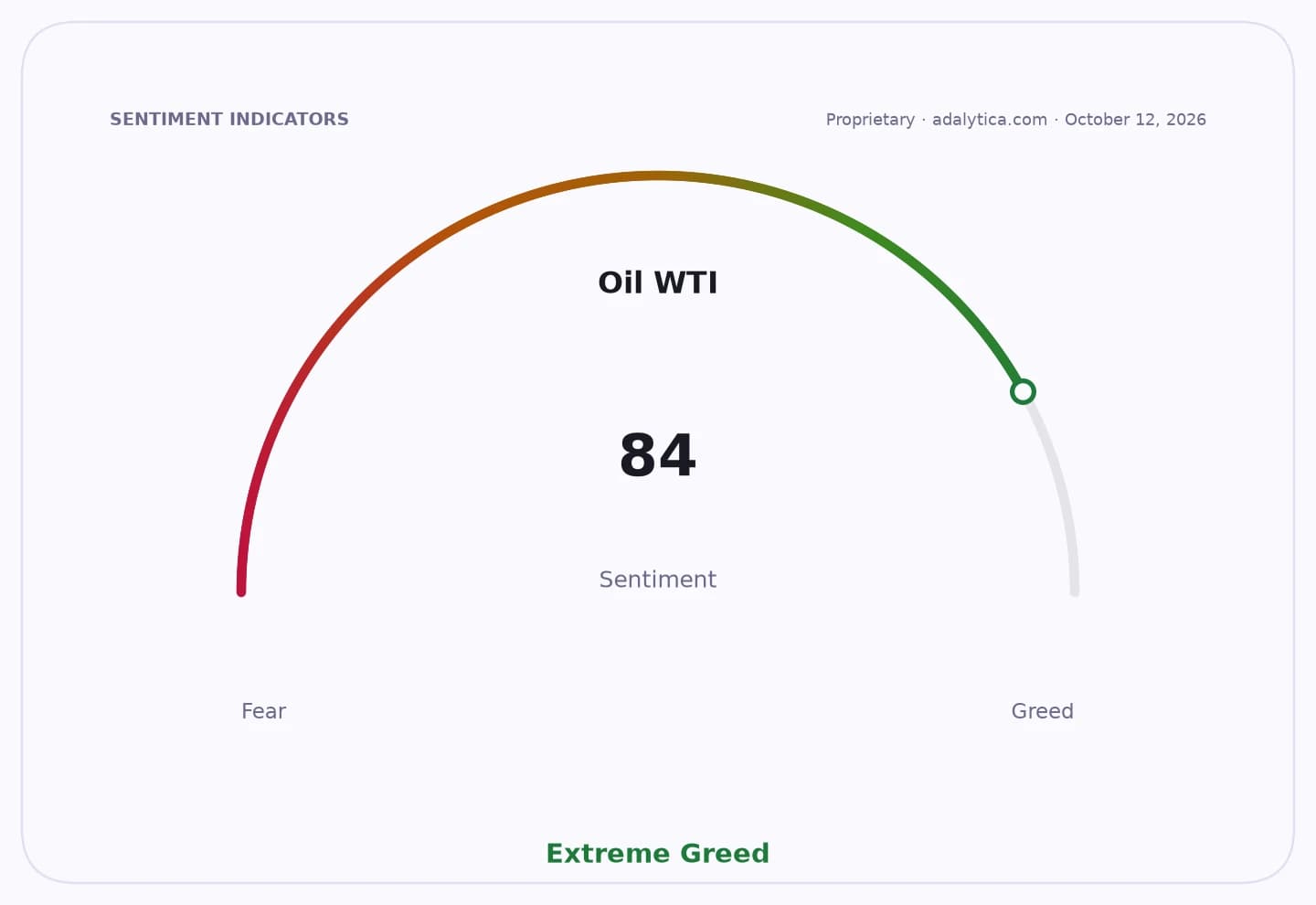
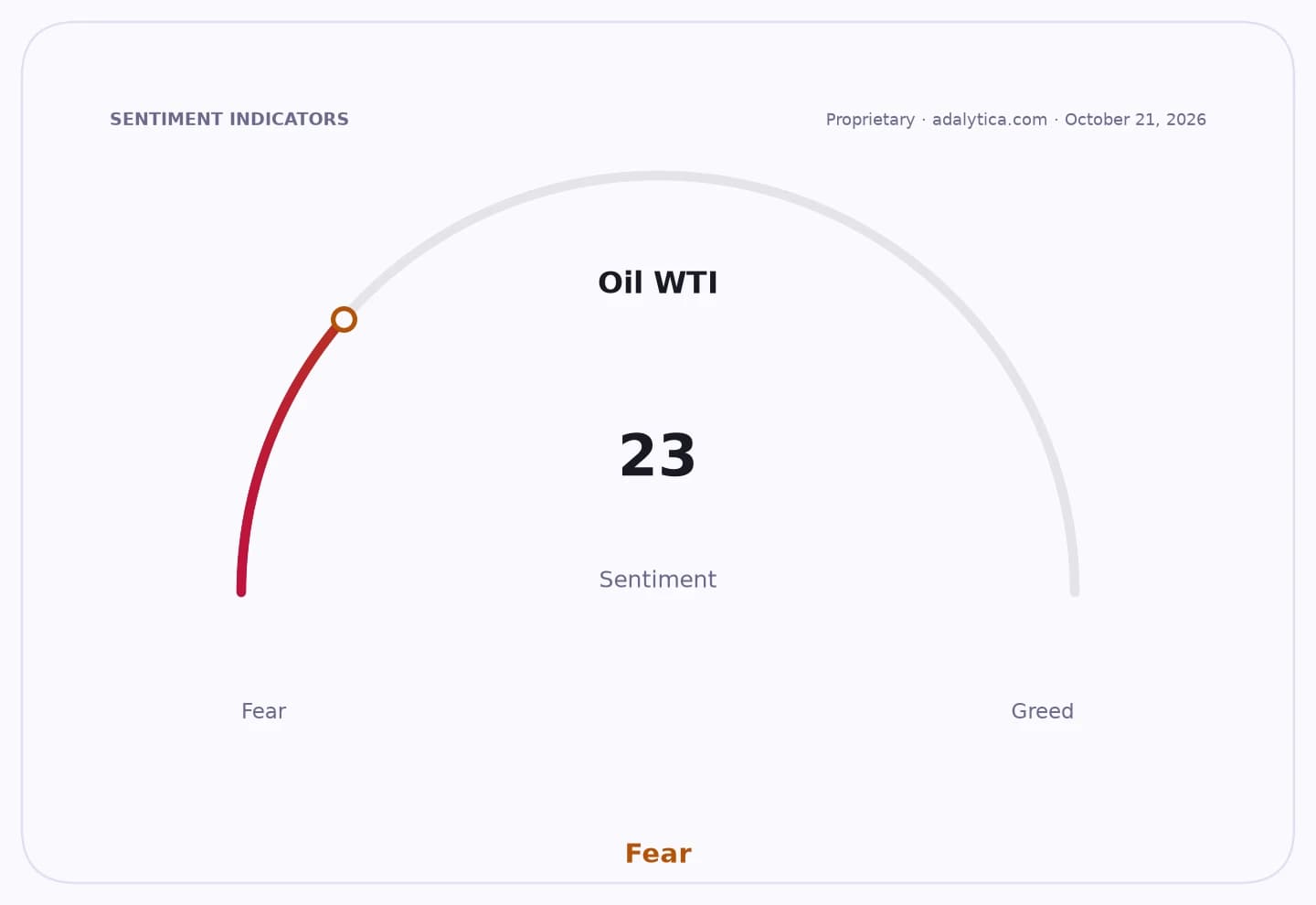
Sentiment IndicatorsⓘProprietary · adalytica.com · October 21, 2026
This is a snapshot — live sentiment, awareness and momentum for 130+ markets update continuously in the dashboard.Open AlphaPulse
The detail emerged in comments by Iranian analyst Vardan Voskanyan, who said Foreign Minister Abbas Araghchi described a special “110 code” approved by the supreme leader that also lays out autonomous action by state bodies in the event of his assassination. Araghchi’s remarks, as relayed in the Armenian-language source, fit a broader picture of an Iranian system built around redundancy and resilience rather than a single chain of command.
That is economically relevant because Iran sits at the center of one of the world’s most important energy chokepoints. Any sign that Tehran has preplanned retaliation pathways, including through state institutions and allied groups, reinforces the risk premium around crude and shipping lanes. Investors do not need a full-blown war to feel the effects; the mere expectation of faster, more coordinated Iranian responses can keep energy markets on edge.
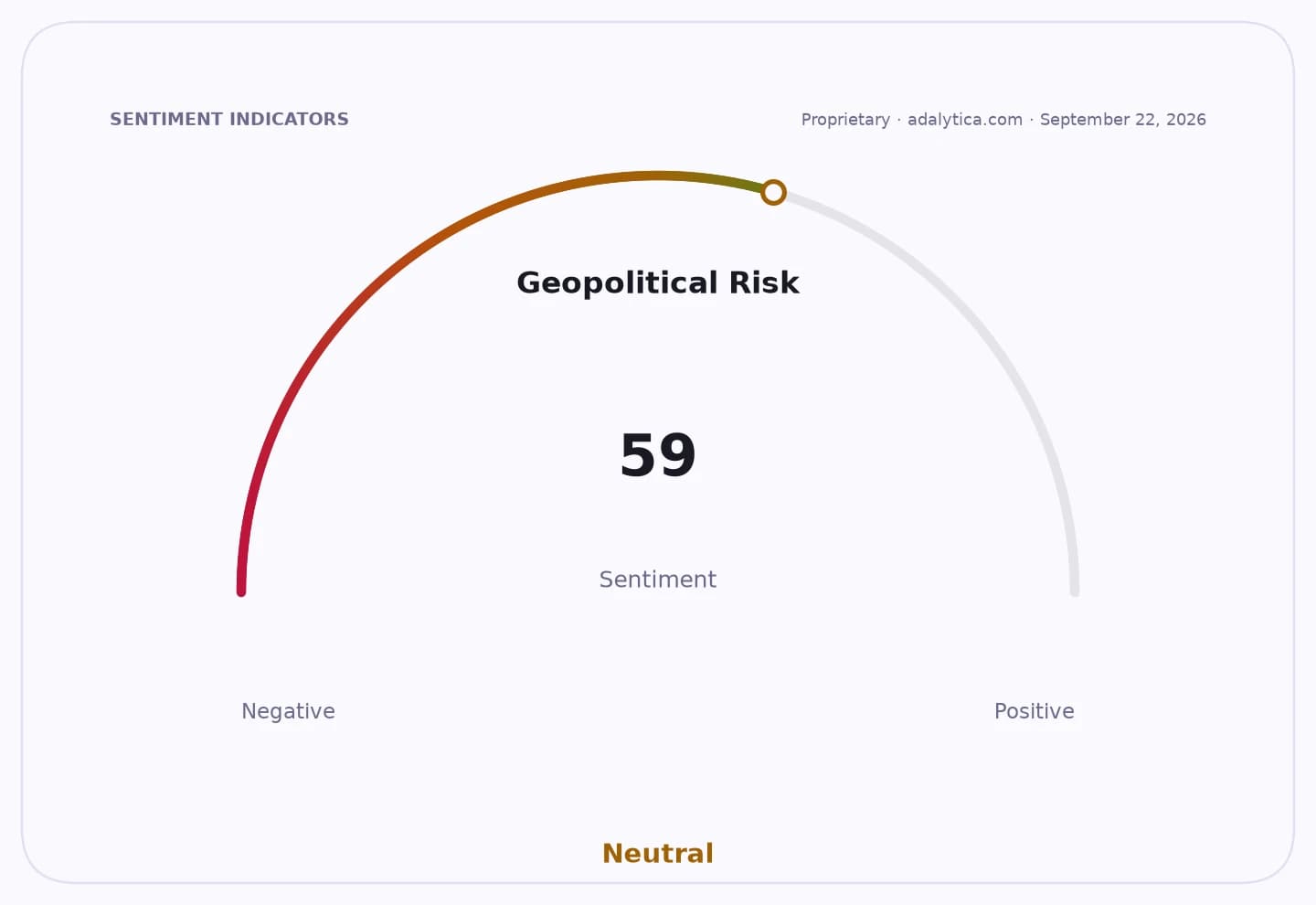
Geopolitical Risk vs USOadalytica.com
Explore this data interactively — full history, time series and cross-market comparisons.Open AlphaPulse
The reaction in oil has been telling. USO, a proxy for WTI crude, has been volatile but resilient, ending October 21 at 159.80 after trading as high as 161.86 on September 15. The fund remains well above its 50-day and 200-day moving averages, a sign that the market is still assigning a meaningful geopolitical risk premium even after recent swings. At the same time, Adalytica’s oil trade signals show sentiment at 23, labeled fear, which suggests traders are cautious even if prices have not collapsed.
Gold has also held firm as investors look for shelter. GLD closed at 378.95 on October 21, below its 50-day average but far from the panic levels seen earlier in the year, when the fund surged above $490 before easing back. For long-term investors, that combination of stable oil, supported gold and nervous risk sentiment is a classic sign that the market sees geopolitical danger as persistent rather than fleeting.
The broader backdrop is one of uncertainty around Iran’s future leadership and the durability of its command structure. A planned response to an assassination attempt does not guarantee stability; if anything, it underscores how seriously Tehran takes the threat. But it does suggest the regime wants to preserve continuity of power, military coordination and diplomatic messaging even in a crisis.
For investors, the key takeaway is straightforward: Iran’s succession planning increases the odds that any escalation would be managed, not chaotic, and that means energy and safe-haven assets can stay supported for longer than many expect. That is why oil producers, defense names and precious metals deserve a place on the watchlist if tensions keep simmering.
| Entity | Gains | Losses |
|---|---|---|
| Iran’s leadership | ▲continuity under attack | ▼vulnerability to decapitation |
| Oil producers | ▲higher risk premium | ▼lower geopolitical volatility |
| Gold and safe-haven buyers | ▲demand for protection | ▼complacent risk-takers |
| Global airlines/importers | ▲less certain fuel costs | ▼higher energy shocks |