Global markets are being pulled in opposite directions by the same two forces that have haunted investors all year: tighter U.S. monetary conditions and renewed Middle East supply risk.
XLE Rises on Oil and Middle East Supply Risk

For investors, that combination matters because it hits both sides of the valuation equation. Higher rates pressure bond prices and make future earnings less valuable in the present, while geopolitical tension around the Strait of Hormuz keeps a risk premium embedded in crude. In plain English, the market is being asked to digest slower financial conditions at the same time energy costs stay elevated.
Sentiment IndicatorsⓘProprietary · adalytica.com · October 22, 2026
This is a snapshot — live sentiment, awareness and momentum for 130+ markets update continuously in the dashboard.Open AlphaPulse
That helps explain why the energy trade has been one of the clearer winners. The Energy Select Sector SPDR ETF, XLE, finished around $68.16 in the latest read, up sharply from $44.73 in mid-November and well above its 50-day moving average of $63.84. The ETF’s relative strength index was 78.5, a sign the sector has been strongly bid, while the MACD remained positive. In a world where inflation and supply shocks can return quickly, energy stocks still give investors one of the simplest ways to benefit from higher oil prices.
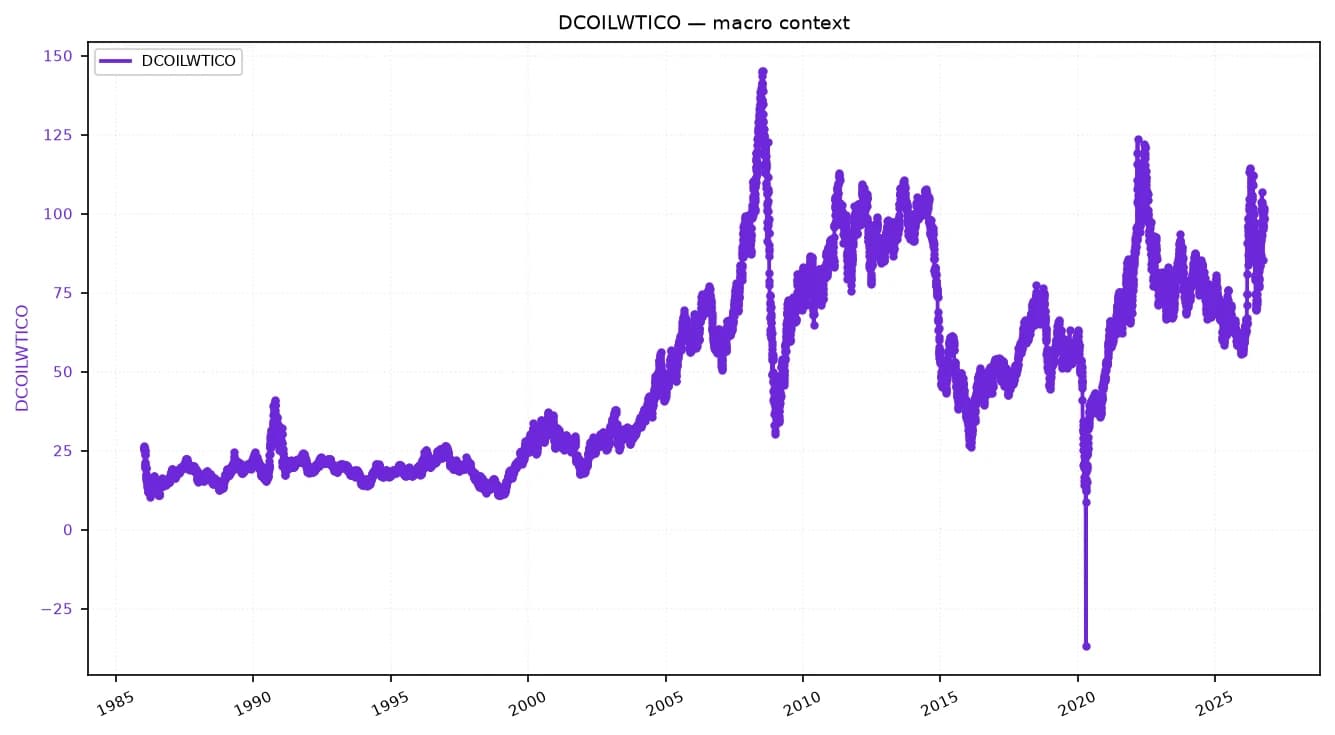
Oil itself has been firming because the supply story is getting harder to ignore. Prices rose Friday toward a weekly gain as markets weighed uncertainty over Middle East shipments and a larger-than-expected draw in U.S. crude inventories. The same backdrop is pressuring European diesel margins, even as the International Energy Agency has moved to release additional stocks. That tells you this is not just a headline-driven move; it is a reminder that physical energy flows remain fragile, especially when Iran-linked tensions threaten a chokepoint as important as Hormuz.
Gold and Treasuries, meanwhile, are sending a more complicated message. Gold has not been acting like a straightforward crisis hedge in this stretch: GLD traded around $378.95, below its 50-day average of $395.87 and under its 200-day average of $414.64, with RSI near 45.5. Treasury ETF TLT was firmer at $80.24, roughly back to its 50-day average, but it remains below its 200-day average of $83.34. That suggests investors are still balancing fear of slower growth against the drag of a restrictive Fed.
The broader narrative is familiar, but it remains powerful. When central banks keep policy tight while geopolitics keeps oil expensive, the market tends to reward balance-sheet strength, free cash flow and dividend discipline over distant growth promises. That is one reason energy producers, pipeline operators and well-capitalized integrated oil majors can remain attractive long-term holdings, even if the trade gets volatile in the short run.
There is also a warning here for index investors. If oil stays elevated and rates remain restrictive, the winners are likely to be concentrated rather than broad-based. That favors diversified portfolios with exposure to energy, quality balance sheets and inflation-resilient businesses, rather than a blind bet on everything rallying together.
For long-term investors, the takeaway is not to chase every daily move. It is to recognize the market regime: tighter money, geopolitically sensitive energy prices and a persistent squeeze on risk assets. That environment can last longer than expected, and it is usually when patience and diversification matter most.
| Entity | Gains | Losses |
|---|---|---|
| Energy producers | ▲Higher crude prices | ▼Margin pressure easing |
| Bond investors | ▲Higher yields eventually | ▼Price declines now |
| Gold holders | ▲Safe-haven interest | ▼Rate pressure on bullion |
| Broad stock indexes | ▲Selective sector support | ▼Higher discount rates |