Eurozone inflation accelerated to 3.8% in September, the highest in three years, as energy costs spiked on renewed tensions around the Strait of Hormuz and kept pressure on fuel prices across the bloc.
Eurozone inflation rises to 3.8% in September

The jump, up from 3.2% in August, was stronger than economists’ 3.7% forecast and takes inflation well above the European Central Bank’s 2% target. Fuel prices rose 18.8% from a year earlier, while food and drinks inflation also quickened to 1.4% from 1.1%, underscoring how higher energy costs are feeding through the wider economy.
Sentiment IndicatorsⓘProprietary · adalytica.com · October 2, 2026
This is a snapshot — live sentiment, awareness and momentum for 130+ markets update continuously in the dashboard.Open AlphaPulse

The data sharpen the policy dilemma for the ECB. Core inflation, which strips out volatile energy and food prices, rose to 2.5% from 2.4%, showing underlying price pressures have not fully eased even as the bloc struggles with slower growth. Markets now face the prospect that the ECB will have to keep rates elevated for longer, or resume tightening if energy-driven inflation becomes entrenched.
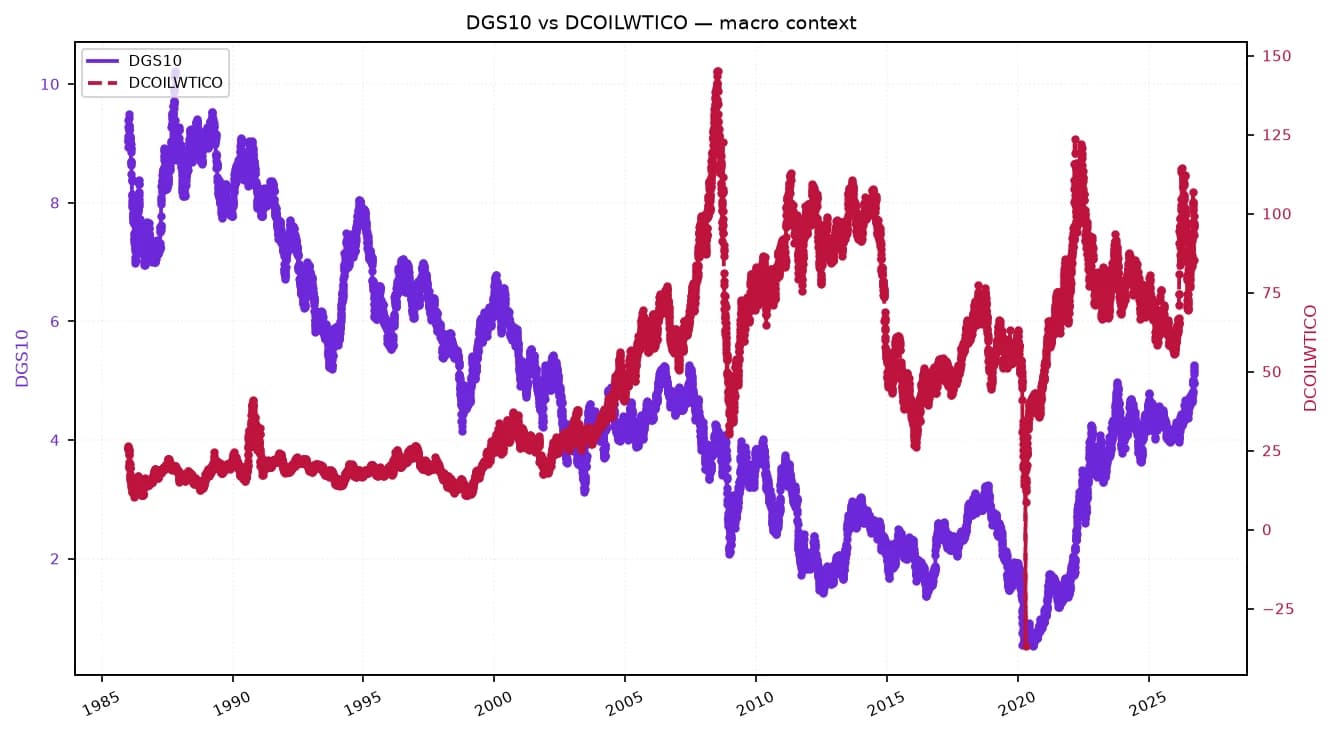
The macro backdrop is already reflected in markets. Brent-linked oil risk premiums have risen as traders price supply disruption through the Strait of Hormuz, a chokepoint for global crude and gas flows. US oil ETF USO has remained elevated, with its latest close at 147.37, while technical readings on the fund still point to heavy momentum despite recent pullbacks.

Natural gas has been more mixed, with UNG trading at 10.47, above its 50-day moving average but below its 200-day average, suggesting traders are still weighing the chances of further supply stress against softer seasonal demand. Gold sentiment has also swung sharply lower on Adalytica’s gauge, with GLD showing “Extreme Fear,” a sign investors are still favoring hard-asset hedges even as they churn between inflation and growth concerns.
For investors, the key risk is that the Middle East shock turns a temporary energy squeeze into a broader inflation problem for Europe. That would keep pressure on bond yields, complicate ECB policy and support energy-sector earnings, while hurting rate-sensitive stocks and eurozone consumers.
The next focus is the ECB’s reaction and whether oil and fuel prices keep climbing if disruption in the Strait of Hormuz persists.
| Entity | Gains | Losses |
|---|---|---|
| Oil producers | ▲Higher crude prices | ▼Demand risk if inflation bites |
| Eurozone consumers | ▲None | ▼Higher fuel and food costs |
| ECB hawks | ▲Stronger case for tighter policy | ▼Rate-cut expectations |
| Rate-sensitive stocks | ▲None | ▼Higher-for-longer rates |