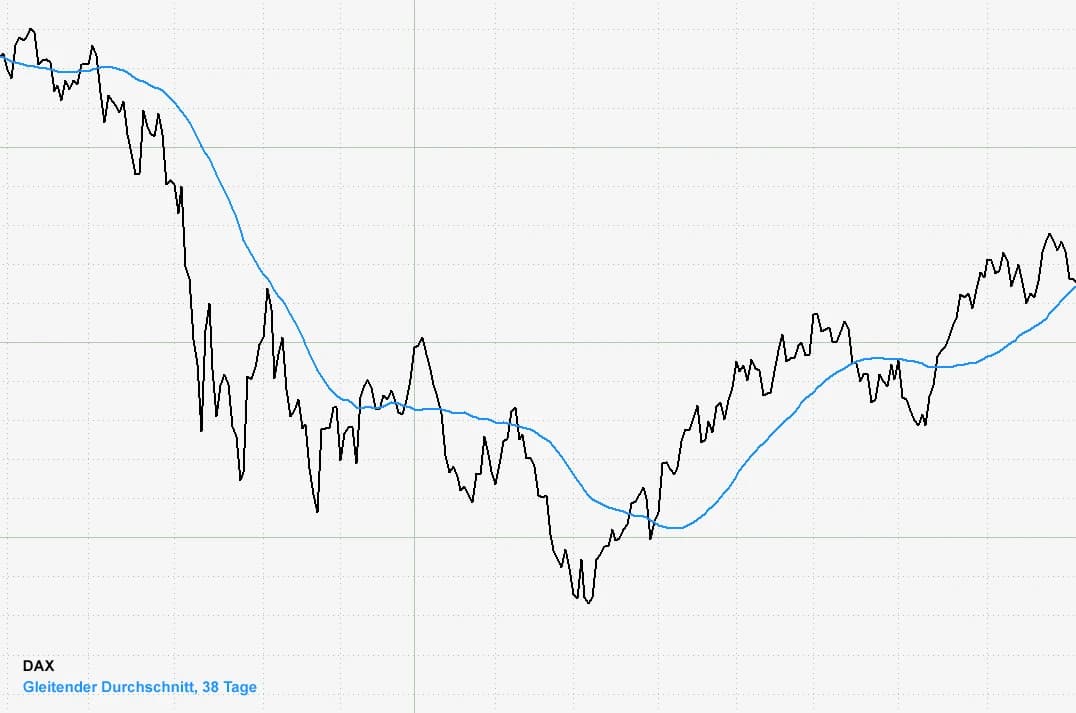
The Dax is set to start the new week on the back foot as investors keep one eye on oil prices, one on U.S. Treasury yields and another on the risk that geopolitical relief in the Middle East proves short-lived.
DAX falls as oil, yields and Middle East risks weigh

That matters because the Dax’s recent recovery has rested less on improving fundamentals than on a brief easing in some of the market’s most important macro pressure points. A pullback in oil and a pause in the surge in bond yields have helped German blue chips stabilize, but traders remain wary that any renewed jump in energy costs or borrowing rates would quickly hit earnings expectations and sentiment.
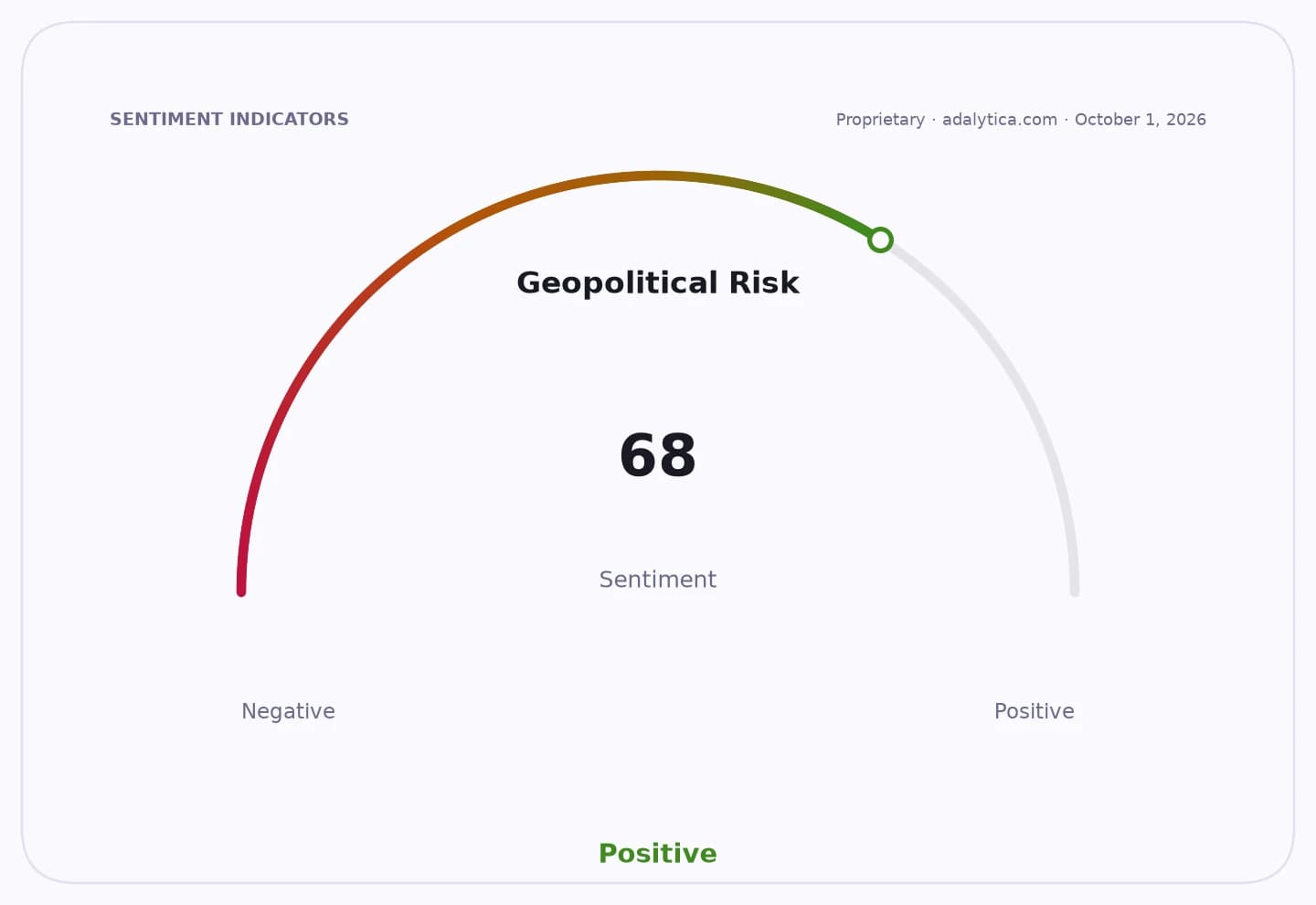
Sentiment IndicatorsⓘProprietary · adalytica.com · October 1, 2026
This is a snapshot — live sentiment, awareness and momentum for 130+ markets update continuously in the dashboard.Open AlphaPulse
The immediate focus is the Middle East, where reports said Iran has proposed a pathway to restart talks on ending the war, including a plan to reopen the Strait of Hormuz within seven days if conditions are met. Washington said it was holding “positive and constructive” discussions through intermediaries, but market participants still see the situation as fragile and highly dependent on whether diplomacy produces tangible steps rather than rhetoric.
Oil remains the key transmission channel for equities. Higher crude prices feed directly into inflation, which in turn influences central-bank policy, especially in the U.S., where the Federal Reserve has already resumed tightening after more than three years on hold. With markets still pricing another rate increase later in October, any renewed energy shock would reinforce fears that the Fed has little room to support growth if activity softens.
That is why some strategists are warning that stagflation risk is creeping back onto screens: sticky inflation alongside weakening demand. For stocks, including the Dax, that combination is particularly uncomfortable because it squeezes margins, keeps financing costs elevated and limits the scope for rate cuts that could otherwise underpin valuations.
The market backdrop shows that caution clearly. The Dax closed at 24,884.03 on Oct. 1, below its 50-day moving average of 25,832.23, while the relative strength index at 34.4 points to a market that is weak but not yet deeply oversold. The German benchmark is also sitting just under its Bollinger Band lower boundary of 24,937.41, suggesting traders remain defensive after a sharp recent pullback.
U.S. assets are sending a similar message. An Adalytica gauge on Treasury bonds shows extreme greed, underscoring strong demand for safety, while its dollar and FX-volatility signals point to severe stress in currency markets. By contrast, the S&P 500 sentiment reading remains neutral, but awareness is in fear territory, reflecting a broader reluctance to add risk before the next macro and geopolitical catalysts land.
For the Dax, the coming week is likely to be shaped less by company-specific news than by data and policy signals. The main events are Friday’s U.S. jobs report and euro zone consumer prices, both of which could reshape expectations for Fed and European Central Bank policy, alongside a run of purchasing managers’ indexes from Asia, Europe and the U.S. If inflation or labor-market readings surprise to the upside, the case for higher-for-longer rates would intensify and weigh further on equities.
Corporate updates are relatively sparse, but traders will still watch Hornbach’s full quarterly report, BMW’s capital markets event, Micron and Nike earnings, and the deadline for scrutiny of JD.com’s planned takeover of Ceconomy, owner of MediaMarktSaturn. Still, for the German market, the bigger driver remains the same: whether oil, yields and geopolitics give back enough pressure to let the Dax hold its footing.
| Entity | Gains | Losses |
|---|---|---|
| Oil bulls | ▲Higher crude prices | ▼Equity multiples, consumers |
| German exporters | ▲Geopolitical easing | ▼Trade disruption risk |
| Dax bears | ▲Lower risk appetite | ▼Broader market rally |
| Fed hawks | ▲Sticky inflation case | ▼Rate-cut hopes |