President Donald Trump shrugged off a jump in US inflation to a three-year high, even as the latest data showed the war with Iran is feeding directly into gasoline and energy prices and threatening to keep the Federal Reserve on hold.
US Inflation Rises as Oil Prices Jump
The Consumer Price Index rose 4.2% in May from a year earlier, the fastest pace since the inflation shock of 2022, while prices increased 0.5% on the month, with energy accounting for about 60% of the rise. Core CPI, which strips out food and energy, rose a milder 0.2%, suggesting the immediate damage is concentrated in fuel and other war-linked inputs rather than broad-based demand pressure.
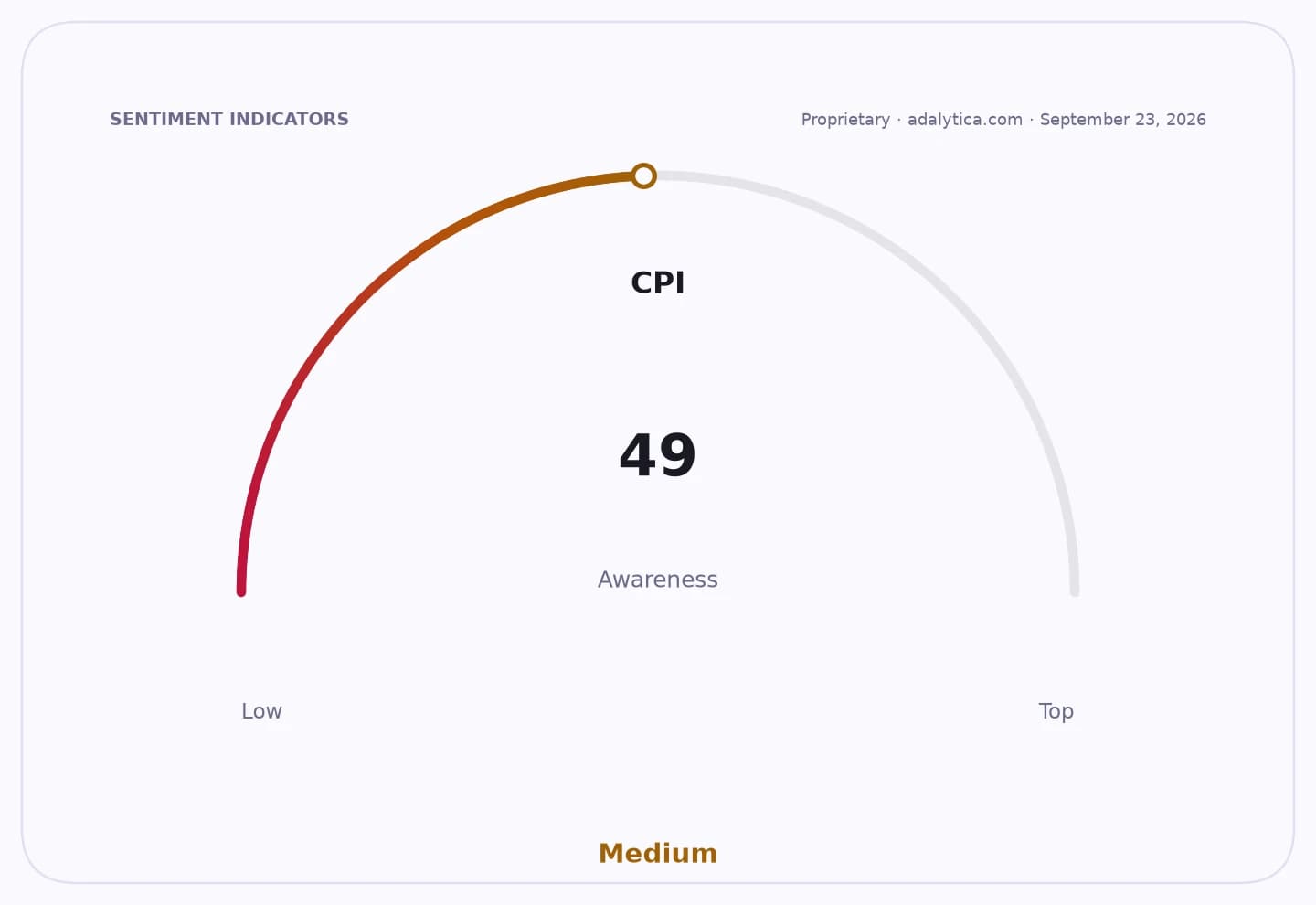
Sentiment IndicatorsⓘProprietary · adalytica.com · October 2, 2026
This is a snapshot — live sentiment, awareness and momentum for 130+ markets update continuously in the dashboard.Open AlphaPulse
That distinction matters for markets. It gives the Fed some room to argue the inflation flare-up is still manageable, but it does not remove the pressure to keep policy restrictive. With the labor market still resilient and annual inflation moving back in the wrong direction, investors are increasingly pricing a prolonged pause, with some economists even flagging the possibility of another rate increase if energy-driven price gains persist.
Trump tried to downplay the reading, telling reporters at the White House that “the numbers were great” and saying inflation would fall if oil resumes flowing freely through the Strait of Hormuz. His comments underscore the political gamble in trying to separate a temporary energy shock from a broader cost-of-living problem that is already worsening ahead of the midterm election cycle.
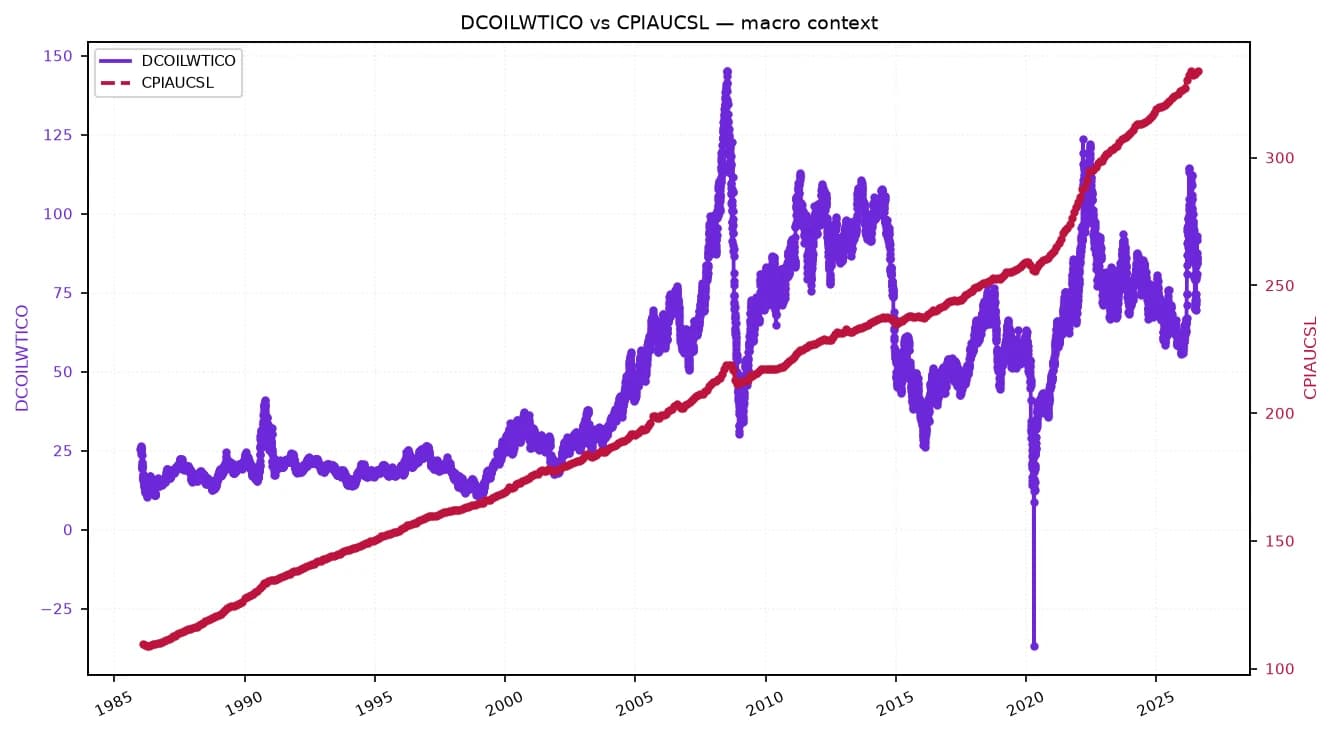
The market reaction has been straightforward: energy assets are the immediate winners, while consumers and rate-sensitive equities bear the burden of higher input costs and the prospect of tighter-for-longer monetary policy. Oil prices have swung sharply higher on the conflict, and the move has shown up in fund proxies such as the US Oil Fund, which remains well above its 50-day and 200-day moving averages even after recent pullbacks, a sign that traders still expect elevated crude prices.
Equity sector positioning reflects the same split. Energy shares have outperformed the broader market, while the S&P 500 trade-signal gauge from Adalytica shows only neutral sentiment and extreme fear on awareness, suggesting investors remain wary that higher fuel costs could squeeze margins outside the oil patch. Gold has also held up as a hedge, though the metal’s recent trading has been more choppy as investors balance inflation protection against a higher-rate backdrop.
Economists say the full pass-through from the Iran war has not yet been felt. Diane Swonk of KPMG warned that higher diesel, fertilizer, shipping and packaging costs could feed into food prices later in the year, while tariff risks and electricity costs tied to the AI buildout add a second layer of inflation pressure. Real wages fell 0.7% in May, a sign that inflation is once again outpacing pay and eroding household purchasing power.
That is the key investor risk: even if the current spike proves narrower than the 2022 inflation surge, it can still slow consumer spending, keep bond yields elevated and compress valuations in sectors exposed to energy and financing costs. For now, Trump is betting the shock fades quickly. Investors are betting the pipeline of price pressure is still filling.
| Entity | Gains | Losses |
|---|---|---|
| Oil producers | ▲Higher realized prices | ▼Demand risk if inflation persists |
| Consumers | ▲None | ▼Lower purchasing power |
| Federal Reserve | ▲Clearer core-inflation signal | ▼Longer policy hold |
| Energy equities | ▲Outperformance | ▼Broader market breadth |