Energy shocks are no longer a one-off headache for central bankers — and Türkiye’s top policymaker is warning that if they keep coming, they could make inflation far harder to tame.
Türkiye Central Bank Warns on Repeated Energy Shocks
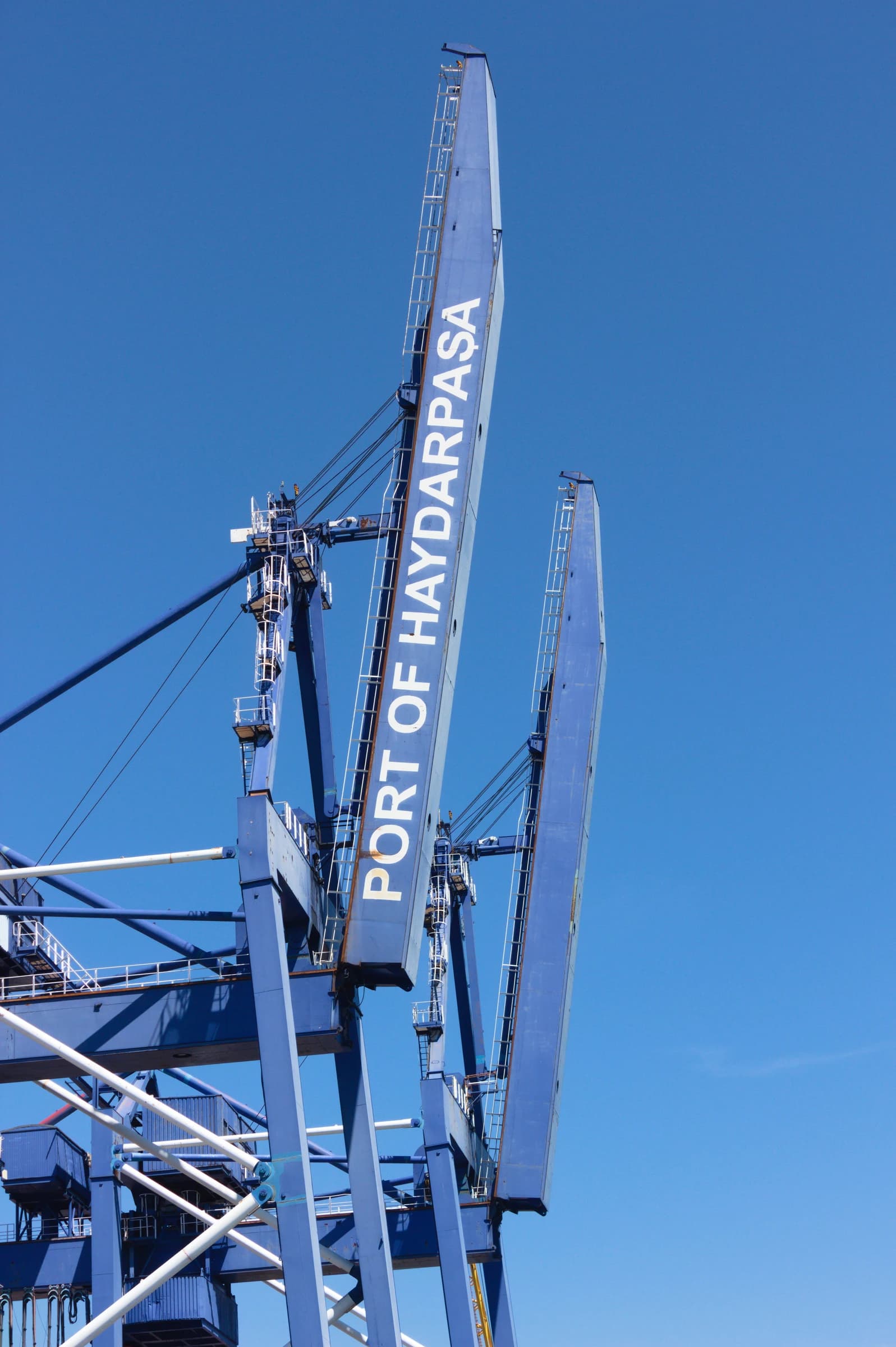
Central Bank of the Republic of Türkiye Governor Fatih Karahan said in Budapest that repeated supply disruptions can turn an initial jump in oil and transport costs into something much more stubborn by feeding into wages, pricing decisions and inflation expectations. That matters because once households and businesses start assuming higher inflation will persist, central banks lose a key part of their grip on prices.
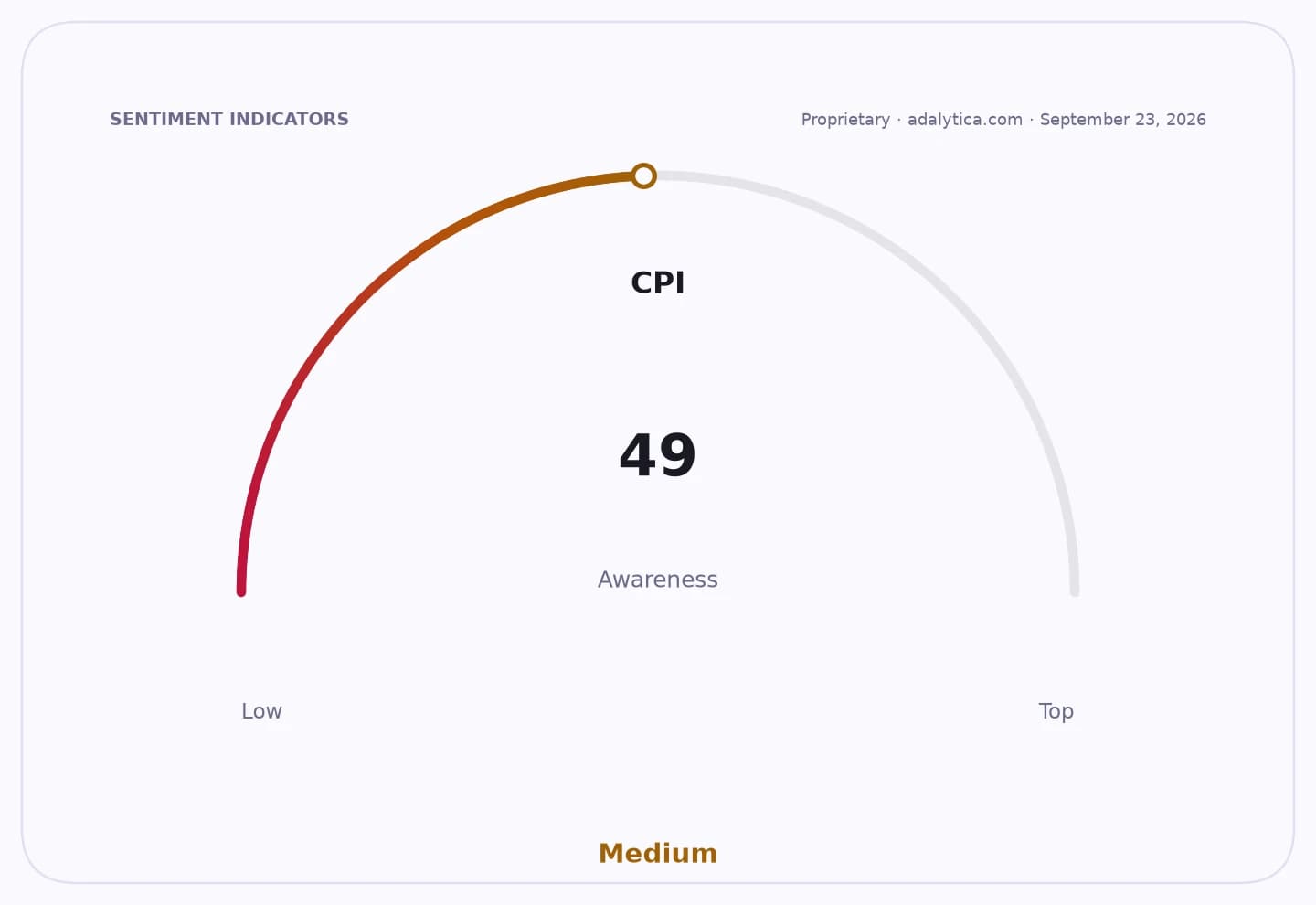
Sentiment IndicatorsⓘProprietary · adalytica.com · September 16, 2026
This is a snapshot — live sentiment, awareness and momentum for 130+ markets update continuously in the dashboard.Open AlphaPulse
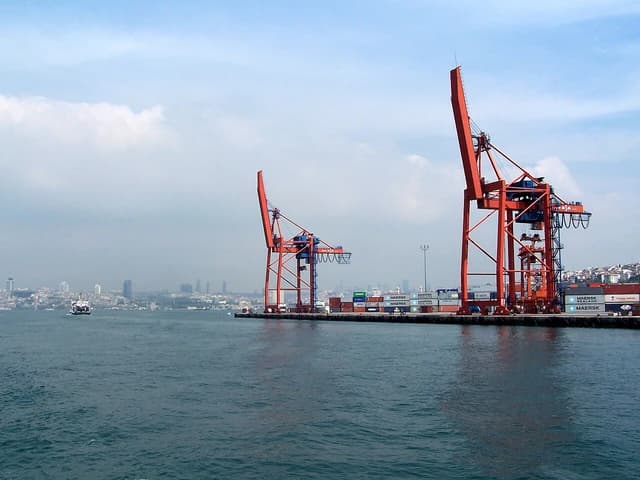
The timing is awkward. Oil has surged back above $100 a barrel on renewed Middle East tensions, with attacks on energy and shipping assets reviving fears of fresh price hikes. For an import-dependent economy like Türkiye, that means higher fuel costs can quickly wash through the broader economy, widening the challenge for policymakers already trying to protect price stability.
Karahan’s message was essentially that the first round of inflation can often be absorbed with tighter policy, but the second round is the dangerous one. If energy costs keep rising and firms respond by lifting prices while workers push for higher pay, inflation becomes more persistent and demands a longer, more painful policy response.
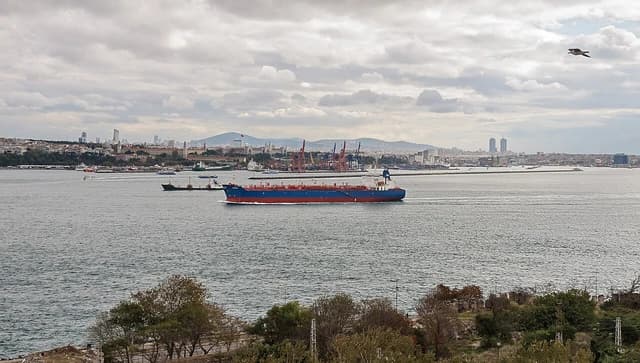
That is why investors should pay attention well beyond Türkiye itself. Repeated supply shocks tend to support expectations for tighter policy across emerging markets, and they also keep pressure on bond markets when growth is already fragile. In the United States, the latest jump in oil has helped fuel bets on rate hikes by major central banks, while Treasury ETF TLT has drifted lower, with its price around $80.88 and well below its 200-day moving average, a sign fixed-income investors are still wary of inflation risk.
The foreign-exchange angle matters too. Karahan said external shocks can hit emerging-market currencies harder when inflation expectations are not well anchored. That is especially relevant for the lira, which remains near 48.66 per dollar and firmly above its 50-day and 200-day moving averages, underscoring the market’s view that Türkiye still has work to do on price stability.
Karahan also touched on a bigger structural point: the global economy is becoming more fragmented, and that is changing how central banks think about reserves. Gold remains important for Türkiye’s households and for central banks globally, but he stressed that liquidity is not the same thing as usability in a stress event. In other words, it is not just how much reserve wealth a country holds, but how quickly it can actually use it when markets seize up.
For long-term investors, the takeaway is simple. Energy shocks are not just a commodities story; they are a margin story, a policy story and a valuation story. Higher oil can lift energy equities, but it can also keep pressure on consumer spending, bonds and emerging-market assets if it reignites inflation. That makes disciplined diversification and a long time horizon even more important. Watch how long the oil spike lasts, because the real market risk is not the first burst of inflation — it is the one that sticks.
| Entity | Gains | Losses |
|---|---|---|
| Energy producers | ▲Higher crude prices | ▼None |
| Oil importers / Türkiye | ▲None | ▼Higher inflation, weaker purchasing power |
| Bond investors | ▲None | ▼Lower prices, higher rate risk |
| Central banks | ▲Tighter-policy credibility | ▼Harder inflation fight |