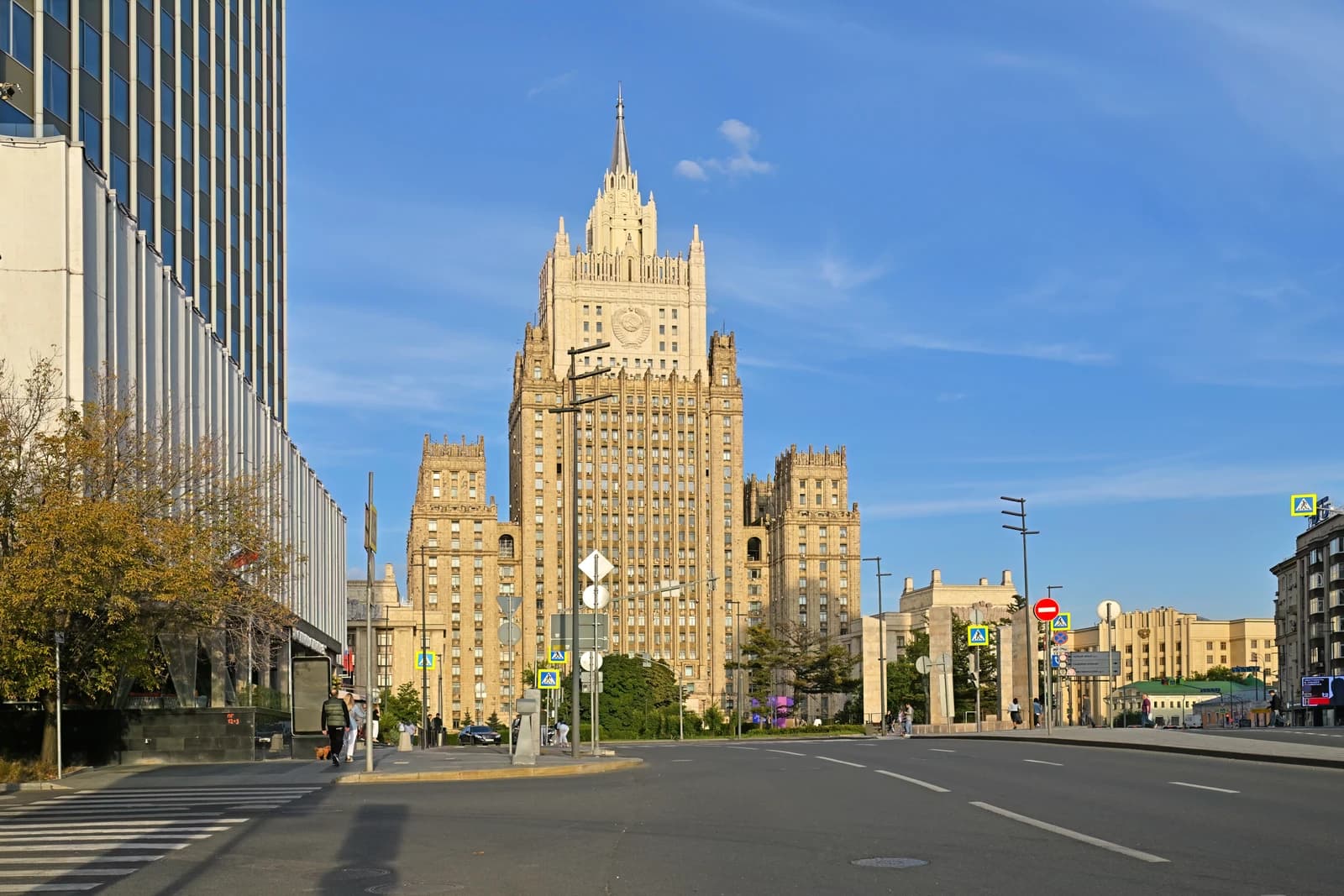
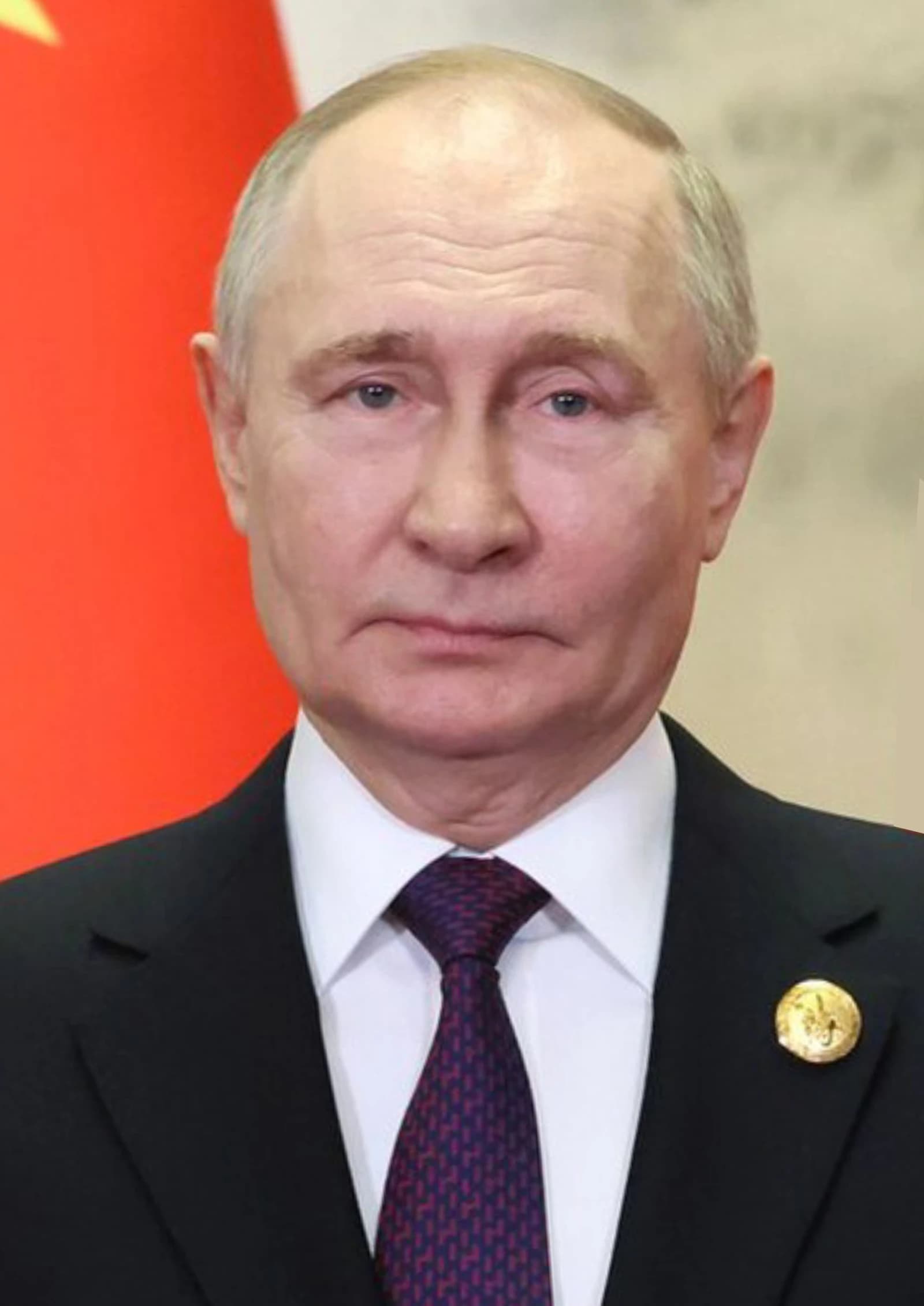
Russia’s Foreign Minister Sergey Lavrov arrived in Bahrain to press a broader diplomatic push into the Gulf just as Moscow looks for trade, energy and political leverage beyond the West. The trip matters because it is not a ceremonial stop: Russia and the Gulf Cooperation Council are using a ninth round of strategic dialogue to discuss cooperation in trade, economics, culture and humanitarian issues, signaling that both sides want a more durable channel as regional security risks remain elevated.
Russia-Lavrov visits Bahrain for GCC talks
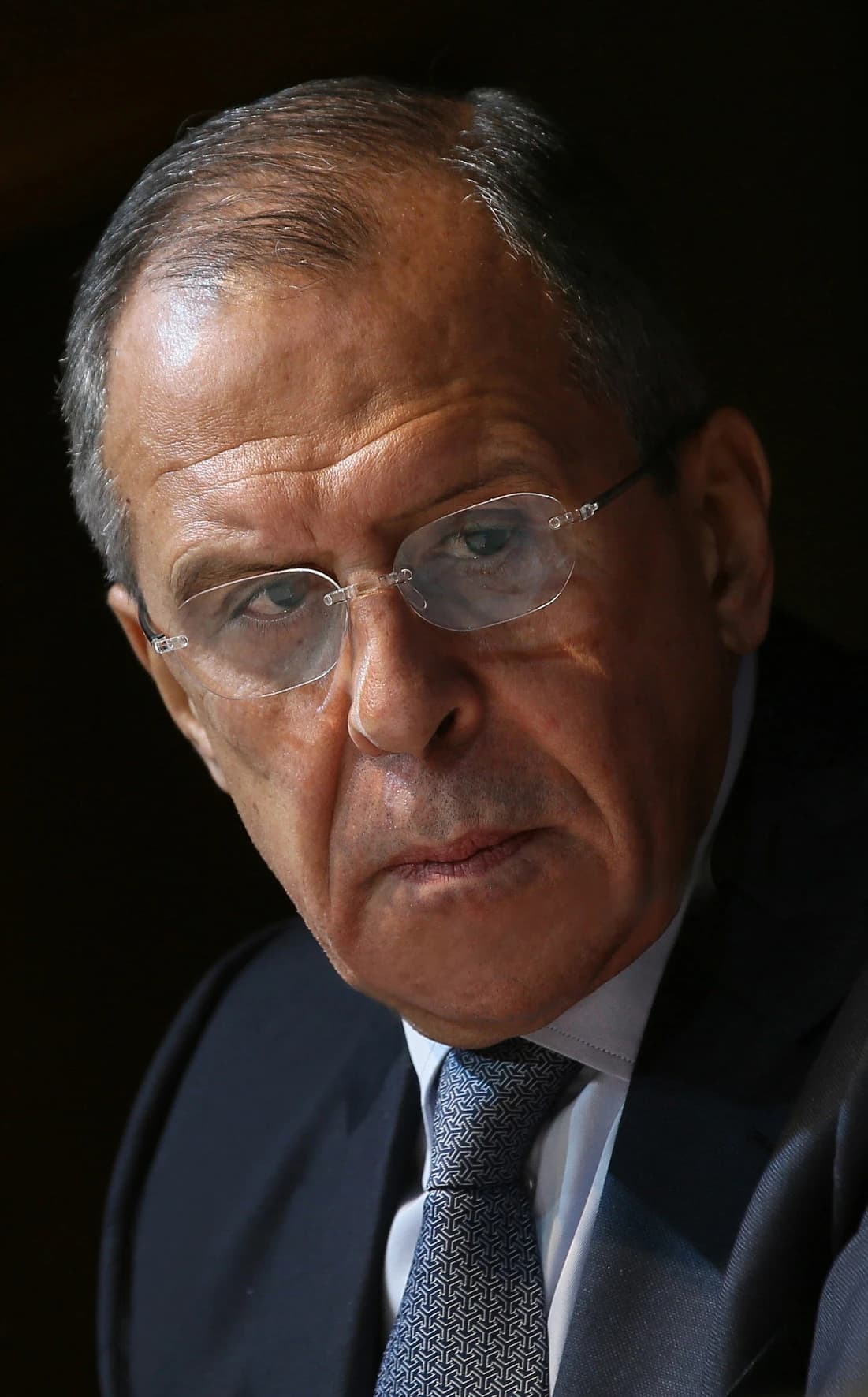
For Moscow, the timing is economically and geopolitically significant. Sanctions and strained ties with Europe have pushed Russia to intensify outreach across the Gulf, where governments are balancing relations with Washington, Beijing and Moscow while protecting their own room to maneuver. Bahrain is a smaller GCC economy, but the dialogue is part of a wider effort to institutionalize ties with a bloc that sits at the center of global energy markets, capital flows and regional diplomacy.
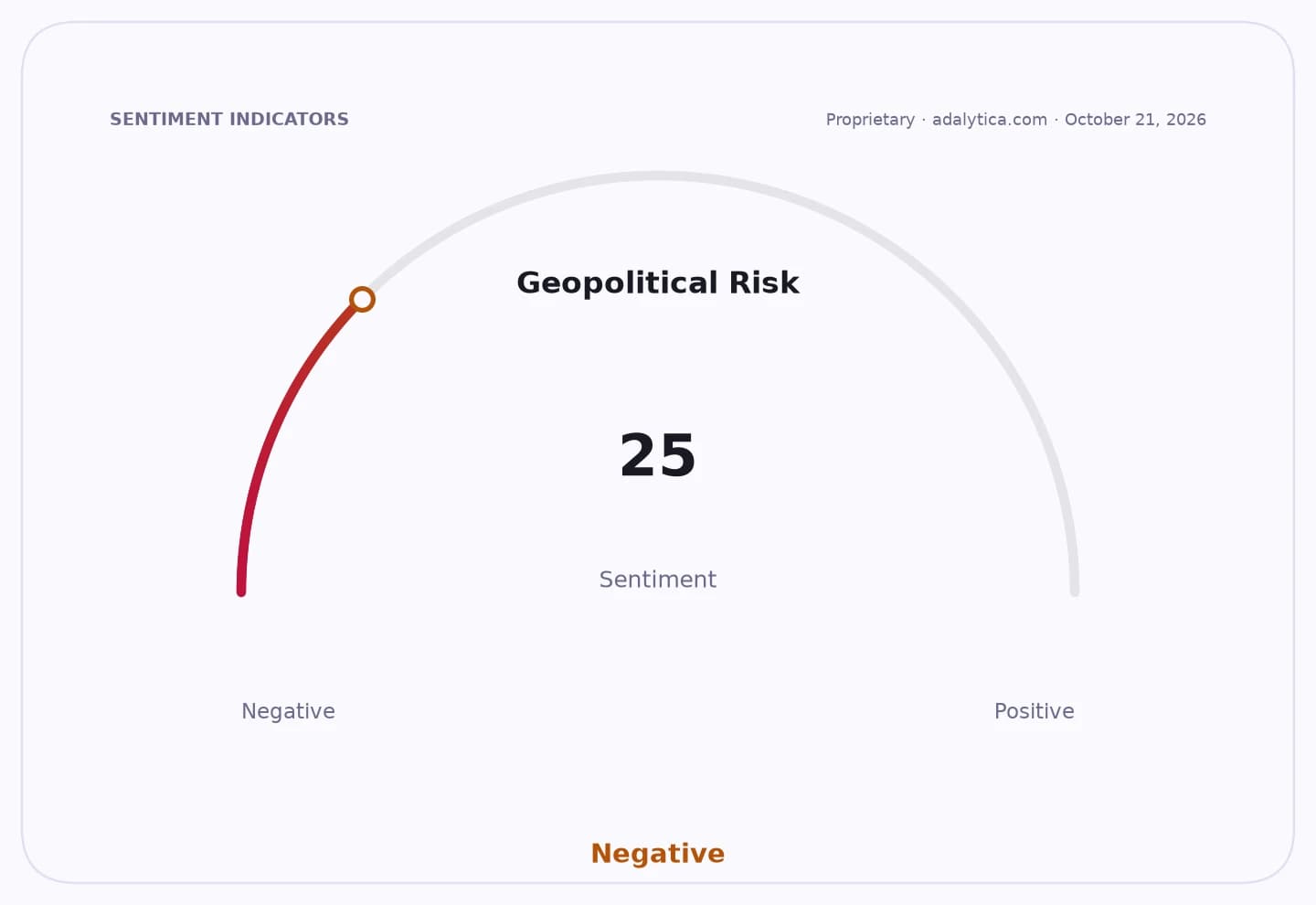
Sentiment IndicatorsⓘProprietary · adalytica.com · October 21, 2026
This is a snapshot — live sentiment, awareness and momentum for 130+ markets update continuously in the dashboard.Open AlphaPulse
The visit also comes as Russia keeps stressing stability in the Gulf. Lavrov is expected to hold bilateral meetings on the sidelines, and the Russian foreign ministry has framed the agenda around strengthening partnership in practical areas rather than just political messaging. That makes the trip relevant for investors watching sanctions spillovers, sovereign diplomacy and energy coordination, especially because Gulf states remain key buyers, financiers and interlocutors for Russia as it navigates isolation from the West.
Markets are not likely to move on the Bahrain meeting alone, but the diplomatic backdrop matters. Russia’s ruble has been under pressure in recent months even as it showed bouts of recovery, while oil prices remain a major transmission channel for Russia’s fiscal and external accounts. Stronger Russia-GCC ties can help preserve trade links, facilitate energy dialogue and support Moscow’s ability to redirect commerce and financing away from Europe.
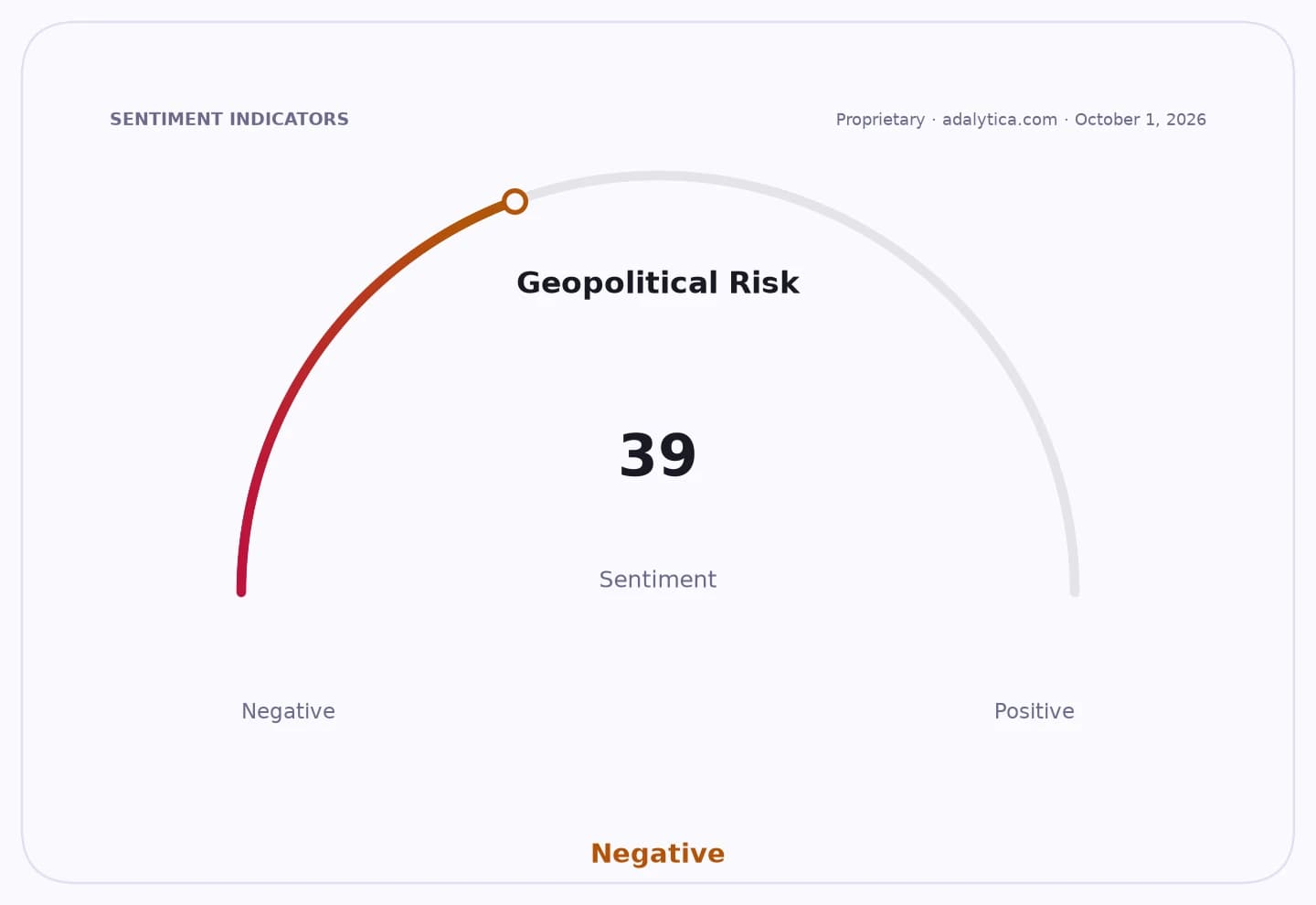
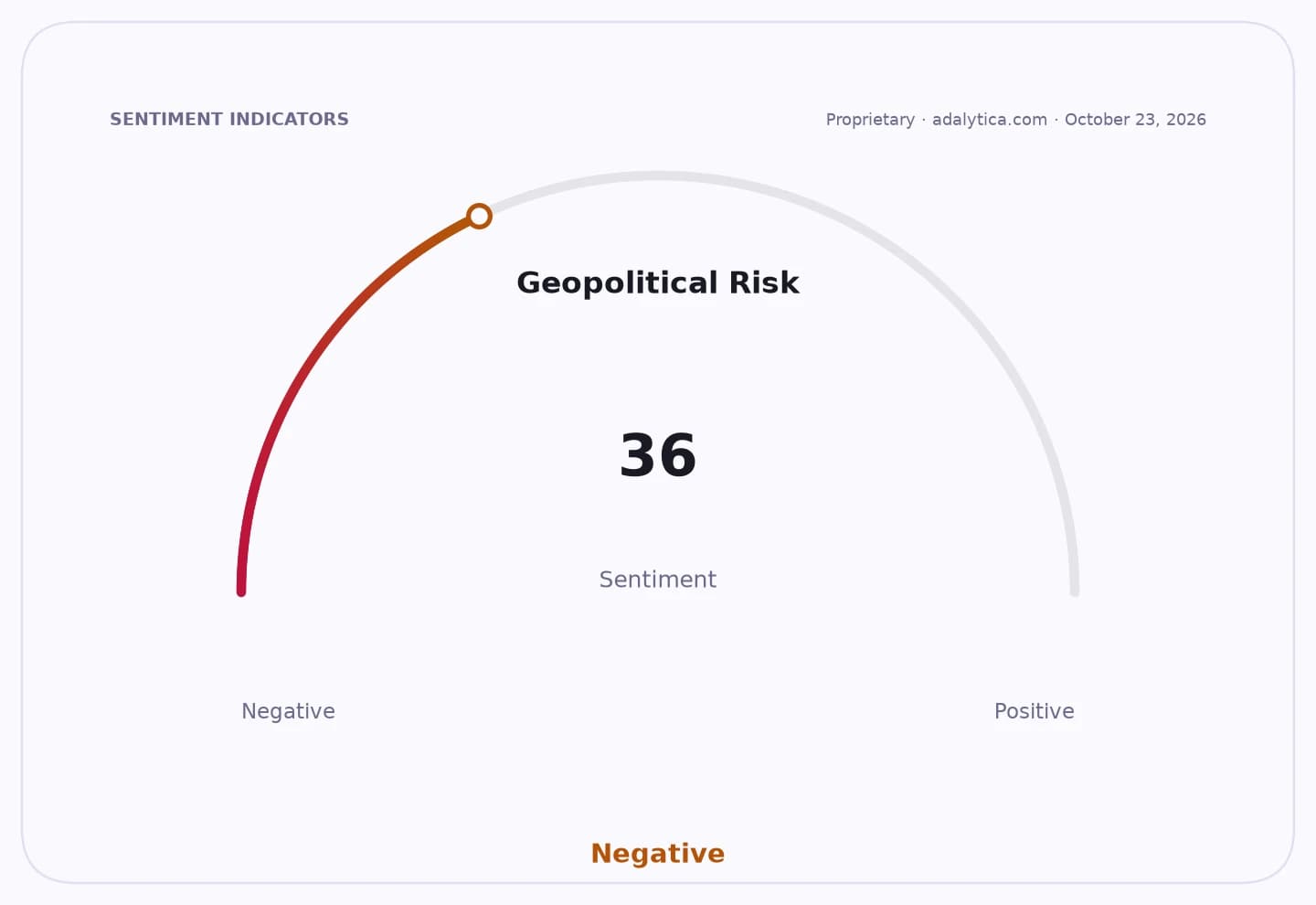
Geopolitical Risk — 30-day sentimentadalytica.com
Explore this data interactively — full history, time series and cross-market comparisons.Open AlphaPulse
The broader narrative is that Russia is trying to normalize and deepen relationships with Gulf states through regularized diplomacy rather than one-off summits. If those ties progress, the beneficiaries are Moscow and GCC governments seeking strategic flexibility; the losers are efforts to further isolate Russia diplomatically and economically.
| Entity | Gains | Losses |
|---|---|---|
| Russia | ▲Gulf access and trade ties | ▼Western isolation strategy |
| GCC states | ▲Diplomatic flexibility | ▼Pressure to align with blocs |
| Energy market participants | ▲More dialogue channels | ▼Clearer sanction leverage |
| Western policymakers | ▲— | ▼Reduced Moscow containment |