Vladimir Putin’s push for a three-way summit with Donald Trump and Xi Jinping, with Ukraine left out, is a bid to reshape the diplomacy around the war in Moscow’s favor — and it lands at a moment when markets are already pricing more geopolitical risk.
Putin Seeks Trump-Xi Summit Without Ukraine
For investors, that matters because any credible move toward a U.S.-Russia-China bargain would go far beyond Ukraine. It would touch energy markets, the dollar, safe-haven demand and the broader appetite for risk assets at a time when the world’s three biggest powers are once again testing each other’s leverage. If the talks advance, even informally, they could alter sanctions assumptions, trade flows and the premium investors demand for holding commodities and defense-linked assets.
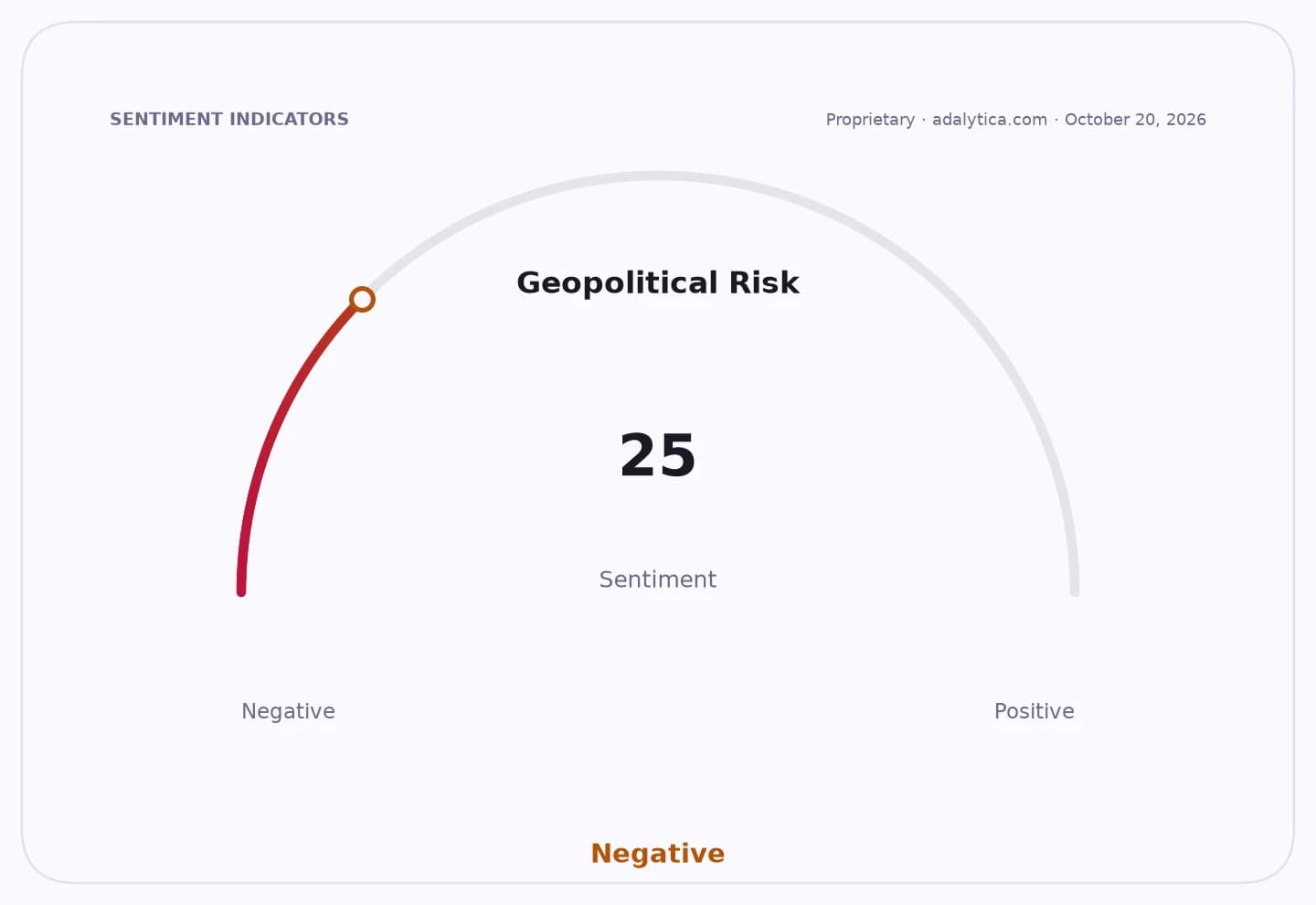
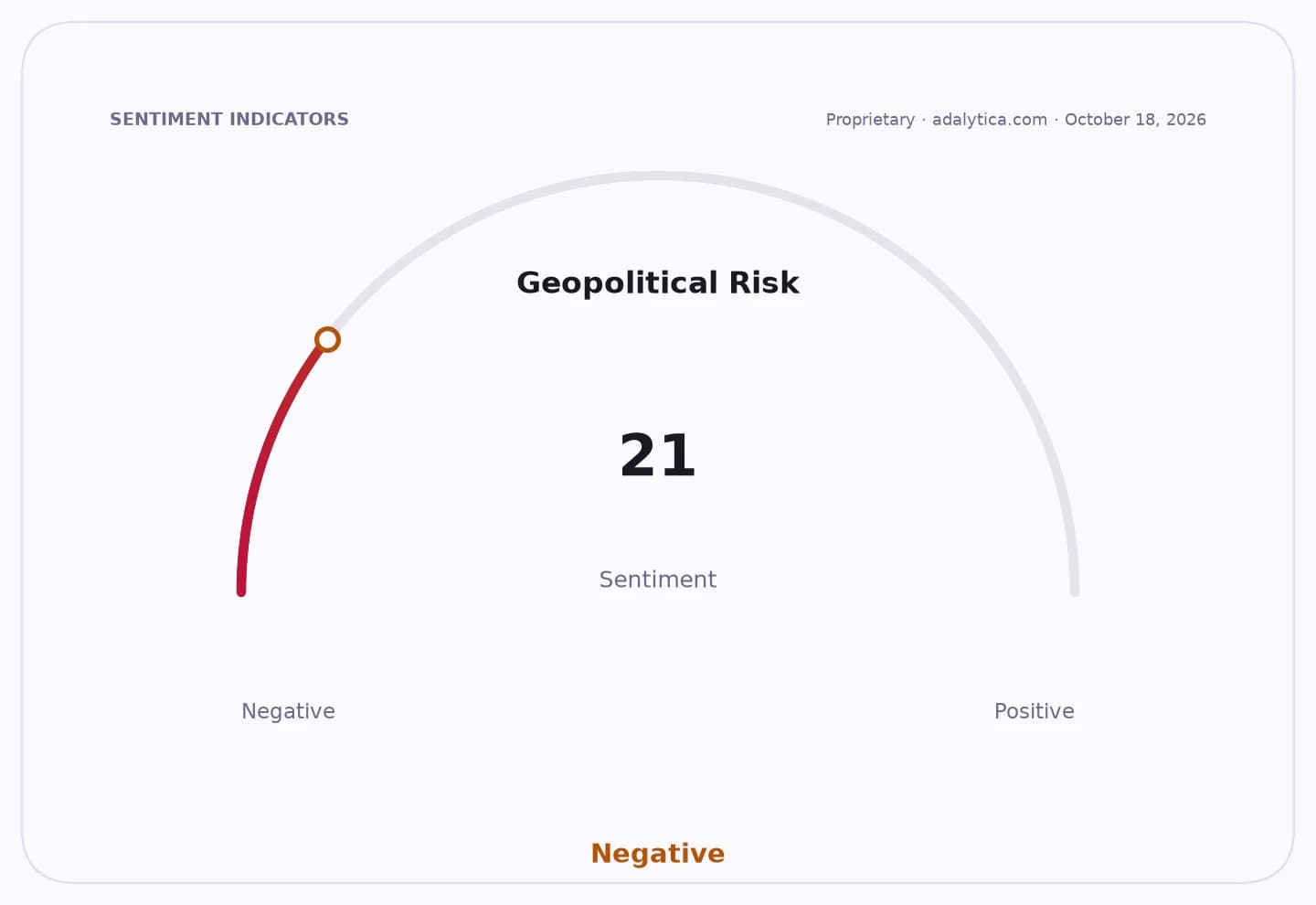
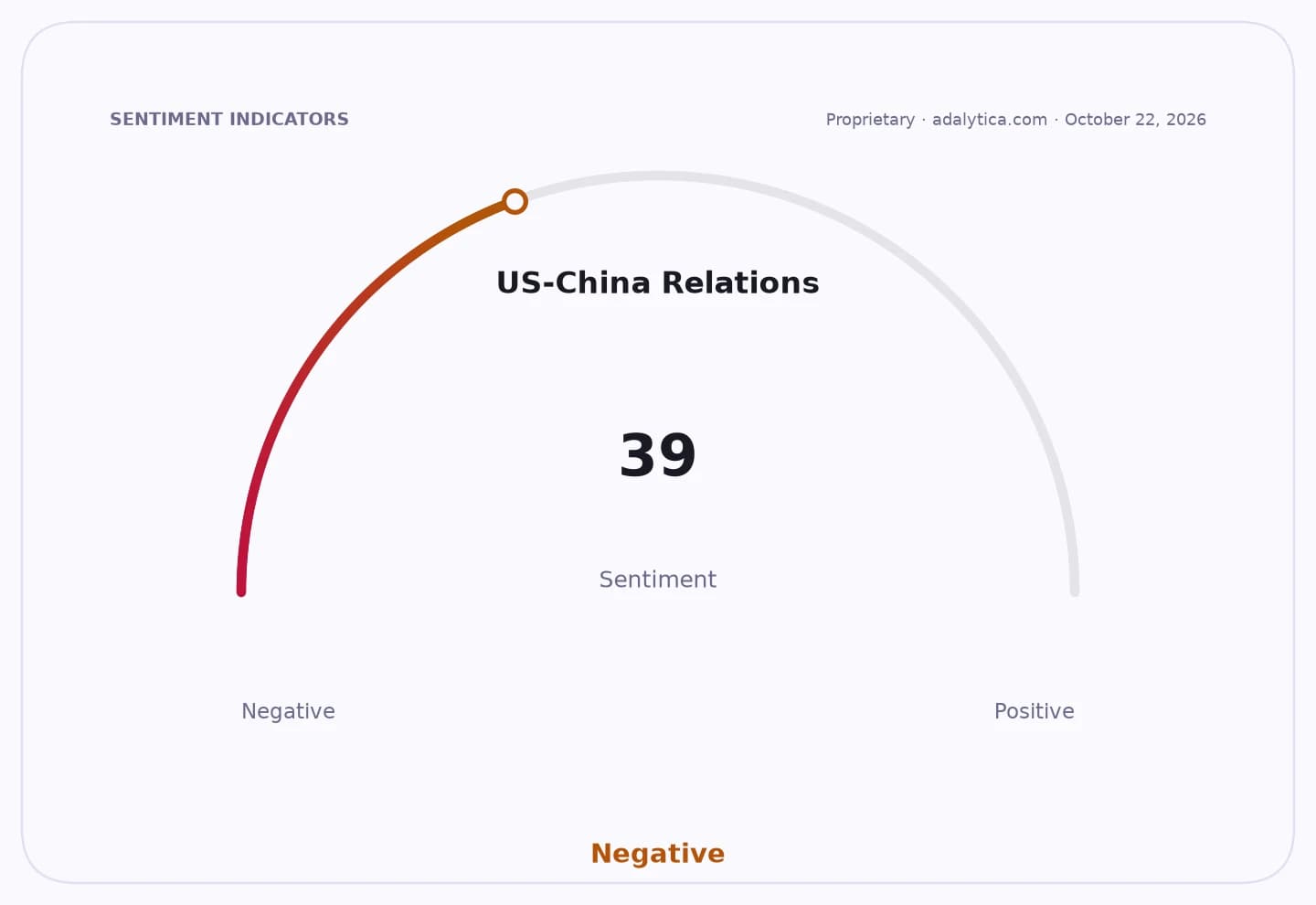
Sentiment IndicatorsⓘProprietary · adalytica.com · October 23, 2026
This is a snapshot — live sentiment, awareness and momentum for 130+ markets update continuously in the dashboard.Open AlphaPulse

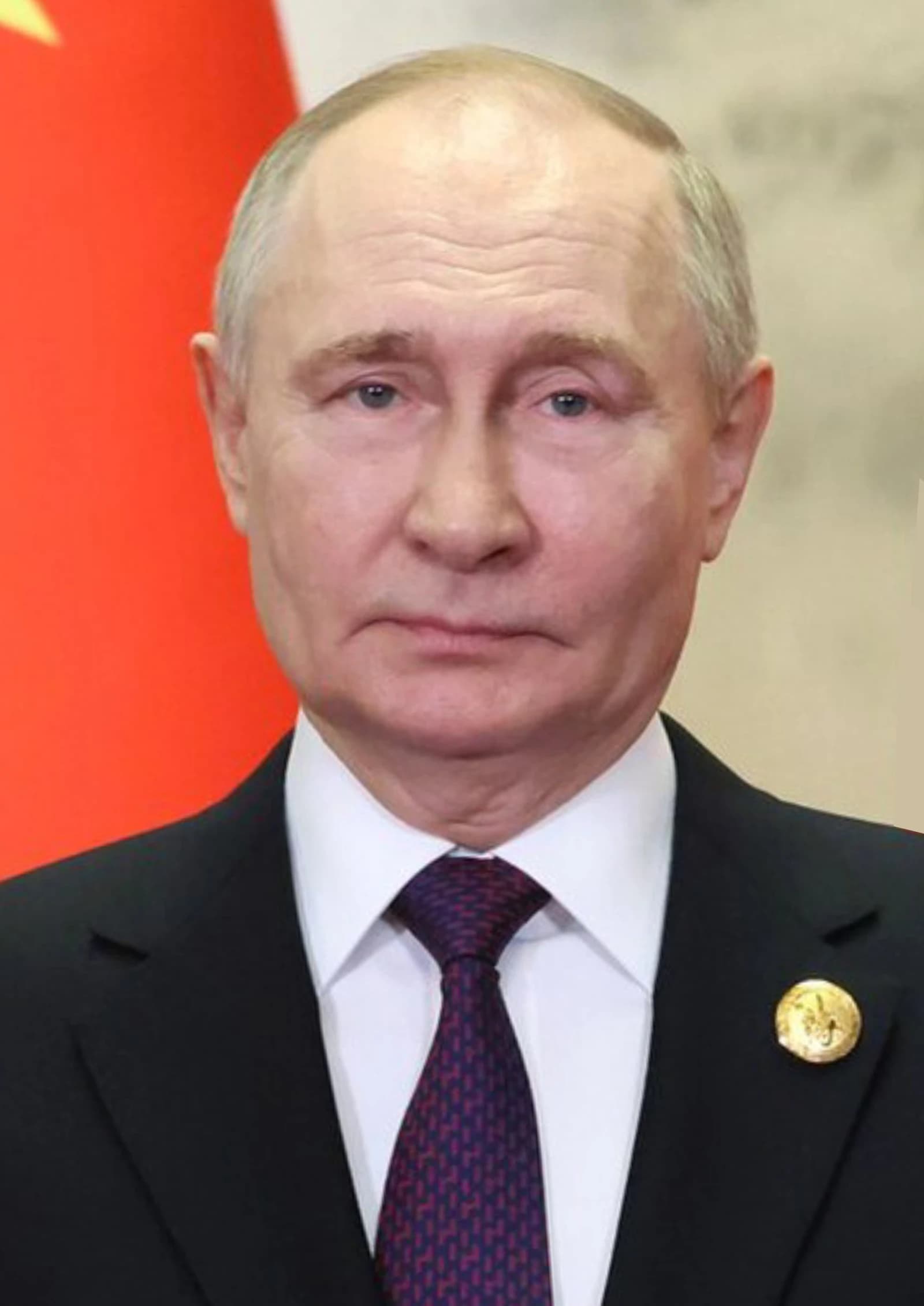
The proposal appears designed to exploit warmer ties between Trump and Putin, while also pulling China into a framework that could legitimize a settlement on terms that exclude Kyiv. The Wall Street Journal reported that Putin raised the idea in a phone call with Trump on Oct. 9, and Kremlin spokesman Dmitry Peskov confirmed that discussions are under way, though he said there is no clear agreement yet on the meeting itself or its agenda. A senior U.S. official told the paper Trump has not endorsed the summit, but may be open to it given his long-standing vow to end the war.
That ambiguity is exactly what markets dislike. Adalytica’s Global Stability Sentiment gauge is sitting at 36, labeled neutral, but awareness of geopolitical stress has plunged to an extreme-fear reading of 4, suggesting investors are not fully positioned for a sudden shift in diplomacy. The White House policy-direction gauge is even more strained, with sentiment at 4. In practical terms, that kind of uncertainty usually supports hedges rather than conviction.
The clearest market read-through is in commodities and the dollar. U.S. oil proxy USO has surged to 162.51 from 120.49 in late July, while gold proxy GLD, despite a recent pullback, remains well above where it was earlier this year. The dollar ETF UUP has also held firm near 28.9. That combination says investors still want protection against supply shocks, policy surprises and a possible breakdown in the geopolitical order. A summit that lowers war risk could cool some of that demand, but a failed or symbolic meeting could do the opposite.
There is also a larger strategic story here. Trump has made ending the war a signature promise, while China has little incentive to oppose a diplomatic format that sidelines Ukraine if it helps preserve its own flexibility with Washington and Moscow. Europe, meanwhile, would almost certainly view any deal struck over Kyiv’s head as a warning sign for the transatlantic security order.
For long-term investors, the lesson is not to chase headlines, but to recognize how quickly geopolitics can move asset prices across energy, metals, currencies and defense. If this summit idea gains traction, it could become a catalyst for short-term volatility — and a reminder that diversification still matters more than trying to predict the next summit. Worth watching.
| Entity | Gains | Losses |
|---|---|---|
| Russia | ▲Diplomatic leverage | ▼Isolation from sanctions pressure |
| Trump White House | ▲Chance to claim progress on Ukraine | ▼Risk of blowback if Ukraine is sidelined |
| China | ▲Greater strategic influence | ▼Pressure to commit publicly |
| Europe and Ukraine | ▲Little, unless they are included | ▼Exclusion from talks and security risk |