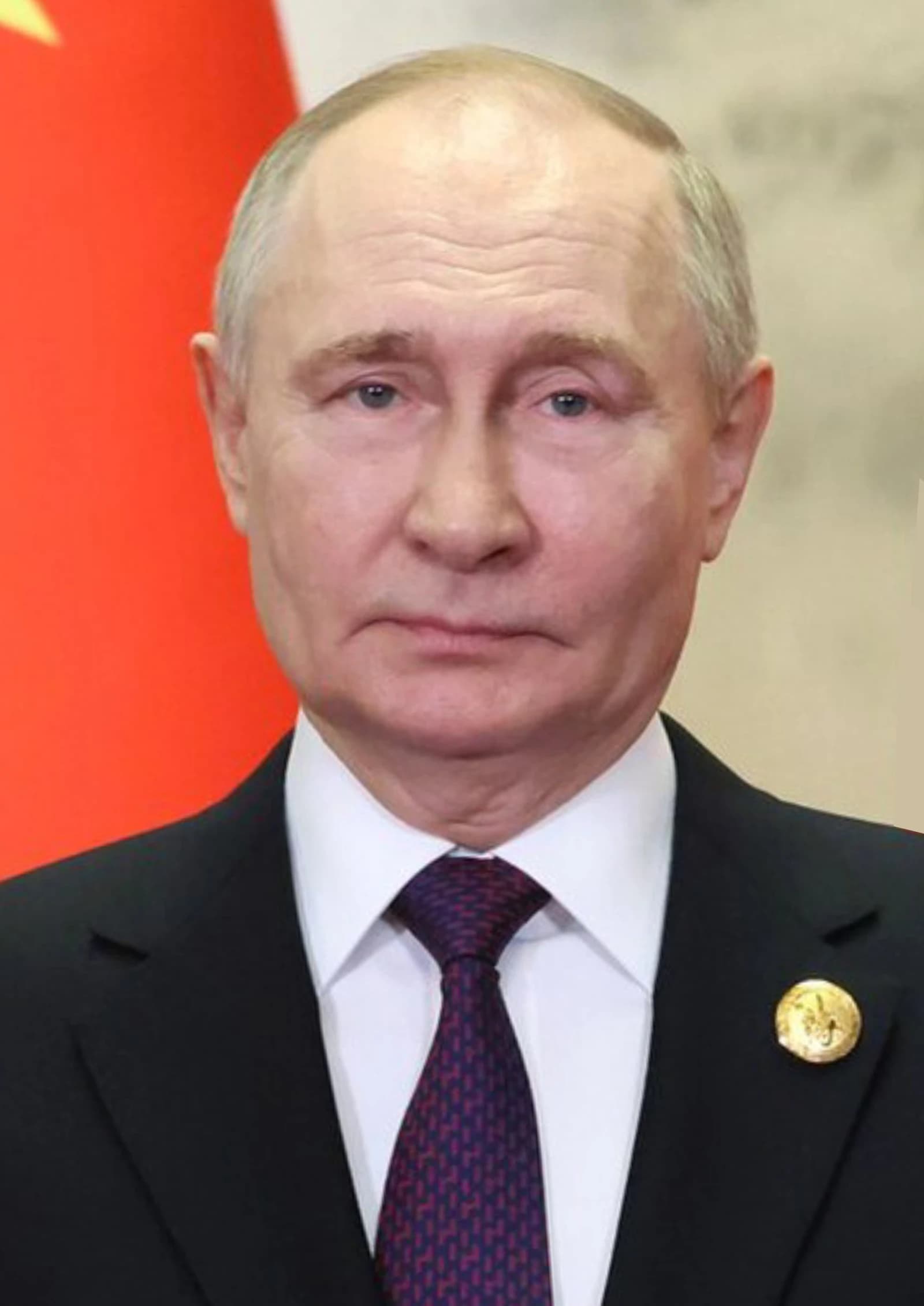
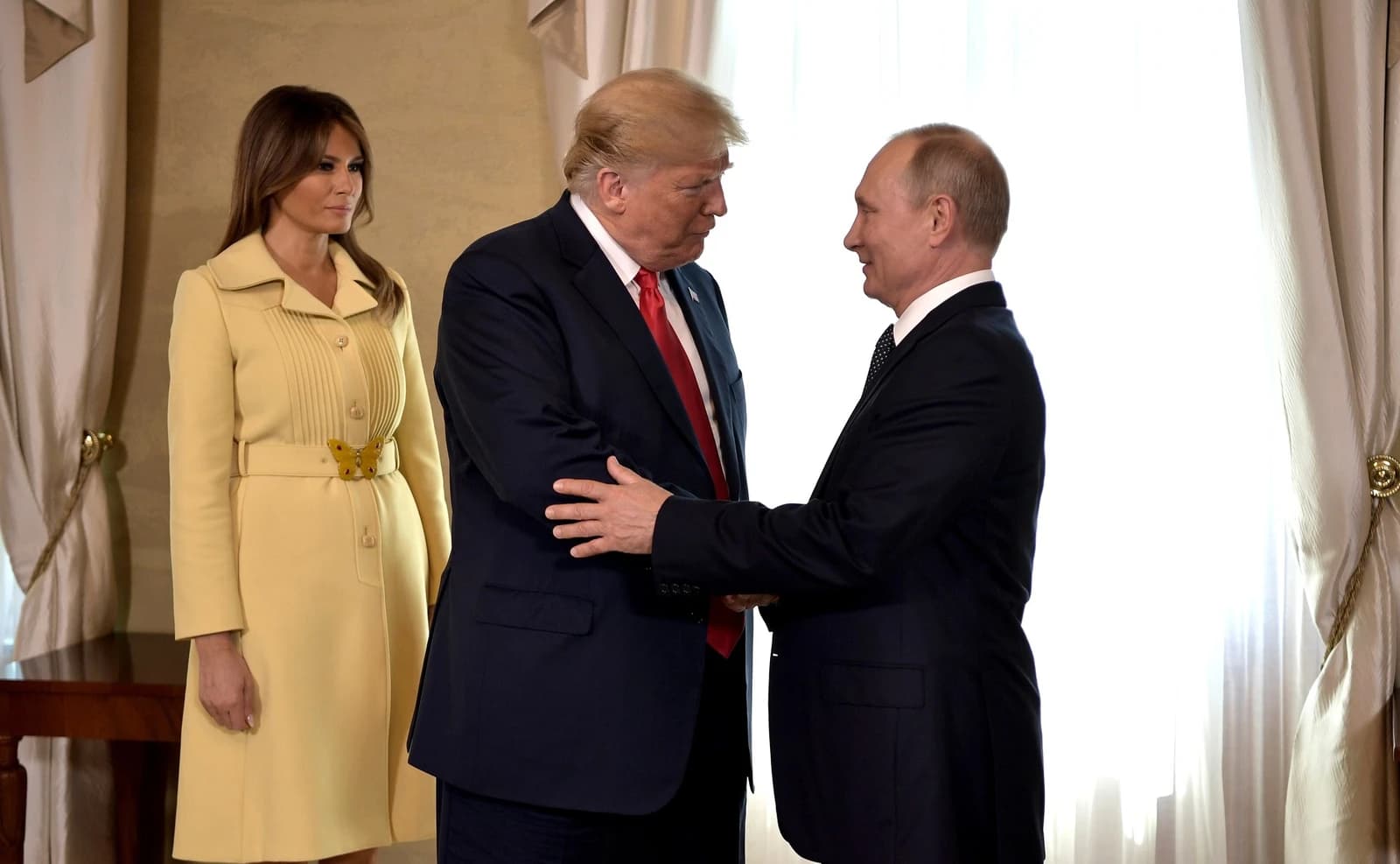
Ukrainian President Volodymyr Zelenskyy says Donald Trump is pressuring Kyiv to accept a deal that would amount to surrendering to Russia, sharpening concerns that the next phase of diplomacy could tilt toward a ceasefire on Moscow’s terms.
Ukraine Says Trump Pressuring Deal With Russia

The claim matters because any U.S.-led push to force concessions on Ukraine would change the balance of leverage in the war and test Western unity at a time when battlefield pressure remains intense. Ukraine is still under strain from Russian attacks on energy infrastructure, while officials say fighting continues across multiple fronts even as diplomatic efforts around an energy ceasefire remain uncertain.
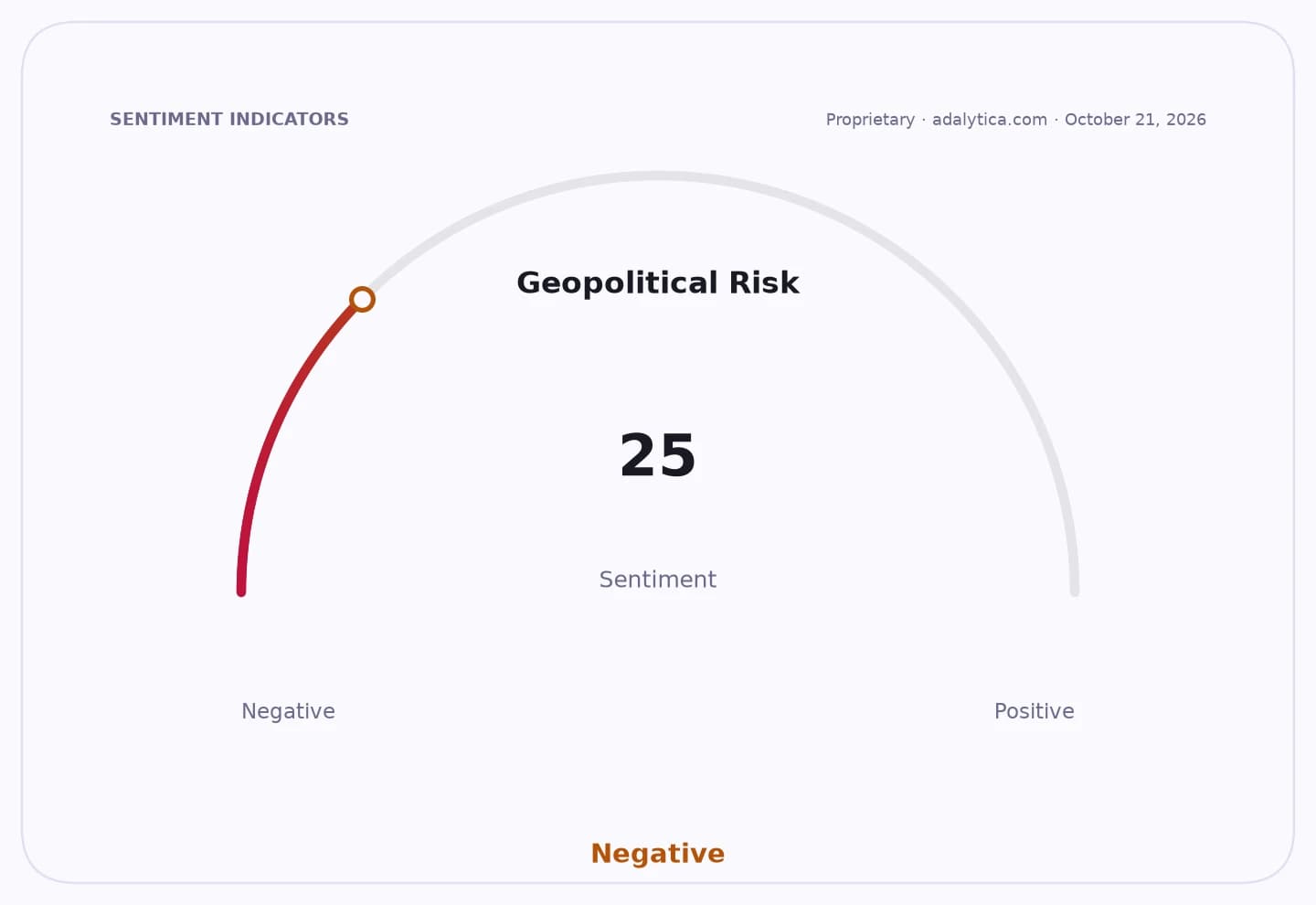
Sentiment IndicatorsⓘProprietary · adalytica.com · October 22, 2026
This is a snapshot — live sentiment, awareness and momentum for 130+ markets update continuously in the dashboard.Open AlphaPulse

For investors, the biggest readthrough is to European security risk, energy markets and defense spending. A harder line from Washington on Kyiv could ease the odds of immediate escalation, but it could also weaken the prospect of a durable settlement and keep sanctions, military demand and geopolitical volatility in place.
Markets tied to the conflict have already reflected that tension. Oil sentiment, as tracked by Adalytica’s oil trade signals, has collapsed to “Extreme Fear,” with the snapshot showing a sentiment score of 2 and a 92-point drop over 30 days, while the global stability gauge sits at 86, labeled “Extreme Greed,” highlighting a market still pricing in instability even as headlines shift.
Geopolitical Risk — 30-day sentimentadalytica.com
Explore this data interactively — full history, time series and cross-market comparisons.Open AlphaPulse
Defense names have also stayed bid. Lockheed Martin and RTX have both recovered from earlier weakness, with shares of LMT closing at $551.51 and RTX at $191.60 in the latest data, while the sector ETF XLE has climbed to $68.16, underscoring how geopolitical risk continues to support defense-linked equities and energy exposure.
The diplomatic fight now turns on whether Trump’s pressure can produce a ceasefire that Ukraine can accept without ceding too much ground, and whether Russia responds in kind. Any sign of a real breakthrough could quickly cool defense and energy risk premiums; failure would keep the market focused on prolonged conflict, sanctions and more military spending.
| Entity | Gains | Losses |
|---|---|---|
| Russia | ▲More leverage in talks | ▼Diplomatic isolation |
| Ukraine | ▲Potential ceasefire relief | ▼Risk of forced concessions |
| Defense contractors | ▲Sustained demand for weapons | ▼Less urgency if deal advances |
| Energy markets | ▲Volatility premium | ▼Demand for safe-haven hedges |