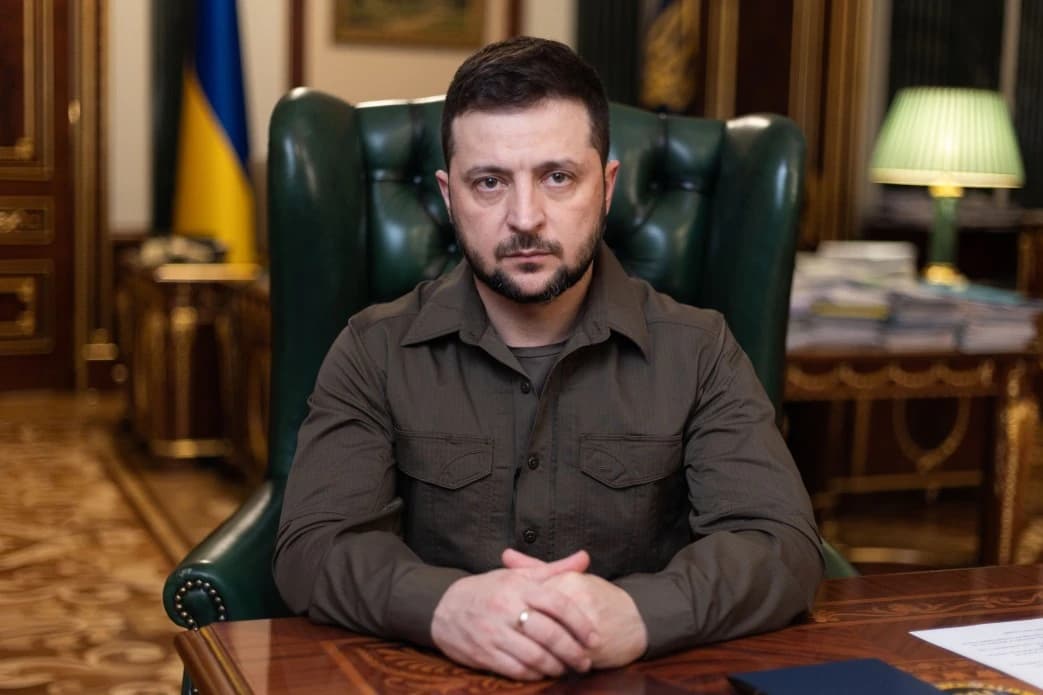
The biggest near-term shift for Ukraine is not on the battlefield but in the negotiating architecture: President Volodymyr Zelenskyy said the US negotiating team will keep working and that he expects Washington to pressure Vladimir Putin more than Kyiv as diplomacy around a possible ceasefire accelerates.
Ukraine talks shift focus to US pressure on Russia
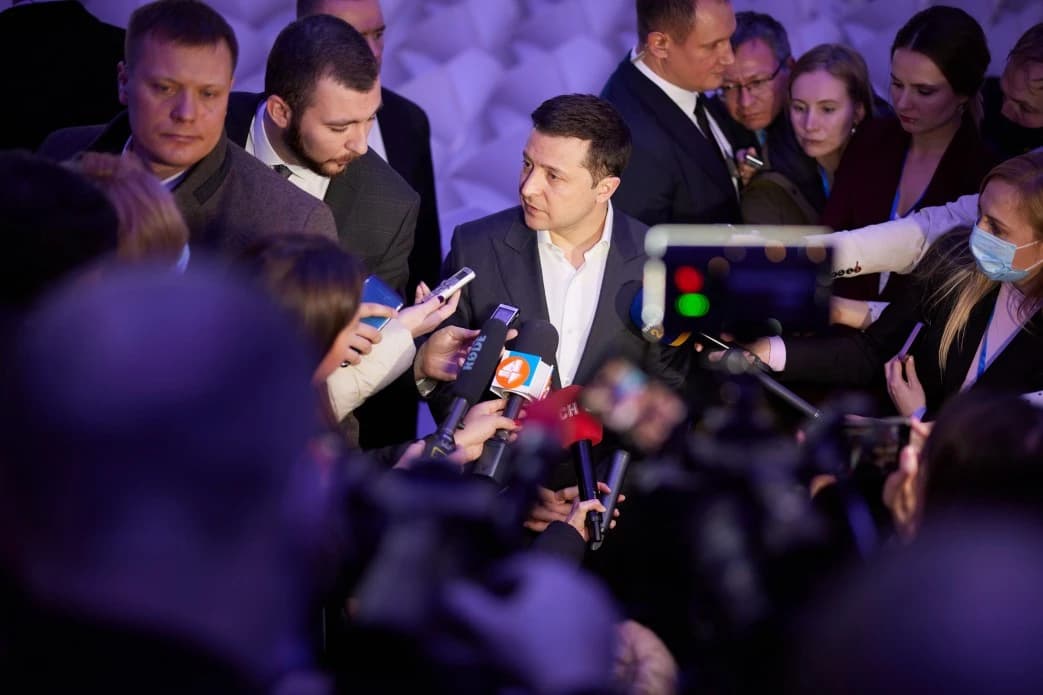
That matters because any serious push toward talks can move markets long before it changes the war itself. Investors have learned that geopolitics now travels through energy, defense, currencies and sovereign risk almost as quickly as it does through diplomacy. A credible US-led process could ease some risk premia across Europe, while a failed one would keep pressure on regional assets and reinforce the case for defense spending, energy security and sanctions-sensitive trades.

Zelenskyy’s remarks point to a more fragmented but more active negotiation map. The US is trying to keep a channel open, Europe is being pushed to build its own “infrastructure and direction” for talks with Russia, and Turkey and Middle Eastern states are being floated as possible venues. That suggests the next phase of diplomacy may be less about one grand summit than a layered process involving Washington, Brussels, Kyiv and intermediaries such as Ankara, the UAE or Saudi Arabia.
The economic stakes are straightforward. If talks reduce the odds of escalation, European risk assets could get relief, shipping and commodity markets could price in less disruption, and energy importers would benefit from lower tail risks. If talks fail, the market’s current bias toward caution will likely persist, especially in sectors tied to industrial power costs, grain flows and cross-border trade. The region’s war premium has not vanished; it is simply being repriced around each diplomatic headline.
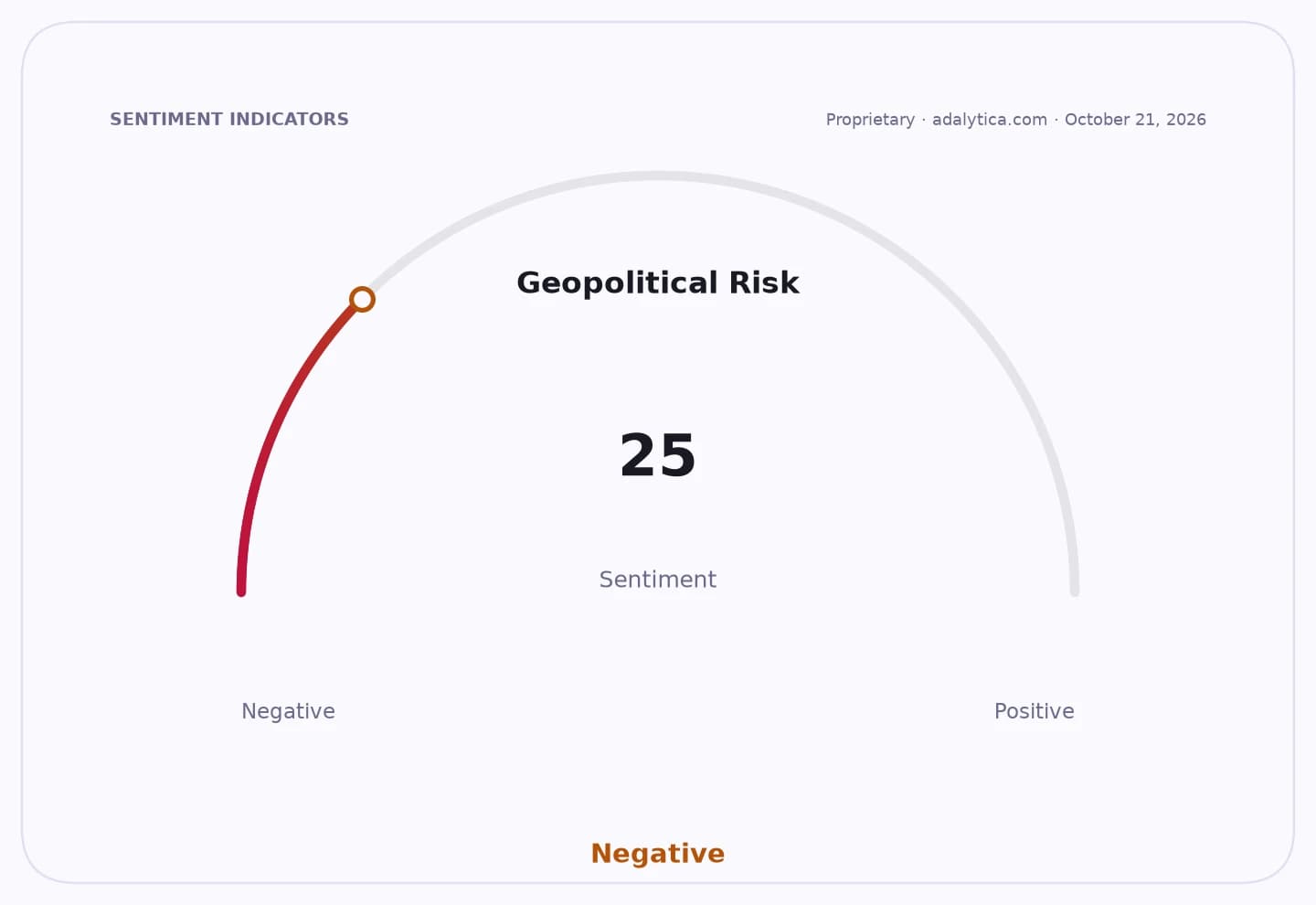
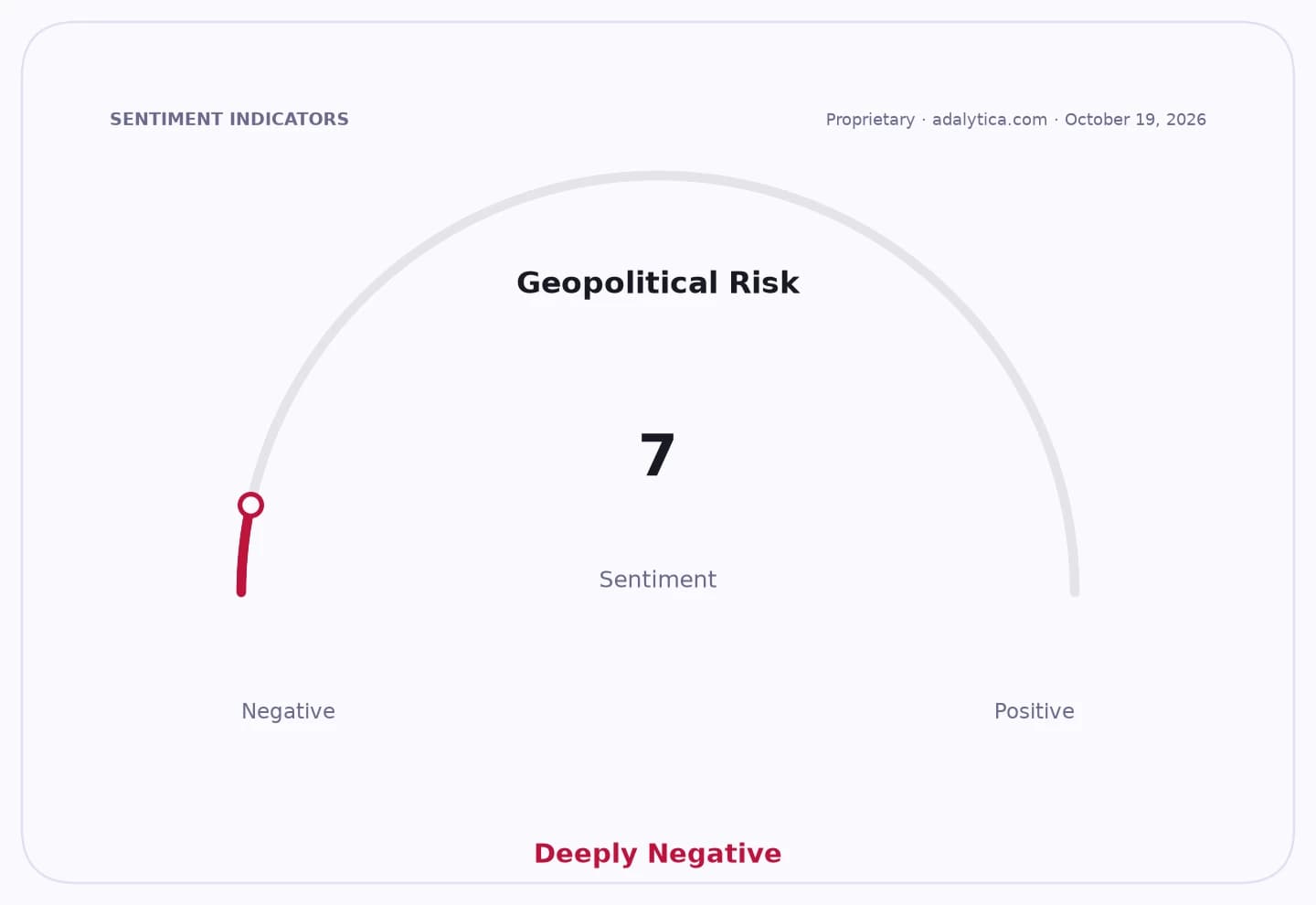
Geopolitical Risk — 30-day sentimentadalytica.com
Explore this data interactively — full history, time series and cross-market comparisons.Open AlphaPulse
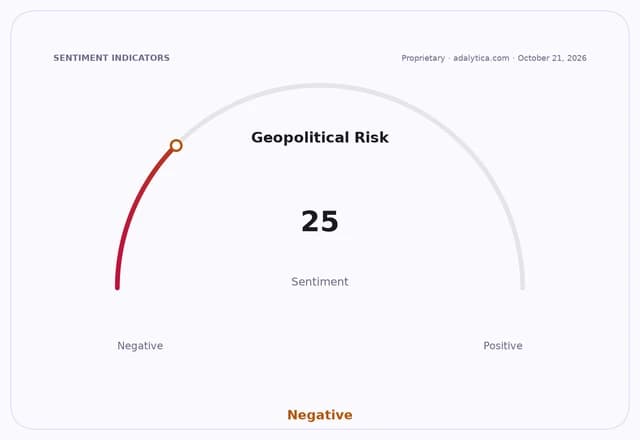
That tension is already visible in market behavior. Japan’s yen has been drifting near the 58-59 level in FXY, while the broader S&P 500 has held up near record territory, suggesting global investors still prefer growth and liquidity over overt crisis hedging. Yet the Adalytica Global Stability Sentiment gauge remains in Fear at 25, with awareness at Extreme Fear, underscoring how fragile the geopolitical backdrop remains even as headline markets stay resilient.
For investors, the key point is that peace-process headlines are not a reason to abandon the war trade; they are a reason to refine it. A more serious diplomatic track can punish the most crowded safe-haven bets, but it also creates opportunities in reconstruction-linked names, European cyclicals, transport, and energy users if risk appetite improves. At the same time, any sign that negotiations are merely tactical will keep defense, cybersecurity and energy-security spending in play.
Zelenskyy also said Russia may be trying to deploy ballistic missiles in Belarus, a reminder that the upside path for diplomacy remains constrained by hard security realities. That is why this story is less about imminent peace than about bargaining power. The market is being asked to price two competing truths at once: talks are moving, but war risk is still embedded.
The investable takeaway is clear: stay positioned for volatility, but do not ignore the asymmetry. If Washington can keep Moscow under pressure while Europe builds a more coordinated negotiating lane, the next leg of this story could favor European assets, defense winners and postwar reconstruction themes more than it rewards a simple flight to safety.
| Entity | Gains | Losses |
|---|---|---|
| Ukraine | ▲stronger negotiating leverage | ▼pressure if talks exclude Kyiv |
| US diplomacy team | ▲renewed relevance | ▼blamed if talks stall |
| European allies | ▲own negotiating channel | ▼sidelined if Washington dominates |
| Defense stocks | ▲higher spending case if talks fail | ▼less urgency if truce gains traction |