Xi Jinping is signaling that Beijing has no immediate interest in cooling relations with Moscow, even as Donald Trump’s return to the center of U.S. politics keeps pressure on China and Russia’s strategic alignment in focus.
China and Russia reaffirm ties as Trump returns
The Chinese president told Russia’s Security Council secretary Sergey Shoigu that China and Russia are “true friends” and “friendly neighbors” that have overcome “a series of challenges,” according to China Central Television. The message matters because it underscores that Beijing sees the partnership with Moscow as durable despite Washington’s efforts to pull the two powers apart.
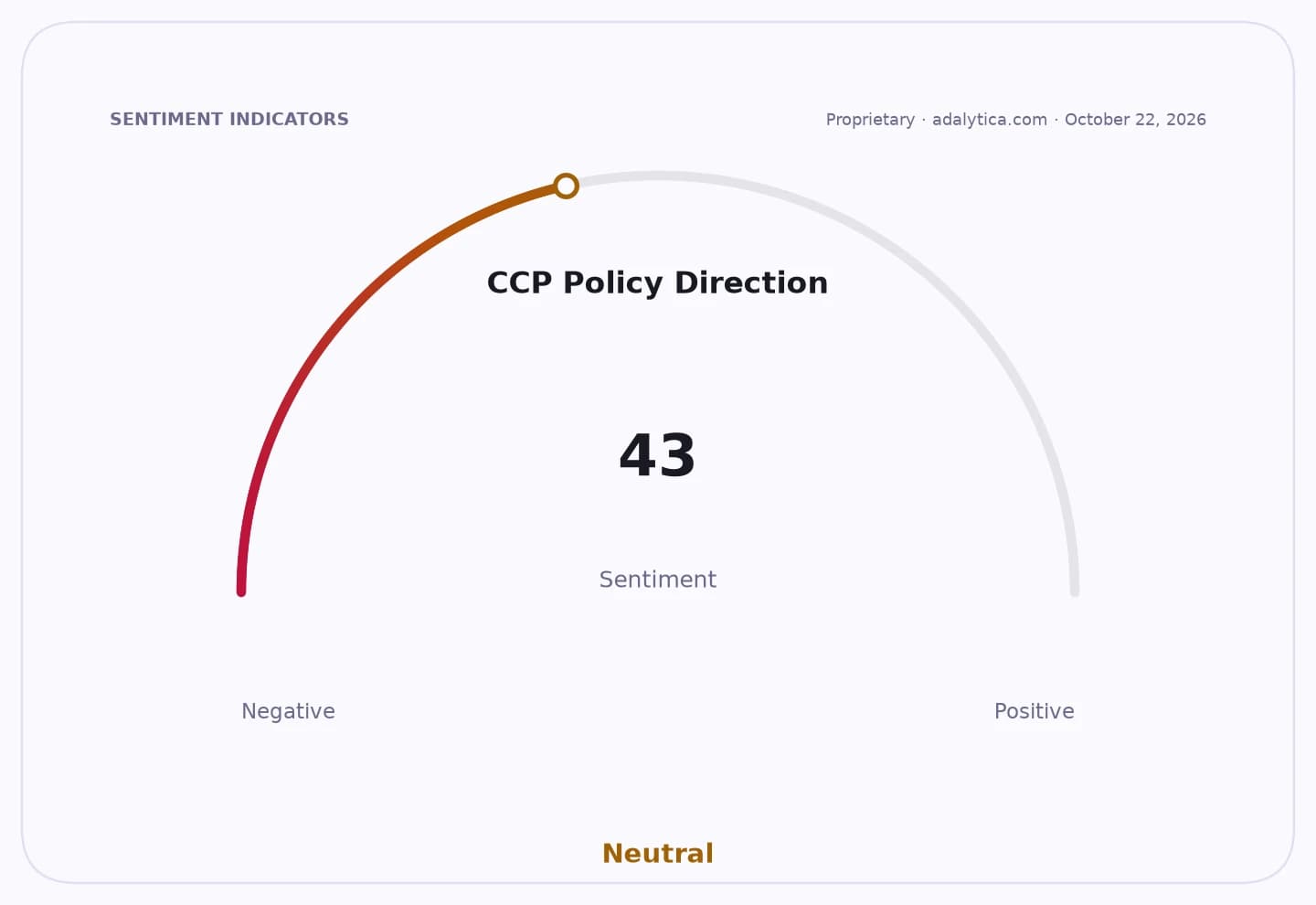
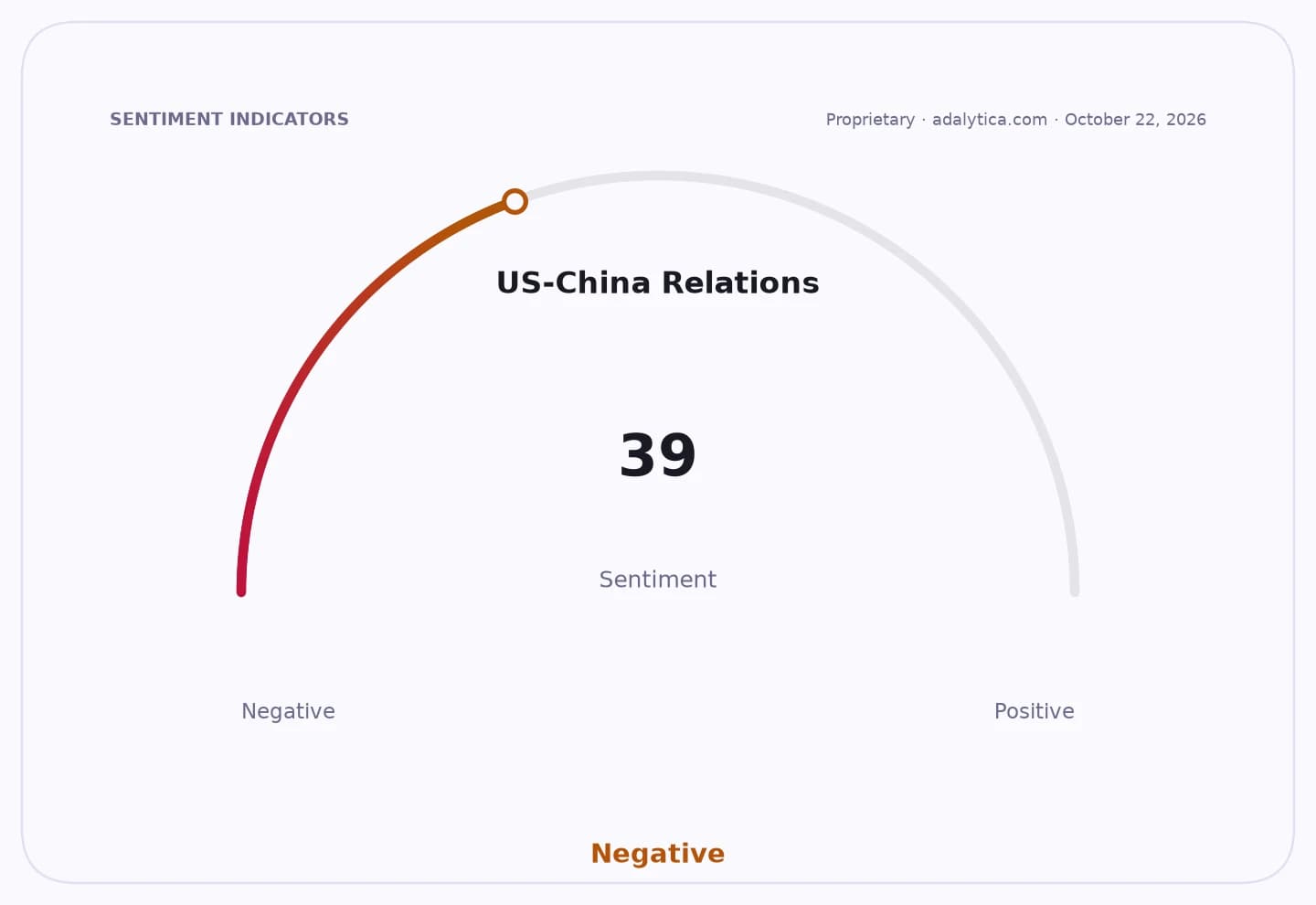
Sentiment IndicatorsⓘProprietary · adalytica.com · October 22, 2026
This is a snapshot — live sentiment, awareness and momentum for 130+ markets update continuously in the dashboard.Open AlphaPulse
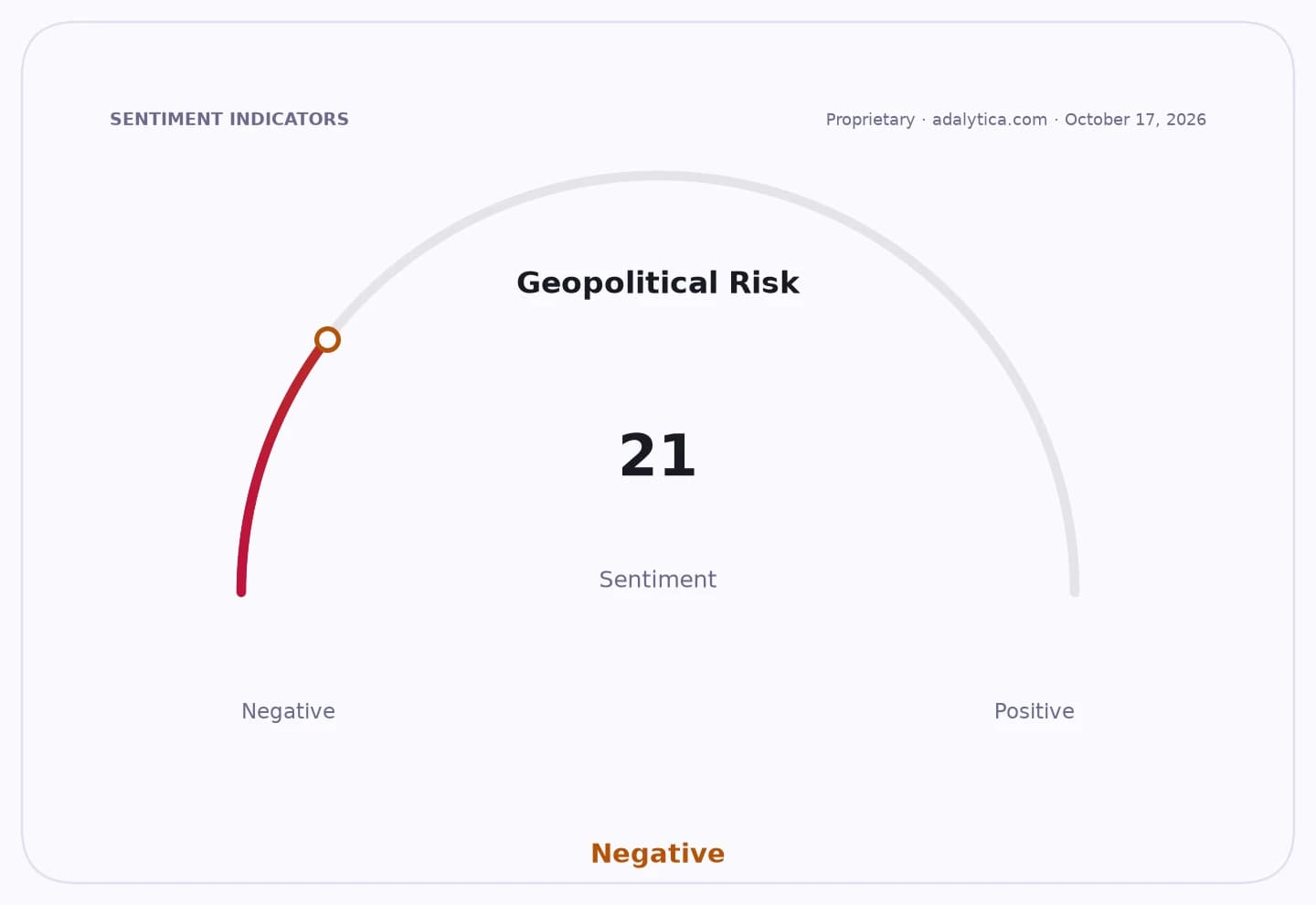
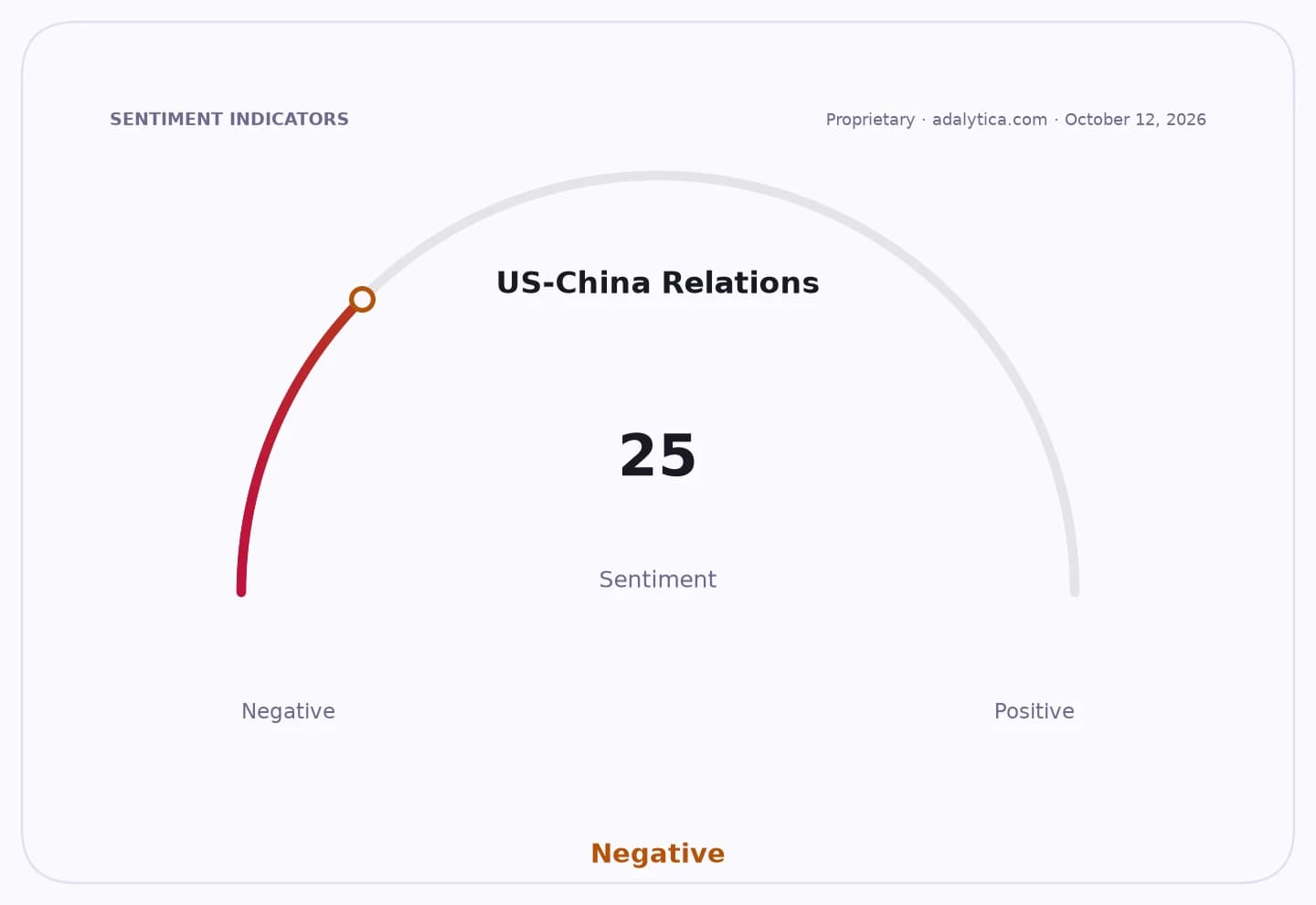
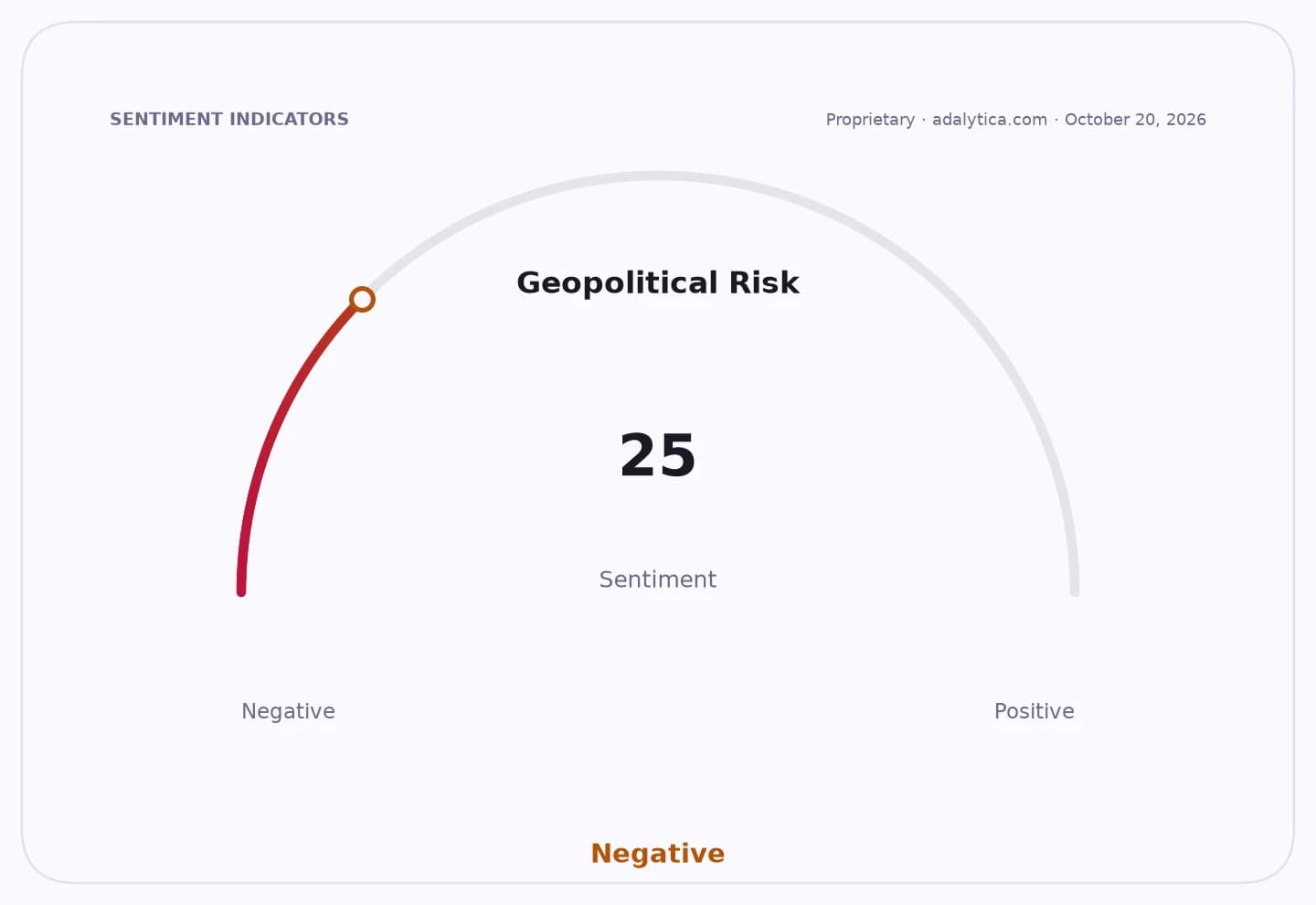
For investors, the statement reinforces a geopolitical backdrop that tends to support defense spending, sanctions risk and safe-haven demand, while keeping pressure on global trade sentiment. Adalytica’s U.S.–China relations gauge shows sentiment at 39, in neutral territory but down 11 points on the day and 50 points over the past week, a sign that friction risk remains elevated.
The remarks come as Putin continues engaging Trump, whose administration has repeatedly clashed with China over trade and broader strategic issues. That mix leaves markets with a familiar setup: tighter geopolitical blocs, more policy uncertainty and less room for investors to assume any thaw between the U.S. and China will spill over into Russia ties.
China’s message also suggests Moscow remains a useful partner as both countries push back against Western influence. That keeps energy, commodity, shipping and defense-related assets in focus, especially if Washington responds with tougher sanctions or new restrictions on technology and finance flows.
For FX and equities, the read-through is modest but clear: a stronger China-Russia axis is supportive for volatility and demand for U.S. dollar hedges, even as Chinese assets may see intermittent relief if markets interpret the message as stability rather than escalation. The next catalyst is any fresh Trump commentary on China or Russia, or any move by Washington that tests how far Beijing is willing to go in backing Moscow.
| Entity | Gains | Losses |
|---|---|---|
| China and Russia | ▲stronger strategic alignment | ▼less room for U.S. reset |
| U.S. dollar and safe havens | ▲higher geopolitical demand | ▼risk assets on tension |
| Defense and sanctions-sensitive sectors | ▲more policy tailwinds | ▼importers and exporters |
| Global equities | ▲clarity on bloc politics | ▼lower risk appetite |