Timor-Leste’s president has offered Beijing an unusual public endorsement at a time when trade frictions and war are still rippling through emerging markets, saying China is not a threat to global security even as he framed it as a rival to the U.S. and other major powers.
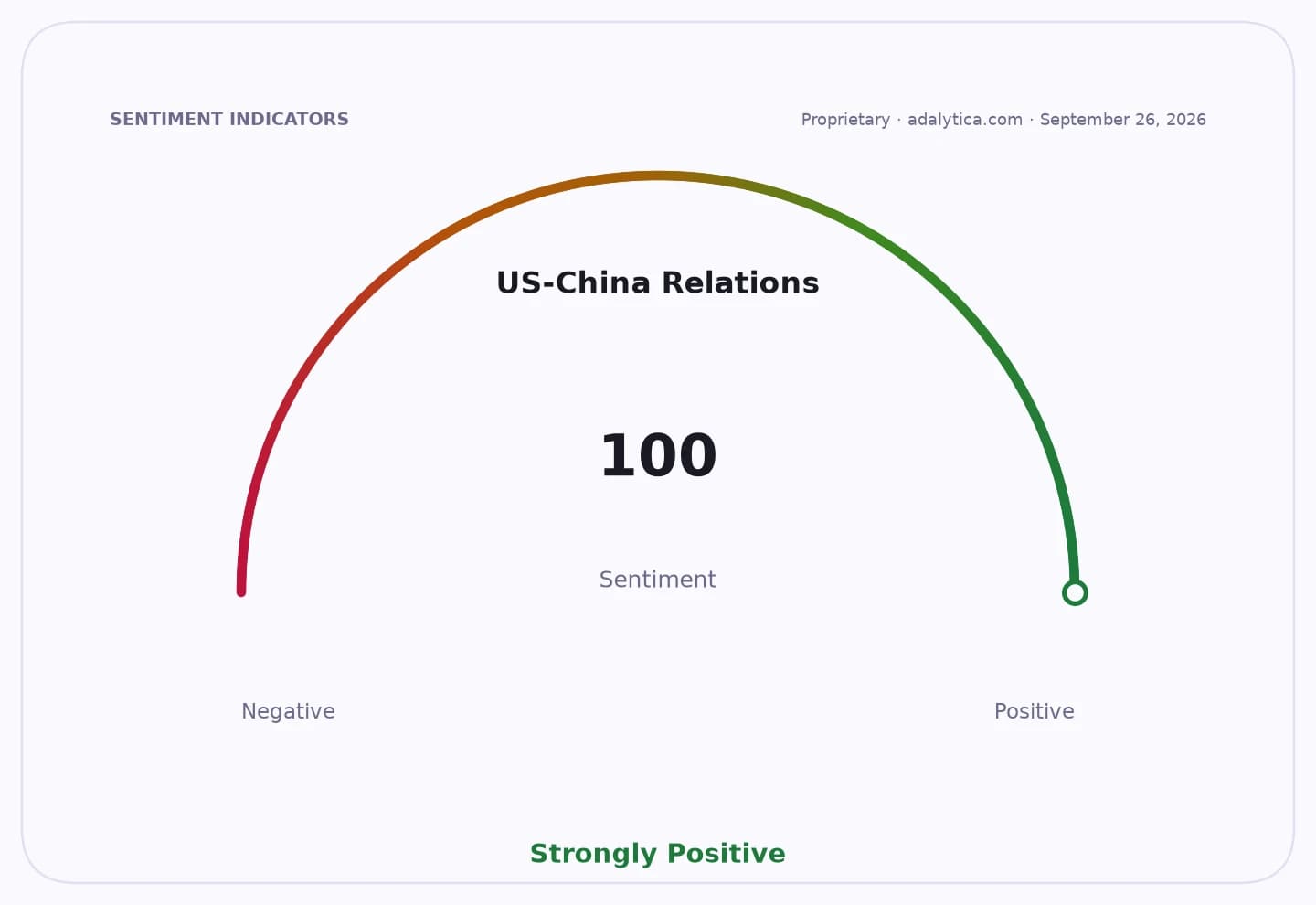
China, FXI and MCHI Face Geopolitical Pressure
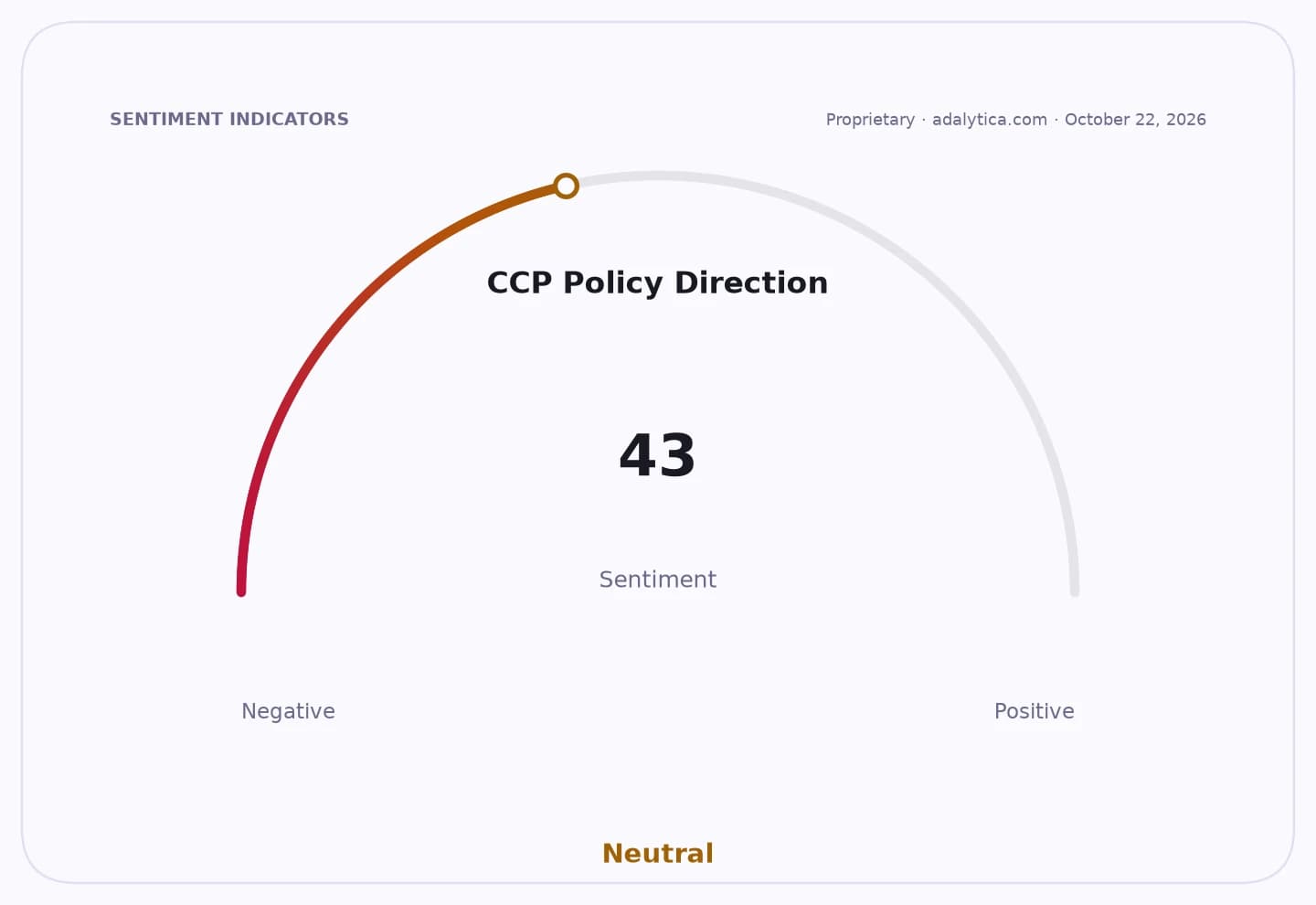
That matters because the message goes beyond diplomatic niceties: it reinforces how smaller economies are increasingly navigating a multipolar world in which China is both a commercial counterweight to the West and a central force in regional supply chains, infrastructure financing and commodity demand. For investors, that keeps the China trade politically complicated but economically unavoidable.
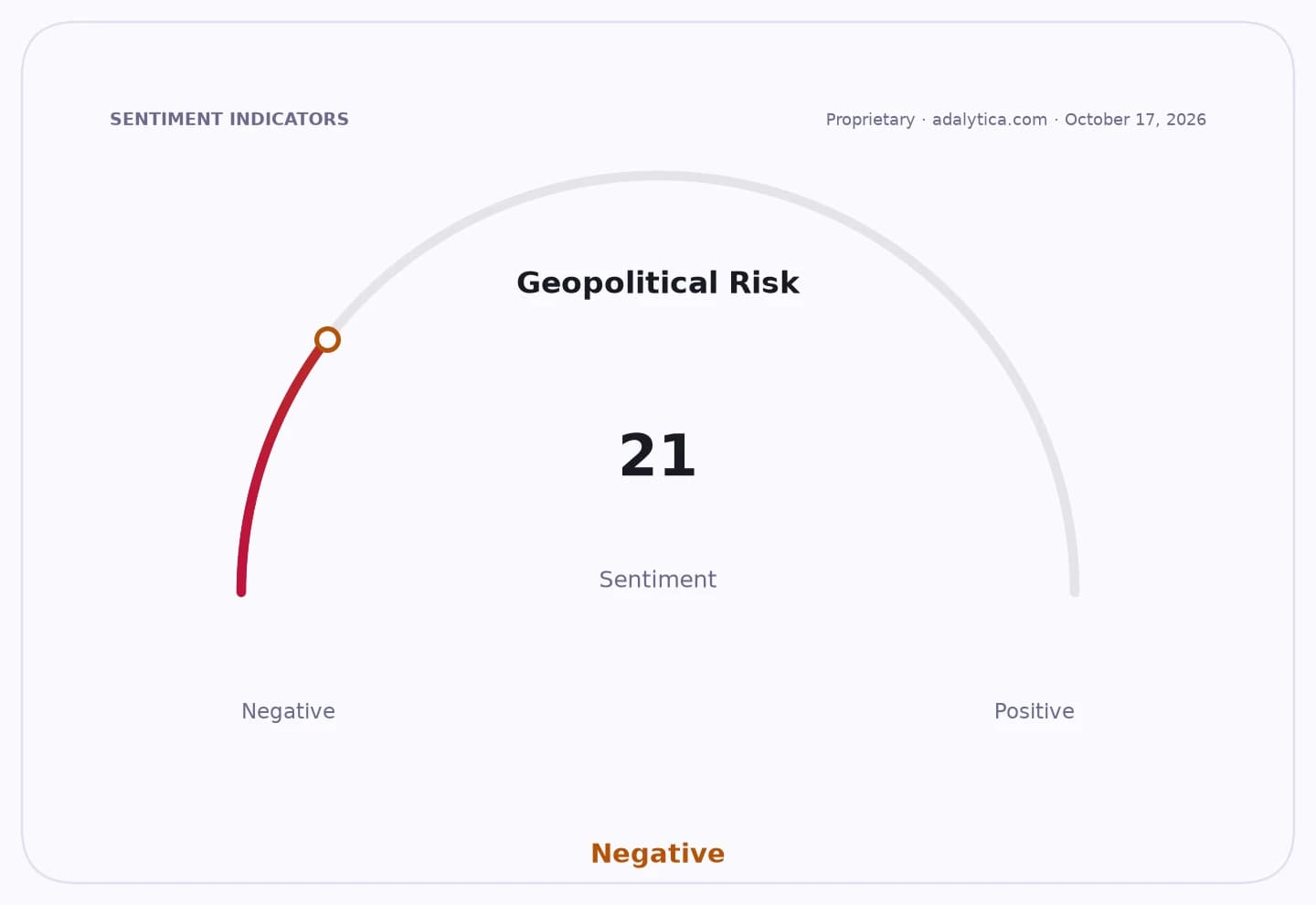
Sentiment IndicatorsⓘProprietary · adalytica.com · October 22, 2026
This is a snapshot — live sentiment, awareness and momentum for 130+ markets update continuously in the dashboard.Open AlphaPulse
José Ramos-Horta made the comments Thursday at the Estoril Conference in Portugal, while urging peace talks over Gaza and Ukraine and warning that conflicts far from the Pacific still hit peripheral economies hard. He said when the war in Ukraine began, the price of 25 kilograms of rice in Timor-Leste jumped from $11 to $20 almost overnight.
That is the real investment lesson here. Geopolitics is no longer abstract: it shows up in food inflation, import costs, transport routes and risk premiums. For countries like Timor-Leste, which rely on imports and are exposed to global price shocks, every escalation in Europe or the Middle East is an immediate terms-of-trade hit. For investors, that supports the case for owning assets tied to food security, shipping resilience, energy infrastructure and supply-chain reconfiguration.
CCP Policy Direction vs FXIadalytica.com
Explore this data interactively — full history, time series and cross-market comparisons.Open AlphaPulse
The market backdrop remains mixed. China-focused equities, as tracked by FXI and MCHI, have struggled to sustain momentum, while broader emerging-market exposure via EEM has also been choppy. Standard technical indicators on those funds show fading momentum in recent sessions, with price action slipping back toward or below key moving averages. That suggests investors are still demanding a discount for China risk even as policymakers in smaller nations continue to treat Beijing as an indispensable economic partner.
The bigger narrative is that emerging-market diplomacy is being reshaped by cost-of-living pressure. Leaders from the periphery are not choosing sides in the way Washington would prefer; they are trying to preserve trade, keep financing open and avoid imported inflation. That gives China room to remain commercially relevant even as security tensions persist from the South China Sea to Ukraine.
My view is that this is precisely why investors should not confuse geopolitical noise with a structural retreat from China-linked assets. The better trade is not a blind bet on Beijing, but selective exposure to the companies and ETFs that profit from a fragmented world: agricultural exporters, logistics operators, defense suppliers and infrastructure builders. The next catalyst is likely to come from another shock to energy or food prices — and when it does, the market will remember that the farthest economies often feel the pain first.
| Entity | Gains | Losses |
|---|---|---|
| China | ▲diplomatic legitimacy | ▼security hawk narrative |
| Timor-Leste | ▲trade flexibility | ▼strategic neutrality pressure |
| Food importers | ▲urgency for stockpiles | ▼higher staple costs |
| FXI/MCHI holders | ▲selective rebounds | ▼policy and geopolitics discount |