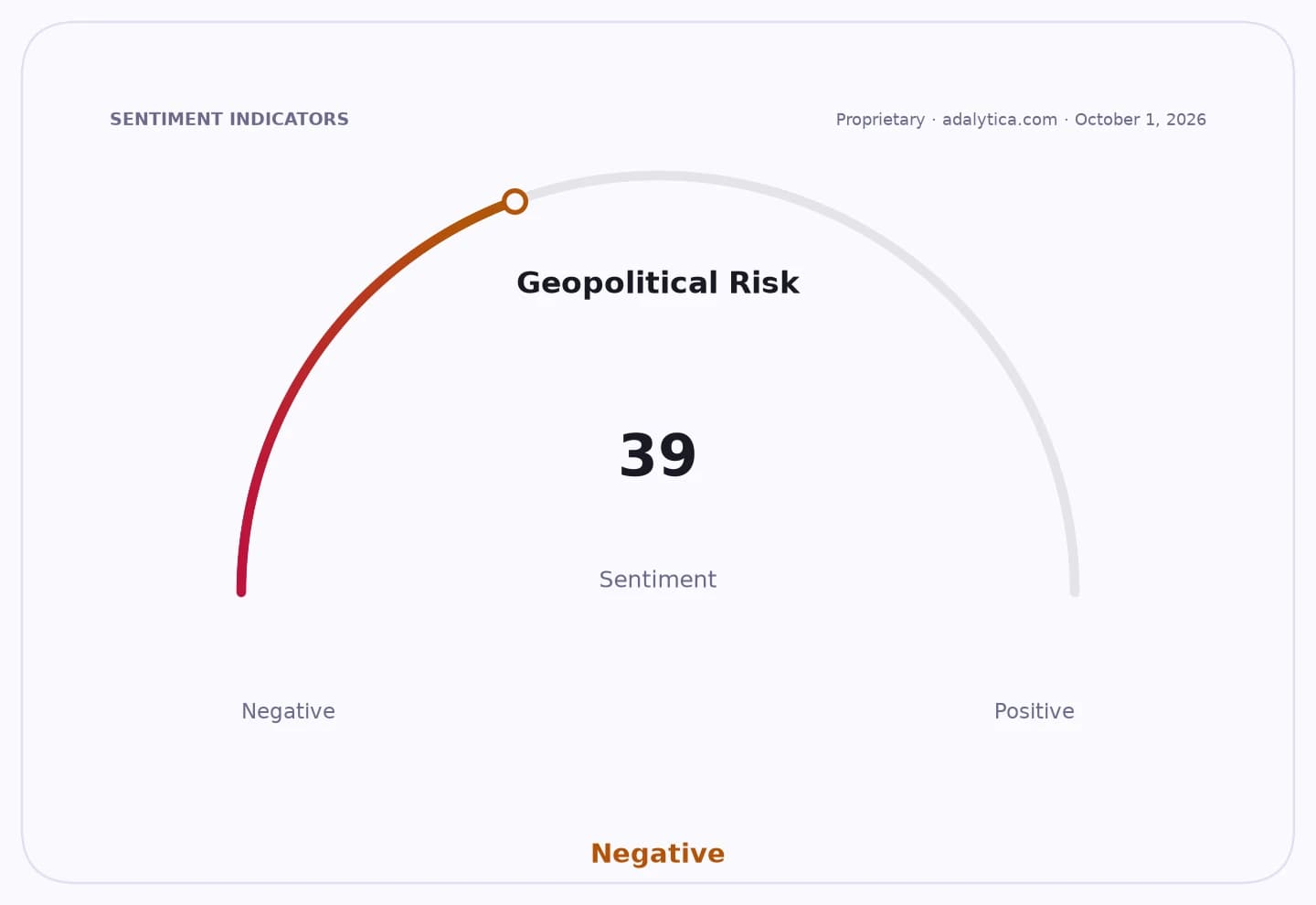
Russia says it will not accept fresh U.S. sanctions on Cuba, escalating a geopolitical confrontation that could deepen Havana’s fuel crisis and widen the split between Washington and Moscow in Latin America.
Russia Backs Cuba Amid U.S. Sanctions Pressure
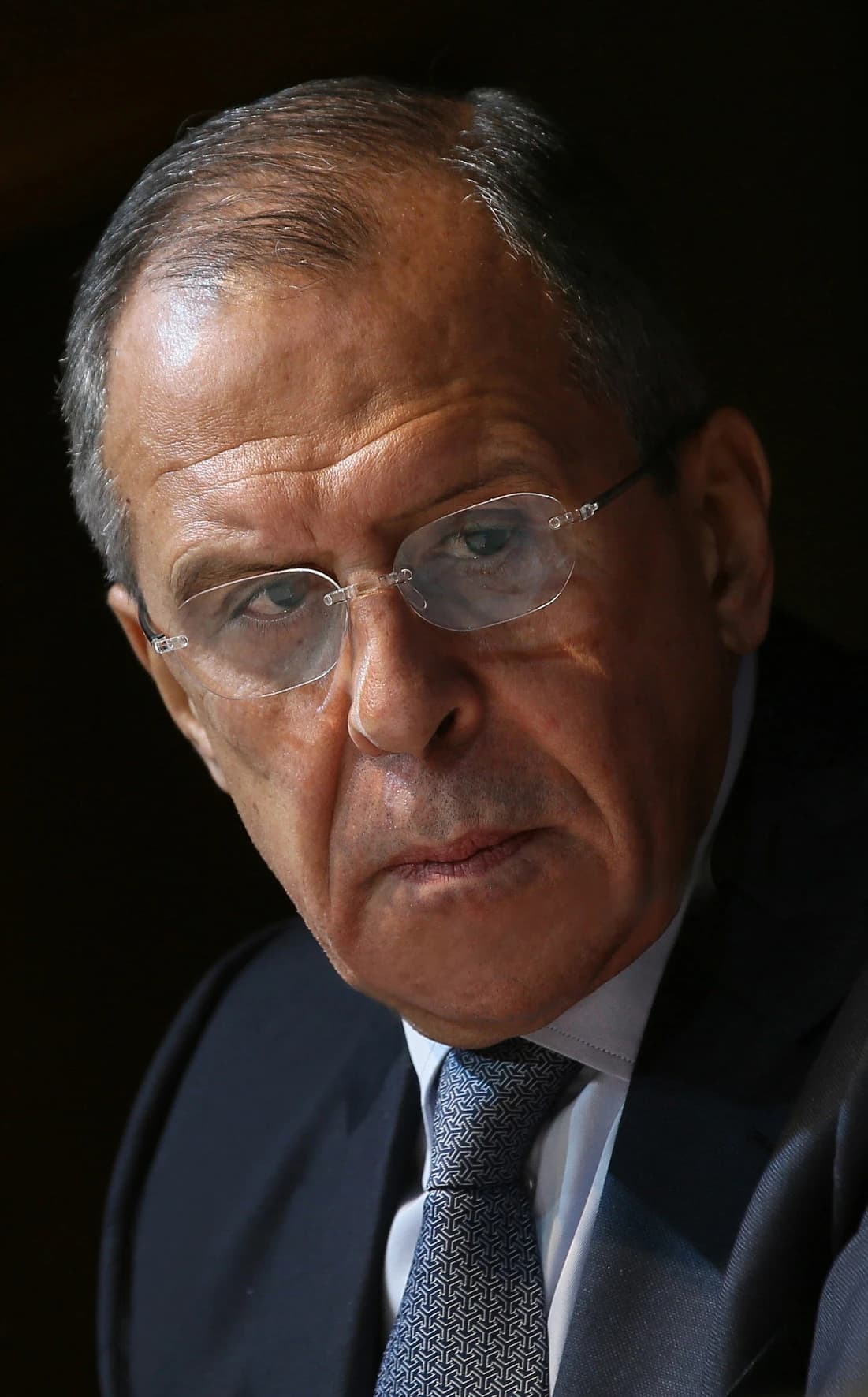
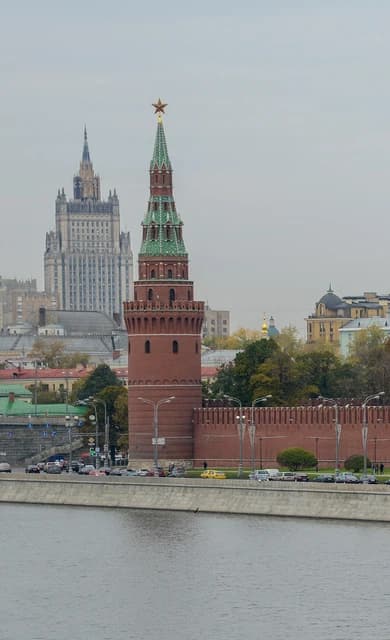
President Vladimir Putin made the pledge in the Kremlin during a meeting with Cuban Foreign Minister Bruno Rodríguez Parrilla, reiterating that Russia is “always” on Cuba’s side and backing the island’s right to choose its own path. Russian Foreign Minister Sergey Lavrov separately urged Washington to avoid steps such as a possible maritime blockade, calling them inconsistent with international law.
The stance matters economically because Cuba is already under severe strain from fuel shortages and energy bottlenecks, with reduced oil supplies from allies such as Venezuela and Mexico compounding the pressure from U.S. sanctions. Moscow’s signal that it may provide additional support, including fuel shipments, raises the prospect of short-term relief for Cuba’s economy even as it increases the risk of a broader diplomatic clash with the U.S.
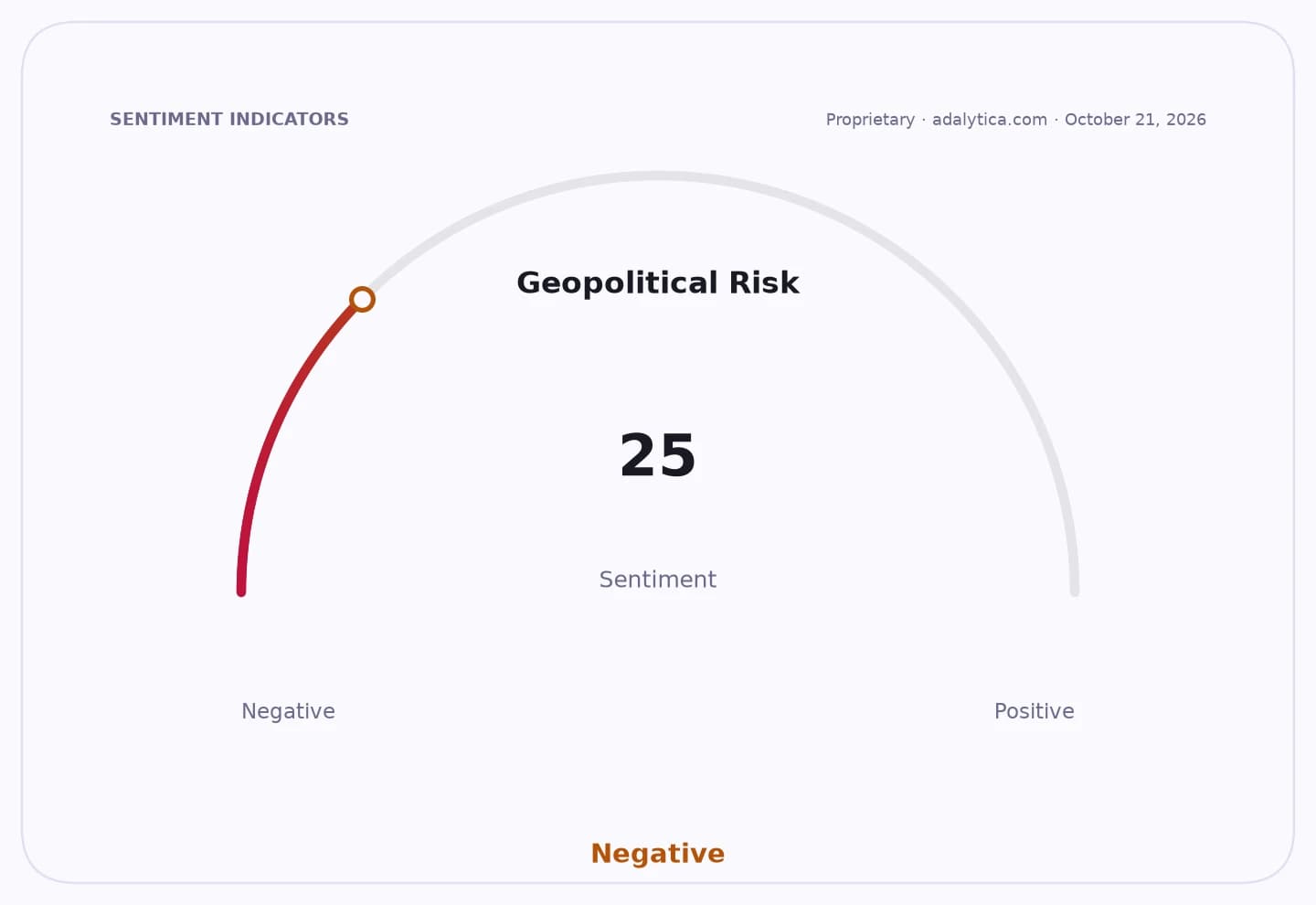
For investors and traders, the immediate implications are limited outside Cuba-linked assets, but the message reinforces the volatility of geopolitical risk around Caribbean energy flows, sanctions enforcement and Russian efforts to preserve influence in sanctioned economies. Any Russian fuel assistance would also underscore how sanctions can redirect trade and financing toward politically aligned partners rather than eliminate demand.
The development comes as Washington tightens pressure on Havana and criticism of Cuba’s domestic repression grows, including the jailing of journalist Henry Constantín. That combination leaves Cuba more isolated and makes external support from Russia more strategically important, especially if energy shortages worsen heading into the next round of diplomatic confrontation.
| Entity | Gains | Losses |
|---|---|---|
| Cuba | ▲Potential fuel relief | ▼Sanctions pressure |
| Russia | ▲Geopolitical influence | ▼Tension with U.S. |
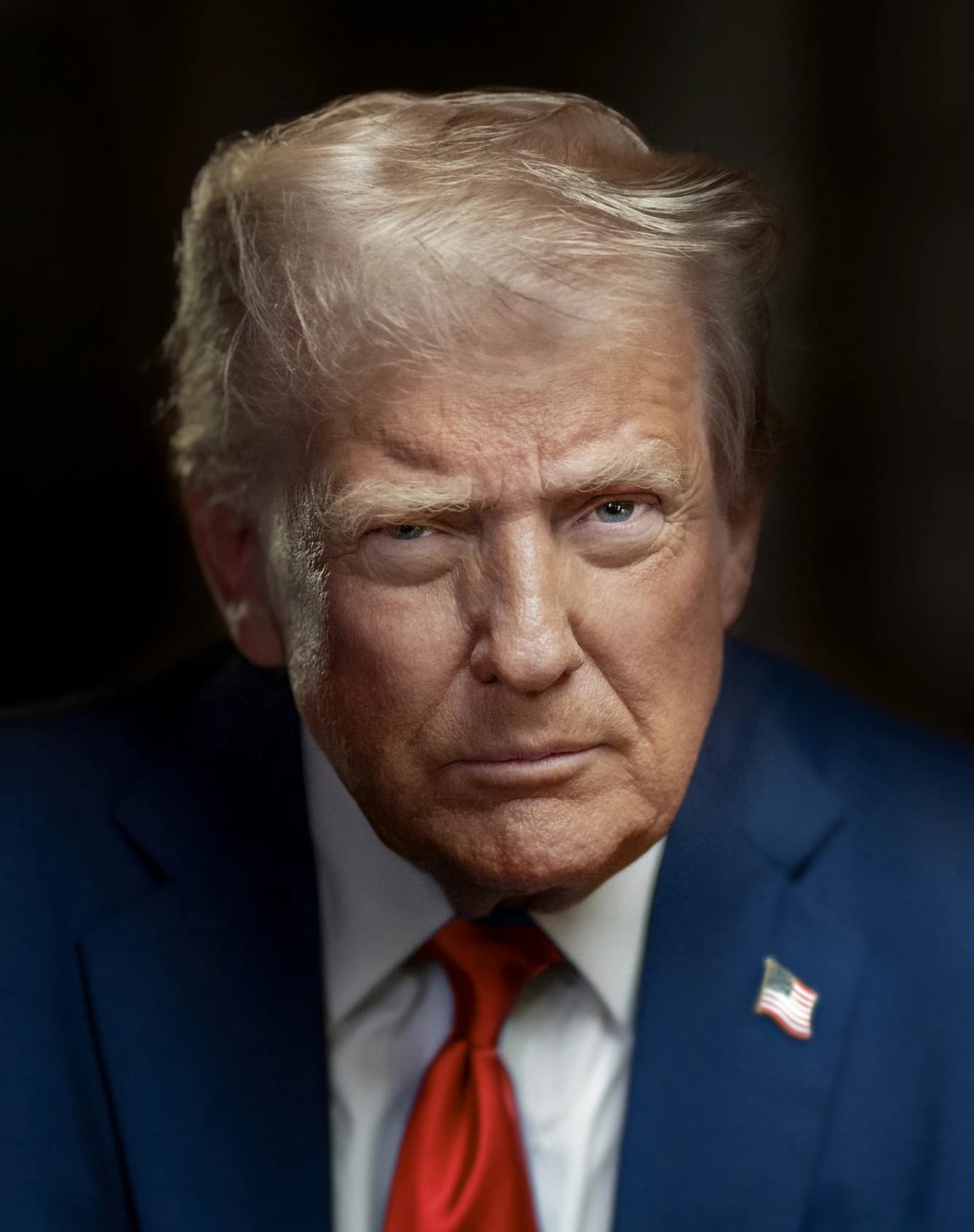
| U.S. | ▲Sanctions leverage | ▼Diplomatic pushback |
| Cuban economy | ▲Possible energy support | ▼Ongoing shortages |