Donald Trump used a rally in Georgia to argue that Washington should abandon the costly interventionism that defined previous U.S. foreign policy, a message that matters because it points to a more transactional and potentially less predictable American posture abroad.
Trump Georgia rally on U.S. foreign policy
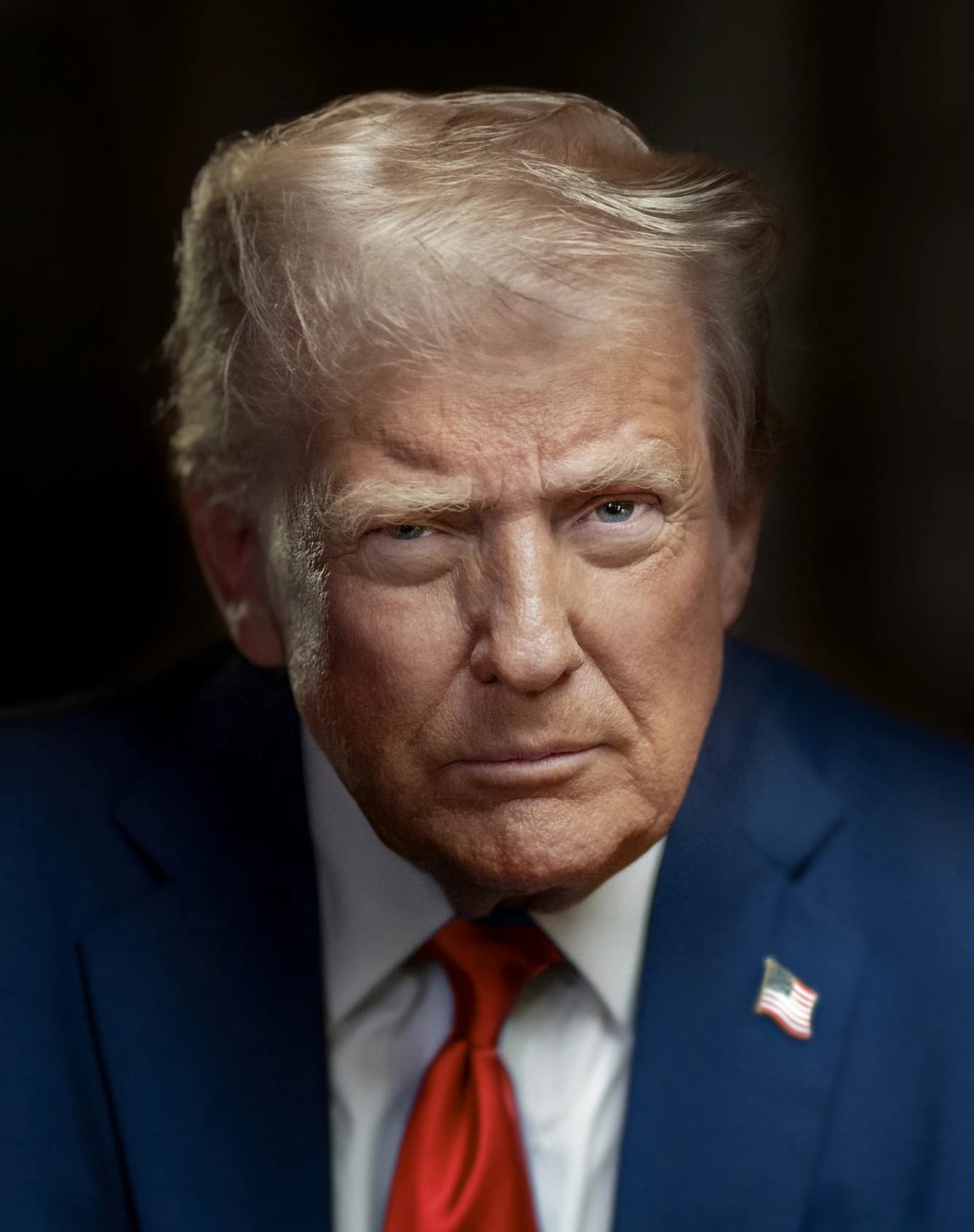
Trump said the U.S. had spent heavily on destroying other countries and then walked away without a clear benefit, framing past military interventions as a waste of money and lives. He contrasted that with what he described as a harder-edged, victory-based approach to Venezuela, saying relations with Caracas were possible because the United States had “won the war.”
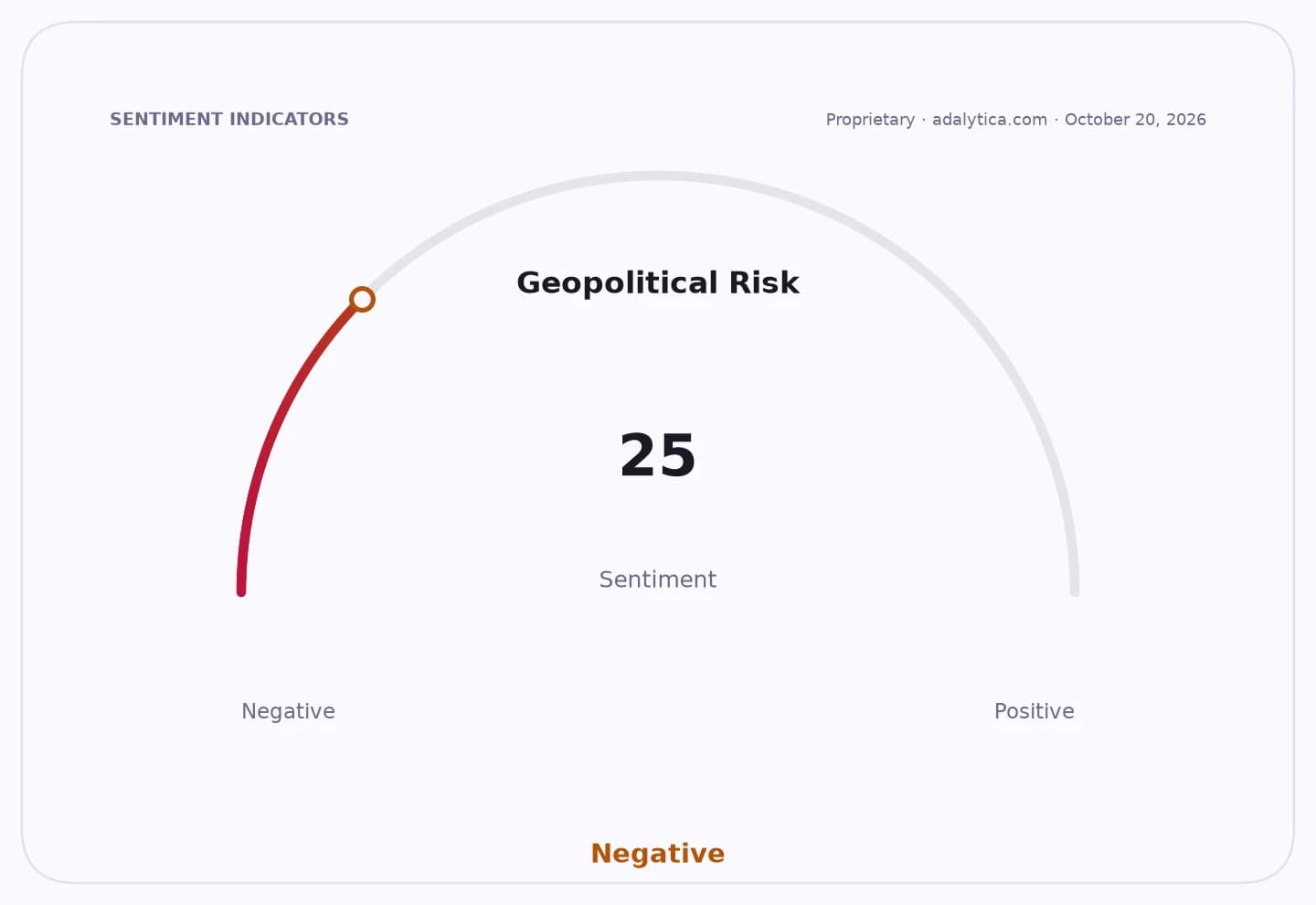
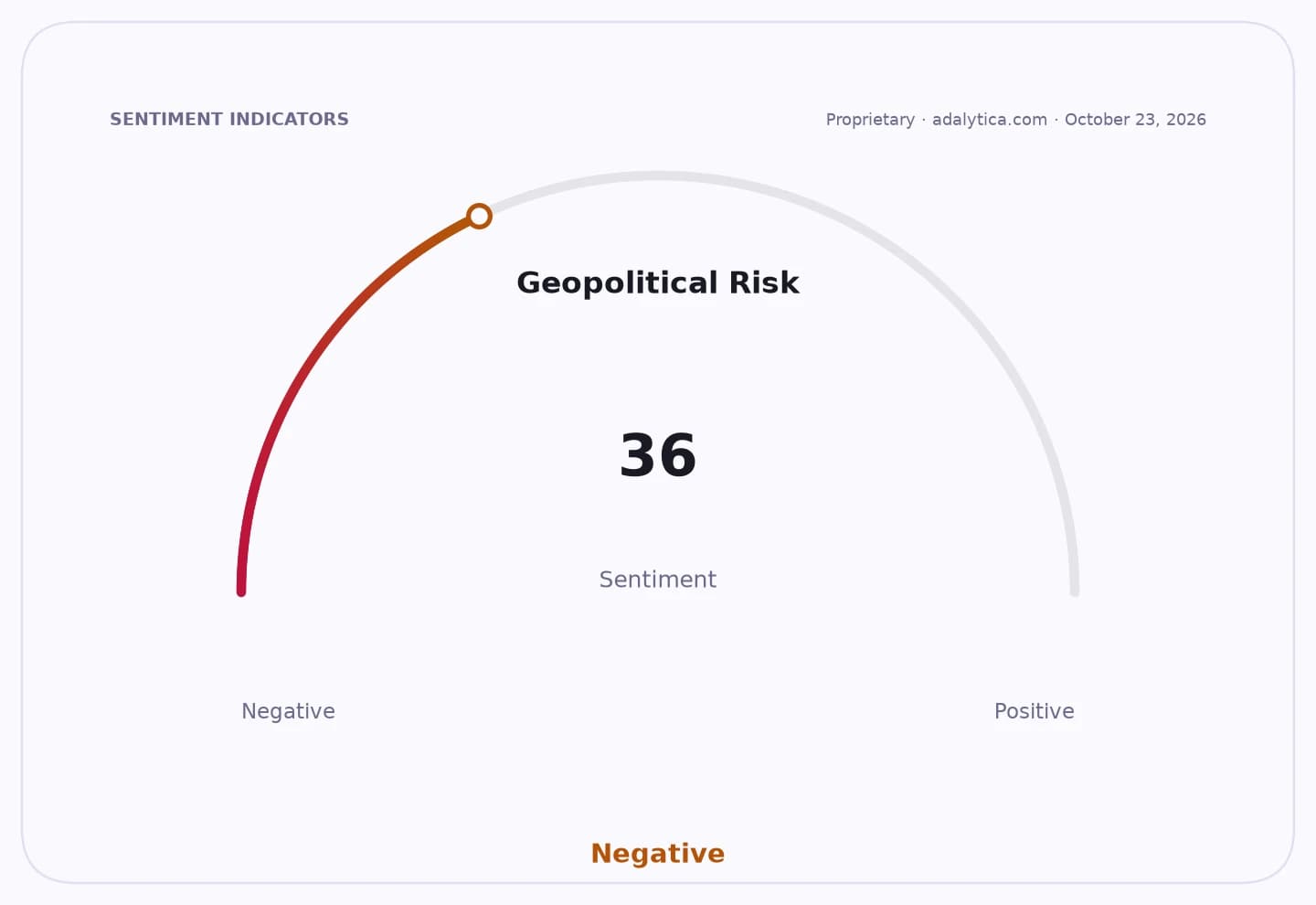
Sentiment IndicatorsⓘProprietary · adalytica.com · October 20, 2026
This is a snapshot — live sentiment, awareness and momentum for 130+ markets update continuously in the dashboard.Open AlphaPulse
The comments reinforce a foreign-policy doctrine that favors dominance, leverage and clear material returns over long-term nation-building or alliance management. For markets, that matters because shifts in Washington’s external posture can change the outlook for sanctions, energy flows, defense spending, commodity risk premiums and capital allocation across emerging markets.
The broader economic significance is in the message, not just the rhetoric. A U.S. administration that treats foreign policy as a balance-sheet exercise is more likely to pressure adversaries, negotiate from strength and tie security commitments to direct American gains. That can reduce the probability of open-ended overseas commitments, but it can also increase volatility if allies and rivals begin to price in less predictable U.S. support.
Investors have reason to watch this closely. A harder line toward Venezuela could affect oil-market assumptions, especially if policy opens the door to tighter enforcement, sanctions relief, or a more selective use of diplomatic engagement. More broadly, Trump’s framing suggests continued scrutiny of overseas military commitments and foreign aid, which could ripple through defense contractors, energy producers, and companies exposed to geopolitical risk.
The remarks also fit a pattern in which Trump presents U.S. power as something to be used commercially and strategically, rather than as an instrument of liberal international order. That can appeal to voters wary of foreign entanglements, but it raises questions for allies who depend on the U.S. security umbrella and for markets that rely on steady rules of engagement.
For now, the key takeaway is that Trump is making clear that past U.S. foreign policy, in his view, was expensive and ineffective, while future policy should be judged by whether America comes out ahead. That is a message investors will read not only for its geopolitical implications, but for what it may mean for sanctions, defense, energy and the global risk backdrop.
| Entity | Gains | Losses |
|---|---|---|
| Trump’s political base | ▲Anti-intervention message | ▼Status quo foreign policy |
| U.S. energy sector | ▲Potential policy flexibility | ▼Sanctions uncertainty |
| Defense contractors | ▲Selective spending may persist | ▼Broad overseas commitments |
| Emerging-market rivals | ▲Negotiating leverage unclear | ▼Higher pressure from Washington |