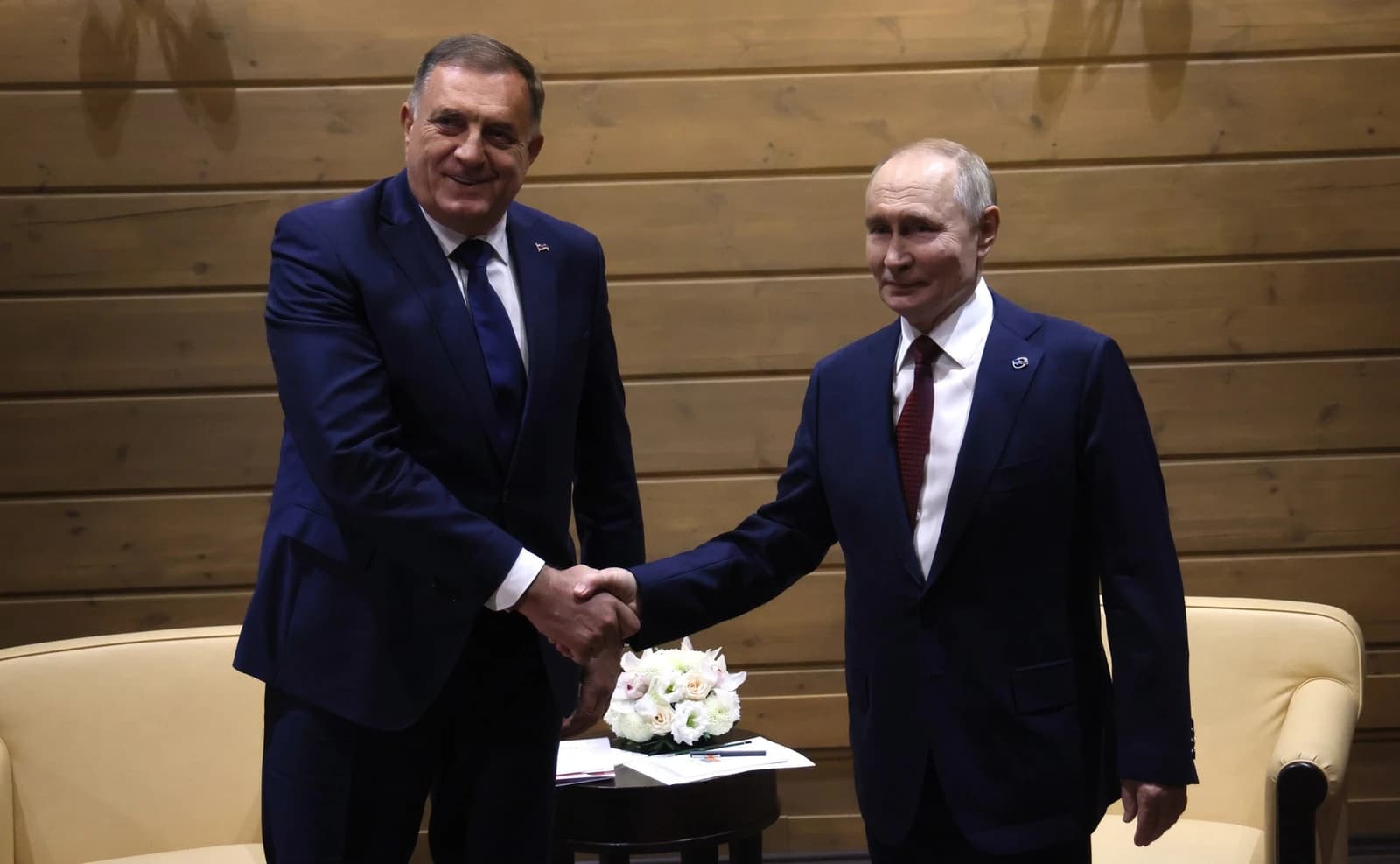
Milorad Dodik’s biggest political win in years — the lifting of U.S. sanctions on him and his network — may be less durable than it first appeared, because the real trade was never just with Washington, but with one president’s inner circle and the political mood surrounding it.
Dodik sanctions relief faces U.S. political risk
That matters economically because sanctions relief is not only a diplomatic gesture; it can reopen access to dollar funding, ease pressure on linked companies and improve the operating environment for a political network that has spent years under U.S. restrictions. But the latest noise out of Washington shows how fragile a strategy built on personal access can be. When a policy shift depends on advisers, lobbyists and a White House that can pivot quickly, the downside is obvious: the same channel that delivers relief can also become the focus of scrutiny.
Sentiment IndicatorsⓘProprietary · adalytica.com · October 22, 2026
This is a snapshot — live sentiment, awareness and momentum for 130+ markets update continuously in the dashboard.Open AlphaPulse
The sanctions on Dodik, his family members, associates and related companies were removed by the U.S. Treasury’s OFAC on Oct. 29, 2025. State Department officials framed the move as part of de-escalation, but no formal explanation was given. That leaves investors and political risk watchers with an unresolved question: was this a lasting policy reset, or a temporary outcome shaped by Donald Trump’s team, including advisers who had business in Republika Srpska?
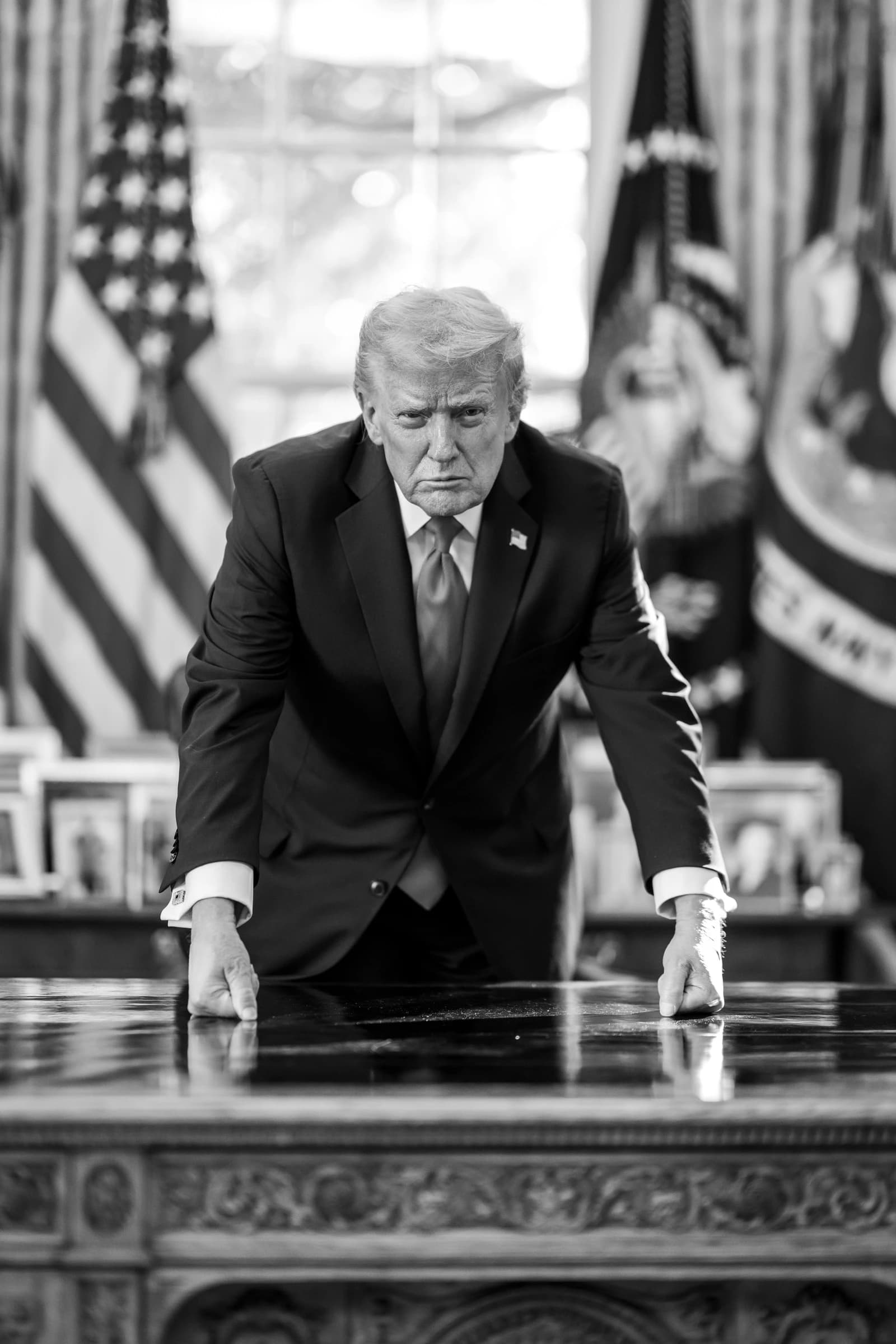
Reuters reporting that Trump was irritated by the election work of advisers James Blair and Chris LaCivita — and by Blair’s paid engagement in Republika Srpska — underscores how quickly that access can turn into liability. The White House denied the reports, and Blair said the criticism was “senseless and counterproductive.” But the broader point stands: if a foreign client’s strategy rests on a narrow set of political intermediaries, a shift in the president’s confidence can change the equation overnight.
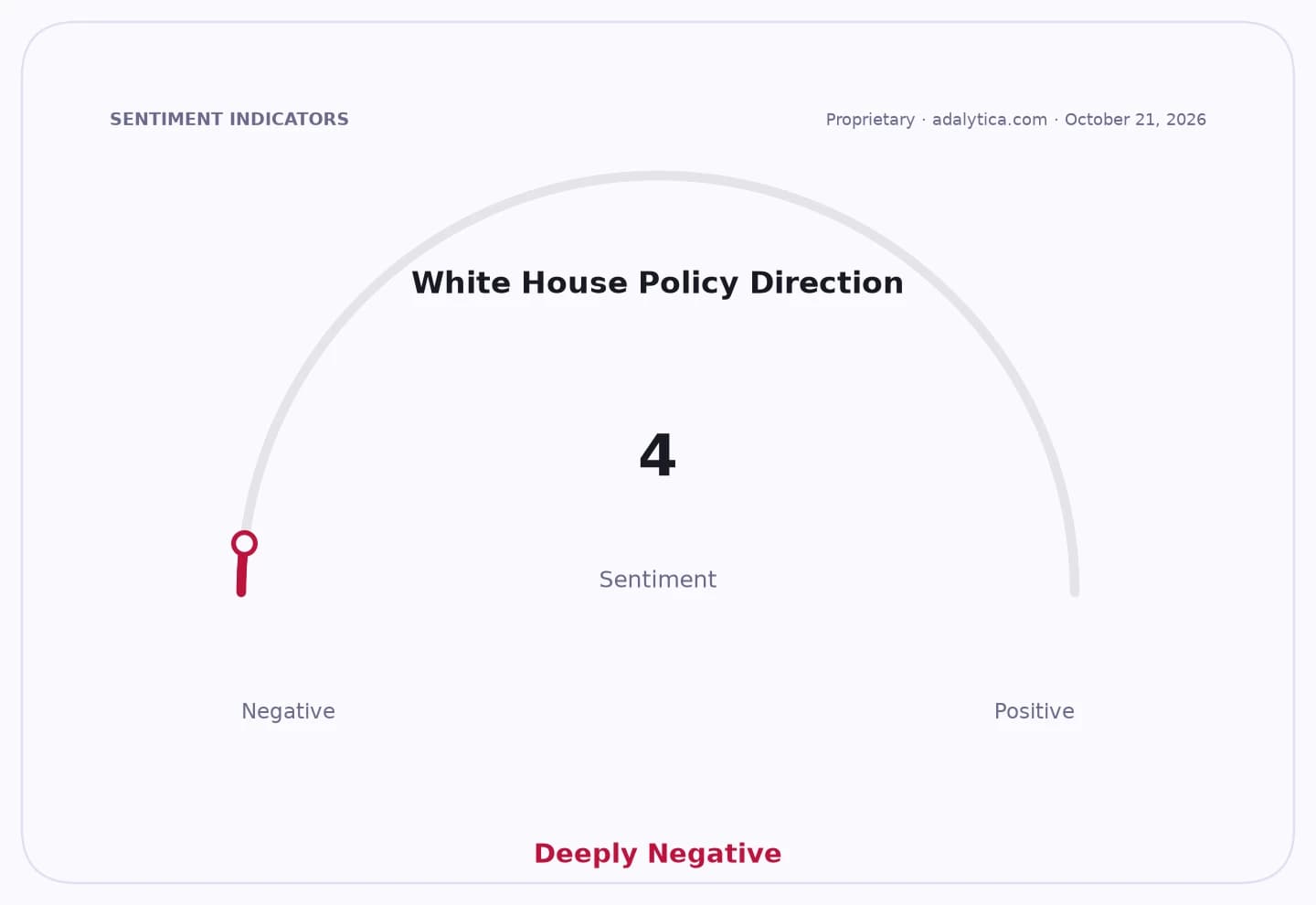
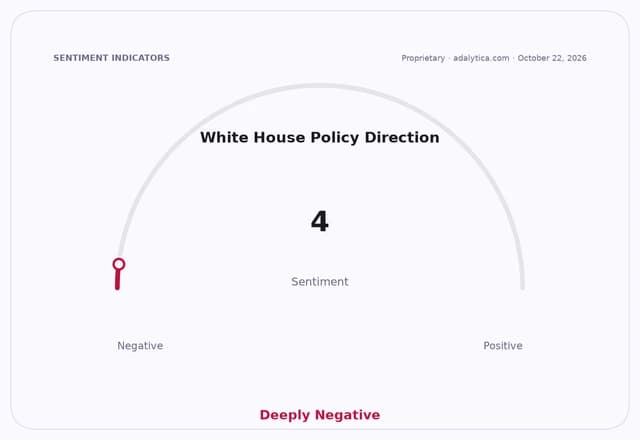
For markets, the signal is bigger than Bosnia. It is a reminder that policy direction in Washington is now being priced less as a stable institutional process and more as a series of contestable political trades. Adalytica’s U.S. White House policy direction gauge sits at 4, or “Extreme Fear,” while its global stability snapshot is at 86, “Extreme Greed” — a split that captures the market’s instinct to chase headlines while staying nervous about how long any one arrangement lasts.
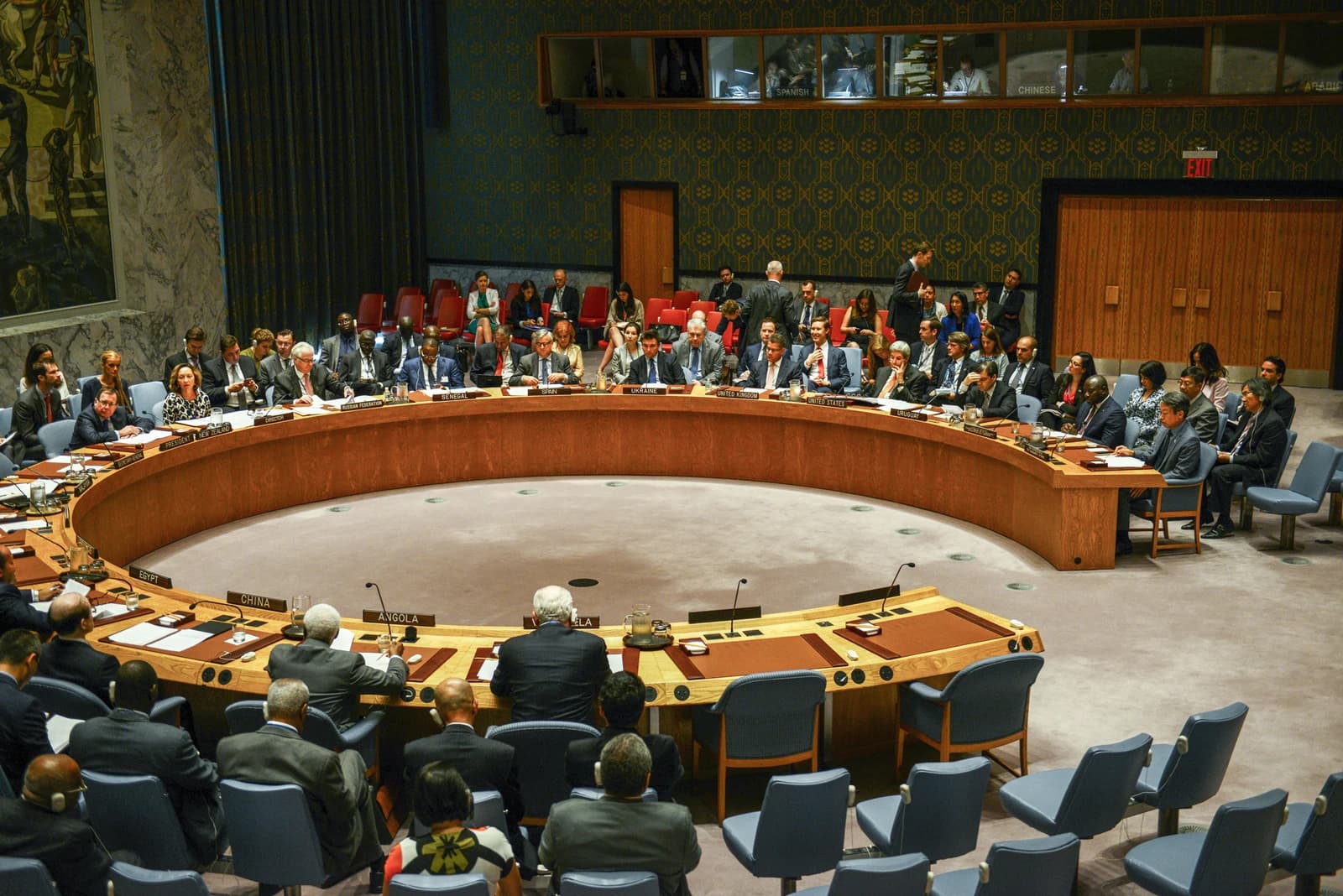
The congressional response also matters. A bipartisan group of lawmakers — Republicans and Democrats alike — has already pressed for sanctions to be reimposed, citing Dodik’s secessionist posture and lobbying for Republika Srpska independence. That means the issue is not confined to the Oval Office. Even if Trump remains in power, a House majority change could increase oversight, force disclosure and put pressure on aides, lobbyists and anyone seen as facilitating policy for foreign clients.
That is why this story is about more than Dodik. It is about the emerging premium on political durability. A sanctions reprieve can create a burst of relief, but it does not automatically create institutional buy-in. If the opposition gains ground, if congressional probes intensify or if Trump’s own priorities shift, the whole structure can wobble.
Investors should read this as a warning on political-risk trades: don’t mistake access for permanence. The beneficiaries are the advisers, intermediaries and local actors who can monetize proximity to power. The losers are any foreign networks that confuse one favorable administration with a lasting strategic alignment.
| Entity | Gains | Losses |
|---|---|---|
| Dodik and Republika Srpska allies | ▲Sanctions relief | ▼Policy durability risk |
| Trump-linked intermediaries | ▲Paid access | ▼Scrutiny and backlash |
| U.S. critics in Congress | ▲Oversight leverage | ▼None |
| Foreign policy investors | ▲Event-driven opportunities | ▼Stable assumptions about Washington |