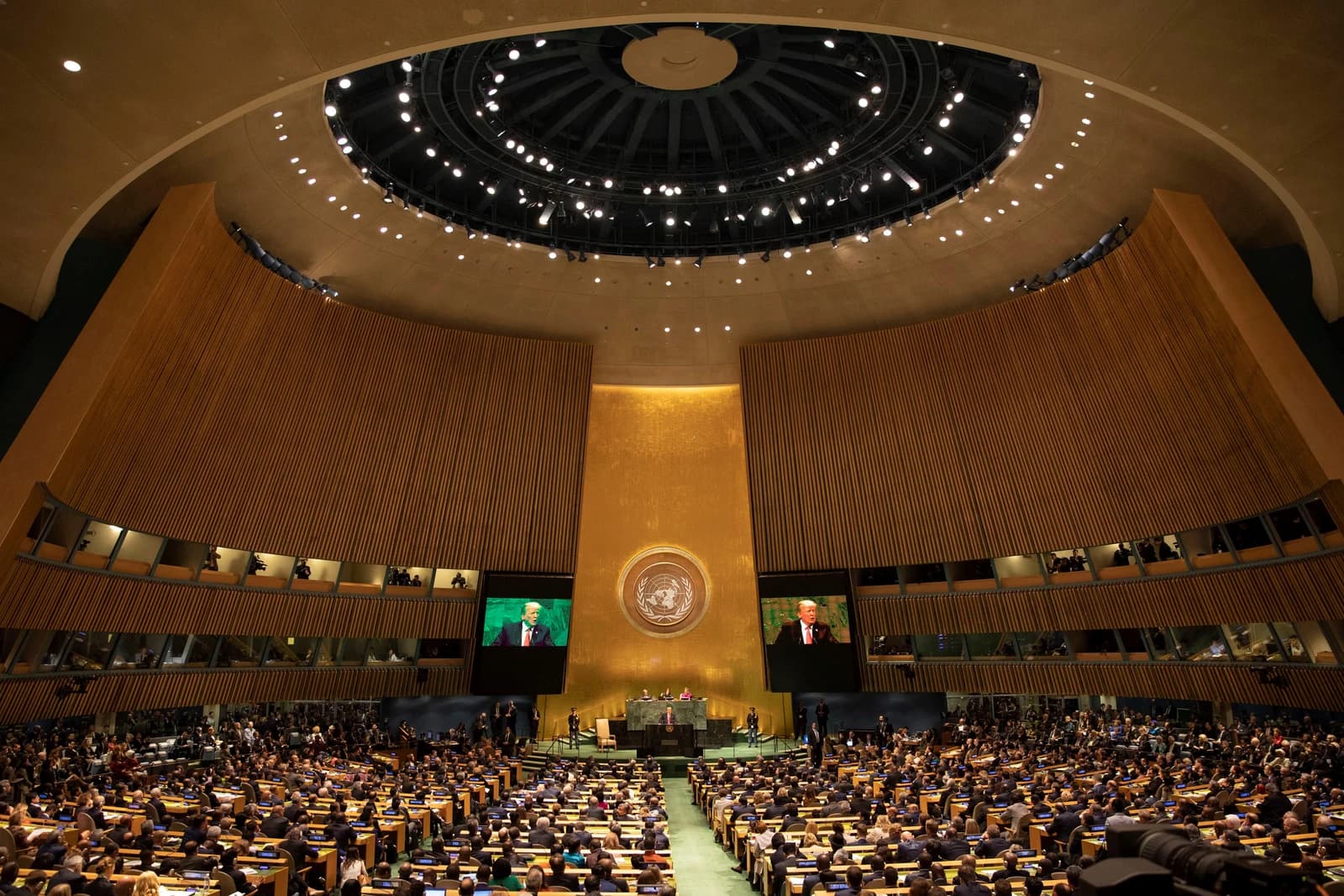
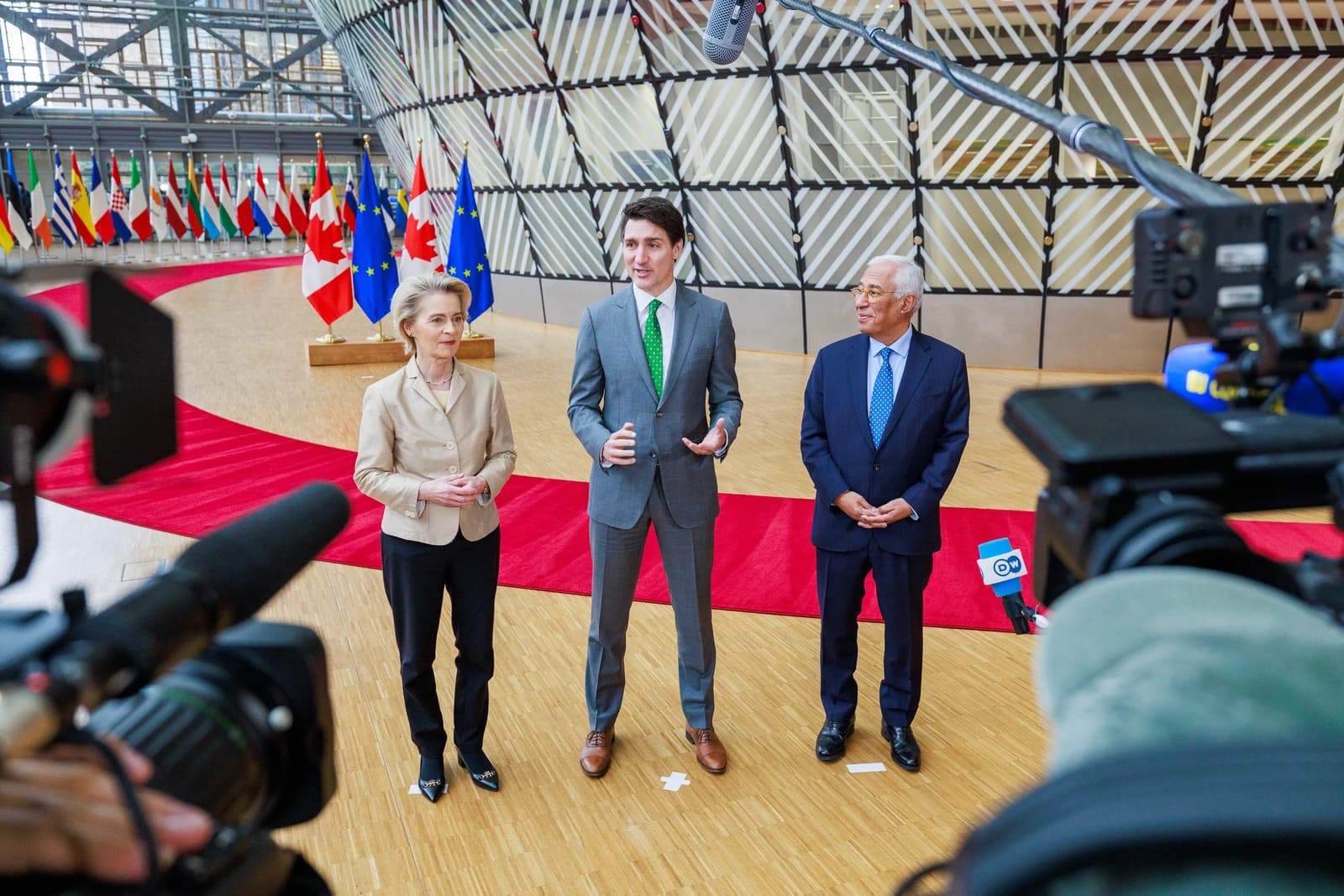
Washington’s shift away from European security commitments and toward conservative allies in Latin America underscores a broader reordering of U.S. foreign policy that could reshape defense budgets, regional alliances and risk premiums across emerging markets.
Trump Shifts U.S. Security Focus to Latin America
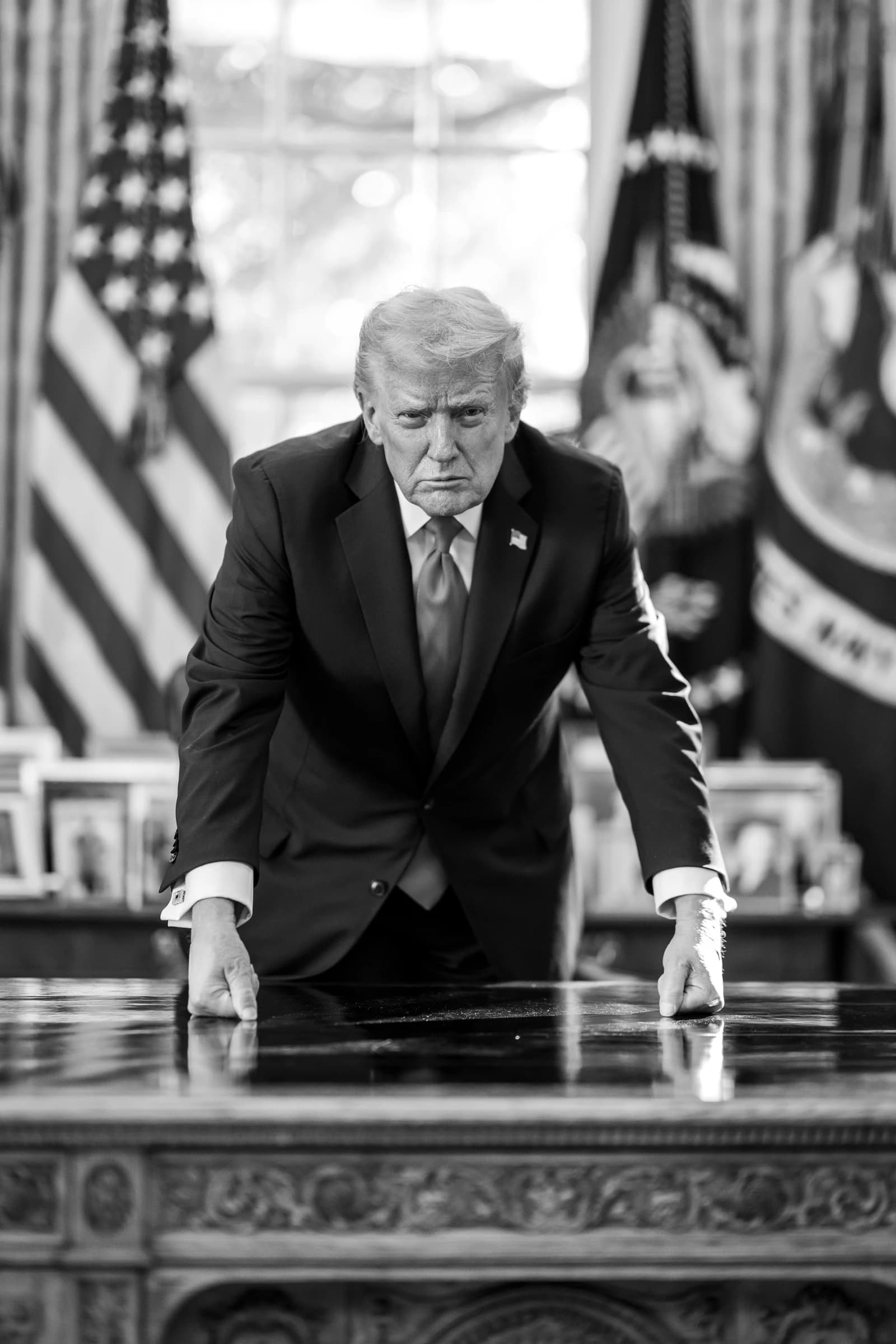
The most important development is not simply that President Donald Trump is trimming military support for Europe. It is that he is using scarce U.S. security leverage to reward partners closer to his ideological and strategic priorities, reinforcing a more transactional approach that weakens the old transatlantic bargain while strengthening right-leaning governments in the Western Hemisphere.
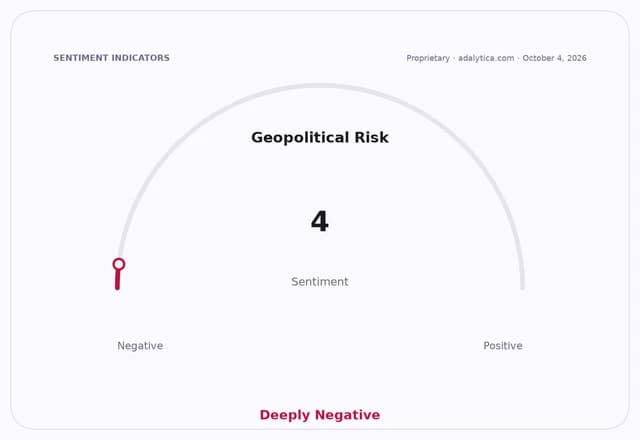
Sentiment IndicatorsⓘProprietary · adalytica.com · October 4, 2026
This is a snapshot — live sentiment, awareness and momentum for 130+ markets update continuously in the dashboard.Open AlphaPulse
That matters economically because U.S. military aid is more than diplomacy with uniforms. It supports defense procurement, shapes cross-border security cooperation and can influence the stability of trade routes, migration flows and investment conditions. A downgrade in Europe’s reliance on Washington raises pressure on European governments to spend more on their own defense, while a tilt toward conservative administrations in Latin America may bring friendlier treatment on migration, energy and trade policy.
For investors, the implications are two-sided. European defense names and local security budgets could benefit if the continent is forced into faster rearmament. But the broader market effect is harder to trade: greater geopolitical fragmentation usually means higher sovereign risk premiums, more volatile currencies and a stronger bid for safe assets. The Adalytica Global Stability sentiment index has fallen to 4, deep in “Extreme Fear,” reflecting how quickly geopolitical anxiety can spill into markets. SPY, meanwhile, has held near 769, but the move sits alongside elevated technical readings and a market that remains sensitive to shocks.
The policy direction also fits a larger political narrative inside the U.S. Trump’s coalition has been built on skepticism toward foreign entanglements, and that logic extends naturally to Europe. His base has long been more receptive to retrenchment abroad than to open-ended commitments. At the same time, conservative governments in Latin America tend to align more closely with the themes that animate Trump’s domestic politics: tougher border enforcement, nationalism and resistance to left-leaning regional blocs.
That alignment could have real economic consequences. A more supportive U.S. posture toward conservative Latin American governments may improve cooperation on migration and narcotics enforcement, while also nudging energy and infrastructure ties in a more market-friendly direction. But it may also deepen political polarization across the region and encourage a cycle of policy whiplash if administrations change.
Europe, by contrast, faces a more direct bill. Less U.S. aid means more pressure on defense ministries already grappling with fiscal constraints, while NATO members must decide whether to absorb the cost or accept greater strategic vulnerability. For defense contractors, the bull case is straightforward: more European spending. The bear case is equally clear: delayed procurement, fragmented purchasing and political pushback over higher deficits.
The bigger story is that Trump is not abandoning global power so much as reallocating it. He is narrowing the places where Washington is willing to spend political capital, and that will force allies and markets to adjust to a world where U.S. protection is less universal, more conditional and increasingly tied to ideology as much as strategy.
| Entity | Gains | Losses |
|---|---|---|
| U.S. conservative allies in Latin America | ▲More White House backing | ▼Less room for opposition governments |
| European governments | ▲Push to rearm independently | ▼Reduced U.S. military support |
| Defense contractors in Europe | ▲Higher procurement demand | ▼Budget delays and political pushback |
| Global risk assets | ▲Limited benefit from U.S. retreat | ▼Higher geopolitical premium |