Chile ETF Nears $40 as Bachelet UN Bid Fades
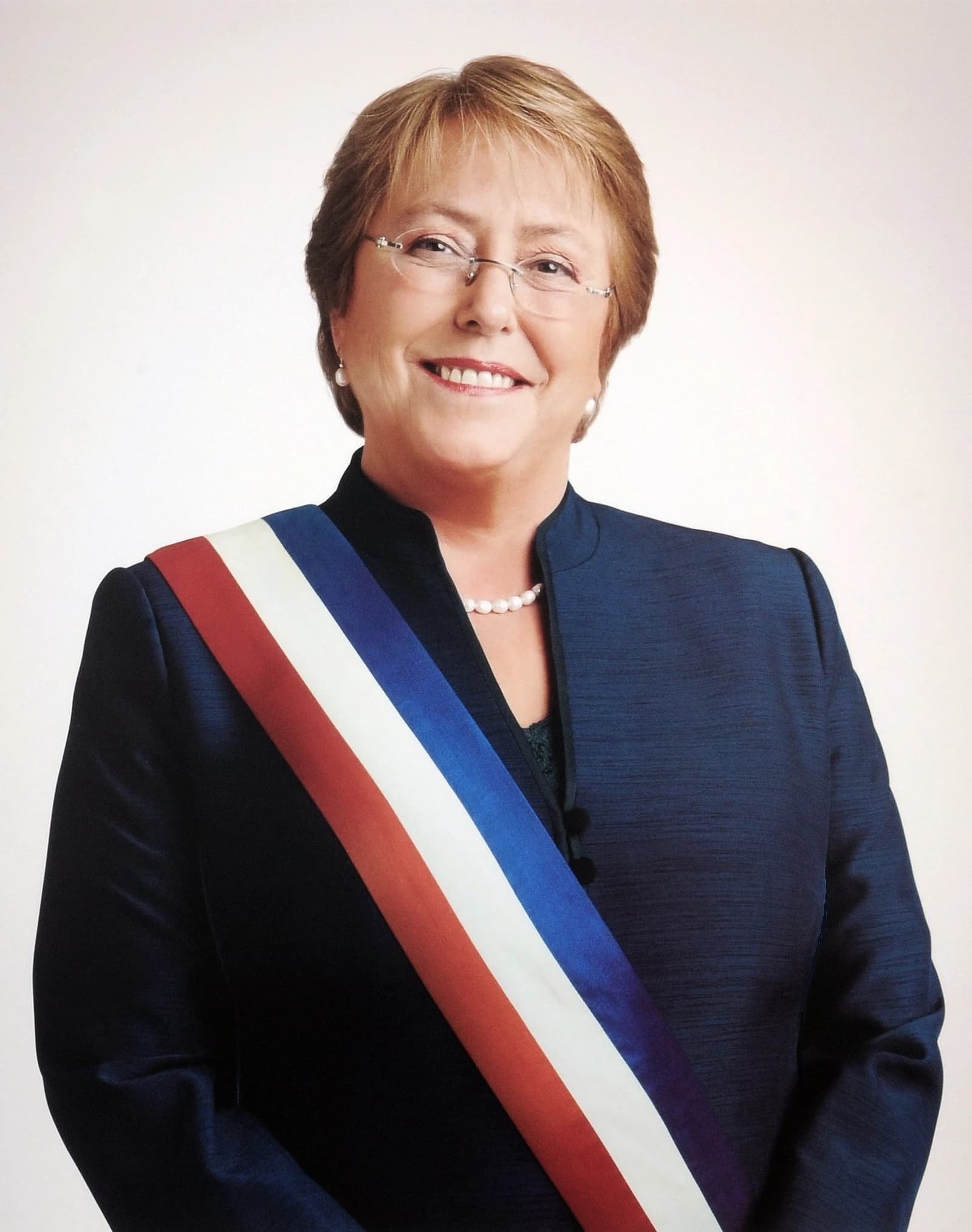
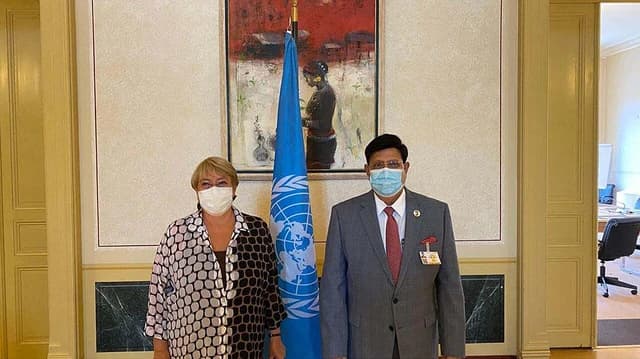
Michelle Bachelet’s weakest showing in the race for a senior UN role has turned what was once a straightforward diplomatic campaign into a test of Chile’s foreign-policy clout and the regional balance of power in Latin America.
The setback matters because the contest is no longer only about one candidate. It has become a gauge of whether Chile can still convert its global standing into influence inside a more fragmented United Nations, and whether the political backing of Brazil and Mexico can offset resistance from the government and other regional players. In a UN environment shaped by security frictions, calls for institutional reform and intensifying bloc politics, personnel decisions are increasingly a proxy for geopolitical alignment.
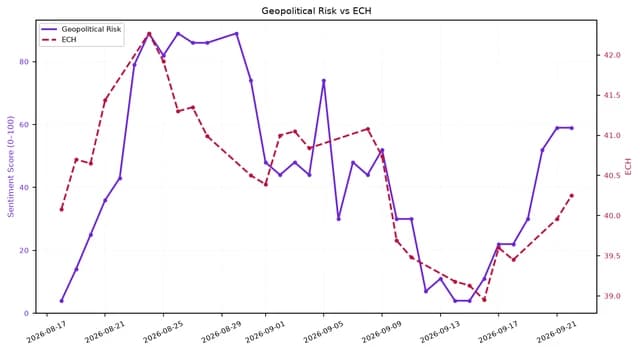
For markets, the immediate channel is indirect but real. Chilean assets do not trade on UN appointments, yet the country’s perceived diplomatic reach can affect how investors read its political stability, policy continuity and ability to navigate a harsher external environment. The iShares MSCI Chile ETF, ECH, has been pinned close to the $40 level after sharp swings this year; it closed at $40.25 on Sept. 22, just above its 50-day moving average of $40.14 and slightly below the 200-day average of $40.69, suggesting a market that is still waiting for a clearer directional catalyst. Broader emerging-market sentiment has also been mixed, with the FXI China ETF and EWZ Brazil ETF both trading below their recent highs, underscoring that investors remain selective on country risk.
Bachelet’s diminished odds also expose a wider tension in Latin American diplomacy: the competition between institutional credentials and hard regional lobbying. Support from Brazil and Mexico gives her bid weight, but the fact that it has not been enough to overcome the government’s position shows how contested the region’s representation has become in multilateral bodies. That matters for Chile because UN influence has historically amplified its voice on trade, human rights and security issues well beyond the size of its domestic economy.
The broader backdrop is not encouraging for multilateral consensus. Recent UN debates have been dominated by security cooperation, institutional reform and concern about economic instability spilling into political conflict. In that setting, leadership posts are more than symbolic. They shape access, agenda-setting power and the ability of middle powers to broker compromises between larger blocs.
For investors, the key question is whether this episode remains a diplomatic disappointment or begins to feed into a larger story about Chile’s external influence under President Gabriel Boric’s government. If the administration is seen as having failed to protect a globally respected figure, it could reinforce perceptions of weakness abroad. If, however, the campaign still forces a coalition around Bachelet, it would underline Chile’s ability to build alliances even in a polarized UN system.
| Entity | Gains | Losses |
|---|---|---|
| Brazil and Mexico | ▲Regional influence | ▼Diplomatic friction |
| Chilean government | ▲Control over stance | ▼Reputation abroad |
| Bachelet allies | ▲Visibility in UN contest | ▼Immediate momentum |
| Chilean investors | ▲Stability if outcome improves | ▼Policy uncertainty if setback deepens |