Pope Leo XIV used the start of his four-day visit to Argentina to deliver a pointed challenge to President Javier Milei’s economic model, saying political leaders must put people before the economy at a moment when the country’s hard-line austerity push is finally stabilizing inflation but still squeezing jobs and wages.
Argentina Pope Criticizes Milei's Austerity Model
The intervention matters because it goes to the heart of the trade-off driving Argentina’s turnaround: Milei’s spending cuts have restored a rare budget surplus and helped cut annual inflation to about 32% from 200%, but the social cost remains politically combustible. Real wages are still below late-2023 levels and roughly 300,000 formal jobs have disappeared, making the pope’s message more than a moral critique — it is a reminder that the recovery will remain fragile unless it broadens beyond price stability.
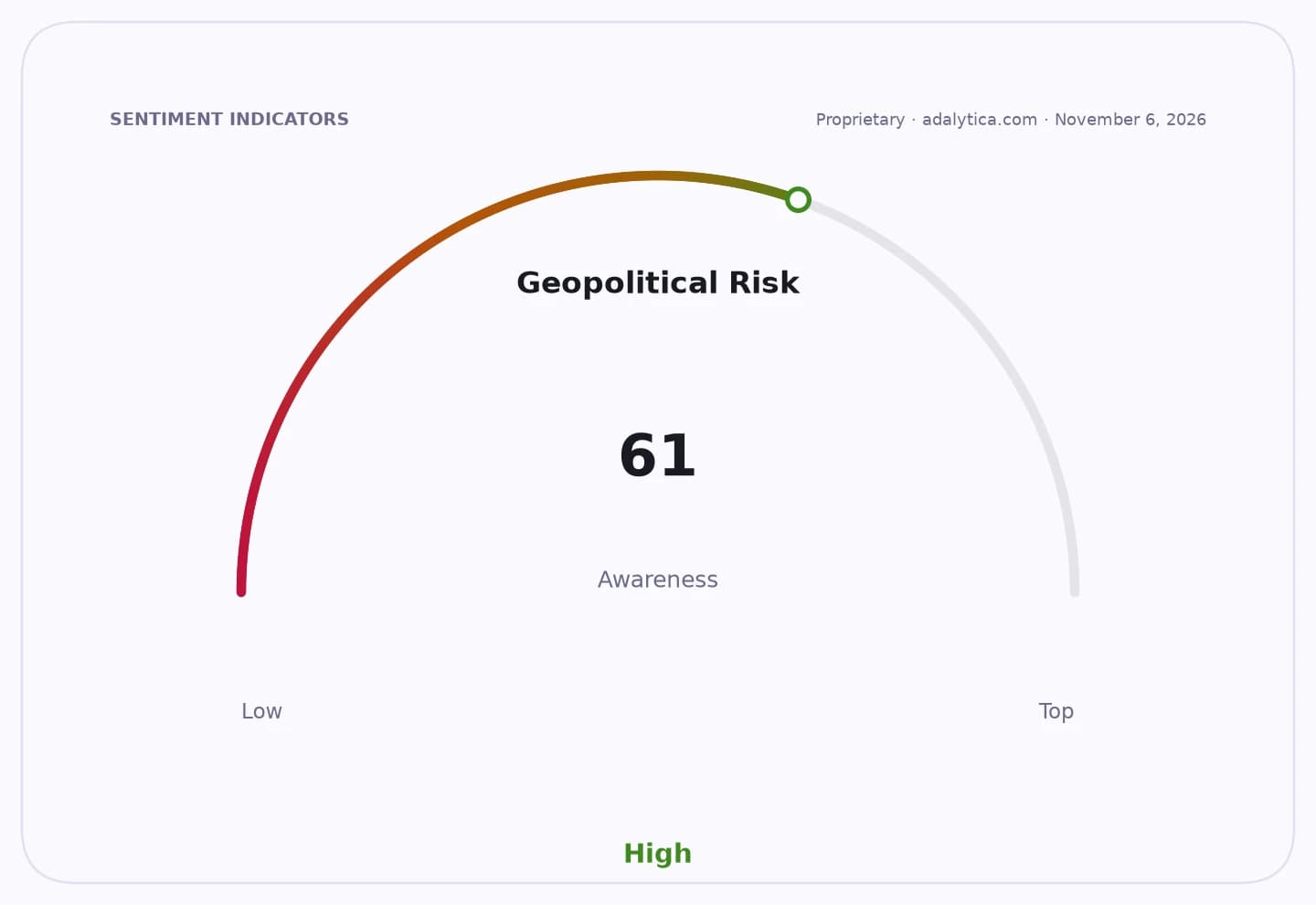
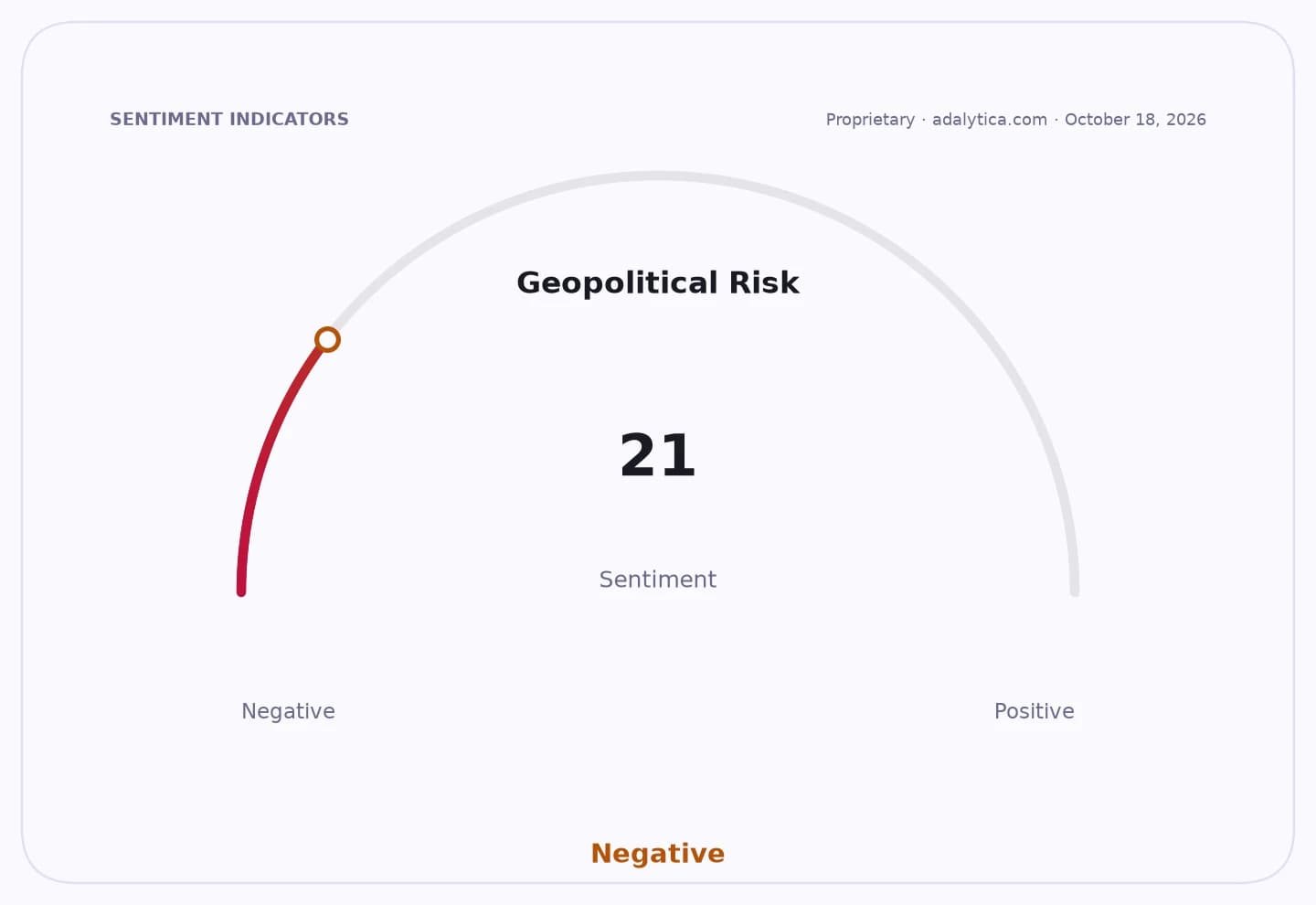
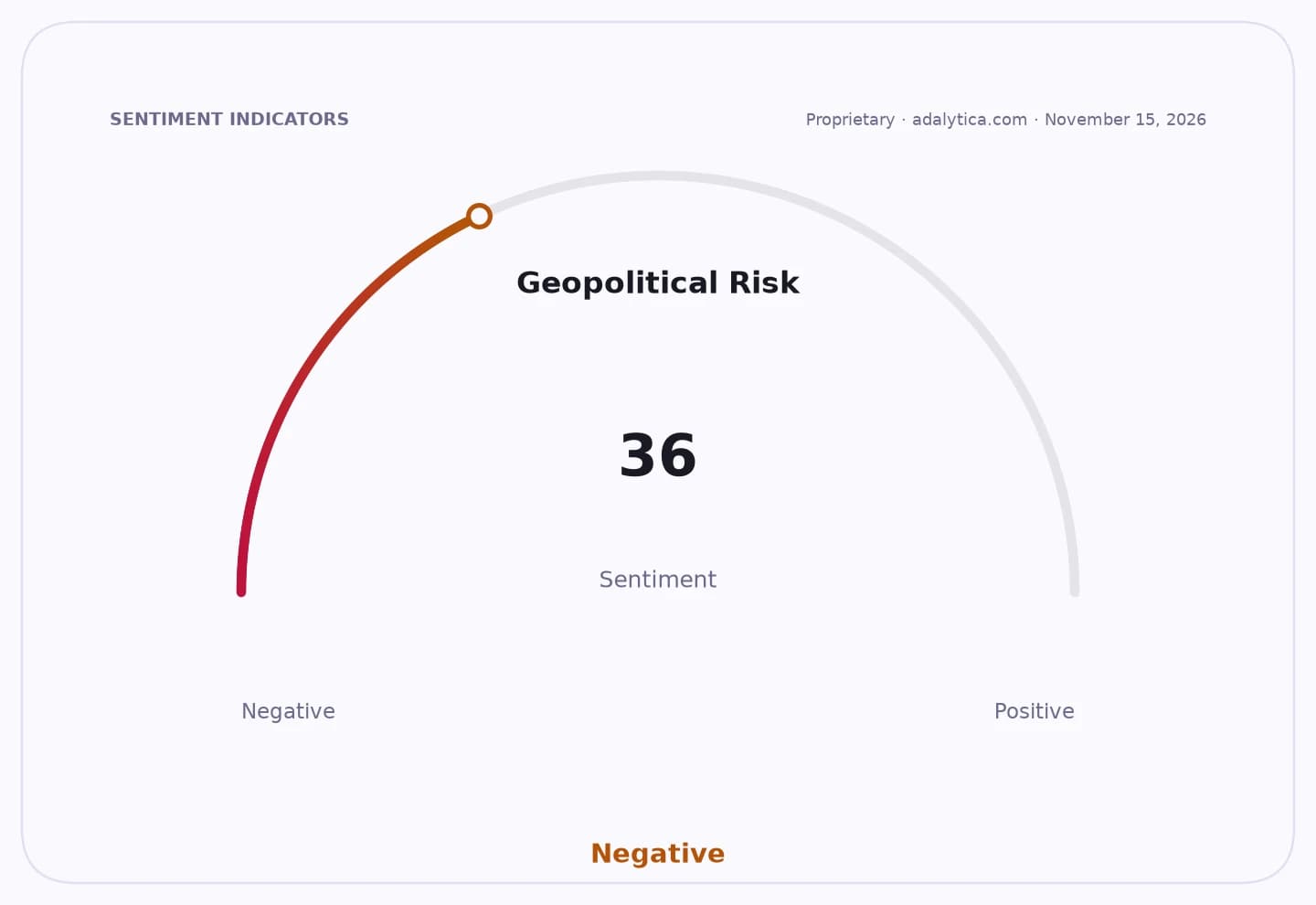
Sentiment Indicators
Leo’s remarks, delivered in Buenos Aires before officials, diplomats and civic leaders, were diplomatically phrased but unmistakably at odds with Milei’s libertarian creed. “The economy must serve the person, not the person the economy,” he said, urging support for private initiative while insisting that growth must also reach retirees, the unemployed and workers struggling to make ends meet.
That balance is central for investors in Argentina and for exchange-traded funds exposed to the country. The iShares MSCI Argentina ETF, ticker EWW, has climbed above its 50-day moving average and was still trading above its 200-day average recently, reflecting optimism that disinflation and fiscal discipline can support assets. But the move has also left technicals stretched at times, with the fund’s relative strength index hovering in overbought territory earlier this month. By contrast, the Global X MSCI Argentina ETF, ARGT, and Banco Galicia, GGAL, have been under heavy pressure, with both trading well below their 50-day and 200-day averages and posting deeply oversold RSI readings, a sign that domestic sentiment remains extremely fragile despite the macro improvement.
For markets, the significance is not that the pope can alter policy, but that he is giving voice to the political risk embedded in Milei’s reform program. Argentina’s stabilization story depends on sustained social tolerance for lower subsidies, tighter budgets and slower credit growth. If living standards do not improve, the government’s fiscal gains could face pushback in congress, in the streets and eventually at the ballot box.
Leo also chose to frame democracy itself as part of the economic debate, calling for “careful use of words” and a willingness to see opponents as fellow citizens. That was a clear contrast with Milei’s confrontational style, which has alienated allies and widened the country’s polarization even as it won support from investors betting on a cleaner fiscal path.
The bull case is that Milei’s austerity keeps inflation falling, preserves the budget surplus and eventually unlocks a more durable rebound in real incomes and valuations. The bear case is that the social adjustment proves too harsh, constraining political support before the benefits of disinflation are widely felt. Leo’s visit, and his decision to speak so directly, underlines that Argentina’s market story now depends as much on social cohesion as on macro arithmetic.
| Entity | Gains | Losses |
|---|---|---|
| Argentine households | ▲Social protection agenda | ▼Austerity pressure |
| Milei government | ▲Fiscal discipline credibility | ▼Political room to maneuver |
| Argentina assets | ▲Lower inflation narrative | ▼Policy backlash risk |
| Buenos Aires opposition | ▲Moral and social backing | ▼Reform momentum |