Argentina’s economy minister has acknowledged that Buenos Aires may need to lean on the Chinese central-bank swap line to cover upcoming debt maturities, a tacit admission that the country’s refinancing strategy remains too weak to stand on its own.
Argentina may use China swap line for debt maturities
The disclosure matters because it goes to the core of President Javier Milei’s financial program: whether Argentina can roll over obligations in markets, rebuild reserves and avoid another liquidity squeeze without relying on emergency external support. If the government must tap the swap to meet maturities, it underscores both the fragility of the sovereign balance sheet and the limits of near-term market access despite the administration’s fiscal tightening.
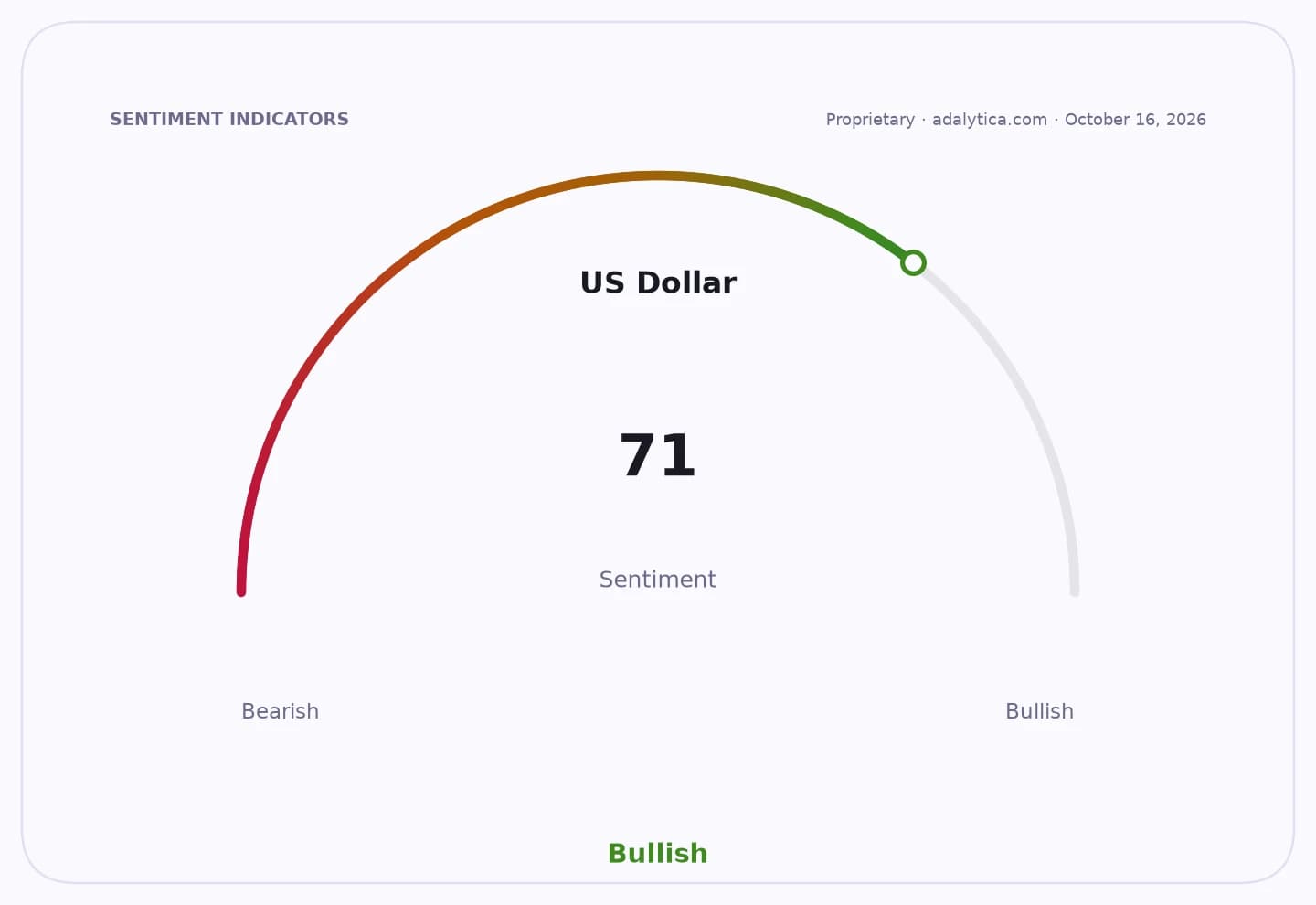
Sentiment IndicatorsⓘProprietary · adalytica.com · October 16, 2026
This is a snapshot — live sentiment, awareness and momentum for 130+ markets update continuously in the dashboard.Open AlphaPulse
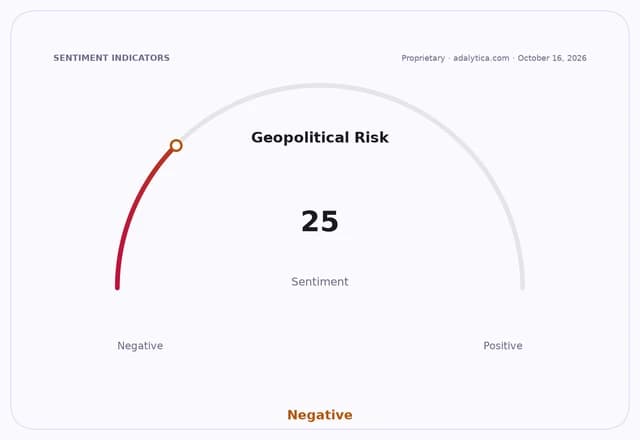
Investors and international bankers have already voiced doubts about the program’s financing assumptions, according to the reporting, while the IMF is pressing for deeper fiscal reforms. That combination is important. The Fund wants evidence that consolidation is durable, not just cyclical, while private creditors are looking for a credible path to reserve accumulation and lower rollover risk. Without that, Argentina remains dependent on stopgap liquidity rather than a lasting reduction in sovereign stress.
The market implication is straightforward: refinancing risk is still the main macro variable for Argentine assets. A country that must bridge maturities with bilateral swap lines is one that has not yet restored normal funding channels. That keeps pressure on local bonds, the peso and dollar-linked instruments, and it also explains why foreign investors continue to demand a steep risk premium for holding Argentine exposure.
The backdrop is a global environment that is becoming less forgiving of heavy borrowers. Sovereign debt concerns are rising across markets, and that makes Argentina’s case more sensitive, not less. In that setting, any sign that official liquidity backstops are doing the work of market financing can help in the very short term, but it also reinforces the view that the debt story has not been fixed.
For investors, the key question is whether the swap use is a temporary bridge or a sign that the government will have to depend on China and the IMF longer than it wants to admit. If Caputo can pair tighter fiscal policy with a more credible rollover profile, Argentine assets could stabilize. If not, the refinancing problem will remain the weak flank of the program and the main source of downside for bonds, the peso and equity multiples.
| Entity | Gains | Losses |
|---|---|---|
| Argentine government | ▲Short-term liquidity | ▼Financing credibility |
| China swap line | ▲Strategic leverage | ▼None immediate |
| Bondholders | ▲Official backstop | ▼Rollover risk persists |
| Peso and local assets | ▲Temporary support | ▼Pressure from uncertainty |