Argentina’s central bank is stepping up dollar purchases in the official market, buying more than 90% of the foreign exchange it accumulated in all of September in just the first nine trading sessions of October.
Argentina Central Bank Boosts Dollar Purchases in October
The Banco Central de la República Argentina bought $101 million on Wednesday and has already taken in $732 million so far this month, according to its latest report. That compares with $474 million purchased in September and leaves October running at 93% of last month’s total with most of the month still to go.
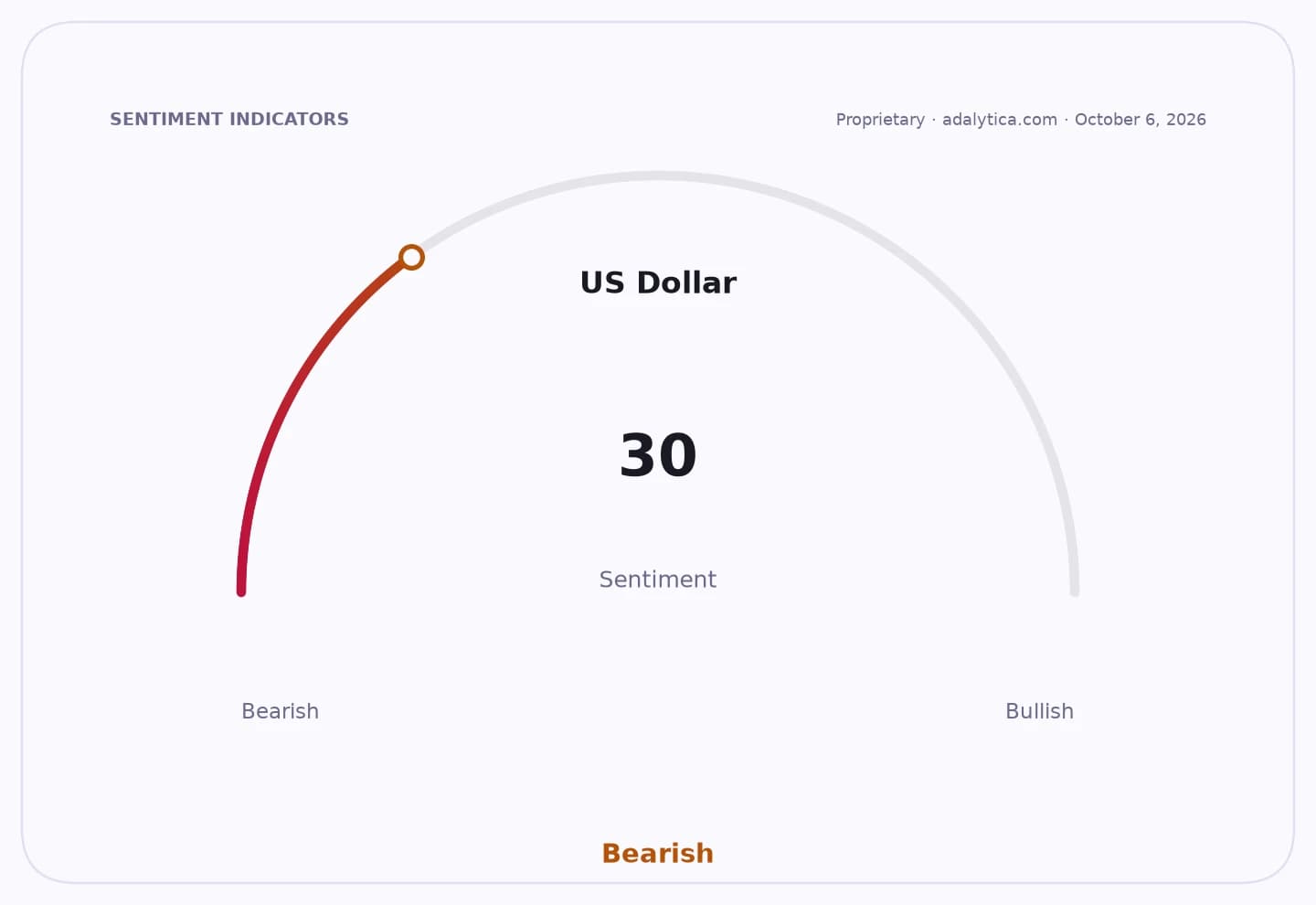
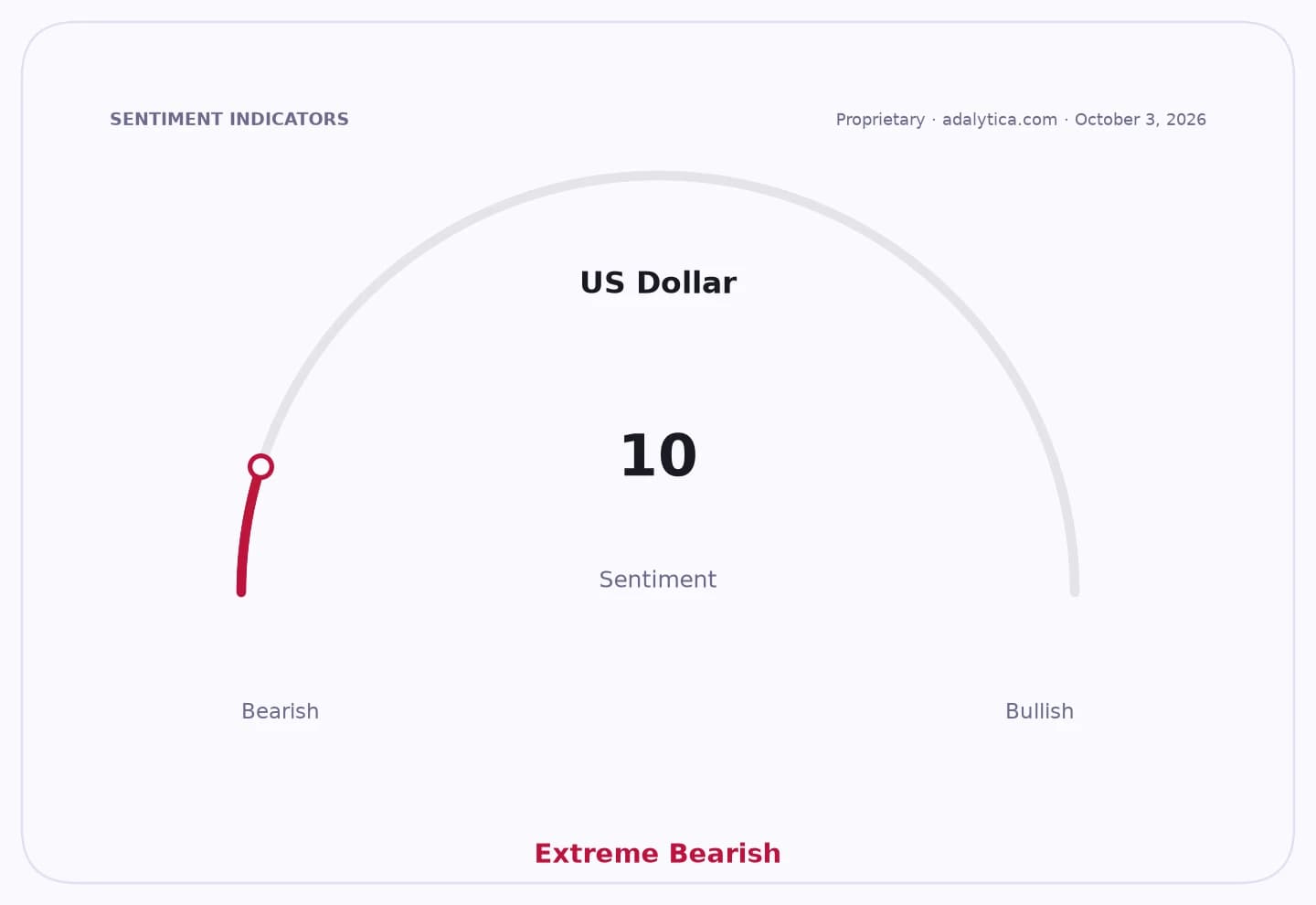
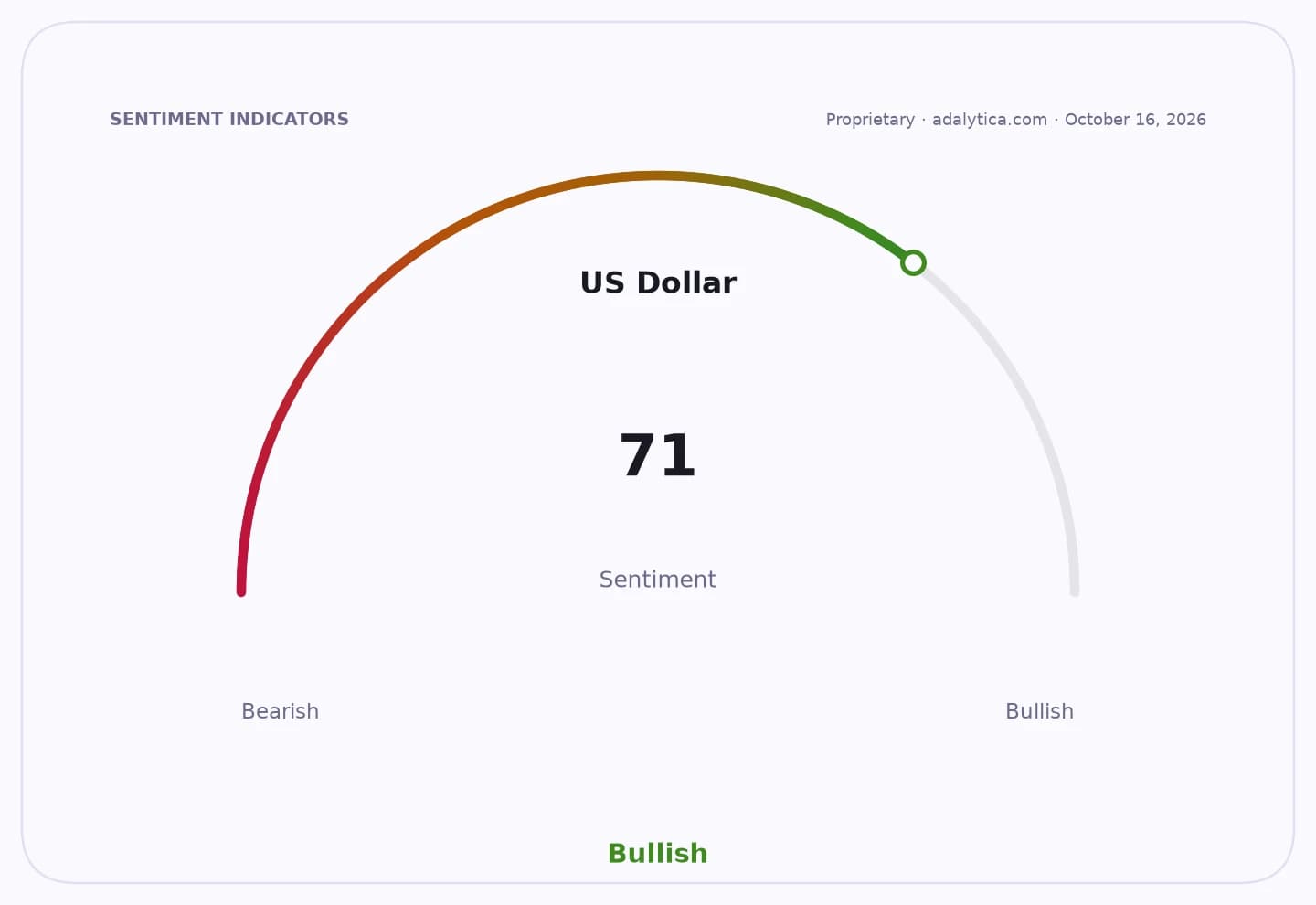
Sentiment IndicatorsⓘProprietary · adalytica.com · October 16, 2026
This is a snapshot — live sentiment, awareness and momentum for 130+ markets update continuously in the dashboard.Open AlphaPulse
The faster pace matters because reserve accumulation is a key test of Argentina’s effort to rebuild external buffers after a prolonged currency shortage. Higher official dollar buying can help strengthen the central bank’s balance sheet and support confidence in the peso, but it also reflects a market where dollar supply is currently exceeding demand.
Economy Minister Luis Caputo said the central bank buys dollars “when the market is a seller,” arguing that trying to buy when buyers dominate only pushes the price higher and yields fewer dollars. The explanation came after criticism from economist Amílcar Collante, who questioned earlier central bank purchases.
The central bank has bought $15.3 billion since launching its “phase 4” monetary program and says its longer-term goal is to accumulate between $10 billion and $17 billion in 2026, depending on money demand and FX-market liquidity. Even so, gross reserves fell $117 million on the day to $49.722 billion, underscoring that purchases do not always translate into a straight-line gain in reserve stock.
For investors, the main implication is that the authorities are still actively managing the currency market rather than stepping back. That supports near-term stability in the peso, but it also keeps focus on how durable the dollar inflows are and whether the central bank can continue adding reserves without reigniting pressure on the exchange rate.
The next catalysts are the pace of FX purchases, reserve trends and any shift in liquidity conditions in the wholesale market, where central bank intervention has become a key policy variable for local assets and sovereign-risk sentiment.
| Entity | Gains | Losses |
|---|---|---|
| Argentina central bank | ▲Higher dollar reserves | ▼Less room if market turns tighter |
| Peso holders | ▲Near-term FX support | ▼Risk of renewed volatility |
| Importers / dollar buyers | ▲More orderly market | ▼Higher official demand can tighten liquidity |
| Local bondholders | ▲Better external buffers | ▼Slow reserve buildup keeps risk elevated |