The Mexican peso slipped past 18.50 per dollar after fresh US inflation data reinforced the case for higher-for-longer American interest rates, keeping the dollar firm and pressuring emerging-market currencies.
Mexican peso slips past 18.50 as dollar firms

That matters because the peso is one of the market’s cleanest real-time barometers of global risk appetite and Fed policy expectations. When US inflation stays sticky, Treasury yields tend to rise, the dollar usually strengthens and carry-trade demand in higher-yielding currencies like the peso becomes less attractive. For Mexico, that can quickly ripple through import costs, corporate hedging, and the broader financial conditions that help shape growth.
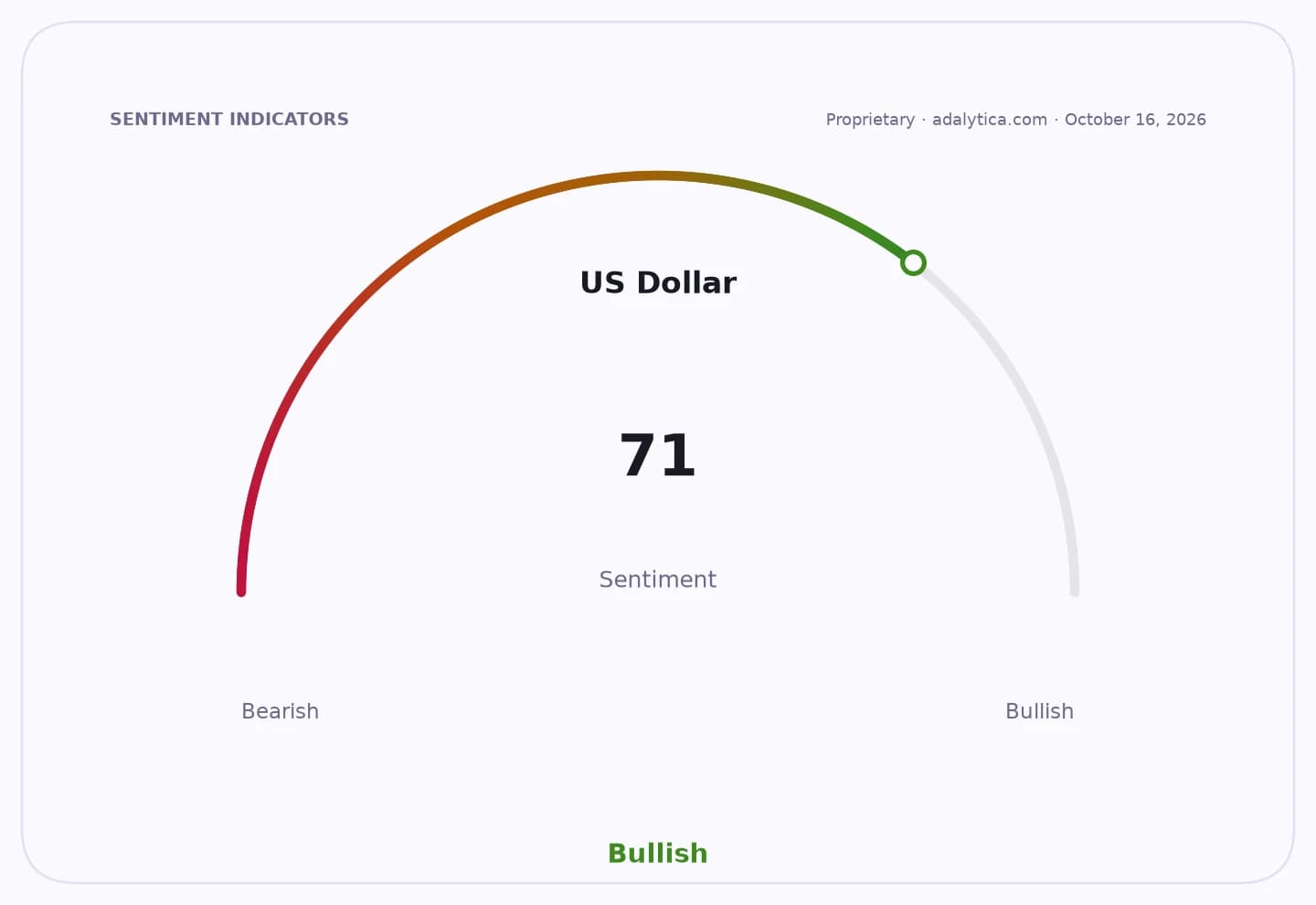
Sentiment IndicatorsⓘProprietary · adalytica.com · October 16, 2026
This is a snapshot — live sentiment, awareness and momentum for 130+ markets update continuously in the dashboard.Open AlphaPulse

The move also fits a wider cross-asset adjustment. The 10-year US Treasury yield held near 5.19%-5.24%, while the yield curve between 10-year and 2-year notes remained only modestly positive, at about 0.33 point, signaling that investors are still wrestling with whether the Fed can ease without reigniting inflation. Conventional technical indicators on the dollar ETF UUP show the fund trading near 29.0, just above its 50-day moving average of roughly 28.39 and above its 200-day average near 27.83, a sign the greenback remains in an uptrend even after recent consolidation.
For investors, that means the peso’s weakness is not just a Mexico story — it is a warning that the dollar’s resilience can persist whenever US price pressures stay elevated. Mexican assets tend to perform best when the Fed is clearly on a cutting path and volatility is muted. Right now, the market is getting the opposite: a reminder that inflation still has the power to drive rates, currencies and capital flows.

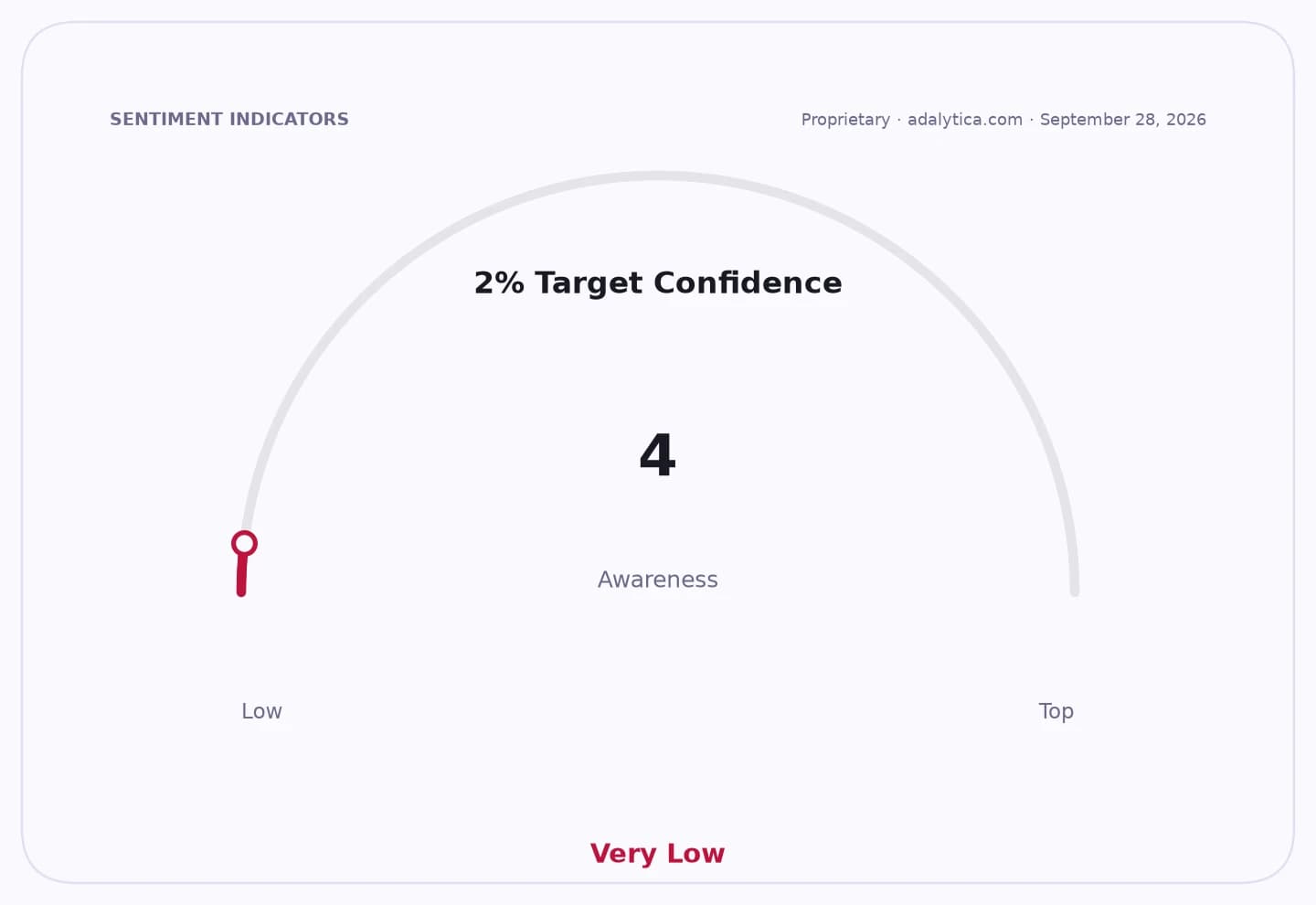
The Adalytica indicators underline the tension. Confidence in the Fed’s 2% inflation target is still elevated at 82, while long-term inflation expectations remain at an extreme 96, suggesting the market is not ready to fully price a benign disinflation path. With wage inflation sentiment also high, the dollar has a macro tailwind even if individual data prints wobble from month to month.
The investment takeaway is straightforward: stay positioned for a stronger dollar, cautious emerging-market FX, and selective opportunities in dollar beneficiaries until US inflation clearly cools and Treasury yields begin to roll over. In the near term, the peso may remain vulnerable every time inflation data forces traders to push back Fed easing bets.
| Entity | Gains | Losses |
|---|---|---|
| US dollar/UUP | ▲Stronger yield support | ▼FX bears |
| Mexican peso | ▲Higher hedge demand | ▼Importers and unhedged borrowers |
| US Treasuries/TLT | ▲Volatility-driven flows | ▼Rate-sensitive duration sellers |
| EM currencies/EEM | ▲Selective carry appeal fades | ▼Broad capital inflows |