The dollar eased 1.20 pesos to 981.8 in local trading on Tuesday, but the market is still positioned for a sharper move once U.S. inflation data lands and re-prices Federal Reserve expectations.
Chile peso edges lower ahead of U.S. CPI

The currency briefly touched 974 before recovering toward 982, a pattern that suggests traders are reluctant to take a firm directional view ahead of the consumer price index release. That caution matters because the next U.S. inflation print is likely to shape Treasury yields, the dollar’s global tone and the short-term path of Latin American exchange rates.
Sentiment IndicatorsⓘProprietary · adalytica.com · October 14, 2026
This is a snapshot — live sentiment, awareness and momentum for 130+ markets update continuously in the dashboard.Open AlphaPulse
In Chile, the peso’s recovery remained limited by weaker copper, which slipped 0.39% to around $6.72 a pound. That removed one of the main supports for the local currency. Market participants also pointed to a softer dollar globally and a pullback in the 10-year U.S. Treasury yield as factors behind the intraday dollar decline, but those forces were not enough to break the broader wait-and-see mood.
The stakes are high because inflation remains the key variable linking rates, currencies and risk assets. Economists expect U.S. consumer prices to rise 0.6% in September from the previous month and 3.6% from a year earlier. A reading above that range would likely revive bets that the Fed needs to keep policy tighter for longer, lifting the dollar and pressuring emerging-market currencies. A softer print would do the opposite, easing yields and giving the peso more room to extend gains.

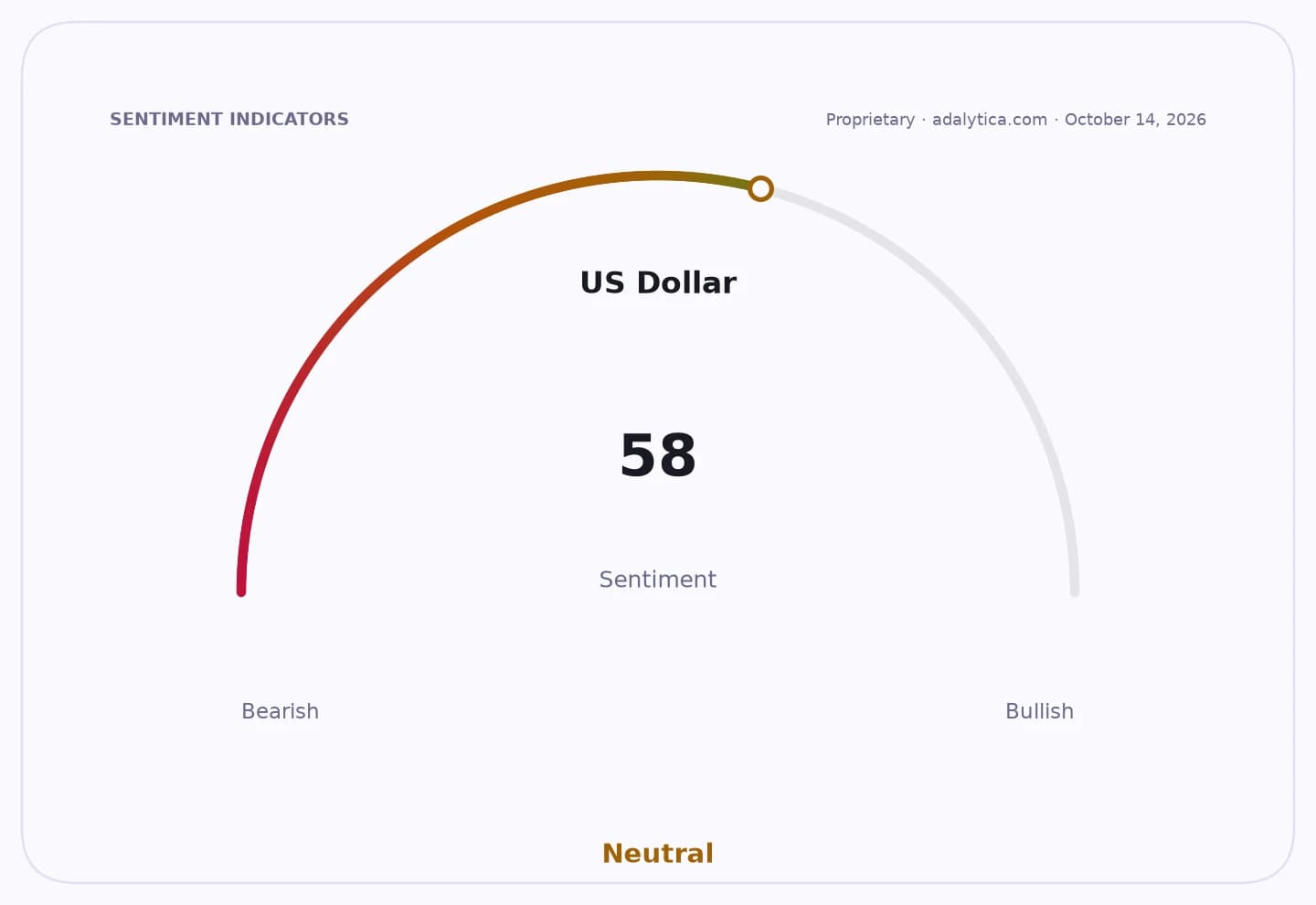
That reaction channel is already visible in market positioning. U.S. dollar ETF UUP closed at 29.13, above both its 50-day and 200-day moving averages, with RSI at 76.4, a sign the greenback has still been trading with strong momentum even after recent pullbacks. In other words, the dollar’s underlying trend remains firm enough that a hot inflation number could quickly reignite upside, while a benign reading may only produce a temporary setback.
For investors, the immediate focus is not just the headline CPI figure but whether it confirms or challenges the idea that U.S. price pressures are still sticky enough to keep real rates elevated. That will matter for the dollar, for carry trades, for commodity-linked currencies and for local central banks trying to balance imported inflation against slower growth.
If the data surprises to the upside, the peso and other emerging-market currencies are likely to come under pressure first. If it disappoints, the market could extend the recent dollar retreat, especially against currencies that also have support from commodities. Either way, the inflation release is the next catalyst that should set the tone for FX direction into the rest of the week.
| Entity | Gains | Losses |
|---|---|---|
| U.S. dollar bulls | ▲Higher yields, stronger FX | ▼Hot inflation risk |
| Chilean peso | ▲Softer CPI, weaker dollar | ▼Stronger copper decline |
| Importers in Chile | ▲Cheaper dollar financing | ▼Peso depreciation |
| Exporters tied to copper | ▲Weaker peso pricing support | ▼Stronger local currency |