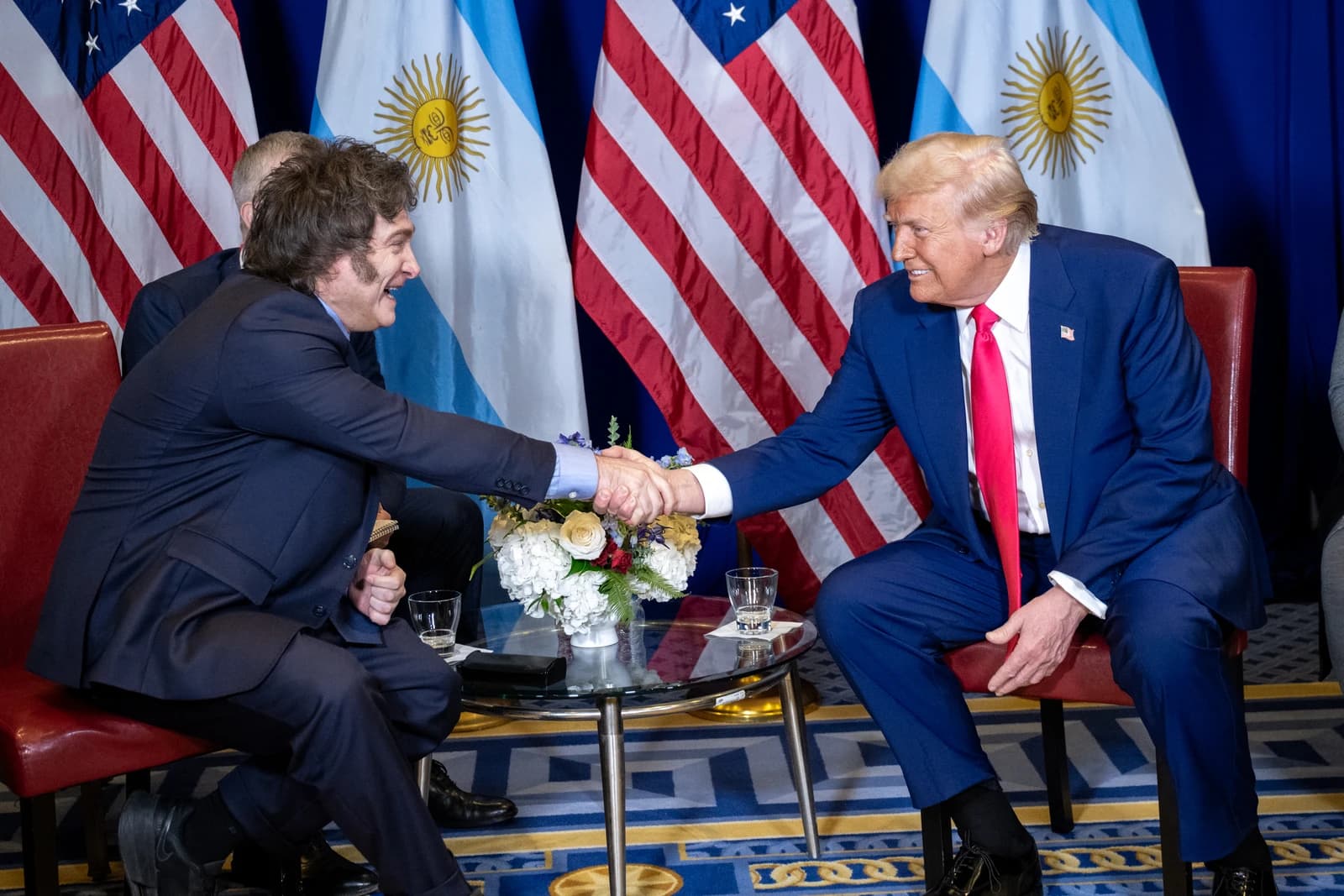
Javier Milei’s trip to Spain for the Ibero-American Summit is less about ceremony than about the message he is sending: Argentina’s president is openly aligning himself with Spain’s right-wing opposition while giving his foreign policy a sharper political edge. For investors, that matters because Milei’s international posture is now part of the broader story around Argentina’s reform agenda, market credibility and the country’s ability to keep attracting capital after a year of wrenching adjustment.
Argentina Milei visits Spain and meets Vox chief
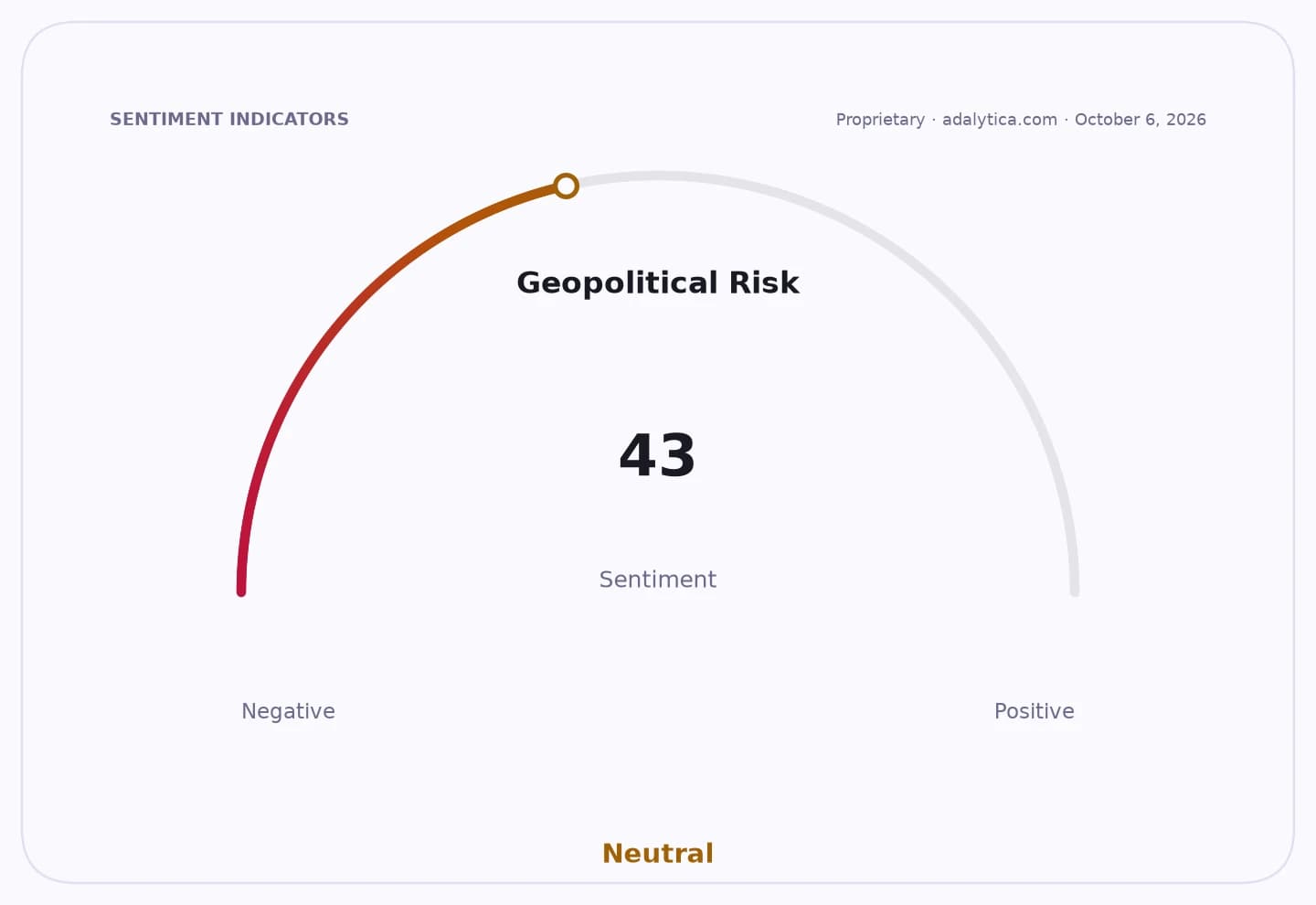
Geopolitical Risk
The Argentine leader will meet Vox chief Santiago Abascal, extending a pattern that has made Milei a high-profile ally of Europe’s nationalist right and a frequent critic of Prime Minister Pedro Sánchez. On a practical level, the visit also shows how selective Milei is being with diplomacy: despite the presence of leaders from 22 Ibero-American countries, he has no bilateral meetings scheduled with other presidents and will not take part in the separate royal meetings hosted by King Felipe VI. That leaves the summit as much a political signal as a multilateral forum.
Sentiment Indicators
For markets, the significance is twofold. First, Milei’s willingness to use foreign trips to reinforce his domestic political brand suggests he is not stepping back from the confrontational style that helped carry his reform message at home. That can be a strength if it keeps his base mobilized behind budget cuts, deregulation and a more market-friendly Argentina. But it can also inject noise into relations with key European counterparts at a time when Argentina needs steadier ties, more investment and better access to financing.
Second, the optics around the visit arrive as Argentina’s economy remains a story of stabilization, not comfort. The peso has been trading with far less panic than during the worst of the crisis, but it is still fragile and sensitive to confidence shocks. In the latest readings, the dollar exchange rate has been hovering well above 1,500 pesos, while technical indicators show momentum that is strong but extended, with the relative strength index above 70 and the currency trading near its upper Bollinger Band. In plain English, the market is no longer in free fall, but it remains priced for a lot of good news.
That is why political continuity matters so much. Milei’s program depends on keeping the market convinced that fiscal discipline, deregulation and cleaner policy signals will outlast the headlines. Internationally, that means he needs to project consistency, not just ideology. A combative tone with Spain’s center-left government may play well with his supporters, but long-term investors will care more about whether he preserves access to trade, investment and diplomatic support in Europe.
The contrast with Spain also adds another layer. The summit is taking place against a backdrop of political strain in Madrid, which only heightens the visibility of Milei’s alignment with opposition forces there. That may help him deepen ties with sympathetic conservatives, but it also risks narrowing his room to maneuver with incumbent governments that matter for Argentina’s broader economic repair.
For investors, the takeaway is straightforward: Milei’s Spain trip is another reminder that Argentina’s recovery story is inseparable from politics, both at home and abroad. The reform trade is still the one to watch, but the execution risk remains high. If you own Argentina exposure, this is a country to monitor with patience, not chase on headlines alone.
| Entity | Gains | Losses |
|---|---|---|
| Milei and allies | ▲Political branding | ▼Diplomatic neutrality |
| Vox and Santiago Abascal | ▲International visibility | ▼Distance from Spain’s government |
| Argentina reform investors | ▲Signal of policy continuity | ▼Noise from geopolitical friction |
| Pedro Sánchez’s government | ▲— | ▼Additional opposition spotlight |