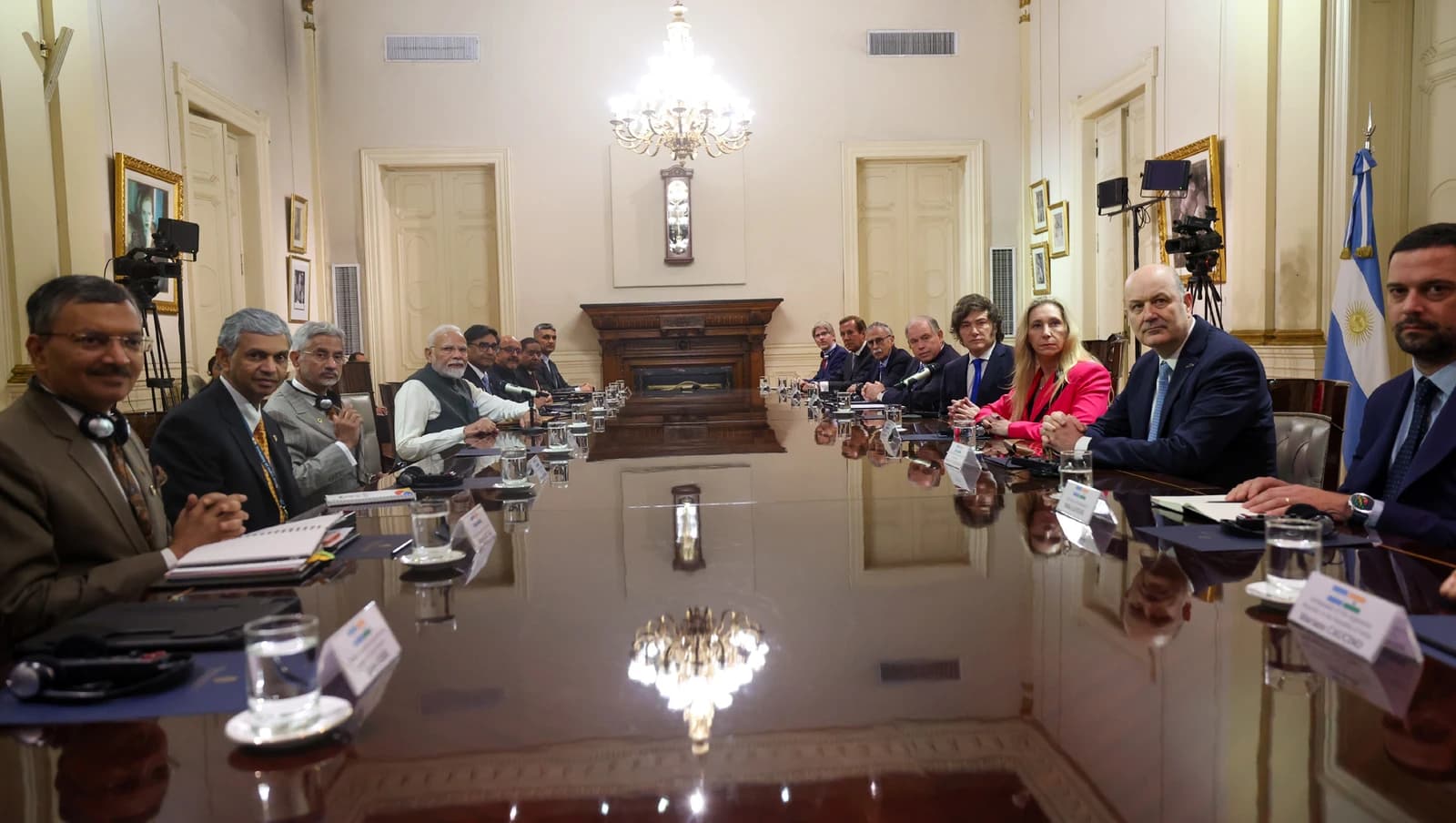
Javier Milei used a cabinet meeting in Buenos Aires to celebrate Bolsonaro’s victory in Brazil and prepare a new trip to Spain, underscoring how Argentina’s president is tying foreign policy to a broader bet on right-wing governments, friendlier capital flows and a regional break from the left.
Argentina Milei ties foreign policy to markets
That matters economically because Brazil is Argentina’s largest commercial partner and the key anchor for Mercosur, while Spain remains one of the biggest foreign investors in Argentina through banks, utilities and infrastructure groups. A warmer political alignment with Brasília could reduce diplomatic friction just as Milei needs trade stability, export growth and foreign funding to sustain his austerity program.
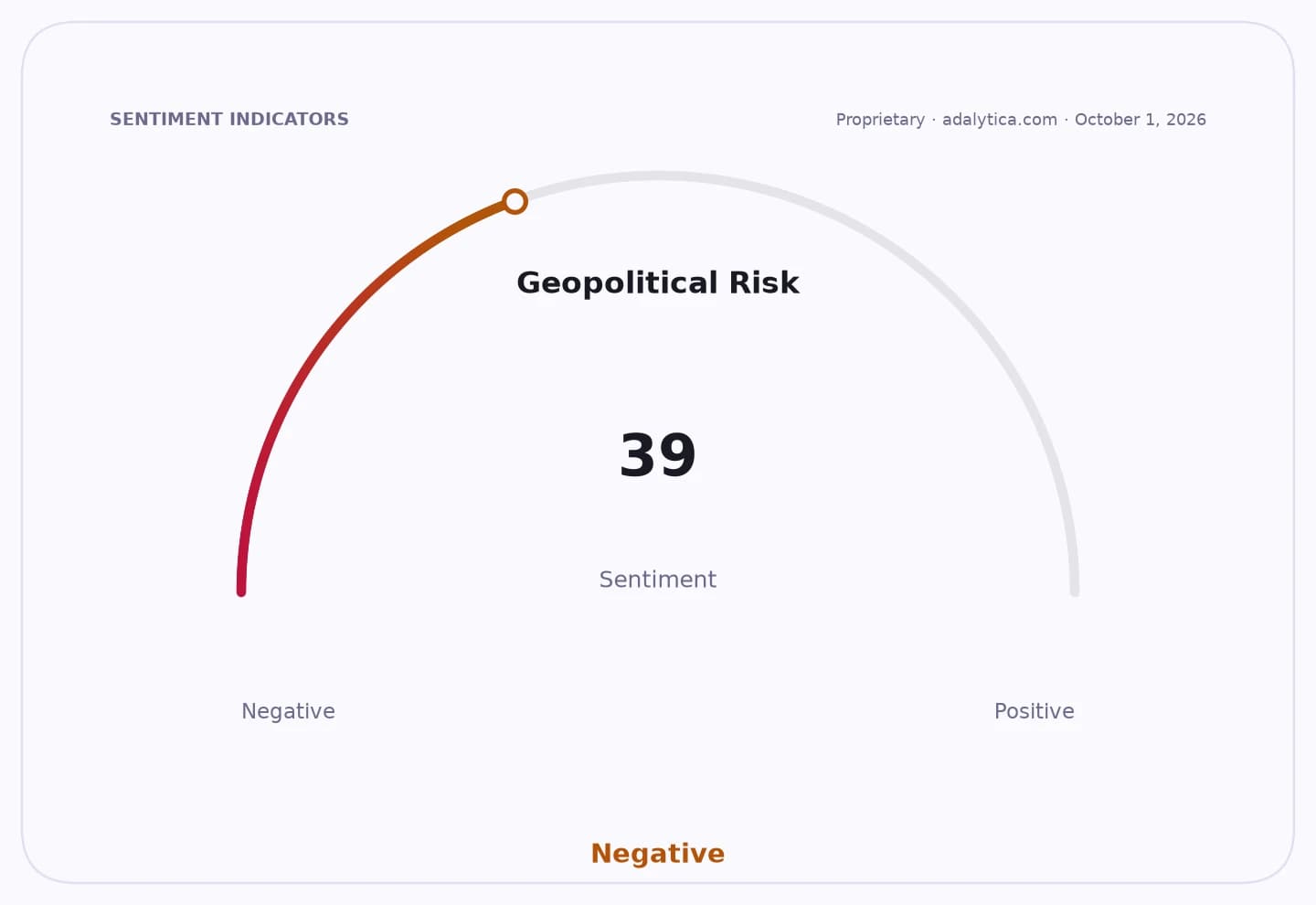
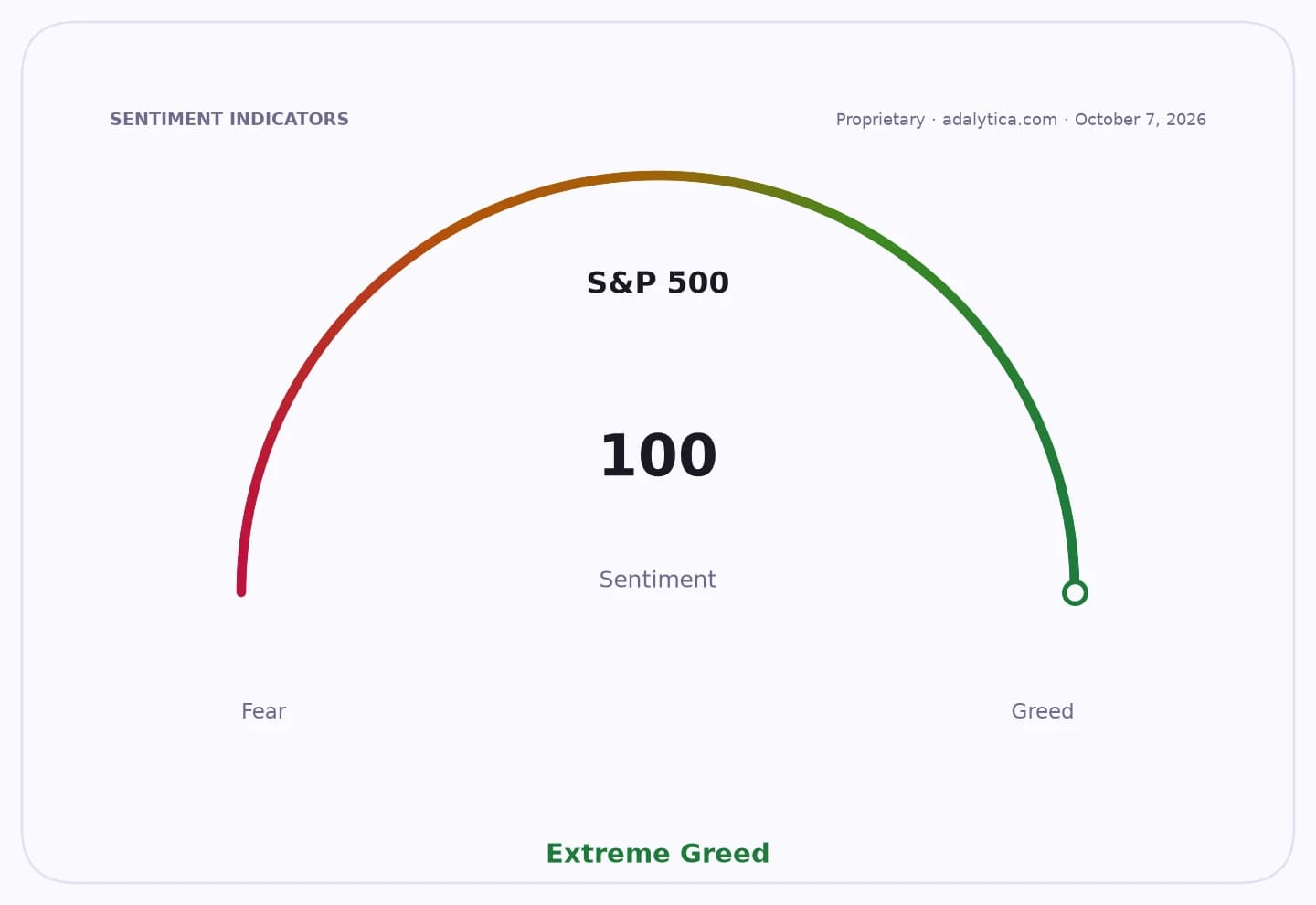
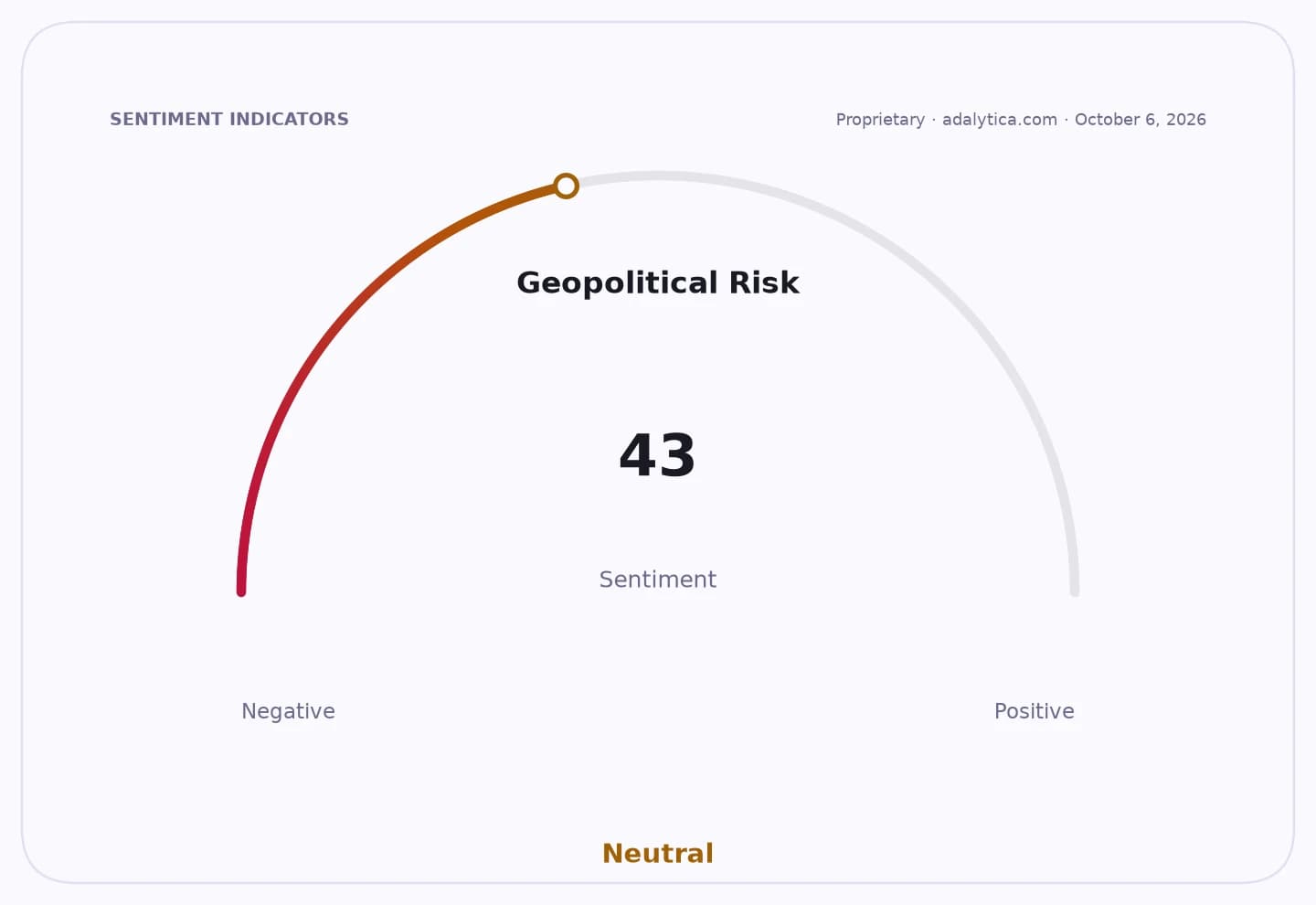
Sentiment IndicatorsⓘProprietary · adalytica.com · October 6, 2026
This is a snapshot — live sentiment, awareness and momentum for 130+ markets update continuously in the dashboard.Open AlphaPulse
According to the government, Milei told ministers he viewed the Brazilian result as a “great victory” and dismissed Lula’s campaign spending as a failed “plan platita,” a clear signal that he sees the region’s political cycle turning away from redistribution and toward market-friendly policy. The cabinet also discussed Spain’s snap election, with Milei confirming he will travel there on Oct. 19 and take part in events in Madrid on Oct. 21.
For investors, the story is less about ceremony than about policy tone. Milei’s foreign-policy choices are designed to reinforce his domestic economic message: fiscal discipline, deregulation and a sharper break with the left. That can support risk appetite for Argentine assets if markets believe it increases the odds of trade openness and capital inflows. But it also raises execution risk if the government turns ideological posture into diplomatic tension with major partners, especially Spain, where Argentine assets and utilities have long been sensitive to political noise.
The cabinet meeting also touched on September tax receipts, which the government described as “very positive,” and on external shocks such as high oil prices and elevated U.S. rates. Those issues matter more immediately to Argentina’s macro outlook than the symbolism of the trip itself: stronger revenue improves the odds Milei can keep the fiscal adjustment on track, while expensive energy and sticky global rates can complicate inflation, financing costs and growth.
The broader narrative is that Milei is trying to present Argentina as an outlier in a world of geopolitical realignment. The government’s discussion of Brazil, Spain, the Malvinas dispute and a presentation by economist Alberto Ades on debt and markets points to a leadership team viewing politics and capital markets through the same lens — a global regime shift in which investors reward alignment, credibility and fiscal restraint.
For now, that may help Argentina keep attracting attention from dollar investors and traders looking for policy continuity. The risk is that rhetoric outruns economic deliverables: if revenue weakens, external conditions tighten or regional relations sour, the market will care less about Milei’s ideological victories than about whether his government can still deliver growth, reserves and financing.
| Entity | Gains | Losses |
|---|---|---|
| Milei government | ▲Political alignment narrative | ▼Diplomatic flexibility |
| Argentine sovereign assets | ▲Reform credibility | ▼Policy noise risk |
| Bolsonaro-aligned Brazil | ▲Regional support | ▼Mercosur uncertainty |
| Spain-based investors | ▲Closer dialogue potential | ▼Higher political friction |