Javier Milei is preparing to take his flagship investment pitch on the road, with Mendoza among the provinces set to receive a presidential stop as Argentina tries to turn its new RIGI regime into visible, bankable industrial activity.
Argentina Milei RIGI tour reaches Mendoza
That matters because the government is no longer just selling a policy — it is trying to prove the policy is working. The Régimen de Incentivo a las Grandes Inversiones has already approved 23 projects worth $49.766 billion, according to official figures, and the administration says those commitments could support 108,450 direct and indirect jobs. For investors, that is the real story: a government seeking to convert regulatory credibility into capital spending, export growth and longer-duration cash flows in energy, mining and infrastructure.
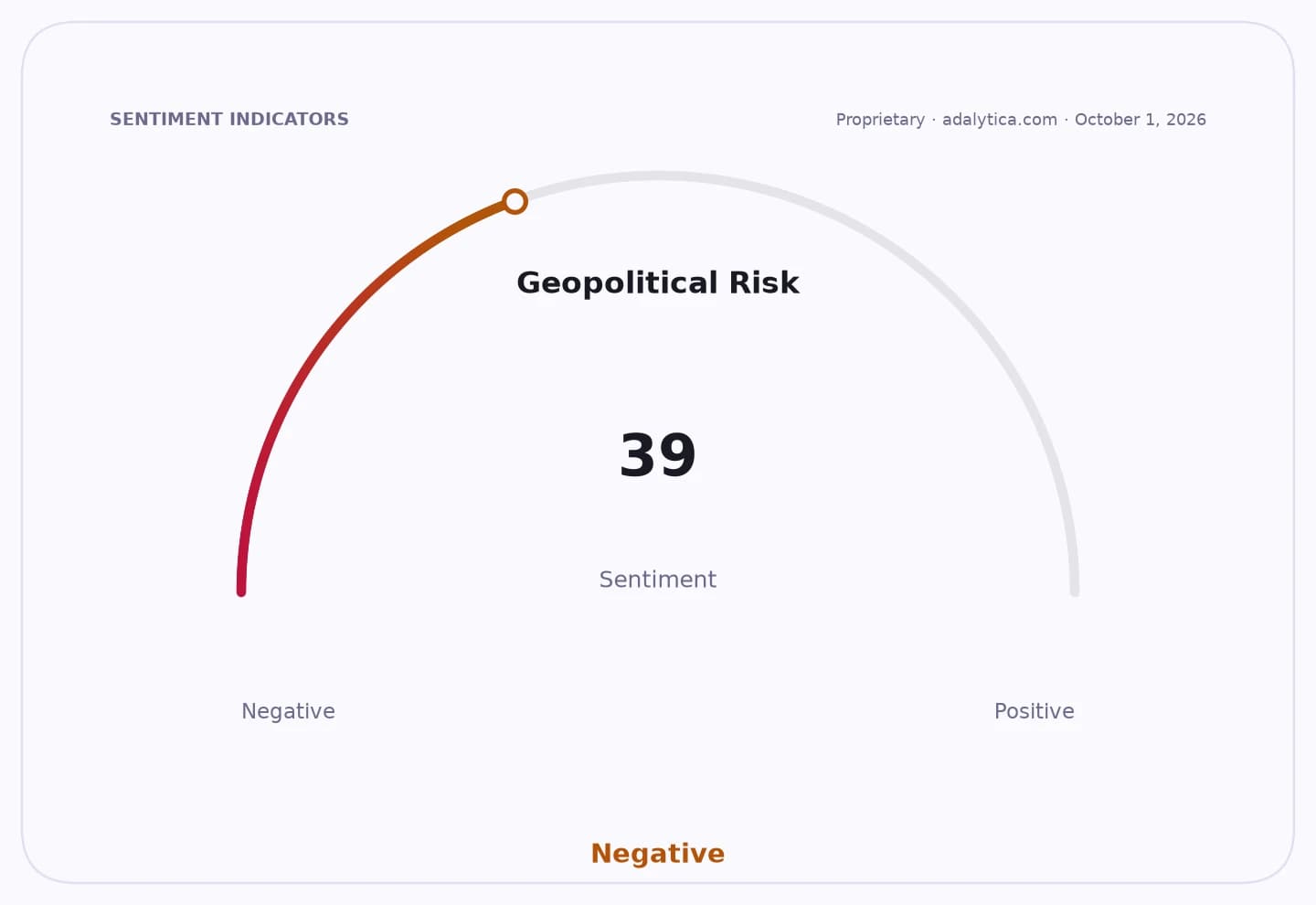
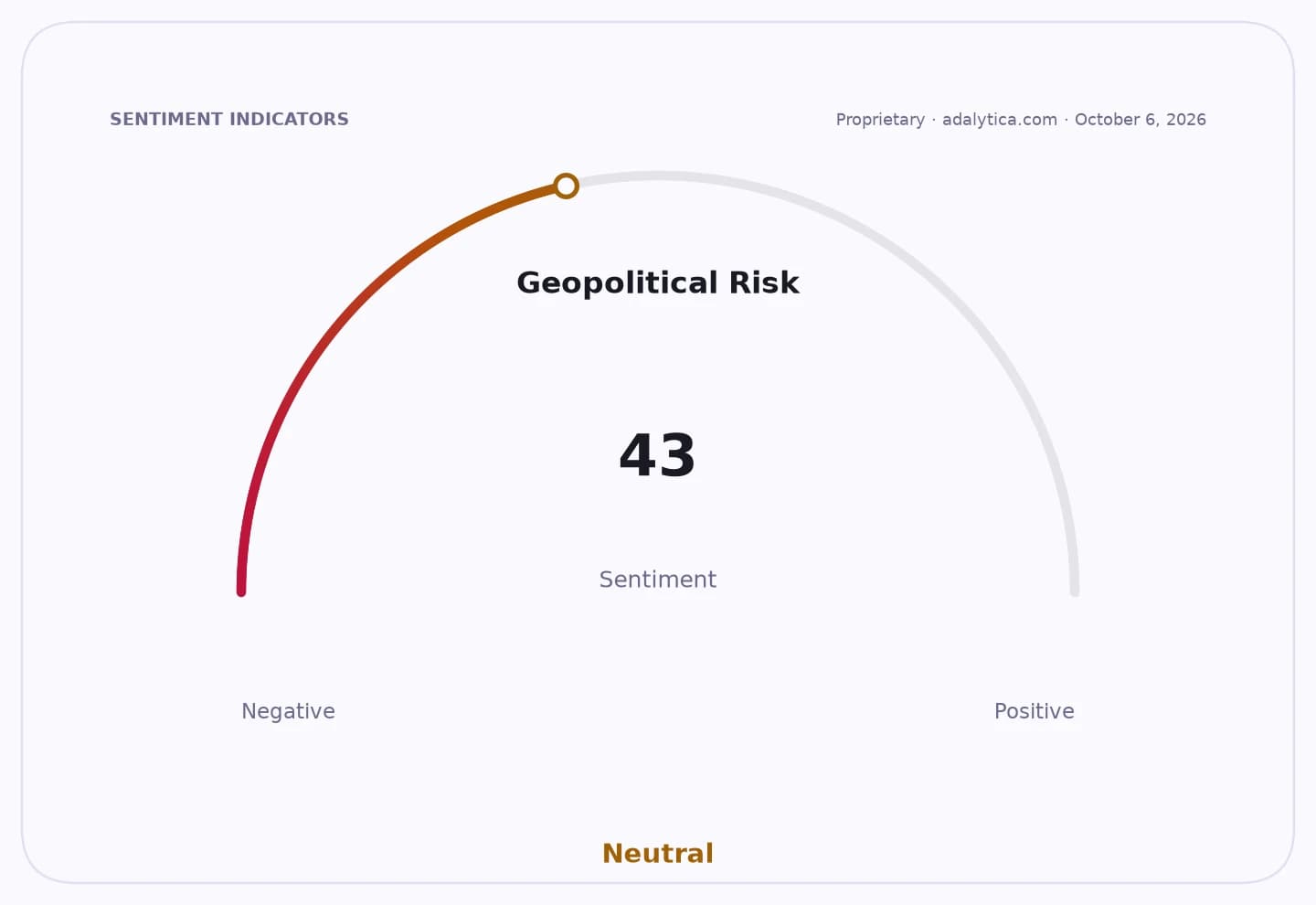
Sentiment IndicatorsⓘProprietary · adalytica.com · October 7, 2026
This is a snapshot — live sentiment, awareness and momentum for 130+ markets update continuously in the dashboard.Open AlphaPulse
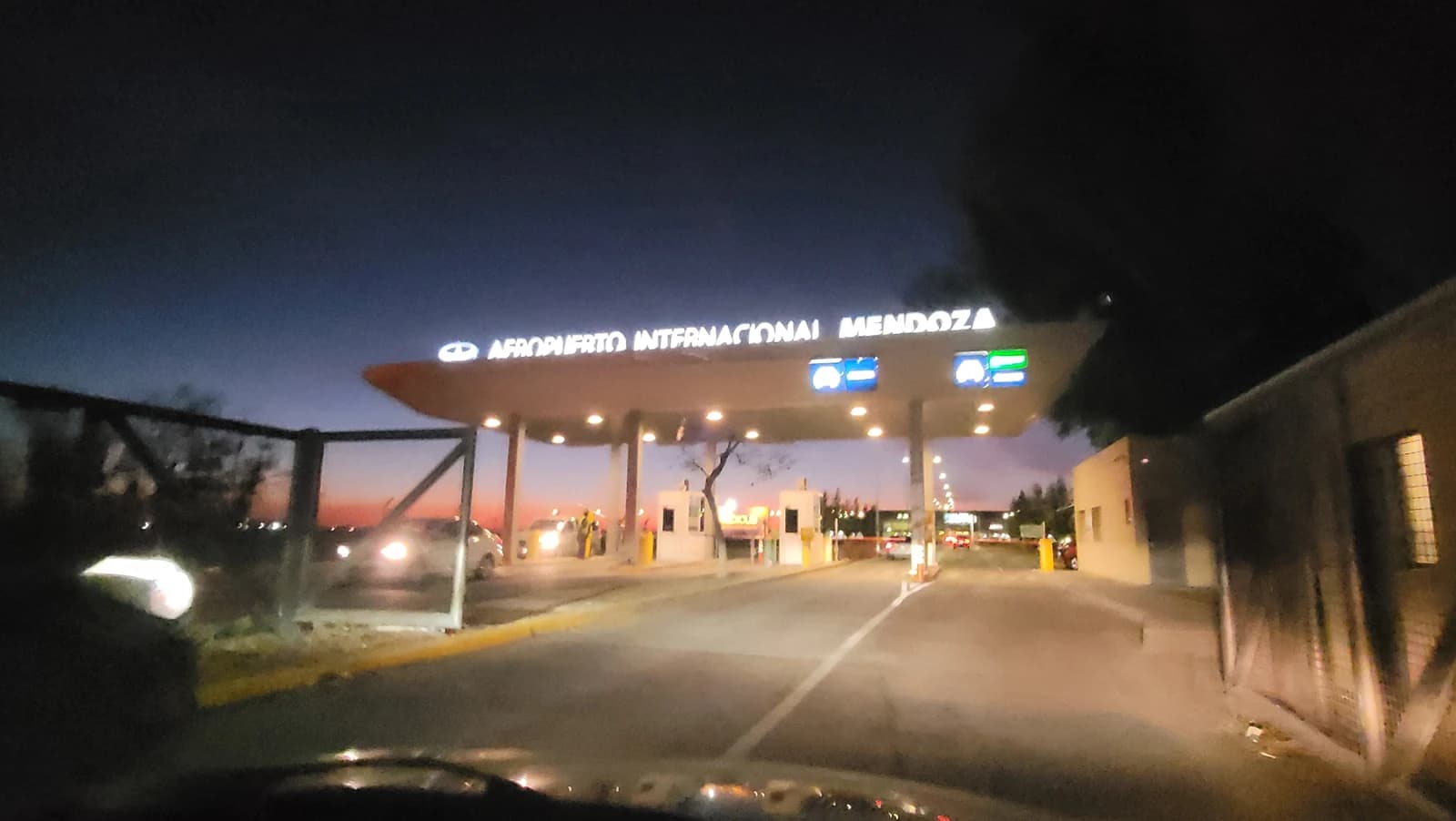
Mendoza’s inclusion is especially useful for Milei politically and economically. The province has two RIGI-linked projects, including El Quemado, a solar park in Las Heras that required about $200 million and was already inaugurated this year. In other words, Mendoza gives the president a concrete example of the regime at work, not just a promise on paper. That is exactly the kind of proof point a reform-minded government needs if it wants investors to believe Argentina is building a more stable investment framework.
The broader tour is expected to reach nine provinces by December — Catamarca, San Juan, Río Negro, Neuquén, Salta, La Pampa, Mendoza, Jujuy and Santa Fe — all areas where the first RIGI projects are concentrated. The itinerary also doubles as a political map. Most of the governors in line for visits have workable ties with the Casa Rosada, including Mendoza’s Alfredo Cornejo, who met Milei during the Argentina Week in Paris. That matters because the government is also negotiating support for an electoral reform that includes scrapping the PASO primaries, and Milei clearly wants provincial cooperation while he has momentum.
For markets, the RIGI is one of the clearest expressions of Argentina’s investment thesis: if policy sticks, capital can flow into sectors with very long asset lives and large upfront spending. Mining dominates the approved pipeline with 12 projects, followed by oil and gas with seven. Those are exactly the kinds of projects that can reshape trade balances, bring in dollars and support earnings for contractors, utilities and local service providers over many years.
The stock market has already been telling a cautious version of that story. Shares of Argentine asset exposure such as the Global X MSCI Argentina ETF have slipped below recent moving averages, while YPF and Grupo Galicia have also retreated from earlier highs. That does not erase the longer investment case, but it does show how sensitive the market remains to execution, policy follow-through and macro volatility.
Argentina’s challenge is straightforward: keep approvals turning into shovels in the ground. The official numbers are large enough to matter, but investors will ultimately care less about the rhetoric around the tour than about whether the first wave of RIGI projects keeps advancing, especially in energy and mining where the payoff can stretch across years, not quarters. For long-term investors, that is why Mendoza is worth watching.
| Entity | Gains | Losses |
|---|---|---|
| Milei administration | ▲RIGI credibility | ▼Policy skepticism |
| Mendoza and Cornejo | ▲Investment visibility | ▼Political distance |
| Energy and mining investors | ▲Long-cycle project pipeline | ▼Regulatory uncertainty |
| Argentine opposition / skeptics | ▲— | ▼Reform momentum |