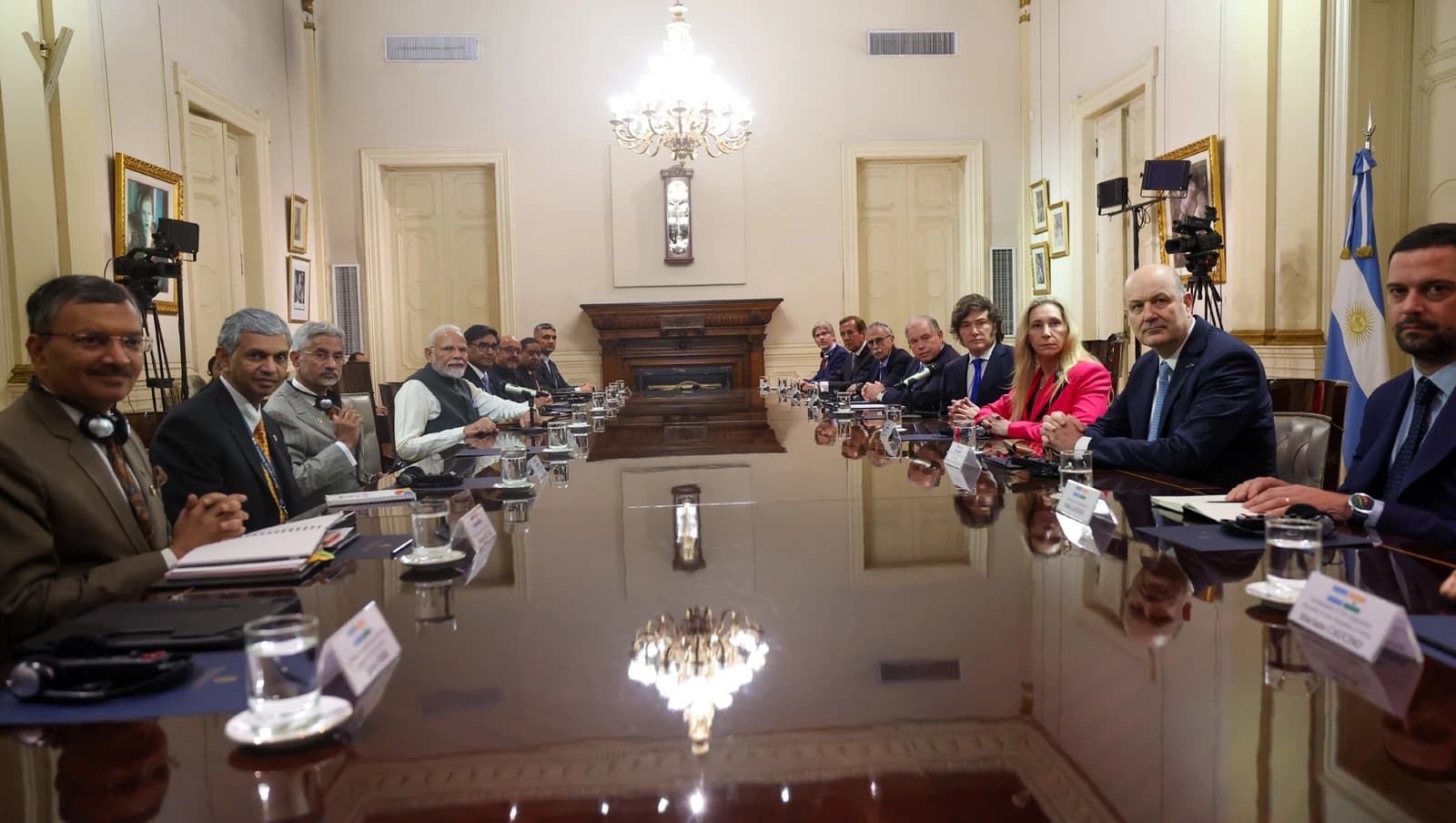
Peter Lamelas said support in Washington for Javier Milei’s government is broader than Donald Trump’s political camp, a signal that could help keep U.S. financing and investment flowing to Argentina even if the White House’s domestic footing weakens.
Argentina U.S. financing support expands beyond Trump
That matters because Buenos Aires is trying to convert a high-profile political alignment into hard currency: Lamelas pointed to as much as $7 billion in infrastructure-related financing and described the package as only the start of a larger pipeline involving the U.S. Export-Import Bank, the Development Finance Corporation and private capital. For an economy that has spent years starved of foreign funding, the prospect of U.S.-backed capital tied to energy, transport and critical minerals is more than diplomacy. It is an attempt to lower one of Argentina’s biggest economic constraints — financing risk.
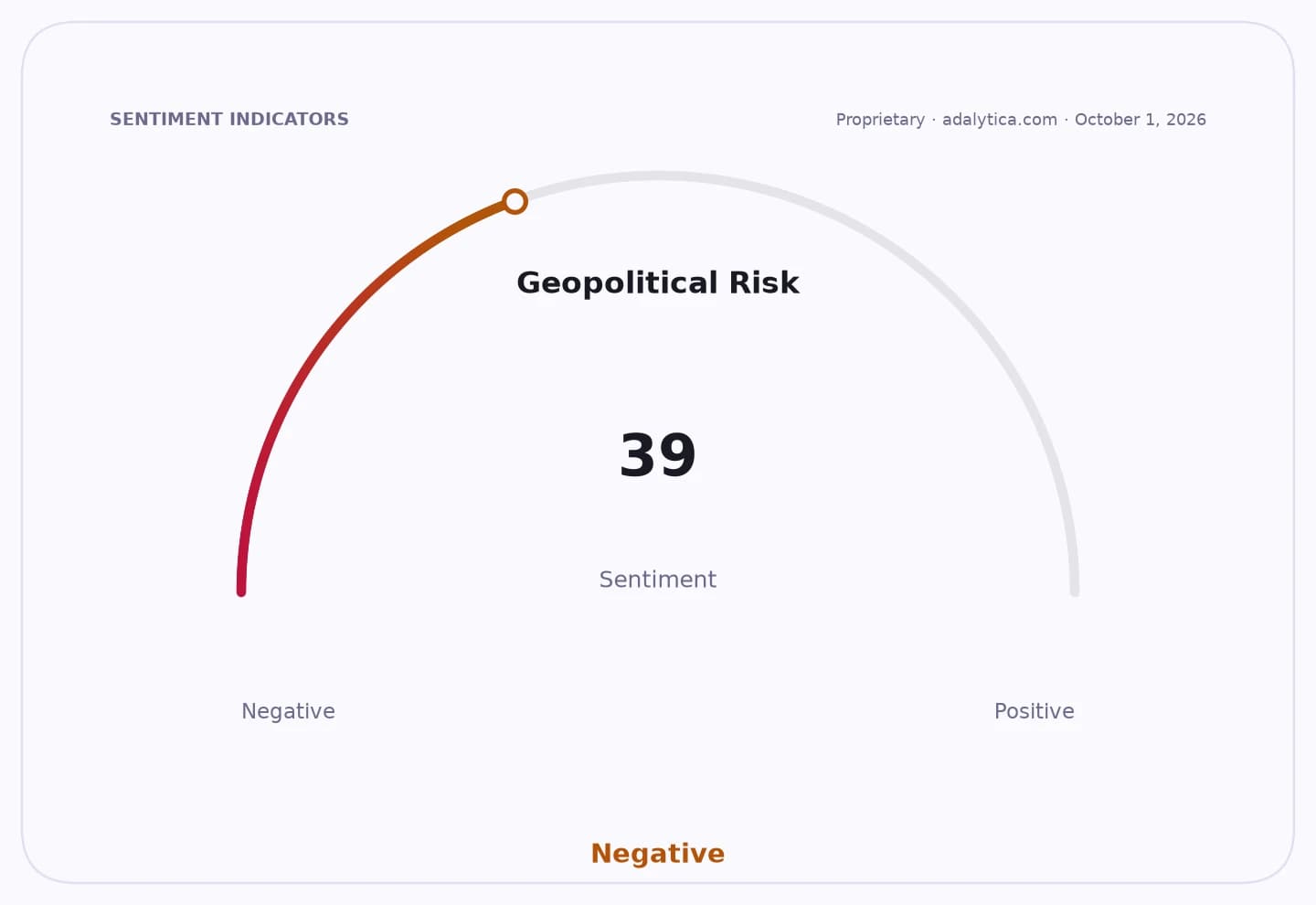
Sentiment IndicatorsⓘProprietary · adalytica.com · October 1, 2026
This is a snapshot — live sentiment, awareness and momentum for 130+ markets update continuously in the dashboard.Open AlphaPulse
Lamelas, the U.S. ambassador in Buenos Aires, framed the relationship as institutional rather than partisan, saying Democrats and Republicans alike support Argentina and that congressional visits from both parties reflect interest in what he called the country’s “economic miracle.” The message is important for investors because it suggests the Milei administration’s access to Washington may outlast election cycles, reducing the chance that a change in U.S. politics could abruptly derail projects now being marketed to lenders and strategics.
The investment case is concentrated in sectors where Argentina has obvious comparative advantages. Lamelas highlighted a strategic corridor linking Vaca Muerta, Argentina’s shale formation, with critical minerals and energy infrastructure. If financing materializes, it could support exports, logistics and hard-currency generation at a time when Argentina is still trying to stabilize reserves and rebuild credibility with external creditors. That would also help U.S. firms looking for entry points in energy and mining, while giving Washington a way to compete for influence in Latin America through commercial rather than purely diplomatic tools.
Markets have already been treating Argentina as a high-beta political trade, but the evidence is mixed. The ARGT exchange-traded fund has been volatile and recently sat below both its 50-day and 200-day moving averages, while the RSI has fallen into deeply oversold territory, underscoring how fragile sentiment remains despite periodic rallies. Broader emerging-market gauges such as EEM have held up better, suggesting investors are distinguishing between Argentina-specific policy risk and the wider developing-world backdrop. The dollar also remains under pressure in the Adalytica data, a reminder that global capital is not yet signaling a broad de-risking from emerging markets, but it remains selective about where it can earn a return.
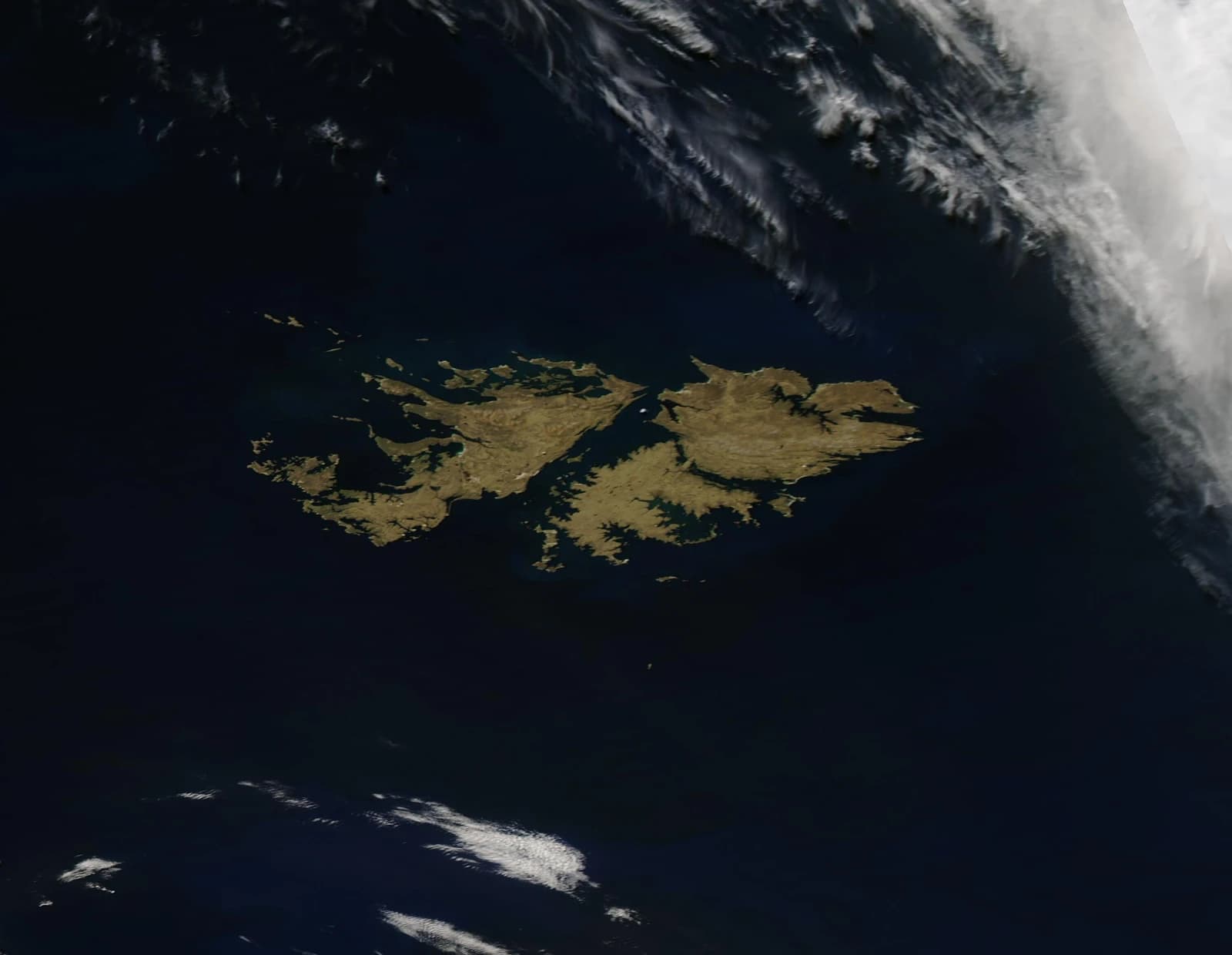
The geopolitical layer is equally important. Milei has used the UN stage to press Argentina’s claim over the Falkland Islands and to criticize multilateral institutions, while Lamelas signaled that the Trump administration’s position on the dispute remains unchanged. That keeps the alliance politically visible, but for investors the larger issue is whether the U.S. can turn rhetorical backing into bankable support without getting drawn into fresh diplomatic friction with the UK or other partners.
For now, the market-relevant story is that Argentina is trying to turn ideological affinity into balance-sheet relief. If bipartisan support in Washington holds and the financing pipeline advances, Milei could gain a rare external tailwind. If it stalls, the alliance risks remaining a symbolically powerful but financially limited partnership.
| Entity | Gains | Losses |
|---|---|---|
| Argentina | ▲Access to U.S. financing | ▼Isolation risk if funding stalls |
| Milei government | ▲Political legitimacy | ▼Pressure if capital inflows disappoint |
| U.S. lenders/investors | ▲New project pipeline | ▼Exposure to Argentina execution risk |
| UK/Falklands claim dispute | ▲Diplomatic visibility | ▼Higher political tension with Argentina |