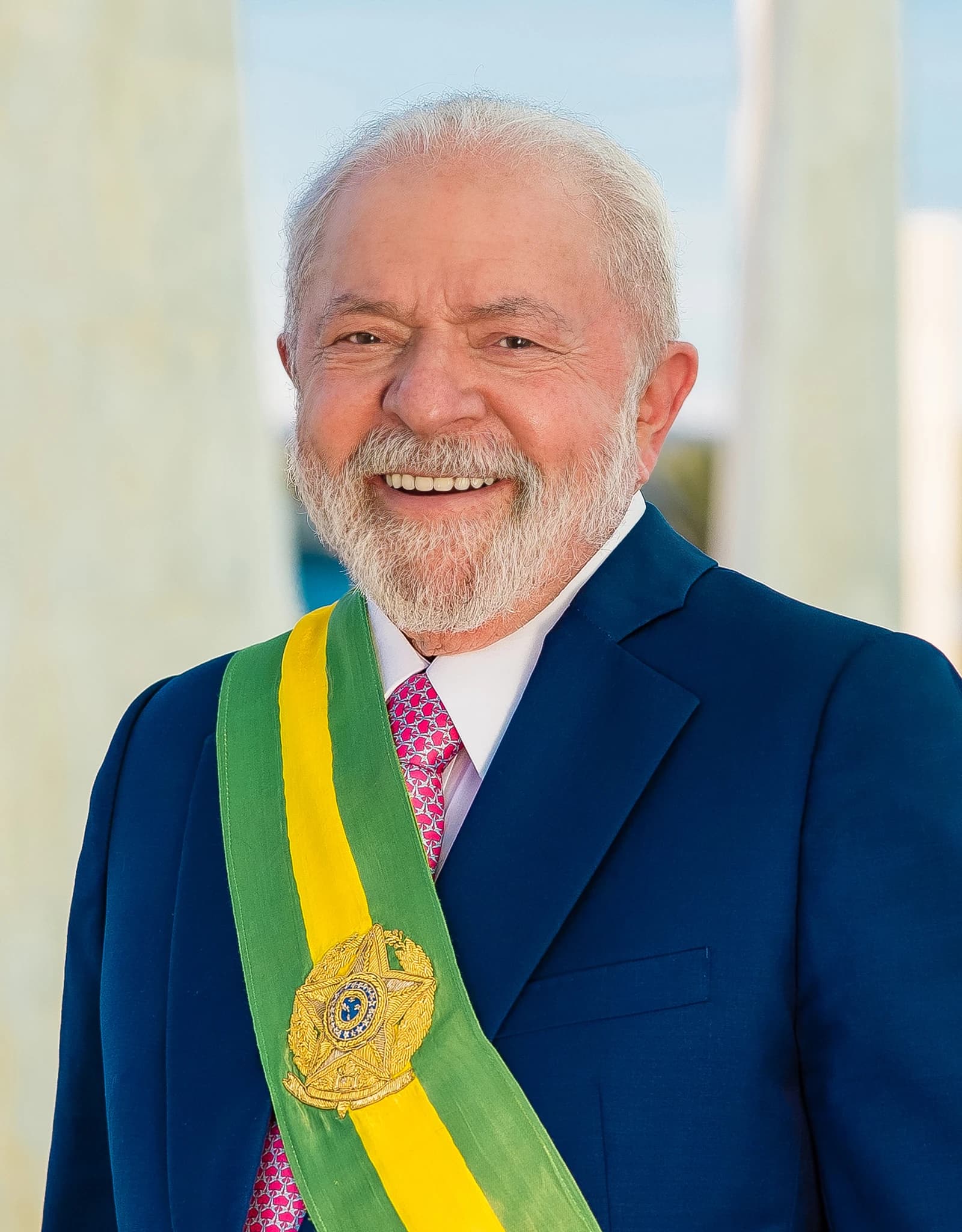
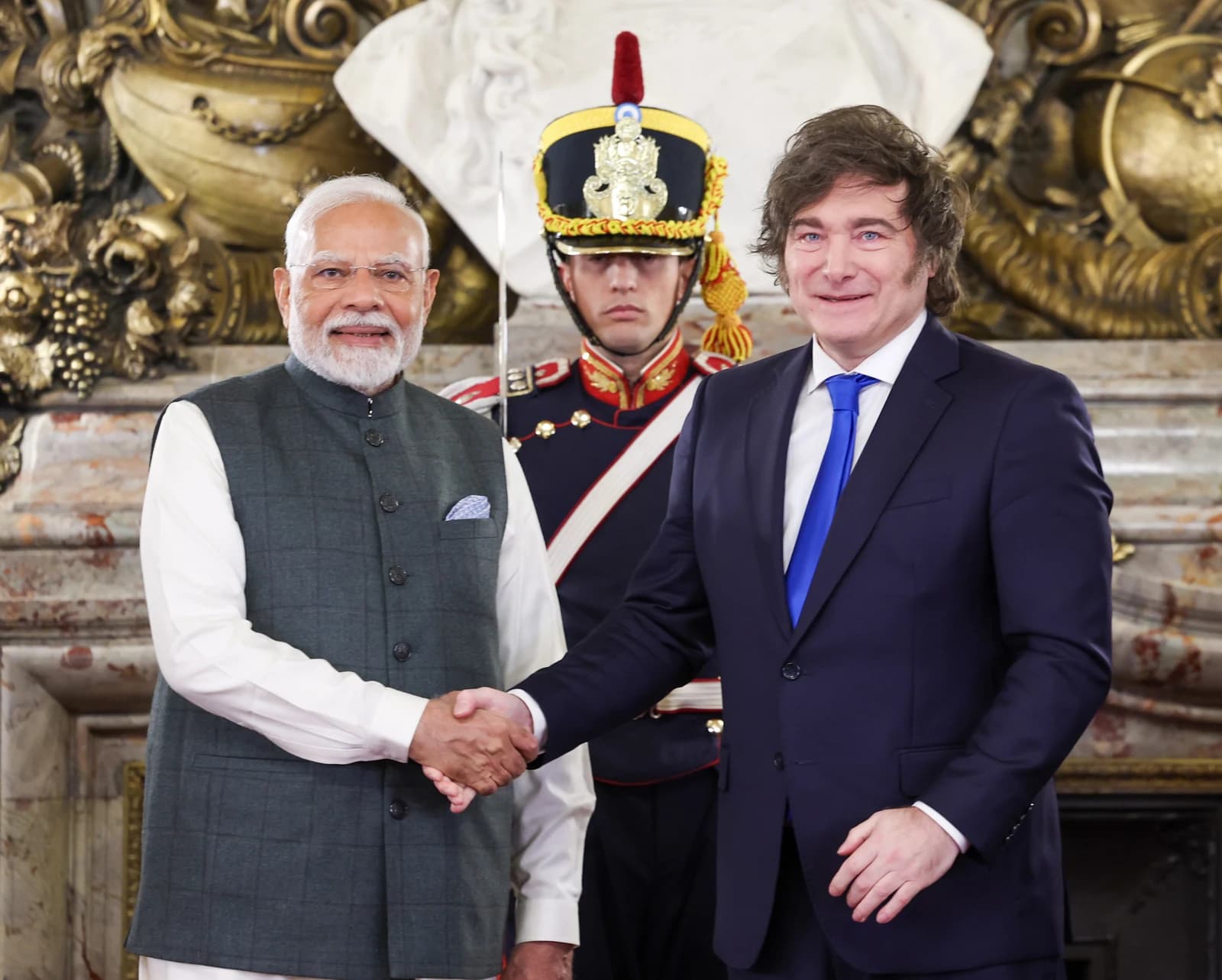
A potential Flávio Bolsonaro victory in Brazil would give Javier Milei the closest ideological ally Argentina has had in years, but it would also create a far more dangerous economic competitor at the top of South America.
Brazil election could reshape Argentina trade ties
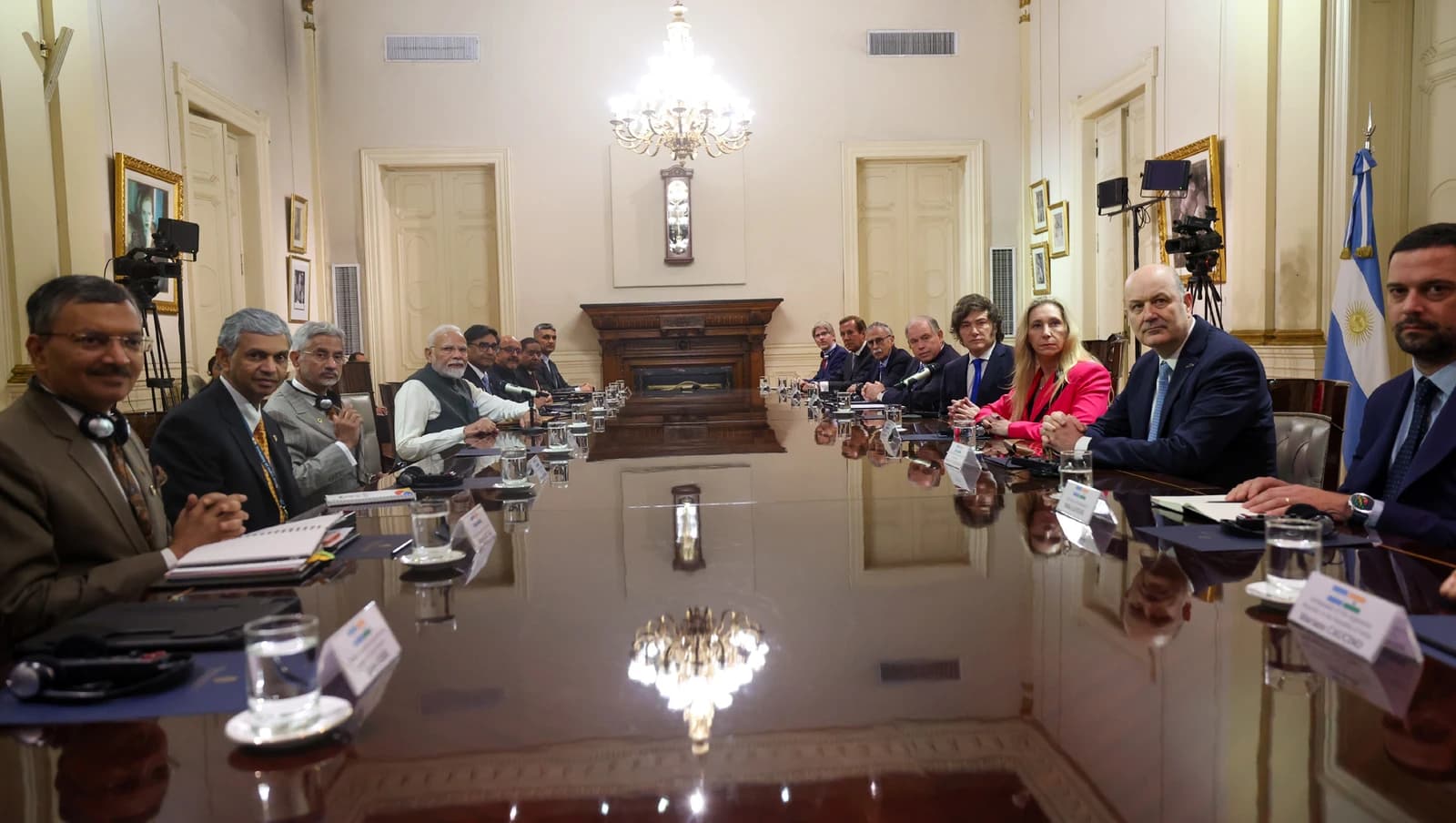
That is the central market and geopolitical issue for Buenos Aires: a Bolsonaro-led Brazil would likely ease political tensions, open the door to a looser Mercosur and improve coordination on security and foreign policy, yet it would also force Argentina to share Washington’s attention, investment flows and trade advantages with a much larger economy.
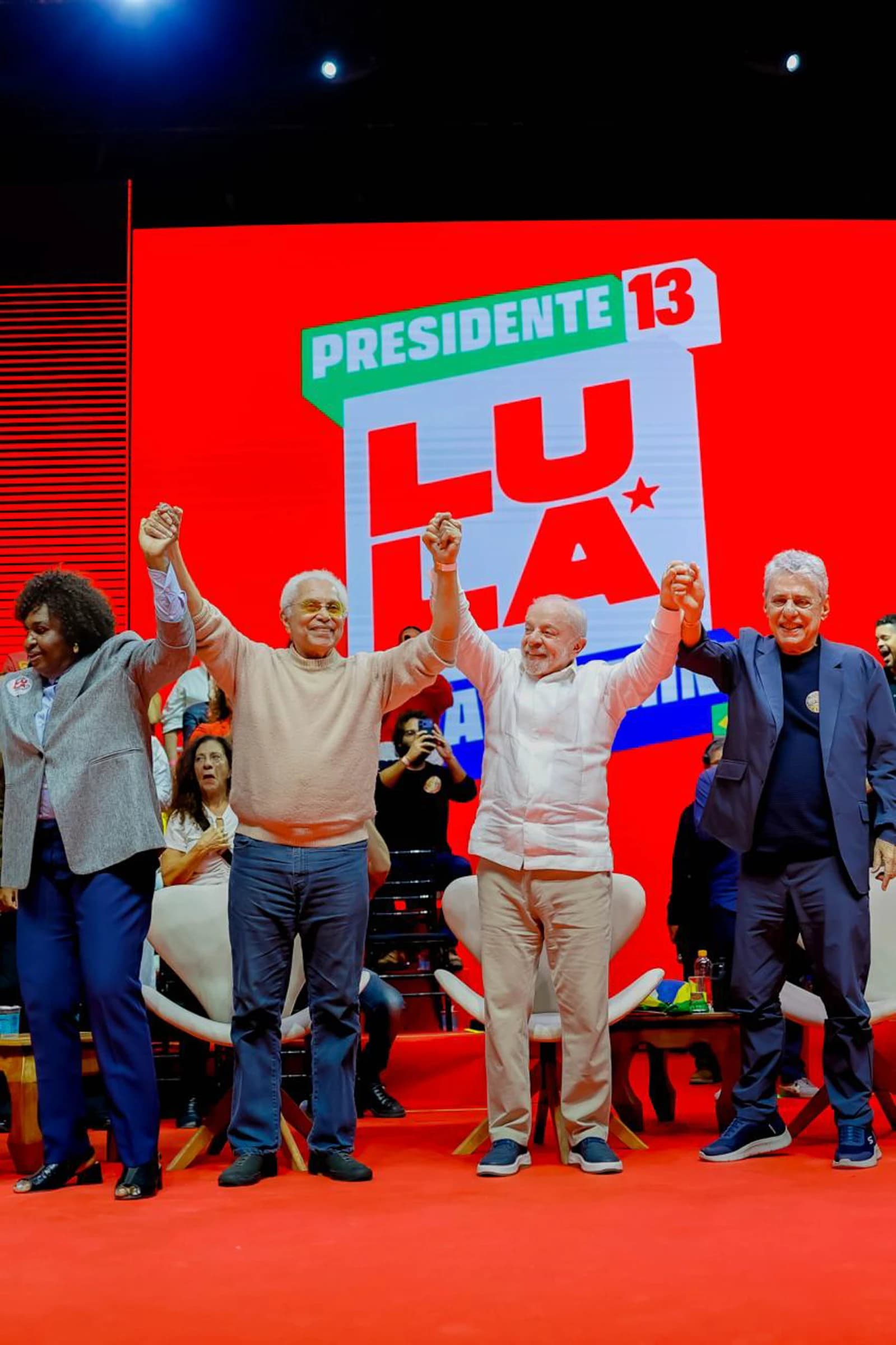
The first round result cited in the campaign leaves the race finely balanced, with Flávio Bolsonaro on 47.03% against Luiz Inácio Lula da Silva’s 45.16%, and the runoff on Oct. 25 now carrying implications well beyond Brazilian domestic politics. For Argentina, the outcome could determine whether the region’s conservative turn becomes an integration story or a competition for capital, market access and strategic relevance.
Under Lula, Buenos Aires and Brasilia have often been at odds. Under Flávio Bolsonaro, that friction would likely disappear. Flávio’s platform, according to the campaign material cited, explicitly prioritizes closer ties with the US, Israel and Argentina, and that alone matters for investors watching the region’s policy premium. A more congenial bilateral relationship could support cooperation in energy, infrastructure, border security and anti-crime efforts, and could also smooth diplomatic coordination in multilateral forums.
But the economic payoff is not automatic. The bigger risk for Argentina is that a friendly Brazil would also be a more assertive Brazil. If Brasília loosens Mercosur, Argentina may gain the freedom Milei wants to pursue bilateral trade deals, including with the US, but Brazilian market opening would cut both ways. Argentine manufacturers that currently benefit from preferential access to Brazil could face tougher competition from US, Asian and European exporters in the region’s largest economy.
The trade numbers show why that matters. Commerce between Argentina and Brazil reached $31.195 billion in 2025, the highest since 2013. Argentina exported $12.771 billion to Brazil and imported $18.424 billion, leaving Brazil as Argentina’s top export destination. That makes any change to the bloc’s rules especially consequential for automakers and industrial supply chains, where cross-border production has long depended on protected regional access.
The broader strategic challenge is Washington. Milei has made Argentina the region’s most visible pro-US government, but a Bolsonaro win would end that exclusivity. Brazil’s scale — in population, industry, energy and mining — makes it a far more attractive partner for the White House than Argentina on many measures. Brazil also holds large reserves of critical minerals and rare earths, giving it leverage in the emerging competition for supply chains outside China.
That could blunt one of Argentina’s biggest external-policy advantages. Buenos Aires wants investment in lithium, copper and Vaca Muerta gas. But if a Bolsonaro government presents Brazil as a Western-aligned supplier of strategic minerals, the US and its allies may split their attention between two right-leaning governments instead of concentrating on Argentina.
Brazil’s likely posture toward China would make the rivalry more complicated, not less. The campaign line cited in the source points to a pragmatic approach: trade and investment with Beijing would continue even as Brasilia deepens security ties with Washington. With Brazil-China trade hitting a record $171 billion in 2025 and Chinese investment in Brazil reaching $6.1 billion, a full rupture is unrealistic. That suggests a Brazilian strategy of using both superpowers to maximize leverage — a model Argentina has struggled to replicate.
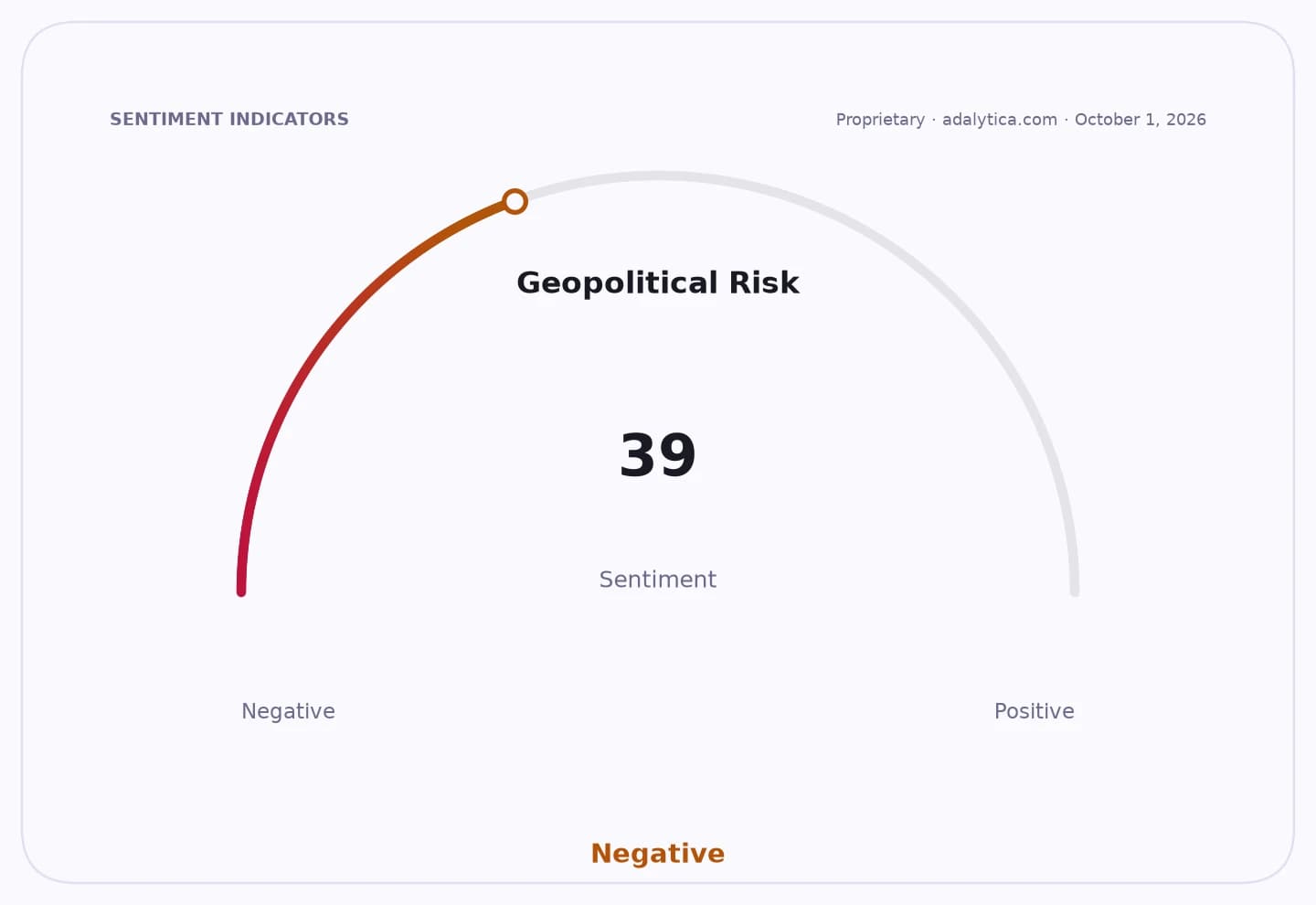
For investors, that mix points to two separate stories. The bullish case is that a Bolsonaro win could stabilize bilateral politics, support regional infrastructure spending and reduce the policy friction that has weighed on cross-border commerce. The bearish case is that Argentina loses relative positioning: less protection in Mercosur, less uniqueness in Washington and more competition for foreign capital.
| Entity | Gains | Losses |
|---|---|---|
| Argentina under Milei | ▲Easier diplomacy with Brazil | ▼Loss of exclusivity in Washington |
| Brazil under Flávio Bolsonaro | ▲Greater US access and strategic leverage | ▼Less room to rely on Mercosur protections |
| Argentine exporters to Brazil | ▲Potentially looser trade rules | ▼Tougher competition in Brazilian market |
| US investors/strategists | ▲Two aligned regional partners | ▼Higher competition for allocation between Brazil and Argentina |