Uruguay’s decision to let Brazil use part of its unused beef quota for China is a small trade move with a much bigger message: South America’s livestock exporters are getting more flexible, and China remains the prize market that can reshape regional trade flows.
Uruguay lets Brazil use unused China beef quota

The immediate economic point is straightforward. Uruguay says it has only filled about 30% to 35% of its 324,000-ton quota for shipments to China, making it impossible to use the full allowance this year. Rather than leave that capacity idle, Montevideo is willing to transfer some of the unused room to Brazil, and possibly to Australia as well, pending approval from Chinese authorities.
That matters because beef is one of the cleanest windows into how commodity exporters manage demand, supply and diplomacy at the same time. China is still the anchor market, but quota rules, sanitary restrictions and bilateral bargaining can quickly change who gets paid and who gets access. For Uruguay, the move reflects a broader export portfolio and a livestock sector that officials say is already operating at very high slaughter levels. In other words, this is not a sign of weakness in domestic production so much as an example of how a small exporter can monetize flexibility.
For investors, the story reaches beyond one quota. Brazil is already one of the world’s most important agricultural exporters, and any incremental access to China can support meat processors, shipping volumes and farm economics. It also reinforces the idea that Brazil’s trade relationship with China is deepening across sectors, not just in soybeans, iron ore and energy. The same strategic logic shows up in Brazil’s broader economic ties with Beijing, including cooperation around clean energy and industrial investment.
The market angle is less about an immediate price move and more about the durability of the earnings backdrop for exporters tied to China demand. Exchange-traded funds such as EWZ and FXI have already reflected shifting sentiment around China-linked trade, with recent price action showing how quickly momentum can swing. But the longer-term question for investors is whether these Latin American trade links create a steadier earnings runway for agribusiness and industrial suppliers. If China keeps using Latin America as a source of food and commodities, the beneficiaries are the exporters that can prove reliability, traceability and scale.
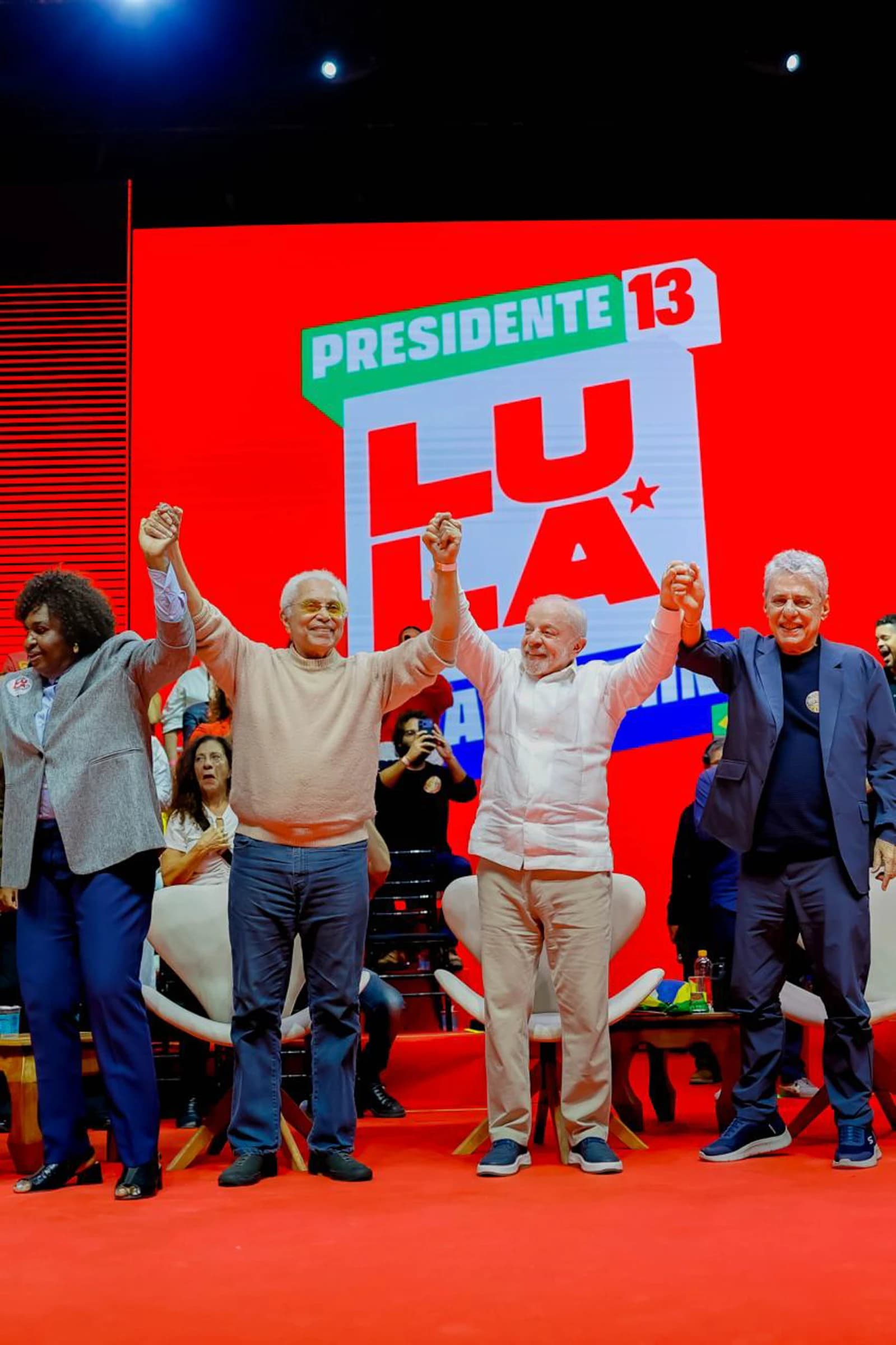
There is also a political risk investors should not ignore. Uruguay’s opposition is already criticizing the way the arrangement was announced, arguing that it looked too closely tied to Brazilian politics and too little coordinated with domestic stakeholders or Beijing. That matters because agricultural quotas are not just commercial assets; they are also bargaining chips. A transfer that looks routine in Montevideo could be much less welcome in Beijing if it is seen as improvised or politically framed.
Still, the bigger investing lesson is encouraging. Countries and companies that can adapt to shifting trade rules tend to compound value over time. Uruguay’s willingness to share unused quota, Brazil’s appetite to absorb it and China’s central role in the region all point to a trade system that remains highly active, even when politics gets noisy. For long-term investors, that makes South American beef and broader China-linked export chains worth watching, not chasing — but definitely keeping on the watchlist.
| Entity | Gains | Losses |
|---|---|---|
| Brazil beef exporters | ▲More access to China | ▼Quota scarcity elsewhere |
| Uruguay | ▲Better diplomacy, no wasted quota | ▼Political criticism at home |
| China | ▲Flexible supply options | ▼Less control over optics |
| Rival exporters | ▲Indirect trade pressure | ▼Lost bargaining leverage |