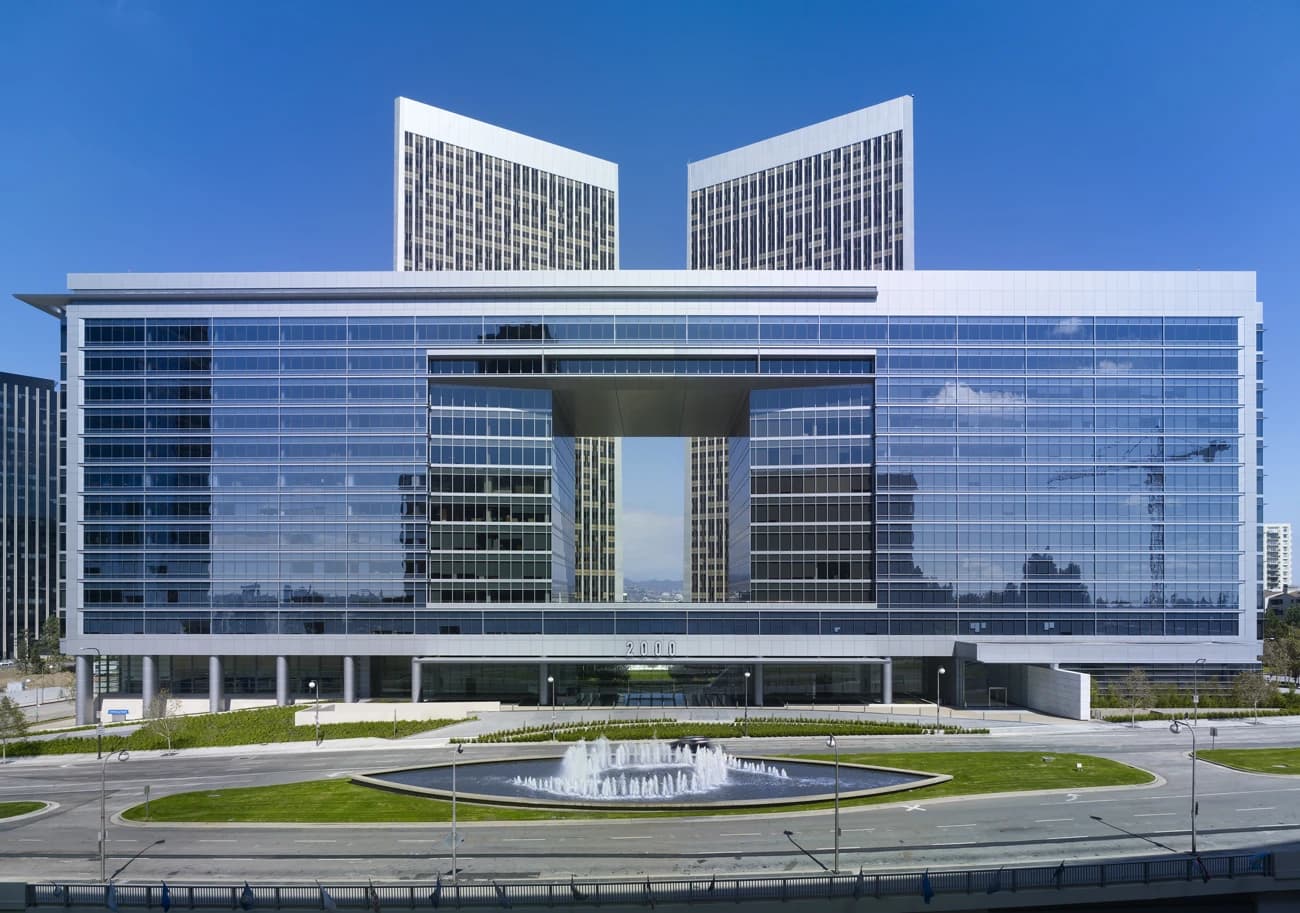
BNDES has already received R$12 billion in credit requests under Brazil’s Sovereign Brazil program, a rapid take-up that shows how aggressively exporters and strategic industries are moving to shore up liquidity after US tariffs and Middle East instability jolted trade flows.
BNDES Receives R$12B in Brazil Soberano Credit Requests
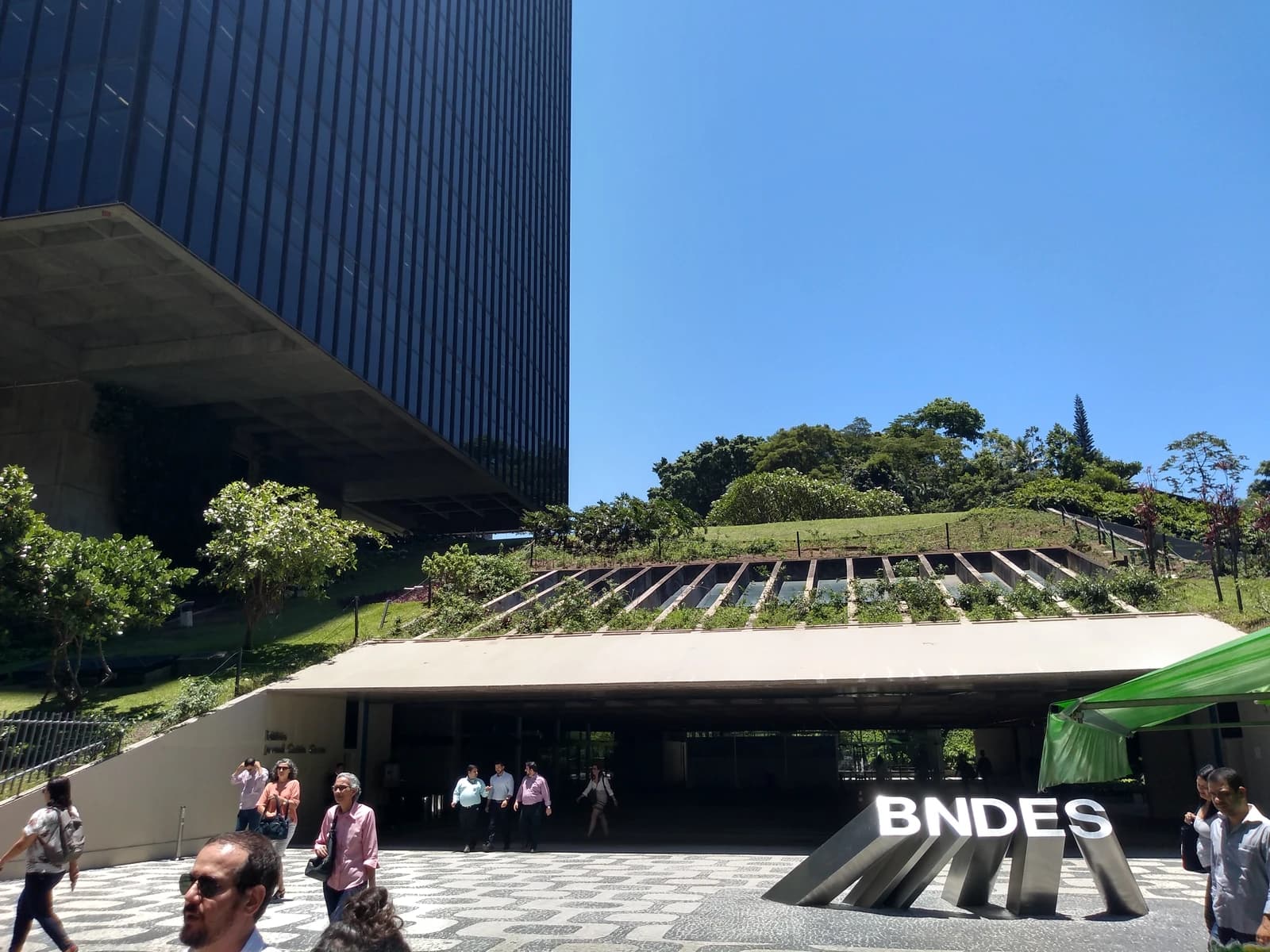
That matters because the program is not just emergency lending; it is a state-backed effort to preserve production, investment and export capacity at a moment when Brazil’s manufacturers are being forced to absorb higher trade barriers and search for new markets. In a country where external demand and industrial credit are tightly linked, the pace of applications suggests the policy response is landing where the pressure is strongest.
Sentiment IndicatorsⓘProprietary · adalytica.com · October 1, 2026
This is a snapshot — live sentiment, awareness and momentum for 130+ markets update continuously in the dashboard.Open AlphaPulse
The development is especially relevant for investors because it points to a broader reallocation of capital toward firms that can survive a more fragmented global trade system. BNDES said the plan has a total budget of R$22.6 billion, with R$13.5 billion from the Treasury and R$9.1 billion from the bank itself, but a week after the protocol opened, it had already approved only R$2.2 billion of the demand received across 245 operations. That gap implies the pipeline could keep building as companies race to secure working capital, export financing, equipment purchases and investment money before conditions tighten further.
The largest share of approved credit so far went to companies in group 1, the businesses directly hit by US tariffs and their suppliers, with R$814 million approved. Group 2, which includes sectors such as textiles, chemicals, pharmaceuticals, strategic minerals and fertilizers, got R$843 million approved, including R$735 million for fertilizer companies. Group 3, covering exporters and suppliers tied to Gulf markets, received R$512 million.
The fertilizer line stands out. With R$1.7 billion in requests already filed, it is clear the market is underestimating how much state-directed funding could flow into a sector that sits at the center of Brazil’s agricultural competitiveness and import dependence. If BNDES continues to accelerate approvals, the winners will be exporters, logistics providers, machinery suppliers and banks positioned to co-finance these flows. The losers are firms without tariff exposure, without export channels, or without the scale to navigate the eligibility rules.
For markets, the message is simple: Brazil is leaning harder into industrial policy at precisely the point when global trade fragmentation is making private credit more expensive and more selective. That is constructive for domestic lenders with BNDES-linked business, for industrial names able to capture subsidized financing, and for Brazil’s export complex more broadly. The next catalyst is execution — how quickly the bank can convert that R$12 billion queue into funded loans and whether the program helps stabilize margins, capex and shipment volumes into year-end.
| Entity | Gains | Losses |
|---|---|---|
| BNDES / Brazil Soberano borrowers | ▲cheaper state-backed credit | ▼tighter eligibility scrutiny |
| Brazilian exporters | ▲working capital and refinancing | ▼tariff pressure |
| Fertilizer companies | ▲large share of approvals | ▼import-cost uncertainty |
| Private lenders without policy support | ▲less direct benefit | ▼funding competition |