Brazil’s election backdrop is turning into a market story, with pro-Lula rhetoric around sovereignty and foreign interference reinforcing a trade that favors domestic-policy stability over confrontation with Washington.
Brazil election risks and EWZ near key levels
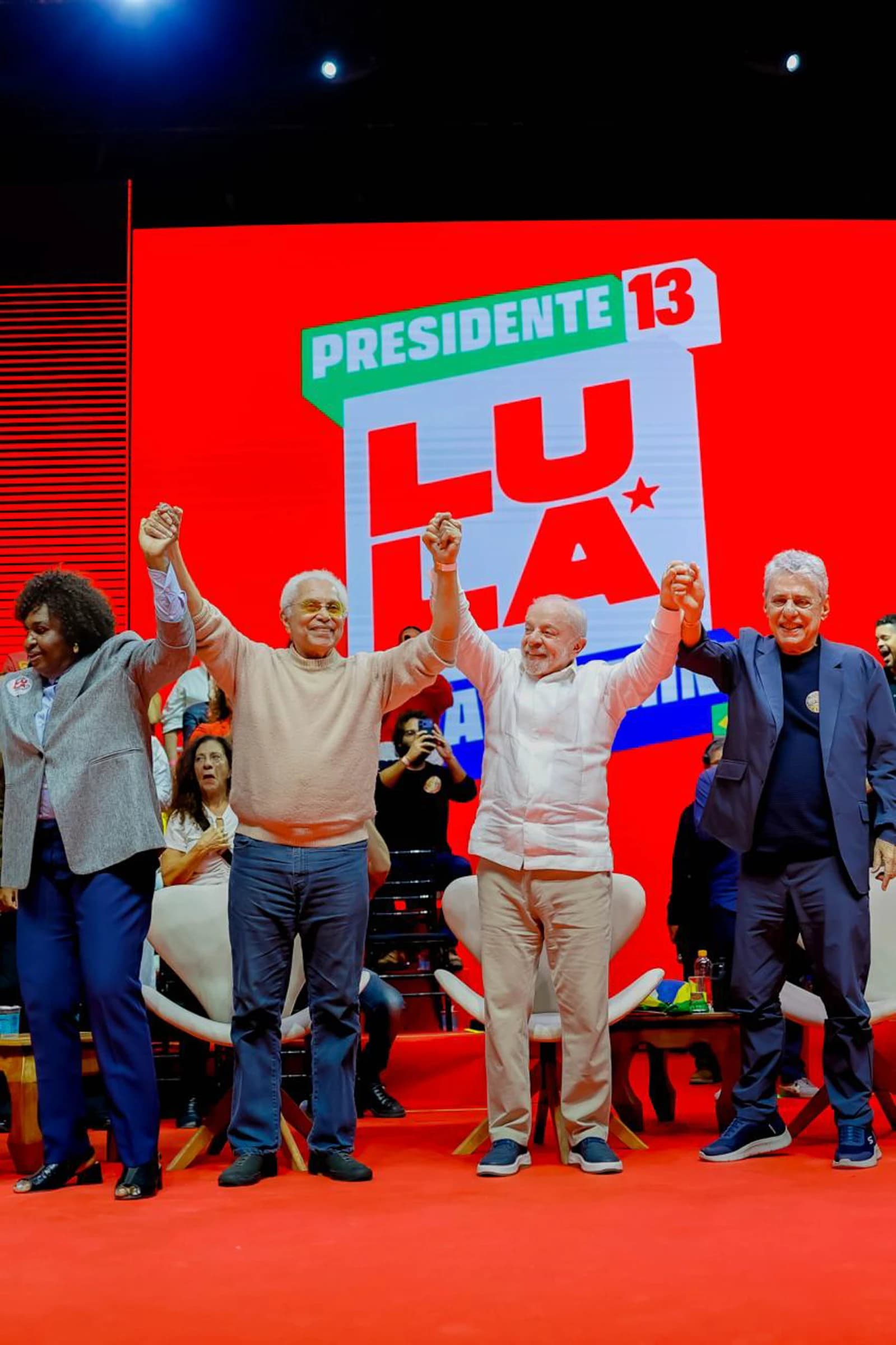
That matters because Brazil is entering a period when politics, not just growth, is likely to drive capital flows. Benedita da Silva’s warning that “Brazil and Latin America need Lula” lands in the middle of a sharper dispute with the U.S., where Trump-aligned figures are being cast in Brasília as a foreign threat. For investors, the key question is whether the election improves the odds of policy continuity, heavier state involvement and regional supply-chain reshoring — or whether it deepens uncertainty and keeps a risk premium on Brazilian assets.

The market has already been reminded that Brazil is not just a commodity play. The iShares MSCI Brazil ETF, EWZ, has swung from a September peak near $38.61 to $36.47 on Sept. 29, while the 50-day moving average at roughly $36.26 and the 200-day average near $36.07 show the fund sitting right on a technical inflection point. RSI readings around 34.7 suggest the recent pullback has cooled momentum, but not broken the longer-term trend. The levered BRZU ETF, far more sensitive to sentiment, has been even more volatile, falling to $96.74 from a Sept. 8 close of $108.95, with its 50-day average at $96.53 and 200-day at $99.32 now acting as resistance.
The political message behind Benedita’s comments is economically important. Her push for Lula’s re-election is tied to a broader left-leaning agenda: more public spending transparency, stronger federal coordination on security, labor reforms and a domestically anchored industrial policy. She also pointed to a medical and vaccine production hub in Rio de Janeiro, arguing it would cut imports and create export capacity. That is the sort of policy mix that can matter to equity investors far beyond the election headline, because it can redirect capex into healthcare, public services, infrastructure and local manufacturing.

The market underestimates how much the sovereignty narrative can shape sector winners. If Lula’s camp gains traction, beneficiaries could include domestic infrastructure builders, healthcare suppliers, local drugmakers and companies tied to public procurement. Import-dependent firms, dollar-sensitive borrowers and businesses exposed to a stronger state role in pricing or regulation could lag. Foreign investors, meanwhile, will watch whether the election cools U.S.-Brazil tensions or hardens them into a broader trade and strategic standoff around defense, technology and critical minerals.
What makes this setup asymmetric is that political risk is already visible in prices, but not fully in positioning. Brazil’s benchmark ETF is not in freefall; it is hovering near key moving averages, which means a shift in election rhetoric, opinion polling or U.S.-Brazil relations could trigger a sharp move. If Lula is seen as the candidate of stability and regional autonomy, Brazil could attract a re-rating from investors seeking policy visibility in Latin America. If the campaign becomes a referendum on anti-U.S. nationalism, the discount could widen again.
For now, the investable takeaway is simple: treat Brazil as a geopolitical beta trade with sector-specific upside. I believe the better way to play the theme is through domestic winners tied to industrial policy, healthcare capacity and public infrastructure, while staying cautious on names that depend on imported inputs or a calm external environment.
| Entity | Gains | Losses |
|---|---|---|
| Lula-aligned domestic sectors | ▲Policy support, capex tailwind | ▼None |
| EWZ buyers | ▲Re-rating if tensions ease | ▼More volatility if rhetoric hardens |
| Import-dependent firms | ▲Local substitution risk | ▼Higher costs, weaker margins |
| U.S.-Brazil trade links | ▲Stability if diplomacy improves | ▼Pressure if sovereignty fight escalates |