Chile’s effort to deepen trade links with China and Asia is colliding with a sharper U.S. public pushback over how Santiago talks about its two biggest external partners.
Chile RCEP Push Draws U.S. Pushback
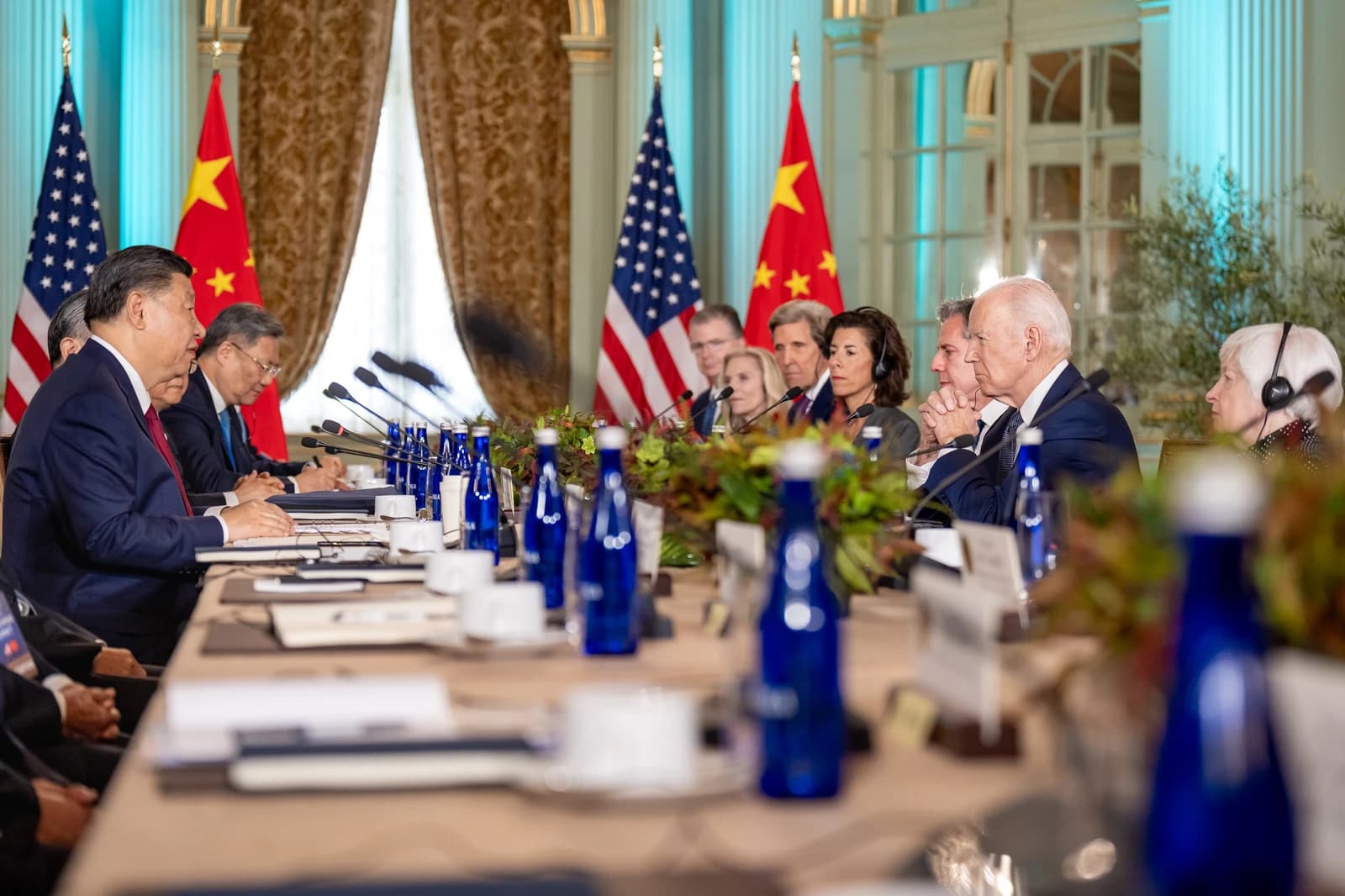
At a tense business and diplomacy forum in Santiago, U.S. Ambassador Brandon Judd defended Washington’s role and questioned why Chileans criticize the United States more than China, saying he did not understand the imbalance in the debate. The remarks landed as Chile advances toward joining the Regional Comprehensive Economic Partnership, or RCEP, the world’s largest free-trade bloc, a move that would strengthen its integration with the Asia-Pacific and underline how central China remains to the country’s export strategy.
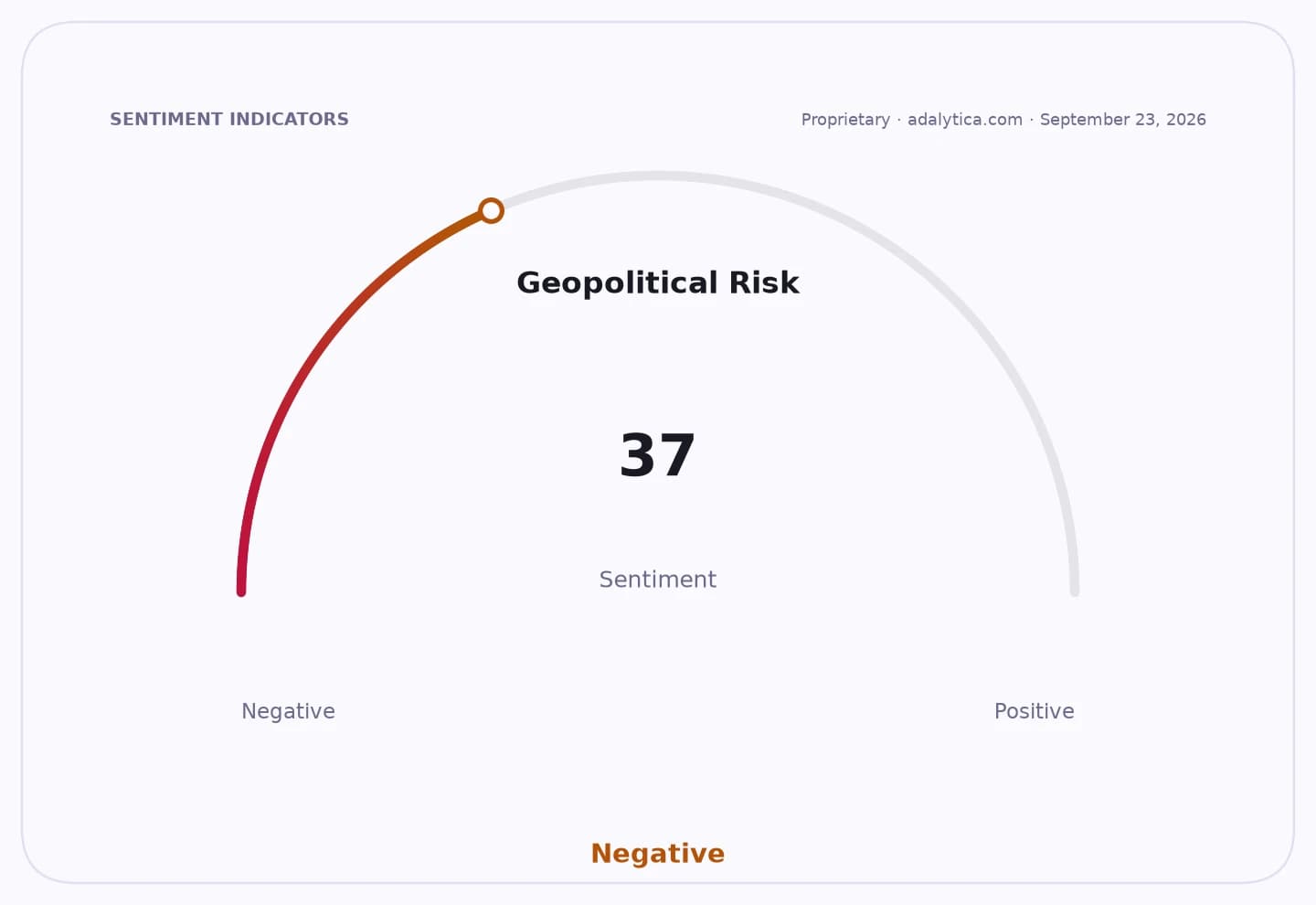
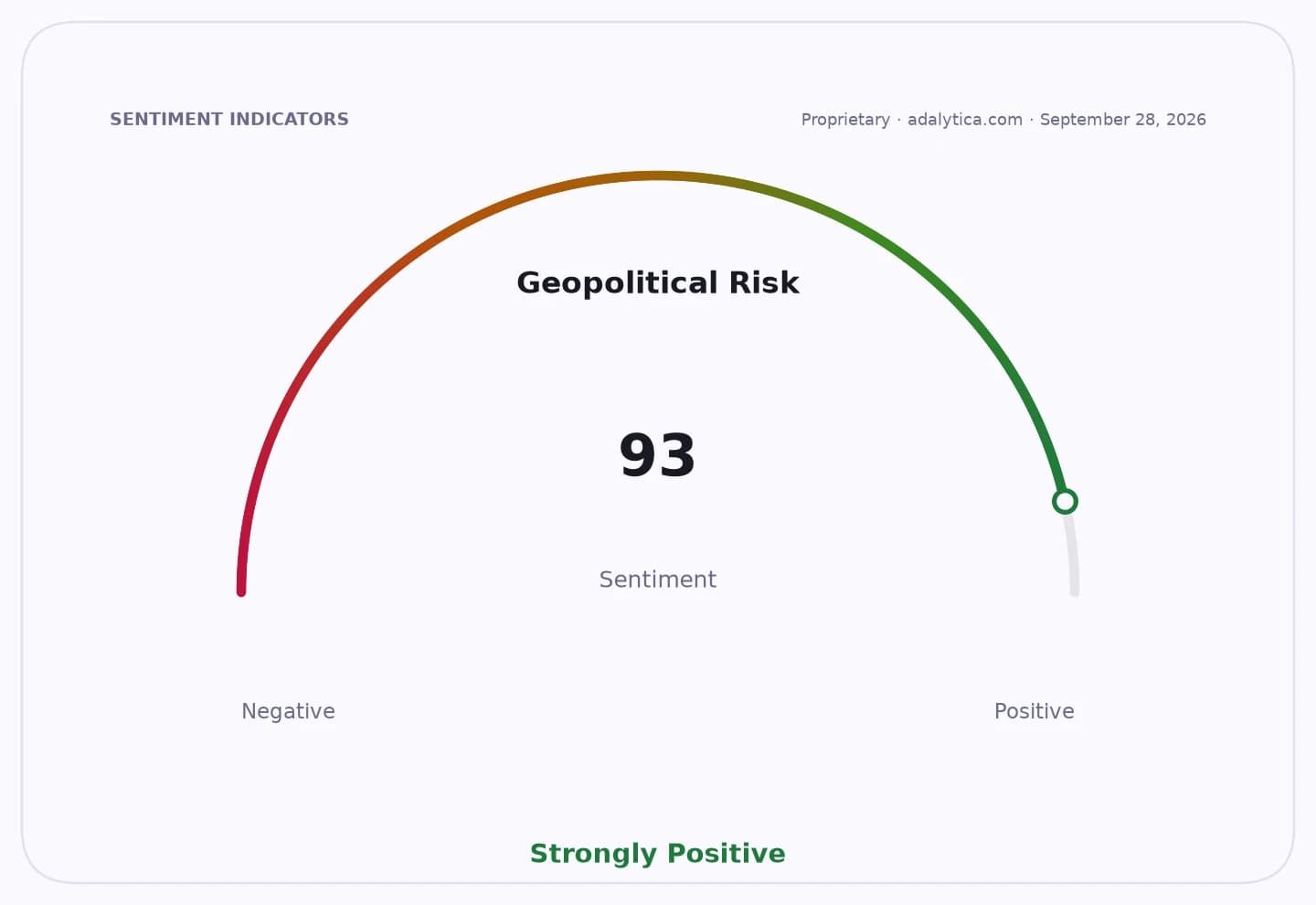
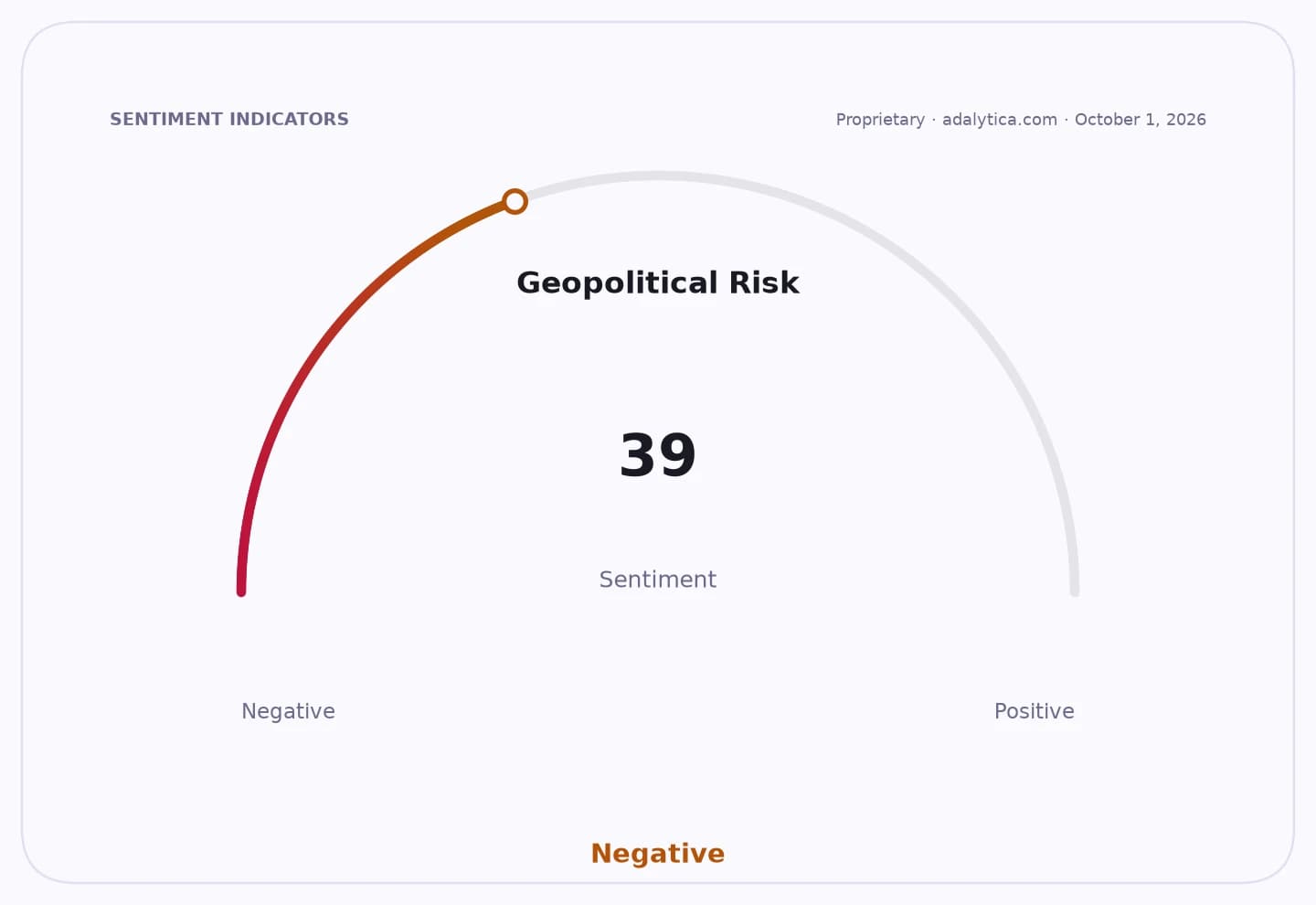
Sentiment IndicatorsⓘProprietary · adalytica.com · October 1, 2026
This is a snapshot — live sentiment, awareness and momentum for 130+ markets update continuously in the dashboard.Open AlphaPulse
The stakes are bigger than diplomatic etiquette. Chile’s economy depends heavily on trade and foreign investment, and its government has tried to preserve room to work with both Washington and Beijing. But the ambassador’s comments highlight the pressure on that balancing act at a time when the U.S.-China rivalry is reshaping supply chains, commodity flows and deal-making across Latin America.
For investors, the issue matters because Chile is one of the region’s most trade-open economies, with sectors such as lithium, mining services and energy exposed to shifts in geopolitics and external demand. Any perception that Santiago is tilting too far toward Beijing could complicate relations with the U.S., while a harder U.S. line could raise the political cost of deals tied to China.
That tension is especially relevant for Chilean corporates with global exposure. SQM, the lithium producer, has already pointed to supply constraints in China and weaker availability in some markets as drivers of recent sales and pricing conditions, while utility ENIC operates in a regulatory and currency-sensitive environment that can be affected by broader trade and policy shifts. The country’s move toward RCEP also fits a broader regional pattern of Latin American governments seeking more diversified market access as the U.S. and China compete for influence.
Technical indicators on SQM point to recent selling pressure, with the shares near $63.42 after trading below both the 50-day and 200-day moving averages. ENIC was little changed around $4.14, but its stock has also been softer in recent sessions, suggesting investors are waiting for clearer signals on Chile’s trade policy and external demand.
Adalytica’s US–China relations gauge remains in “Greed” territory even after slipping on the day, while its global stability reading is in “Extreme Fear,” underscoring how sensitive markets remain to geopolitical friction. The next catalyst is likely to come from Chile’s guidance on RCEP accession and any follow-up from Washington as the country tries to keep both trade lanes open.
| Entity | Gains | Losses |
|---|---|---|
| Chile exporters | ▲Wider Asia-Pacific access | ▼U.S. political scrutiny |
| China-linked trade | ▲Deeper market access | ▼More diplomatic pushback |
| U.S. government | ▲Leverage in Santiago | ▼Influence if Chile leans Asia |
| SQM and miners | ▲Demand diversification | ▼Geopolitical headline risk |