The European Union’s suspension of Brazilian beef, eggs and honey exports is reopening one of the most sensitive fights inside the EU-Mercosur trade deal — and for Argentina and Uruguay, it could mean both better prices and a tougher negotiation over who gets the spoils.
EU suspends Brazilian beef exports, aiding Argentina

That matters because Europe is not just another outlet for South American beef. It is a high-value market that pays up for compliance, traceability and premium cuts, and the new brake on Brazilian shipments could reroute demand toward Argentina and Uruguay just as exporters are trying to protect margins in a volatile global meat market.
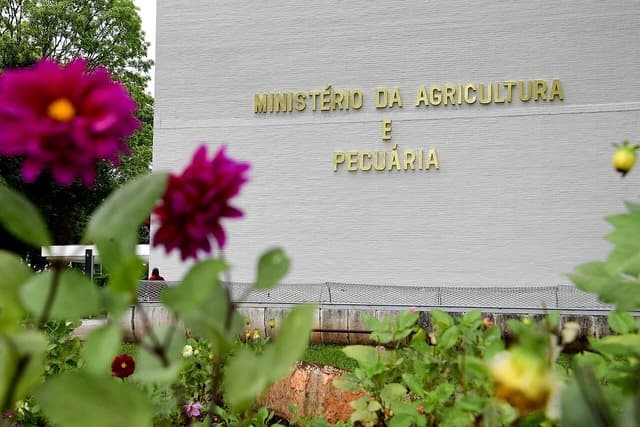
Brazil had become the EU’s second-largest beef supplier, shipping more than 92,000 tons worth over 713 million euros in 2025, roughly a quarter of the bloc’s imports. But Brussels said Brazil failed to prove it met sanitary requirements tied to the use of growth-promoting drugs and antimicrobials reserved for human medicine. Once compliance is shown, exports can resume, but Brazilian officials say restoring certification could take two to three years.
For investors and agribusiness operators, the immediate effect is not just lost volume for Brazil. It is a shift in bargaining power. Importers in Germany, Italy and the Netherlands are already asking for earlier shipments from Argentina and Uruguay, which is pushing prices higher. That is a classic supply substitution story: when one major supplier is sidelined, the remaining approved exporters gain leverage.
Argentina and Uruguay were already well positioned to benefit, but for different reasons. Uruguay’s compulsory individual traceability system makes it an easier fit for EU rules, while Argentina dominates the premium Hilton quota cuts that fetch the richest prices. The EU market is small relative to South American production, but it pays more than many alternative buyers, which is why losing or gaining access there can move margins more than volumes.
Still, this is not a simple windfall. The conflict also exposes how fragile the Mercosur-EU arrangement remains. The bloc’s 99,000-ton beef quota is divided among fresh and frozen cuts at a preferential 7.5% tariff, and the old first-come, first-served system has already strained relations as the fresh quota was filled unusually quickly this year. With Brazil temporarily out, Argentina, Uruguay and the rest of Mercosur may try to force a more favorable split — but Brussels has shown it is willing to enforce rules strictly even after the agreement entered into force provisionally only four months ago.
That is the bigger investing takeaway. Brazil’s setback is a reputational risk that could linger well beyond this shipment ban, especially as it tries to expand into Japan and South Korea while facing tight limits in China. For Argentina and Uruguay, Europe may offer a near-term pricing tailwind, but only for exporters able to meet the bloc’s standards consistently. In other words, this is a reminder that in global food trade, the winners are often the countries that can prove reliability, not just those that can produce the most beef.
For long-term investors, the episode is worth watching as a possible margin catalyst for compliant beef exporters and a warning that trade access can change quickly. The best-positioned names are the ones with traceability, premium product mix and diversified end markets.
| Entity | Gains | Losses |
|---|---|---|
| Argentina beef exporters | ▲Higher EU prices, more shipments | ▼Quota dispute remains unresolved |
| Uruguay beef exporters | ▲Demand uplift, compliance advantage | ▼Limited transferability of Brazilian quota |
| Brazil beef exporters | ▲Potential future reentry if certified | ▼Lost EU access, reputational damage |
| EU importers / consumers | ▲More supply from approved suppliers | ▼Higher near-term beef prices |