Brazil is holding off on retaliation against the United States, a move that lowers the risk of an immediate trade escalation between the two economies and gives markets room to focus on negotiations instead of a tariff spiral.
Brazil Holds Off on U.S. Retaliation as Talks Continue

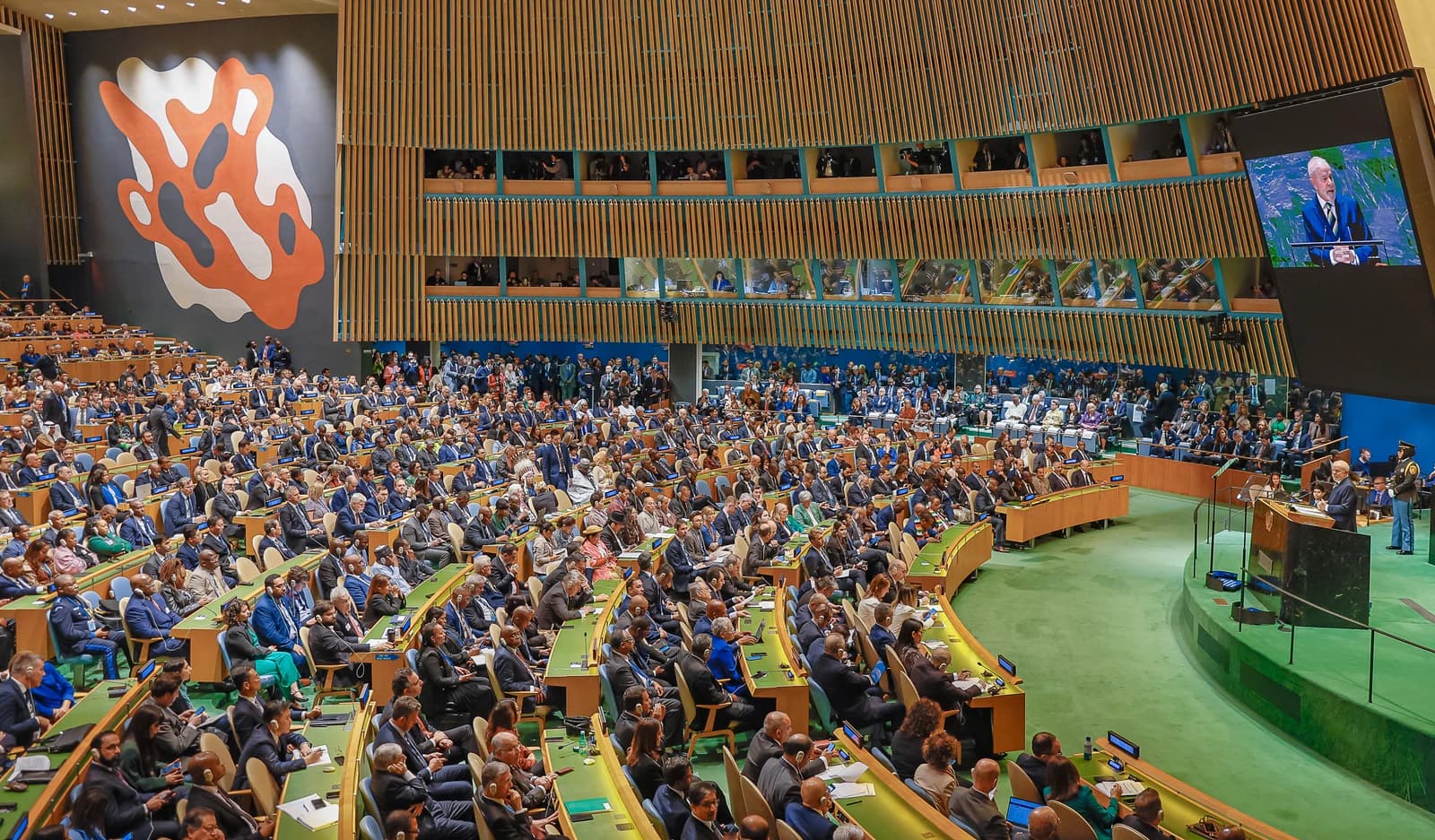
President Luiz Inácio Lula da Silva said Brazil has no intention of applying its reciprocity law against Washington while talks are still under way, but signaled the option remains on the table if the discussions fail. The stance matters because it keeps a lid on near-term disruption to trade flows and removes, for now, a fresh source of pressure on Brazilian exporters, importers and the real.
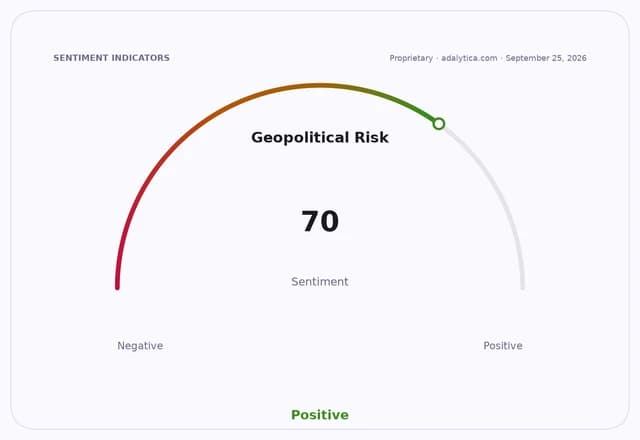
Investors tend to reward de-escalation in trade disputes, particularly when the policy backdrop is already crowded with geopolitics, commodity shifts and central-bank uncertainty. Brazil’s willingness to keep talking instead of immediately matching US tariffs also supports sentiment around Brazilian risk assets, with the iShares MSCI Brazil ETF, EWZ, trading at $36.72 on Friday after closing as high as $38.61 earlier in September.
The ETF’s recent pullback comes after a sharp run-up, but it remains above both its 50-day and 200-day moving averages, suggesting investors have not fully priced in a deterioration in Brazil-US relations. Standard technical readings also show momentum cooling from overbought levels, with EWZ’s relative strength index at 40.1 on Friday, down from 88.2 earlier this month.
Lula’s comment fits a broader Brazilian trade strategy that favors diversification over confrontation. Brasilia is also advancing the Mercosur-European Union trade agreement and expanding ties with partners including Turkey and India, underscoring an effort to widen export markets as tensions with Washington persist over tariffs and minerals.
For markets, the key catalyst is whether negotiations produce a compromise before Brazil feels compelled to activate its reciprocity law. A breakdown would raise the risk of retaliatory measures, weaker sentiment toward Brazilian assets and renewed volatility in currencies, equities and trade-sensitive sectors.
| Entity | Gains | Losses |
|---|---|---|
| Brazil exporters | ▲More time for negotiations | ▼Immediate retaliation risk |
| US exporters to Brazil | ▲Avoids near-term countertariffs | ▼Negotiating leverage |
| EWZ investors | ▲Lower escalation risk | ▼Tariff headlines delayed, not gone |
| Brazilian government | ▲Keeps diplomatic flexibility | ▼Faces pressure if talks fail |