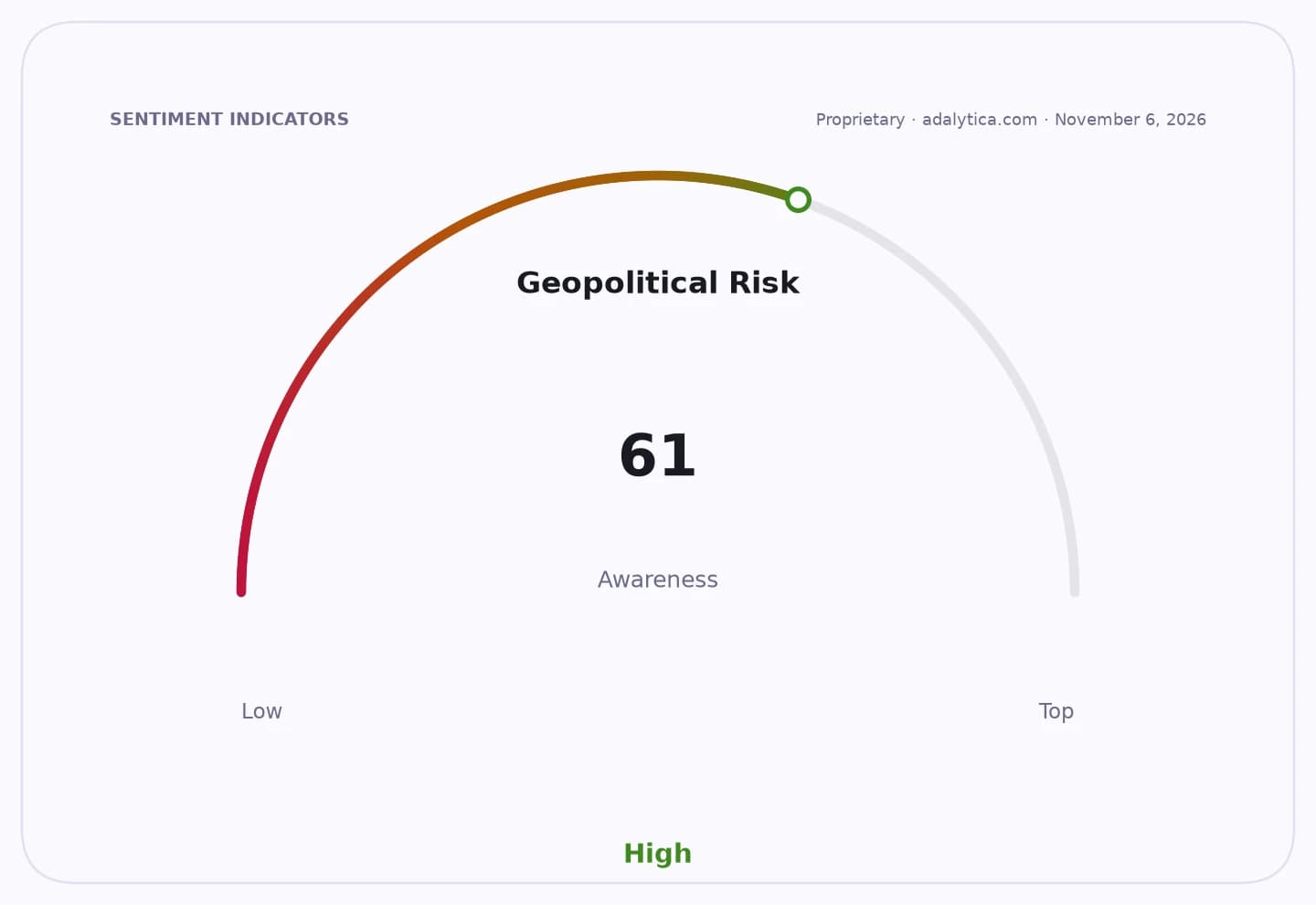
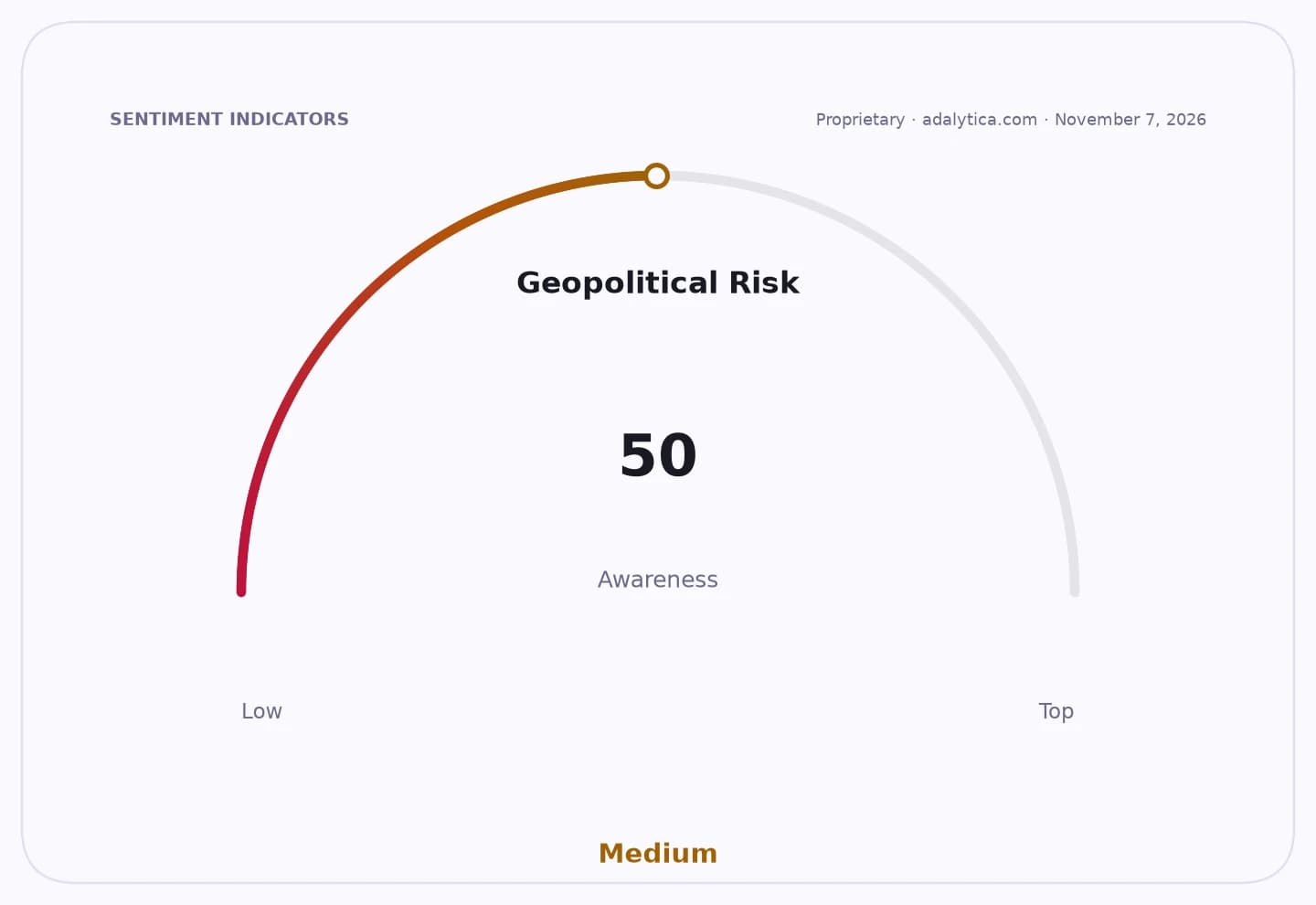
Javier Milei’s latest attack on Luiz Inácio Lula da Silva is more than another insult in a noisy regional rivalry: it keeps alive a diplomatic rift that can spill into trade, investment and policy coordination between South America’s two largest economies.
Milei feud with Lula raises Argentina risk

The Argentine president called Lula “a thief” and “corrupt” in an interview with La Nación+, then insisted he was only “describing facts.” That matters because rhetoric between Buenos Aires and Brasília is no longer just political theater. It is now a live risk for companies that rely on cross-border commerce, for investors exposed to Argentina’s fragile economy, and for a region that needs cooperation on trade, regulation and capital flows more than it needs another public spat.
Sentiment Indicators
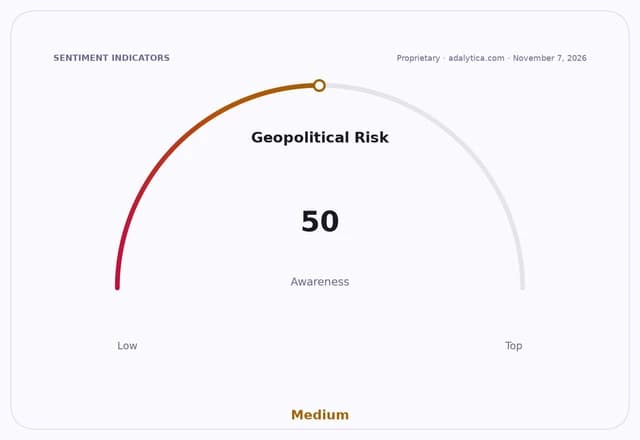
Milei’s comments came just days after the Brazilian government reviewed the worsening diplomatic tension. He also renewed criticism of Brazil’s Supreme Court justice Alexandre de Moraes and objected to being blocked from visiting former President Jair Bolsonaro, who is under house arrest. In other words, Milei is not backing away from the feud; he is widening it.
For investors, that raises the odds of more friction in the Southern Cone at a time when Brazil is already dealing with political strain and economic weakness. Brazil is a crucial market for Argentine exporters, while Brazilian firms have deep exposure to Argentina across telecoms, consumer goods and industrial supply chains. When relations sour, business leaders tend to face more uncertainty over permits, rules, public procurement and the tone of bilateral cooperation.
That uncertainty comes on top of a difficult backdrop for Argentina itself. Milei has been trying to sell investors on fiscal discipline, deregulation and a friendlier market posture, but persistent diplomatic conflict with Brazil can undermine that message by making the investment climate look more volatile and more personal than institutional.
The market reaction in Argentine names has already been choppy. Telecom Argentina and Loma Negra both have their own company-specific pressures, but their shares have also reflected a broader appetite for caution toward Argentine risk. Telecom Argentina has dropped to about $9.97 from $13.04 in late October, while Loma Negra has fallen to $8.73 from $9.78 over the same stretch. Those moves are not solely about diplomacy, but they show how quickly sentiment can weaken when politics turns confrontational.
Technical indicators point to that fragility. Telecom Argentina is trading below both its 50-day and 200-day moving averages, while its RSI is deep in oversold territory. Loma Negra is in a similar position, with the stock also below both major moving averages and RSI readings signaling heavy selling pressure. For long-term investors, those are signs of stress, not necessarily a thesis change — but they do underline how sensitive Argentina-linked assets remain to headline risk.
The bigger story is that Milei appears willing to pay the diplomatic price for political positioning at home and abroad. That may play well with his base, but it leaves Brazil with less reason to trust Buenos Aires and leaves investors with one more reason to demand a margin of safety.
If the feud keeps escalating, the practical damage could show up in slower regional cooperation, more difficult negotiations for companies operating in both markets and a higher risk premium on Argentine assets. For patient investors, the lesson is simple: keep watching the political relationship as closely as the macro data, because in Latin America, diplomacy can still move markets. Worth watching, but not a place to chase headlines.
| Entity | Gains | Losses |
|---|---|---|
| Milei’s domestic base | ▲Hardline political messaging | ▼Diplomatic credibility |
| Brazilian government | ▲Rally-around-the-flag support | ▼Cross-border policy calm |
| Argentine exporters | ▲Little immediate gain | ▼Worse access to Brazil |
| Investors in Argentine assets | ▲Potential volatility opportunities | ▼Higher risk premium |