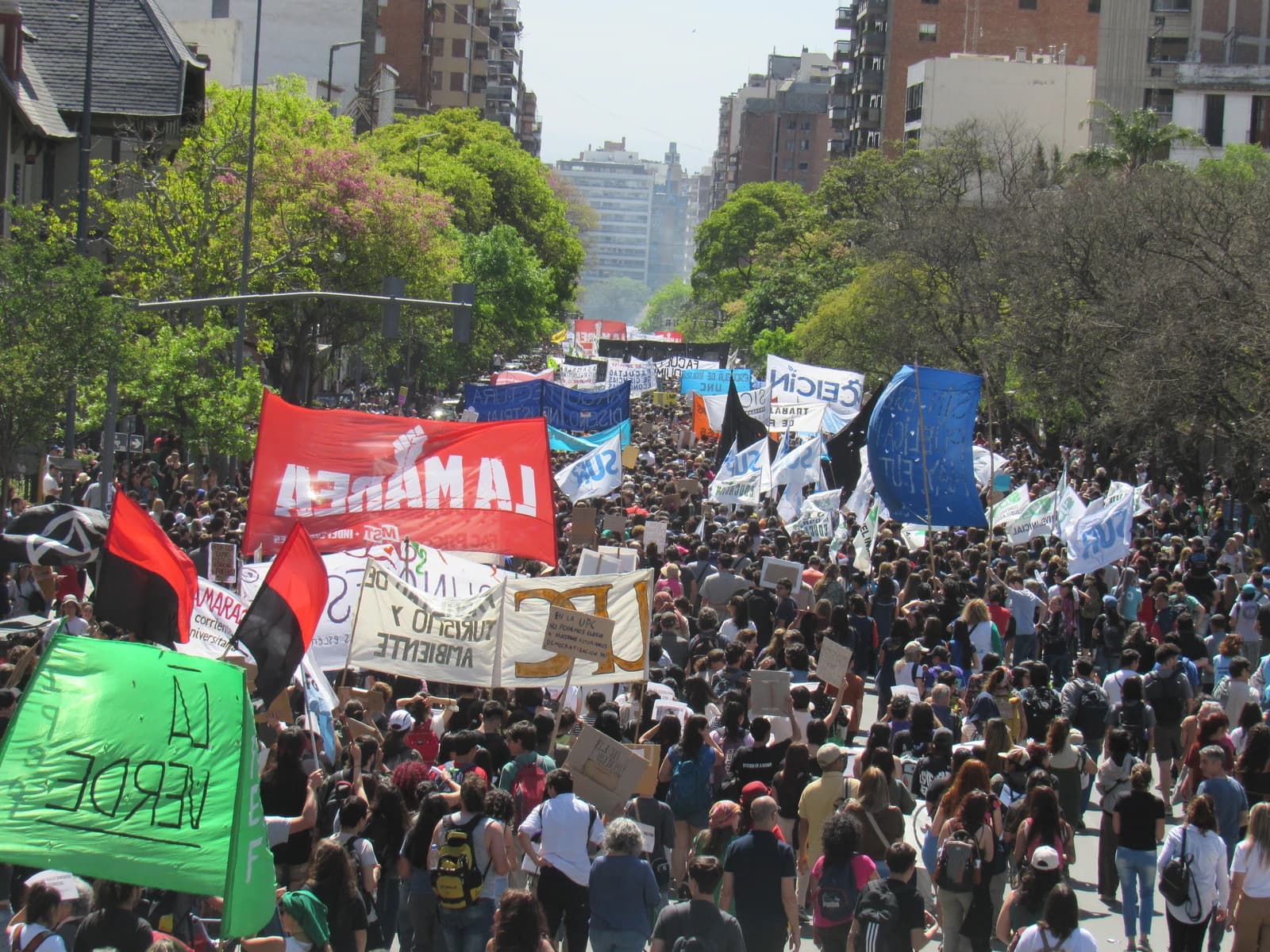
Argentina’s President Javier Milei has ordered police to break up a massive student march in Buenos Aires, escalating a fight over education spending that is now feeding into broader political risk and market nerves.
Argentina Protests Hit Milei Education Spending Fight
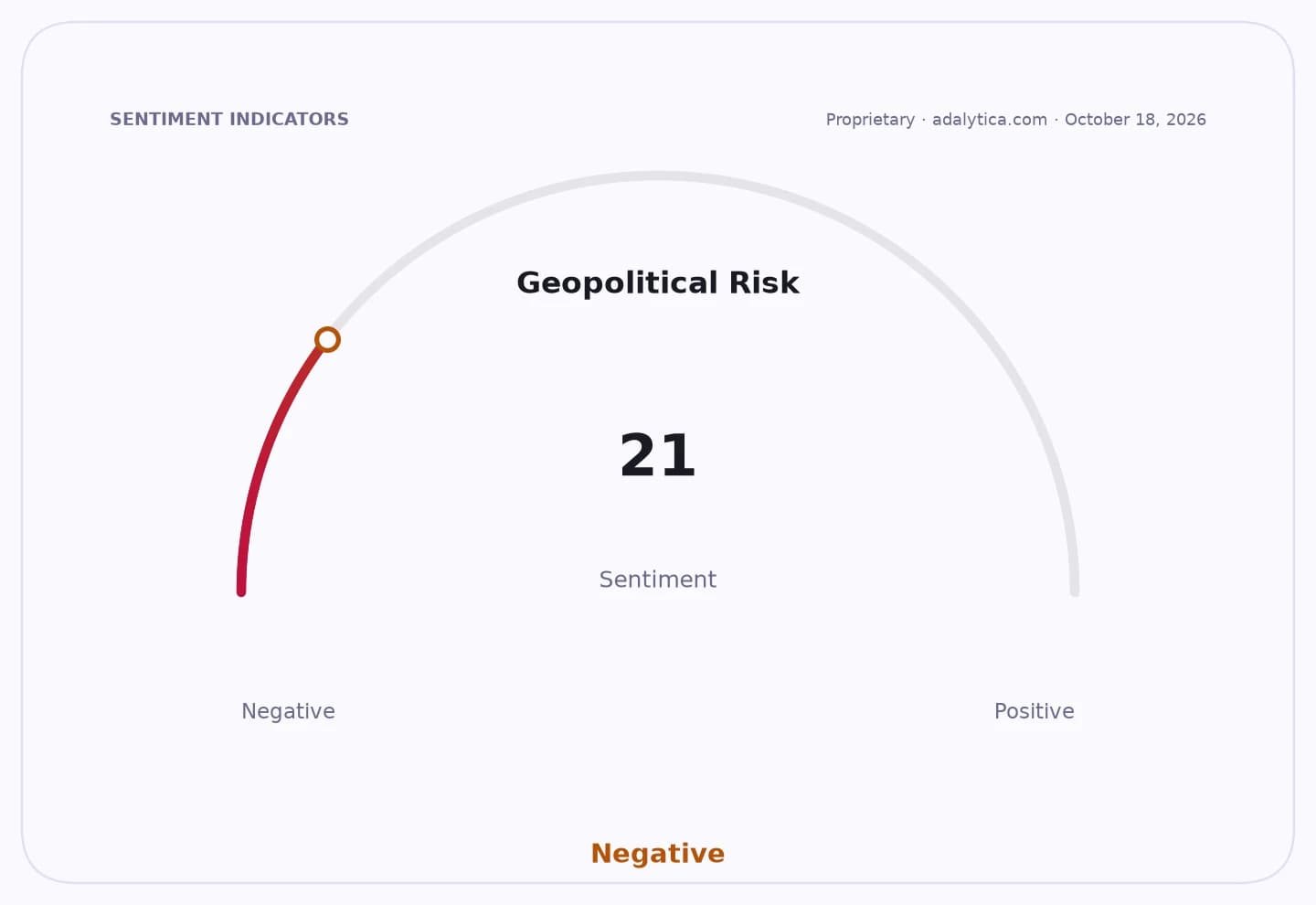
The crackdown matters because the protests are not just about campuses: they are a test of how far Milei can push austerity before social unrest starts to collide with his economic overhaul. Students, teachers and other opponents of the budget cuts have taken to the streets as Congress has failed to block the decree, leaving the government to enforce the policy through police power rather than political consensus.
The confrontation has already turned costly on the ground. More than 30 protesters were detained and 10 police officers were injured, according to the news context, after tear gas and rubber bullets were used against demonstrators in the capital. That level of street violence raises the odds of more clashes, and keeps pressure on a government that is trying to restore fiscal credibility while avoiding a wider social backlash.
For investors, the immediate issue is not the march itself but the signal it sends about governance risk in Argentina. Milei’s market-friendly agenda has attracted attention for its promise of tighter budgets and lower inflation, but deeper unrest can complicate implementation, weaken consumer confidence and revive doubts about policy durability. That is especially relevant in a country where politics, spending cuts and public anger can quickly spill into asset prices.
The reaction in Argentine-listed assets has been mixed but cautious. YPF closed at $52.10 on Oct. 16, slightly above the previous session, while Grupo Financiero Galicia ended at $36.02, still far below its 50-day moving average of $41.15 and 200-day average of $45.90. The iShares MSCI Argentina ETF, ARGT, finished at $88.00, below both its 50-day and 200-day averages, even as its relative strength index recovered to 55.4 from a weaker reading earlier in the week.
That leaves markets balancing two opposing forces: investors who still want exposure to Milei’s reform agenda, and those who see the protests as a reminder that fiscal tightening in Argentina comes with political execution risk. With opposition to the education decree failing for now, the next catalyst is whether unrest widens beyond universities and into a broader challenge to the government’s spending cuts.
| Entity | Gains | Losses |
|---|---|---|
| Milei government | ▲Fiscal control | ▼Social approval |
| Students and teachers | ▲Public attention | ▼Street safety |
| Argentine reform investors | ▲Budget discipline | ▼Policy stability |
| Argentine police | ▲State backing | ▼Public trust |