Argentina’s inflation battle is showing progress, but the next phase will be harder: the government must keep prices cooling while reviving an economy that is still struggling to gain traction.
Argentina inflation cools as growth recovery stalls
Monthly inflation rose 1.9% in September, a second straight reading below 2%, even as basic living costs continue to outpace headline prices and keep pressure on households. For investors, the key question is whether President Javier Milei’s stabilization plan can move from disinflation to durable growth without reigniting the exchange-rate and wage pressures that have long derailed Argentine recoveries.
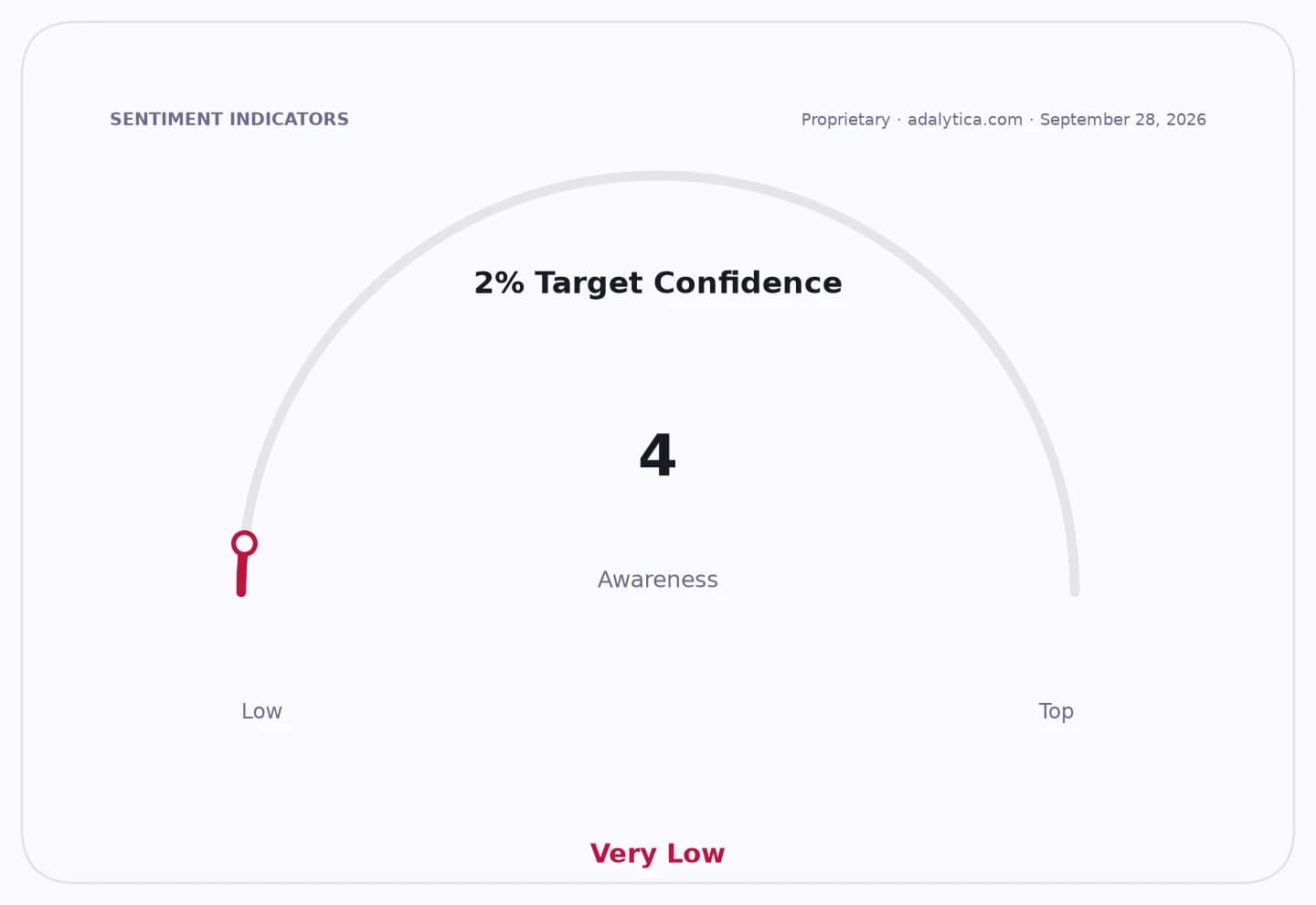
Sentiment IndicatorsⓘProprietary · adalytica.com · October 20, 2026
This is a snapshot — live sentiment, awareness and momentum for 130+ markets update continuously in the dashboard.Open AlphaPulse
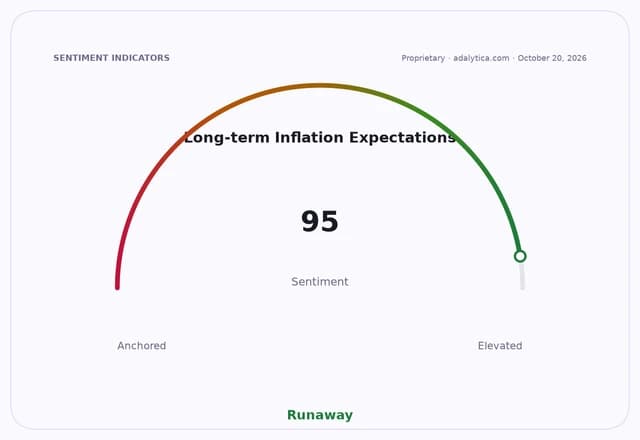
Economist Esteban Domecq said the country has already passed through a first phase of shock containment, followed by a cyclical rebound, and is now in a more fragile stage where activity has stalled, credit remains tight and political noise is rising. He argued that Milei’s team has made clear gains on inflation, bringing monthly price increases down from 3.4% in March to 1.7% in August, but warned that the economy is still not remonetizing in a meaningful way.
That tension sits at the center of the policy debate. Domecq said short-term inflation remains complicated by inertia, indexation and regulated prices, even if the long-term driver is monetary discipline. He added that Argentina’s mix of higher interest rates, a recently appreciated peso and tighter liquidity has helped anchor prices, but has also squeezed parts of the domestic economy.
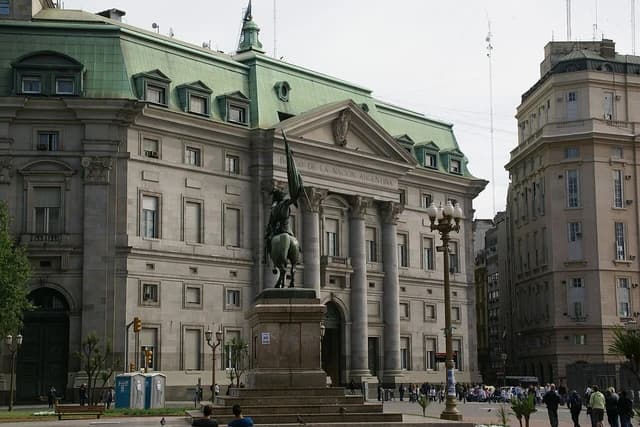
The exchange rate is now one of the biggest swing factors. Domecq said the peso has moved sharply higher in real terms after elections, supported by a rare current-account surplus, record agricultural output, energy development and favorable external prices. He said there is little room for further appreciation and expects the dollar to regain some lost ground, which would be healthier for activity but could also add some inflationary noise in the months ahead.
That trade-off matters for investors because it goes straight to sovereign risk, local credit demand and equity valuations. BBAR and LOMA, two Argentine U.S.-listed names, have both come under pressure in recent sessions, with BBAR closing at $12.54 on Oct. 19, below its 50-day and 200-day moving averages, while LOMA finished at $9.90, also beneath its 200-day average. The moves underscore how sensitive Argentine assets remain to any sign that disinflation is slowing or that the peso is slipping.
Still, Domecq’s core message was that the long arc of policy discipline can eventually work. If Argentina “does its homework” with fiscal order and monetary prudence, he said, inflation should converge toward single digits over time, though not in a quick or linear way. He argued that international experience suggests the process can take years, not quarters, and that the real test now is whether Milei can sustain the adjustment long enough for prices to stabilize without choking off the recovery.
The next catalysts are straightforward: more inflation data, signs of peso stability, and whether the government can loosen financial conditions without undoing the gains already made.
| Entity | Gains | Losses |
|---|---|---|
| Milei government | ▲Lower inflation credibility | ▼Short-term growth momentum |
| Argentine households | ▲Slower price increases | ▼Real income still under pressure |
| BBAR, LOMA and local assets | ▲Long-term stabilization thesis | ▼Near-term policy and FX volatility |
| Importers and domestic consumers | ▲Stronger purchasing power if inflation eases | ▼Weaker if peso weakens or prices reaccelerate |