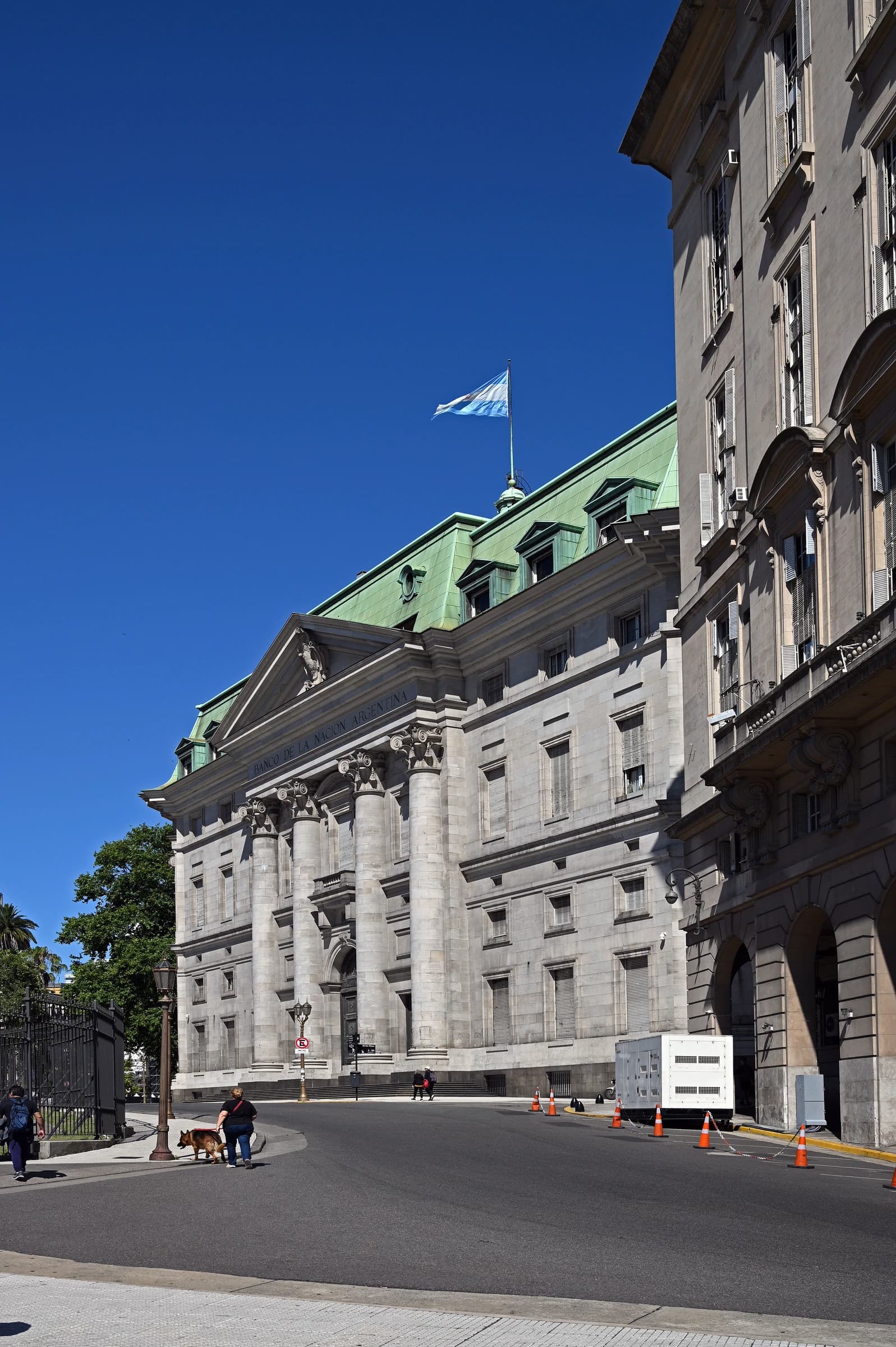
Argentina’s wholesale inflation accelerated sharply in September, underscoring how quickly energy costs can ripple through the economy and complicate the outlook for consumer prices, business margins and policy.
Argentina wholesale inflation rises on energy costs
The country’s internal wholesale price index rose 3.2% in the month after a 2.1% increase in August, according to the national statistics agency, Indec. The latest reading was driven primarily by a 15% jump in oil and gas prices, which accounted for about 45% of the monthly increase, with electricity, petroleum refining and agricultural products adding to the pressure.
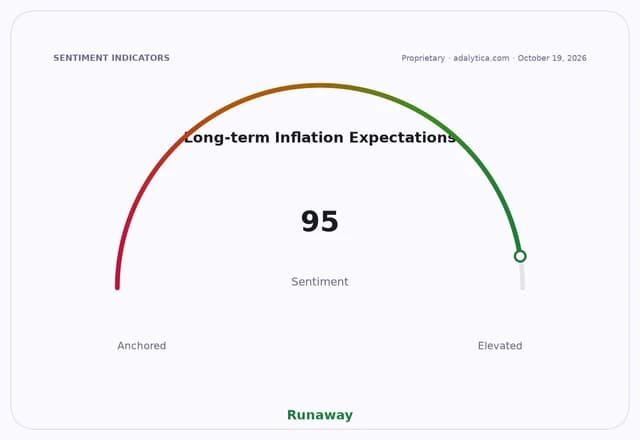
Sentiment IndicatorsⓘProprietary · adalytica.com · October 19, 2026
This is a snapshot — live sentiment, awareness and momentum for 130+ markets update continuously in the dashboard.Open AlphaPulse
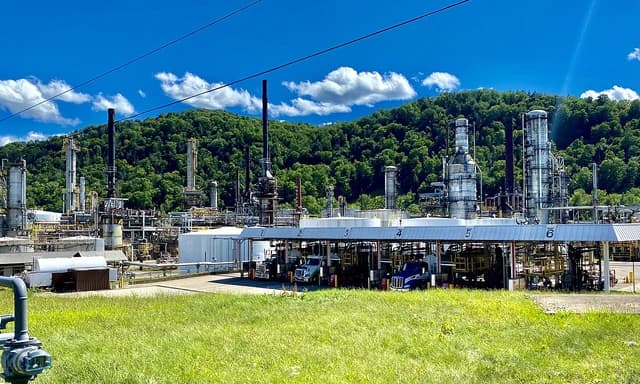
That matters because wholesale prices often feed into downstream consumer inflation, particularly in an economy where energy is a key input for transport, manufacturing and food production. Even though September consumer inflation was lower at 1.9%, the wholesale print suggests cost pressures remained alive beneath the surface and could still be passed on if firms regain pricing power.
The breadth of the move was notable. Domestic goods rose 3.4% in the month, compared with just 0.4% for imports, indicating the rise was overwhelmingly homegrown rather than imported. Within domestic prices, primary goods climbed 7.9% while manufactured goods and electricity advanced 2%. The central role of oil and gas was especially important because the sector had helped restrain the indicator in July before reversing course in September.
For businesses, the implication is straightforward: energy-intensive sectors face a renewed squeeze on input costs, while companies with weak demand may struggle to fully pass those costs through. For investors, that raises questions about the durability of disinflation in Argentina and the degree to which future consumer inflation readings will be anchored by volatile energy inputs rather than broader demand conditions.
The numbers also reinforce the mismatch between different inflation gauges. The wholesale index is up 22.8% in the first nine months of the year and 29.2% from a year earlier, while the broader producer and basic wholesale measures also showed firm monthly gains of 3.4% and 3.8%, respectively. Economists said the energy chain alone contributed more than half of the September increase, with one local analyst estimating wholesale inflation would have been closer to 2% without oil, gas and electricity.
That leaves policymakers facing a familiar problem: energy-driven inflation is harder to tame than demand-led price growth because it can hit simultaneously through transport, industry and utilities. If the move in oil and gas proves sticky, it could keep wholesale prices elevated into the final quarter and make it harder for Argentina to sustain any broad-based slowdown in inflation.
| Entity | Gains | Losses |
|---|---|---|
| Oil and gas producers | ▲Higher selling prices | ▼ |
| Energy-intensive manufacturers | ▲ | ▼Higher input costs |
| Argentine consumers | ▲ | ▼Risk of pass-through to retail prices |
| Policymakers | ▲ | ▼Harder inflation outlook |