Javier Milei’s support in Córdoba has stayed well above the national average, a politically important cushion for the president as Argentina’s next election cycle begins to take shape and the province again looks set to be a decisive battleground.
Milei Support Stays Strong in Córdoba
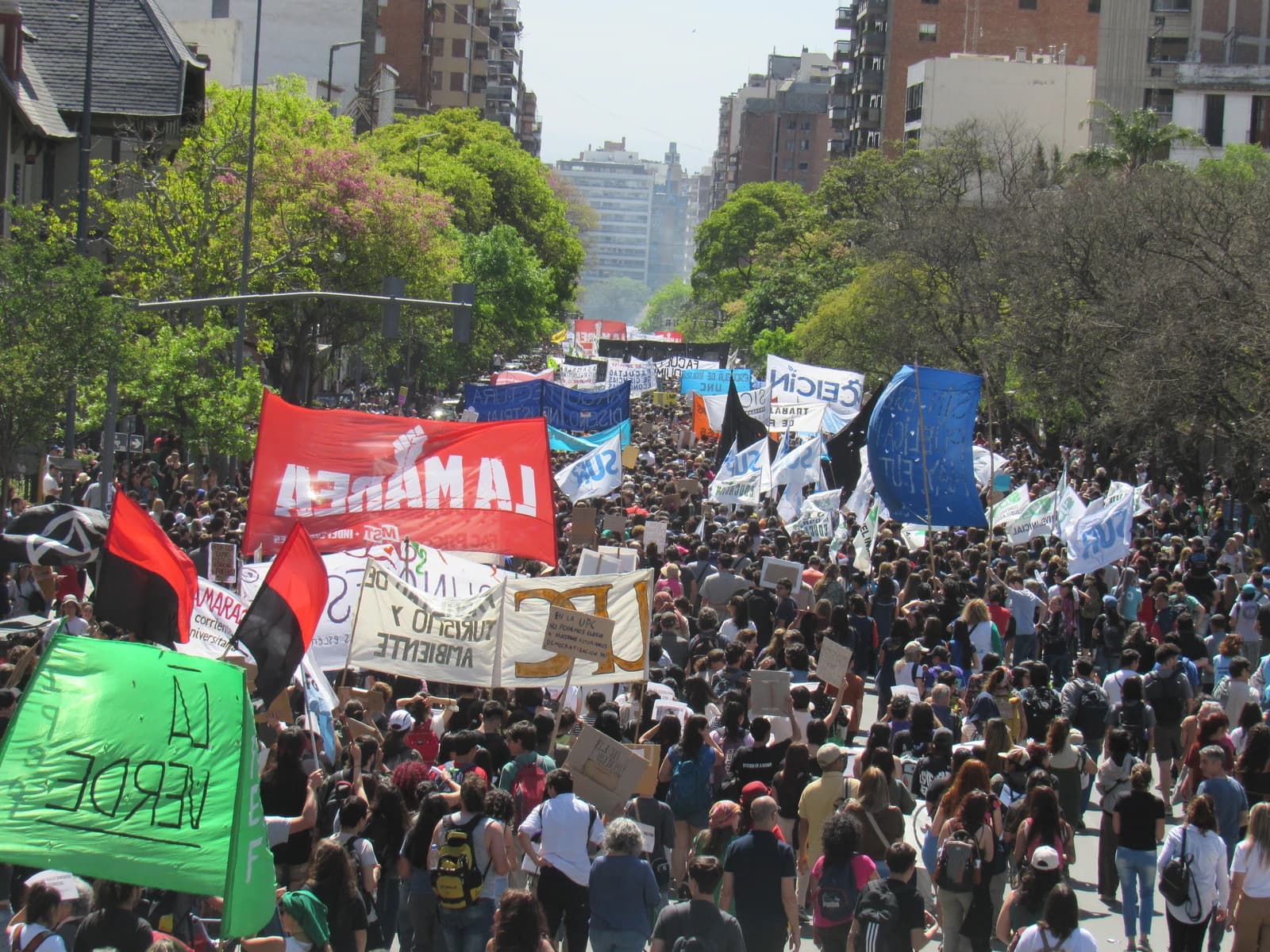
The latest polling cited by La Voz shows Milei with 54.2% positive approval in Córdoba in September, versus 41.8% nationwide in Explanans’ survey, while CB Consultora put him at 54% approval in the province against 37% elsewhere. Even the softer readings still point to a clear premium: Delfos found 39% approval in Córdoba versus 30% in the country as a whole. On vote intention, Explanans had Milei near 52% in Córdoba, compared with 38% nationally.
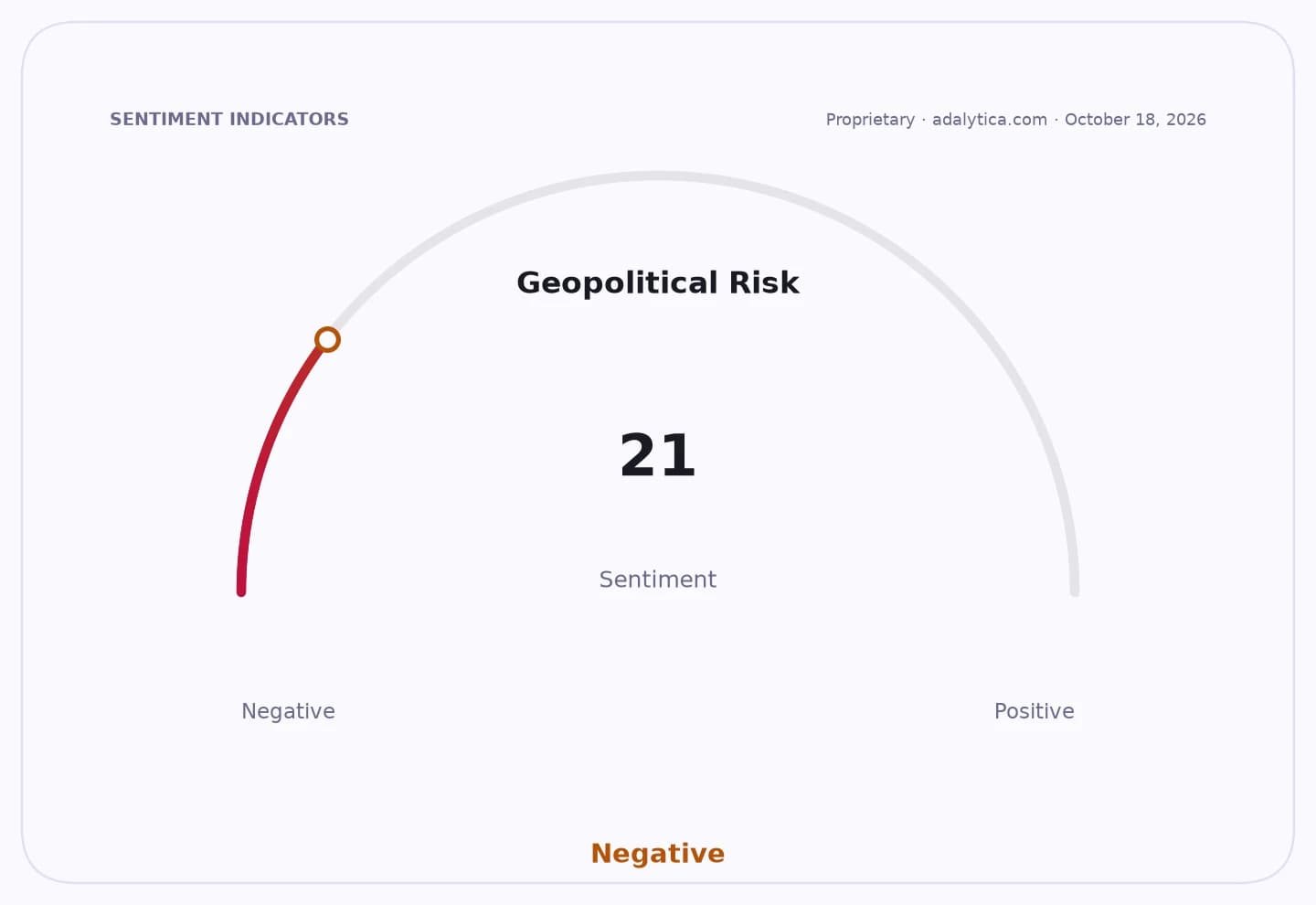
Sentiment IndicatorsⓘProprietary · adalytica.com · October 13, 2026
This is a snapshot — live sentiment, awareness and momentum for 130+ markets update continuously in the dashboard.Open AlphaPulse
That gap matters because Córdoba is not just another provincial data point. It was central to Milei’s 2023 breakthrough, when he won 74% of the province in the presidential runoff after taking 33% there in the first round. Before that, Mauricio Macri had won 71% in Córdoba in 2015. The province has repeatedly served as a repository of anti-Kirchnerist votes, meaning a large part of Milei’s strength may reflect not only support for his agenda but also the electorate’s continued rejection of Peronism and Cristina Kirchner’s camp.
The economic backdrop helps explain the durability of that support, but also its limits. Explanans found 43.4% of Cordobans saying their personal situation has worsened since Milei took office. That is a meaningful warning sign for a government built on fiscal austerity, subsidy cuts and spending restraint. It suggests the president’s political base in the province is not powered by broad-based economic relief so much as by relative preference: some voters may dislike the adjustment but still consider the alternative worse.
For investors watching Argentine risk, Córdoba matters because provincial political strength can shape the durability of national policy. Milei’s ability to preserve backing in a productive, middle-class province with industry, agriculture, universities and a large public-sector workforce would support his mandate for further fiscal consolidation and deregulation. A erosion of that support, by contrast, would raise questions about how long the government can maintain its adjustment programme without broader growth and income recovery.
The market implication is less about next week’s headlines than about the path to 2027. Pollsters quoted in the report say Milei’s numbers in Córdoba have been stable since May, which gives him time but not immunity. If the economy fails to improve in voters’ “metro cuadrado,” as the piece puts it, the alliance of anti-Kirchnerism and Milei’s own brand of disruption could weaken. The other variable is opposition quality: for now, there is no obvious Córdoba-friendly challenger capable of prying away a provincial electorate that has repeatedly preferred national outsiders to Peronist alternatives.
In other words, Córdoba remains a political asset for Milei, but also a test case. If his approval there endures through a slow recovery, it would reinforce the view that Argentina’s rightward shift is deeper than one election. If it slips, it would be an early warning that the president’s coalition is more tactical than structural.
| Entity | Gains | Losses |
|---|---|---|
| Milei government | ▲Stronger provincial mandate | ▼Less pressure on opposition |
| Córdoba voters backing Milei | ▲Anti-Kirchnerist alternative | ▼Exposure to austerity pain |
| Argentine opposition | ▲Opportunity if economy stalls | ▼Weak current challenger appeal |
| Investors in Argentina risk assets | ▲Policy continuity hopes | ▼Political support if polls fade |