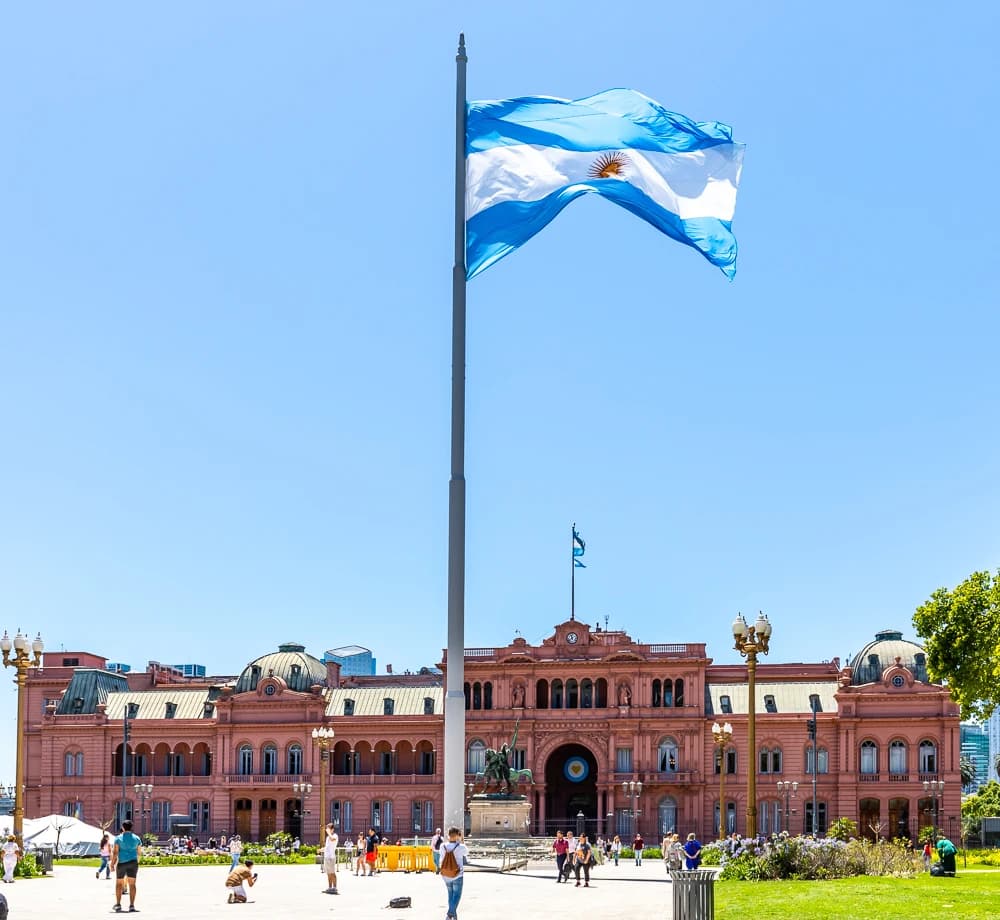
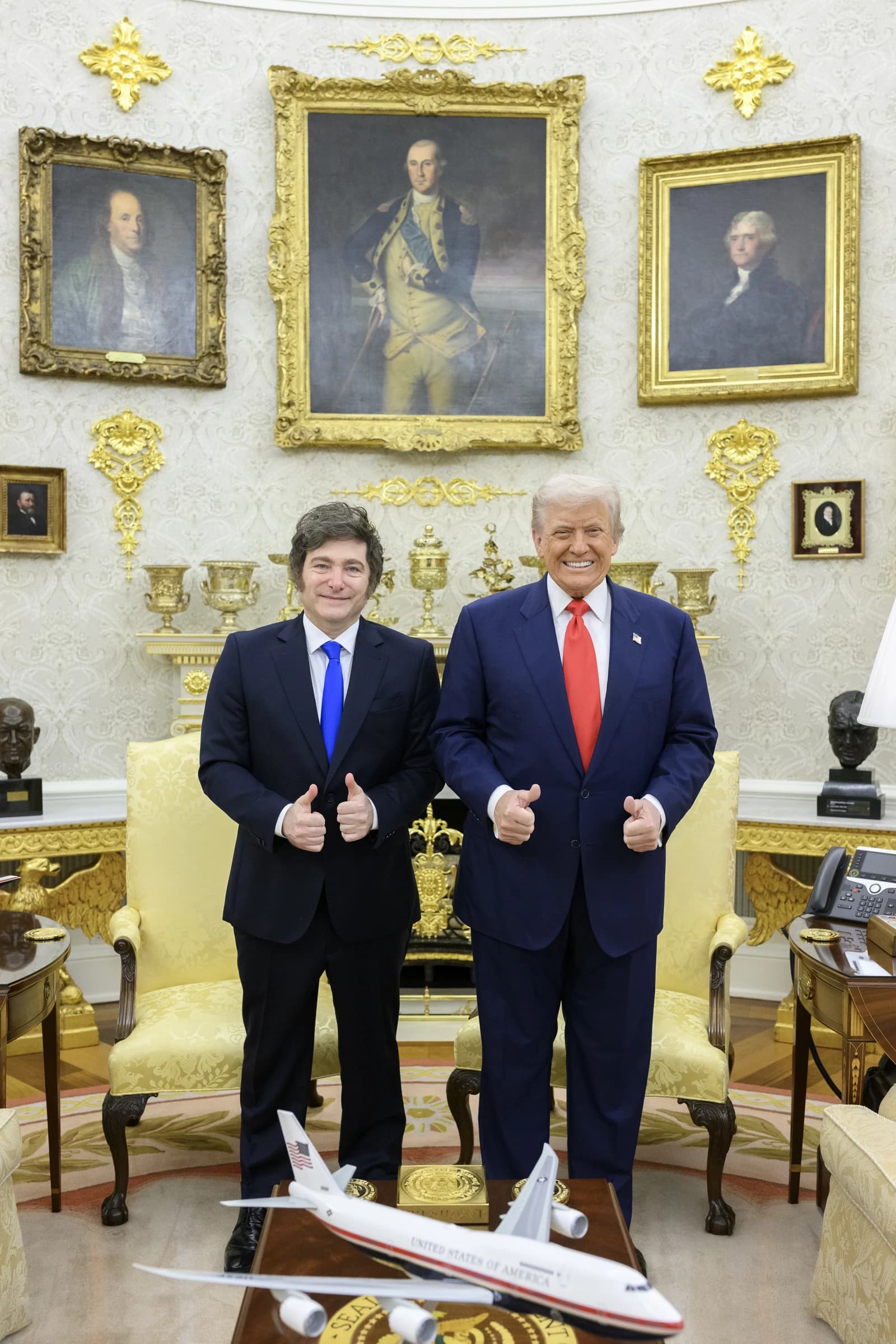
Argentina’s provincial governors are pressing President Javier Milei for an electoral pact that would give their territories a stake in the 2026 political map, even after helping the government block the latest lower-house session. The key shift is that that backing is not becoming a blank check: support for Milei’s camp is increasingly framed as “bill by bill,” leaving congressional arithmetic and reform momentum uncertain.
Argentina Governors Seek Pact With Milei
That matters because Milei’s market-friendly program depends on keeping enough legislative and provincial support to advance fiscal and structural measures. Governors want agreements that include local demands, which means the president’s ability to turn ad hoc parliamentary wins into a durable governing coalition remains unproven.
Sentiment IndicatorsⓘProprietary · adalytica.com · October 21, 2026
This is a snapshot — live sentiment, awareness and momentum for 130+ markets update continuously in the dashboard.Open AlphaPulse
For investors, the issue is less about one failed vote than about the durability of Argentina’s policy path. A looser alliance could make it harder to pass spending, tax and regulatory changes that underpin the country’s recovery narrative, while also raising the odds of policy delays into next year’s electoral cycle.
The market backdrop shows how quickly sentiment can swing on Argentine politics. The Argentina-focused ARGT ETF closed at $87.59, below its 50-day moving average of $91.33 and its 200-day average of $92.16, suggesting traders are still discounting political execution risk. Banco Galicia shares, reflected in GGAL, have fallen to $36.25 from earlier highs and remain under their 50-day and 200-day averages, while the broader EEM emerging-markets ETF is at $63.45, also below its 50-day average.
That positioning fits a wider picture of cautious global risk appetite. Adalytica’s Global Stability Sentiment gauge sits at 86, or “Extreme Greed,” while its FX volatility signal is in “Fear,” a combination that points to investors leaning into risk assets even as currency and policy uncertainty persist.
The next test is whether Milei can convert tactical congressional support into a formal pact with provincial leaders without conceding too much policy control. Until that is clear, Argentine assets are likely to trade on every sign of coalition discipline as much as on the government’s reform agenda.
| Entity | Gains | Losses |
|---|---|---|
| Milei government | ▲Short-term legislative support | ▼Policy leverage in pact talks |
| Provincial governors | ▲Bargaining power over demands | ▼Risk of weak national coalition |
| Argentine reform agenda | ▲Chance of near-term votes | ▼Long-term certainty |
| Argentine assets | ▲Hope of deal-driven stability | ▼Higher political risk premium |