Argentina, Milei New York trip and Falklands risk
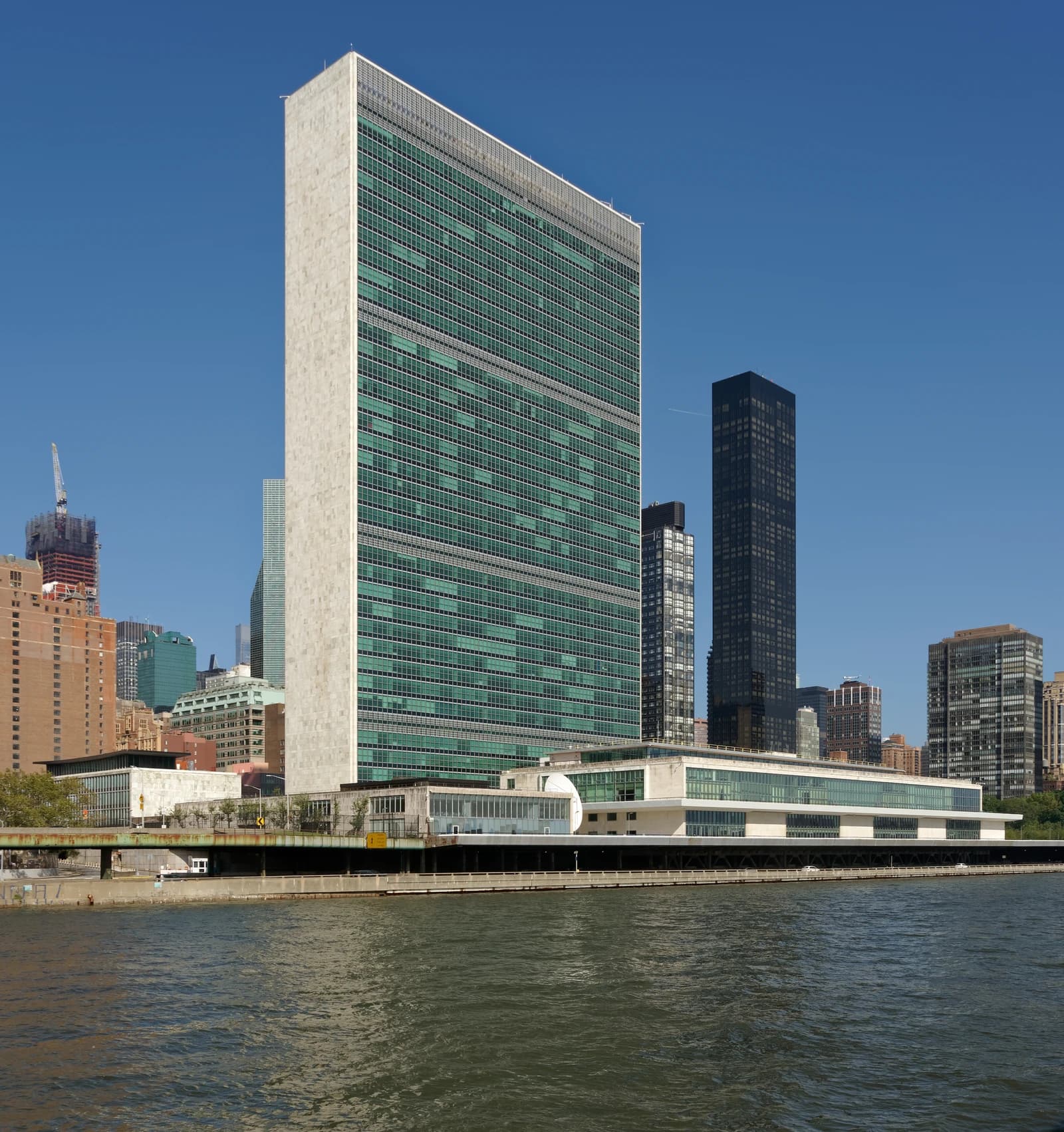
Javier Milei’s trip to New York this week matters less for the speeches he will give at the United Nations than for the market signal it sends: Argentina is trying to sell a pro-investment, pro-Western agenda while simultaneously hardening its stance in the Falklands dispute.
That tension is the key investment story. Milei will use his latest visit to the United States — his 18th since taking office in December 2023 — to meet academics, business leaders and Jewish community figures, then address the UN General Assembly and the Economic Club of New York. The itinerary reinforces his effort to court foreign capital and align Argentina with Western economic and strategic interests. But it comes just as Buenos Aires is escalating pressure over the Falkland Islands after Donald Trump suggested Washington could eventually revisit its support for Britain, opening a new layer of geopolitical risk for energy companies and for any investor pricing Argentine policy stability.

For investors, the immediate question is whether Milei’s diplomatic activism strengthens or complicates the case for Argentina assets. On one hand, his presence in New York and meetings with business figures from the Council of the Americas are meant to reassure global lenders and corporations that Argentina remains open for capital after years of macro instability. The country needs that message. Milei’s economic program has depended on rebuilding credibility with foreign investors, limiting fiscal excess and drawing in hard currency. A smoother relationship with US capital markets and Western institutions would help that effort.
On the other hand, the renewed Falklands row introduces a policy overhang that could affect offshore exploration, licensing risk and relations with firms already exposed to the disputed waters. Milei has already ordered tougher sanctions on companies operating in the archipelago, including Israel’s Navitas and Britain’s Rockhopper, and has floated a military base in Tierra del Fuego. That makes the dispute more than symbolism. It raises the prospect of legal challenges, higher project risk and greater uncertainty for energy investors just as Argentina tries to market itself as a more predictable destination.

The market backdrop is not neutral. Argentina-focused assets, including the ARGT exchange-traded fund, have been trading near their 50-day and 200-day moving averages, suggesting a market that is still looking for a decisive catalyst rather than a clean trend. The ETF ended recently around $92.39, with the 50-day average near $93.93 and the 200-day average near $92.44. RSI readings in the low-40s point to a cautious tone rather than outright momentum. That fits a country story in which policy credibility can still improve, but headlines can quickly reverse sentiment.
The wider geopolitical context also matters. Milei has leaned heavily into support for Israel and broader Western alignment, including receiving a distinction from a Jewish institution during the trip. That stance can help him in Washington and with some investors who prefer clear ideological alignment with the US and its allies. But it also means any escalation in the Falklands dispute could test the limits of that alignment, particularly if Buenos Aires appears to be using nationalist pressure to offset domestic political constraints.
For now, the most important takeaway is that Milei is trying to project two messages at once: Argentina is open for business, and Argentina is prepared to take a harder line on sovereignty. Investors will welcome the first message, but they will price the second into risk premiums, especially in energy and infrastructure. The next moves to watch are any new sanctions, the tone of Milei’s UN remarks and whether his New York meetings produce concrete signs of foreign capital interest — or merely more geopolitical noise.
| Entity | Gains | Losses |
|---|---|---|
| Milei government | ▲Investor outreach and Western ties | ▼Policy credibility if tensions escalate |
| Foreign investors | ▲Potential reform momentum | ▼Higher geopolitical risk premium |
| Falklands oil firms | ▲Near-term attention | ▼Sanctions and project uncertainty |
| UK-Argentina relations | ▲Diplomatic engagement | ▼Strained sovereignty dispute |